




china soft seated check valve Performance Analysis
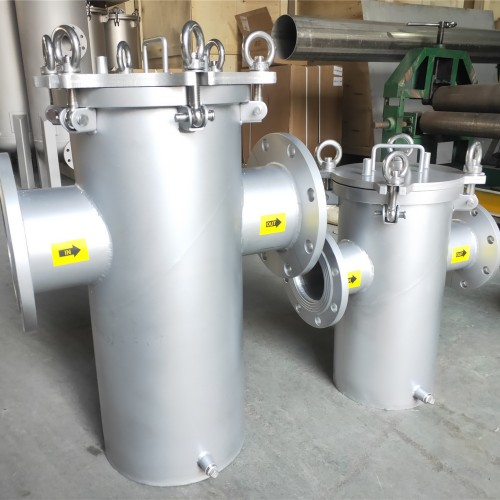
Introduction
China soft seated check valves are critical components in fluid handling systems, employed across diverse industries including water treatment, chemical processing, power generation, and oil & gas. These valves are designed to prevent backflow in pipelines, ensuring unidirectional flow of media. Unlike traditional metal-seated check valves, soft-seated designs utilize an elastomeric disc to create a tight seal, offering superior leak tightness, particularly at lower pressures. Their functionality relies on the pressure of the flowing fluid, automatically opening to allow forward flow and closing to prevent reverse flow. The increasing demand for efficient and reliable fluid control systems, coupled with stricter environmental regulations regarding leakage, drives the adoption of these valves. This guide provides an in-depth technical overview of China soft seated check valves, covering material science, manufacturing processes, performance characteristics, failure modes, and relevant industry standards. A key pain point within the industry is consistently maintaining seal integrity over extended periods and in corrosive environments, which necessitates a deep understanding of material compatibility and manufacturing quality control.
Material Science & Manufacturing
The body of a China soft seated check valve is typically constructed from ductile iron (QT450-10), stainless steel (304, 316, or duplex), or carbon steel, chosen based on the application’s fluid compatibility and pressure requirements. Ductile iron offers a good balance of strength and cost-effectiveness. Stainless steels provide superior corrosion resistance, crucial for handling aggressive media. The disc, the critical sealing component, is commonly made from elastomers such as EPDM, NBR, PTFE, or Viton (FKM). EPDM excels in water and steam applications; NBR is suitable for oil-based fluids; PTFE offers broad chemical resistance; and Viton handles high temperatures and aggressive chemicals. The manufacturing process involves several key steps. Firstly, the body casting (for ductile iron or steel) or forging is created. Machining follows, precisely creating the valve seat and internal flow path. The soft seat is then bonded or mechanically secured to the valve body. Quality control is paramount, including hydrostatic testing to verify pressure integrity and non-destructive testing (NDT) like liquid penetrant inspection to identify surface cracks. Parameter control during elastomer bonding, specifically temperature and pressure, is critical to achieving a durable and leak-tight seal. Improper bonding can lead to premature failure. Furthermore, the surface finish of the metal seat directly impacts the seal’s effectiveness; a smoother surface reduces wear and improves sealing performance. The choice of elastomer is directly related to the chemical compatibility with the fluid being handled. Incorrect selection can lead to swelling, degradation, and ultimately, valve failure.

Performance & Engineering
The performance of a soft seated check valve is governed by several engineering principles. Fluid dynamics dictate the flow coefficient (Cv) and pressure drop across the valve. The valve’s design minimizes turbulence to reduce energy loss and erosion. Force analysis is crucial in determining the disc’s ability to withstand the hydrodynamic forces generated by fluid flow. The disc must close firmly against the seat under all operating conditions. Environmental resistance, particularly corrosion and temperature variations, significantly impacts long-term reliability. The selection of materials must account for the specific operating environment. Compliance requirements, such as API 598 (Manufacturing and Testing of Valves) and MSS SP-61 (Pressure Testing of Steel Valves), mandate specific testing procedures and acceptance criteria. The valve’s spring mechanism (if applicable) must be designed to ensure rapid closure and minimize water hammer, a potentially damaging pressure surge. Finite element analysis (FEA) is often employed to optimize the valve body’s geometry and ensure structural integrity under high pressure. The seat’s deflection under pressure must be calculated to ensure consistent sealing. Furthermore, the valve’s actuation speed is a critical parameter, particularly in applications requiring rapid response times. A key engineering challenge is balancing leak tightness with acceptable pressure drop. Softer elastomers provide better sealing but can also increase flow resistance.
Technical Specifications
| Parameter | Unit | Ductile Iron Body/EPDM Disc | Stainless Steel 316 Body/Viton Disc |
|---|---|---|---|
| Maximum Working Pressure | MPa | 1.6 | 2.5 |
| Temperature Range | °C | -20 to 80 | -30 to 180 |
| Connection Type | - | Flanged, Threaded, Lugged | Flanged, Threaded, Lugged |
| Valve Size (DN) | mm | 50-600 | 50-600 |
| Leakage Rate (Bubble Tight) | ml/min | ≤0.1 | ≤0.05 |
| Material – Body | - | QT450-10 Ductile Iron | SS316 Stainless Steel |
Failure Mode & Maintenance
Common failure modes for China soft seated check valves include disc degradation (swelling, cracking, or abrasion), seat erosion, body corrosion, and spring failure (in spring-loaded designs). Elastomer degradation is often caused by chemical incompatibility, excessive temperature, or UV exposure. Seat erosion can occur due to abrasive particles in the fluid stream. Body corrosion is dependent on the material selection and the corrosiveness of the fluid. Fatigue cracking can develop in the valve body under cyclic loading. Oxidation can lead to the formation of rust, particularly in carbon steel bodies. Failure analysis typically involves visual inspection, material testing, and hydraulic testing. Maintenance procedures should include regular inspection of the disc and seat for wear or damage. Periodic replacement of the soft seat is recommended, particularly in critical applications. Lubrication of moving parts (if applicable) can reduce wear and improve performance. Corrosion protection, such as applying a protective coating, can extend the valve’s lifespan. Proper storage conditions, avoiding direct sunlight and extreme temperatures, are crucial for preserving the elastomer’s properties. Preventative maintenance programs, including routine inspections and scheduled replacements, are essential for minimizing downtime and ensuring reliable operation. When replacing the soft seat, ensure proper seating and torque specifications are followed to avoid leaks. A common failure point is improper installation leading to misalignment and premature seal failure.
Industry FAQ
Q: What is the primary advantage of a soft seated check valve over a traditional metal-to-metal check valve?
A: The primary advantage is superior leak tightness, especially at lower pressures. Metal-to-metal designs often exhibit some degree of leakage due to surface imperfections, while the elastomeric seat in a soft seated valve provides a tighter seal, reducing fugitive emissions and improving process efficiency.
Q: How do I select the appropriate elastomer for a specific application?
A: Elastomer selection is crucial. You must consider the fluid's chemical compatibility, temperature range, and pressure. Refer to chemical resistance charts and consult with the valve manufacturer to ensure the elastomer is compatible with the process fluid. For example, Viton is preferred for highly corrosive chemicals, while EPDM is suitable for water and steam.
Q: What causes swelling in the elastomeric disc, and how can it be prevented?
A: Swelling is typically caused by chemical incompatibility between the elastomer and the process fluid. Prevention involves selecting an elastomer that is resistant to the specific fluid. Avoid prolonged exposure to incompatible chemicals and ensure proper storage conditions for the valve.
Q: What are the implications of water hammer in check valve applications, and how can soft seated valves mitigate this?
A: Water hammer is a pressure surge caused by the rapid closure of a valve. It can damage pipelines and equipment. Soft seated check valves, particularly those with fast-closing mechanisms, can contribute to water hammer. Proper valve sizing, minimizing flow velocity, and utilizing surge protection devices can mitigate this issue.
Q: What is the expected lifespan of a soft seated check valve, and what factors affect it?
A: The lifespan varies depending on the application and operating conditions. Typically, a well-maintained valve can last 5-10 years. Factors affecting lifespan include fluid corrosiveness, temperature, pressure, abrasion, and the quality of materials and manufacturing.
Conclusion
China soft seated check valves represent a significant advancement in fluid control technology, offering superior leak tightness and reliability compared to traditional designs. Their performance is critically dependent on material selection, manufacturing precision, and proper installation. Understanding the underlying engineering principles, potential failure modes, and relevant industry standards is paramount for ensuring optimal operation and longevity.
Looking forward, advancements in elastomer technology and valve design will likely lead to even more robust and durable soft seated check valves. Focus on improved chemical resistance, increased temperature capabilities, and enhanced sealing performance will drive innovation in this field. Implementing proactive maintenance programs and adhering to best practices will continue to be essential for maximizing the value and minimizing the lifecycle cost of these critical components.
-
Top Reasons to Choose a Stainless Steel Flange Check Valve for Industrial Applications
-
stop check valves Performance Analysis
-
pilot operated check valve Performance Analysis
-
spring loaded check valve Material Science Manufacturing
-
pilot operated check valves Performance Analysis
-
check valve pilot operated Performance Analysis
-
1 4 in check valve Performance Engineering
-
check valve 3 4 Performance Analysis
-
11 2 check valve Performance Analysis
-
spring check valve Material Science Manufacturing
-
DN100 Flange Performance Analysis
-
DN50 Flange Performance Analysis
-
double flanged butterfly valve Performance Analysis
-
forged flanges Performance Analysis
-
4 blind flange Performance Engineering
 Afrikaans
 Albanian
 Amharic
 Arabic
 Armenian
 Azerbaijani
 Basque
 Belarusian
 Bengali
 Bosnian
 Bulgarian
 Catalan
 Cebuano
 Corsican
 Croatian
 Czech
Czech
 Danish
 Dutch
Dutch
 Esperanto
 Estonian
 Finnish
 French
 Frisian
 Galician
 Georgian
 German
 Greek
Greek
 Gujarati
 Haitian Creole
 Hausa
Hawaiian
Hausa
Hawaiian
 Hebrew
 Hindi
Hindi
 Miao
Miao
 Hungarian
 Icelandic
 Igbo
Igbo
 Indonesian
 Irish
Irish
 Italian
 Japanese
 Javanese
Kannada
Javanese
Kannada
 Kazakh
 Khmer
Khmer
 Rwandese
 Korean
 Kurdish
 Kyrgyz
 Lao
Lao
 Latin
Latin
 Latvian
 Lithuanian
 Luxembourgish
 Macedonian
 Malgashi
 Malay
Malay
 Malayalam
 Maltese
 Maori
Maori
 Marathi
 Mongolian
 Myanmar
 Nepali
 Norwegian
 Norwegian
 Occitan
 Pashto
 Persian
 Polish
 Portuguese
Punjabi
Portuguese
Punjabi
 Romanian
 Russian
 Samoan
 Scottish Gaelic
 Serbian
 Sesotho
 Shona
Shona
 Sindhi
 Sinhala
 Slovak
 Slovenian
 Somali
 Spanish
 Sundanese
 Swahili
 Swedish
Tagalog
Swedish
Tagalog
 Tajik
Tajik
 Tamil
Tamil
 Tatar
Tatar
 Telugu
 Thai
Thai
 Turkish
 Turkmen
 Ukrainian
 Urdu
Urdu
 Uighur
 Uzbek
Uzbek
 Vietnamese
 Welsh
Welsh
 Bantu
Bantu
 Yiddish
 Yoruba
 Zulu
Zulu
 English