




china threaded check valve Performance Analysis
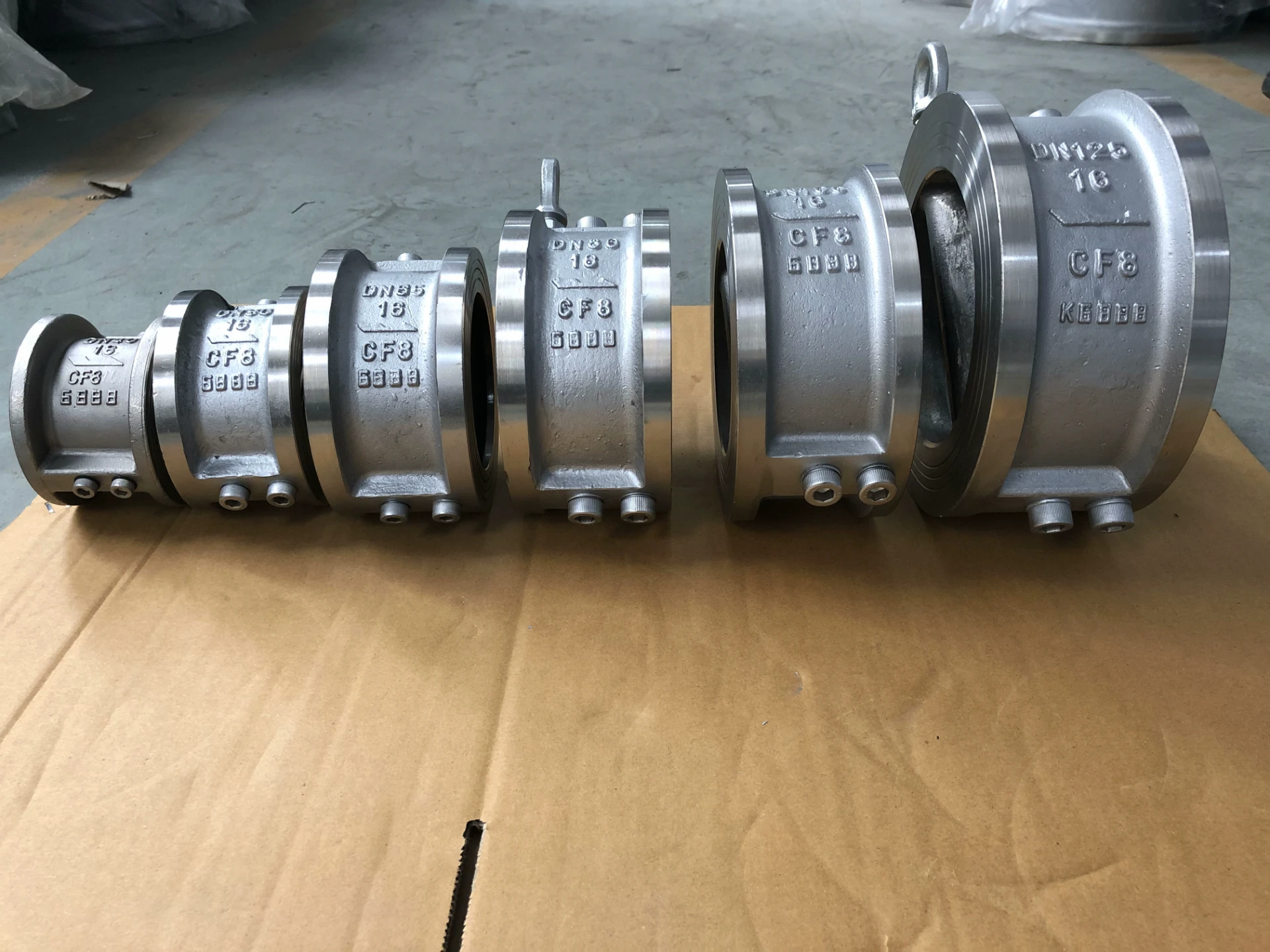
Introduction
China threaded check valves are unidirectional flow control devices integral to pipeline systems across diverse industrial sectors including water treatment, oil and gas, chemical processing, and power generation. These valves automatically permit fluid flow in one direction while preventing backflow, safeguarding equipment and maintaining process integrity. Characterized by their threaded end connections – typically National Pipe Thread (NPT) or British Standard Pipe (BSP) – these valves offer a cost-effective and easily installed solution for smaller diameter piping. Their selection hinges on fluid compatibility, temperature, pressure requirements, and the specific industry standards governing the application. Core performance metrics include leakage rate, pressure drop, and flow coefficient (Cv), influencing system efficiency and operational reliability. A significant industry pain point centers on material selection to resist corrosion and erosion, particularly in aggressive chemical environments, and ensuring consistent manufacturing quality to minimize failure rates and downtime.
Material Science & Manufacturing
The body material of a china threaded check valve dictates its chemical compatibility and mechanical strength. Common materials include brass (CA360, C46400), stainless steel (304, 316), carbon steel (A105), and PVC/CPVC. Brass offers good corrosion resistance in many applications but is limited by temperature. Stainless steel provides superior corrosion resistance, particularly 316 with its molybdenum content, making it suitable for harsh chemical environments. Carbon steel is cost-effective for non-corrosive applications but requires protective coatings. PVC/CPVC valves are used for low-pressure, corrosive fluid handling. The internal components – disc and seat – are often manufactured from materials like PTFE, EPDM, or NBR, chosen for their sealing properties and chemical resistance. Manufacturing typically involves investment casting (for brass and stainless steel bodies), forging (for carbon steel), or injection molding (for plastic bodies). Threading is critical, adhering to standards like ASME B1.20.1 for NPT threads. Quality control focuses on dimensional accuracy of the threads, surface finish to ensure leak-tight seals, and hydrostatic testing to verify body integrity. Parameter control during casting/molding ensures minimal porosity and consistent material density. Post-machining processes, including deburring and cleaning, are essential to prevent particle contamination in the fluid stream.
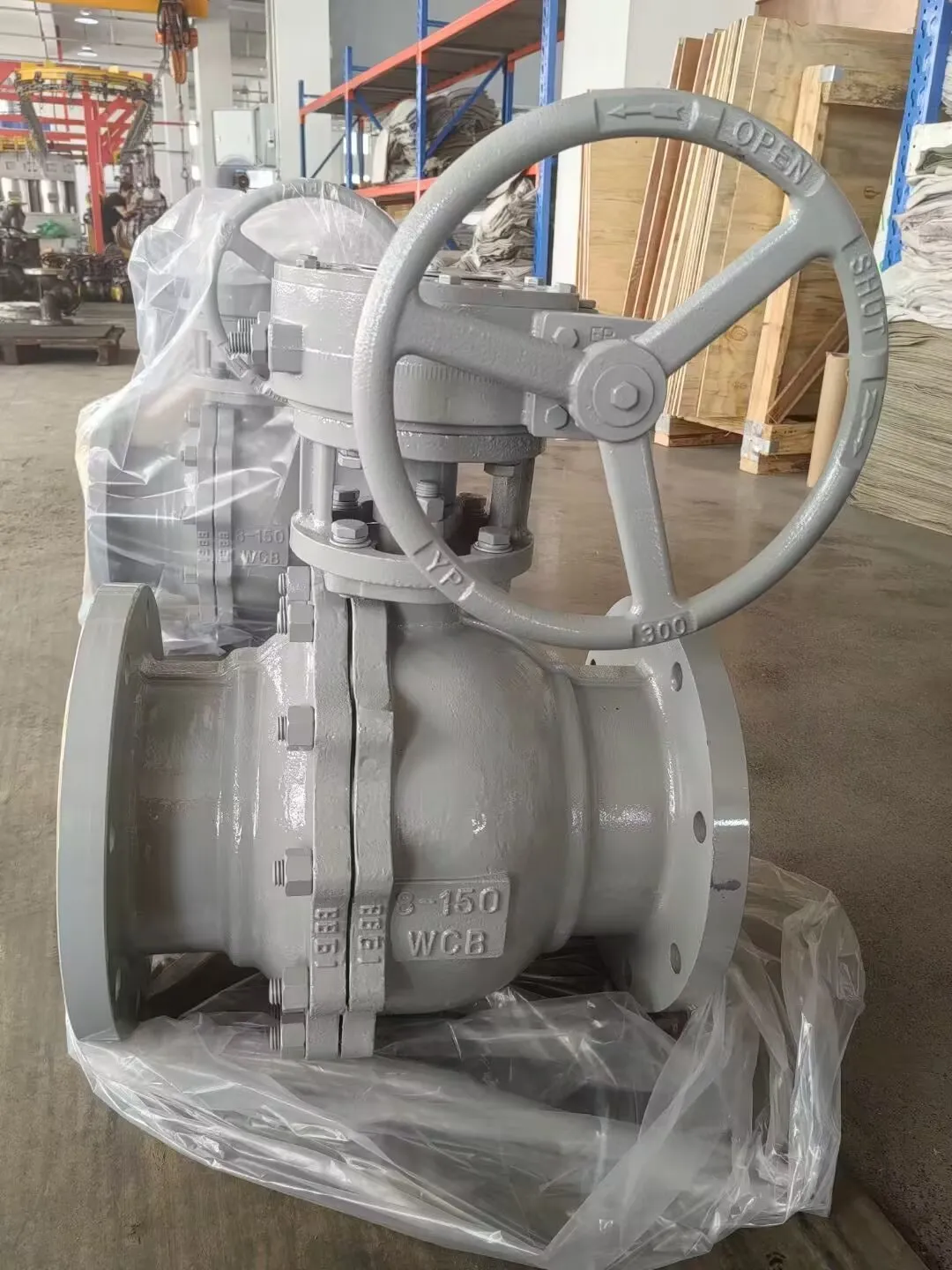
Performance & Engineering
The performance of a threaded check valve is governed by fluid dynamics and mechanical design. Force analysis considers the impact of fluid velocity and pressure on the disc, calculating stress concentrations at the hinge point and seat interface. The valve's cracking pressure – the minimum upstream pressure required to open the disc – is a critical parameter. Environmental resistance is paramount; external coatings (e.g., epoxy, galvanizing) protect carbon steel bodies from corrosion. For high-temperature applications, material selection must account for thermal expansion and contraction. Compliance requirements depend on the industry; potable water applications necessitate NSF/ANSI 61 certification, while oil and gas applications demand API 6A compliance (for larger valves, but principles apply). Functional implementation relies on the disc’s ability to seat tightly against the seal, preventing backflow. Seat design (flat, angled, or tapered) influences sealing efficiency and pressure drop. A significant engineering challenge is minimizing pressure drop while maintaining a leak-tight seal, often addressed through optimized disc geometry and flow path design. Furthermore, cavitation – the formation and collapse of vapor bubbles – can erode valve components, especially at high flow velocities; mitigating this requires careful valve sizing and fluid velocity control.
Technical Specifications
| Parameter | Brass (HPb59-1) | 304 Stainless Steel | PVC | Carbon Steel (A105) |
|---|---|---|---|---|
| Maximum Pressure (PSI) | 300 | 600 | 150 | 900 |
| Temperature Range (°F) | -60 to 250 | -328 to 500 | -40 to 140 | -50 to 400 |
| Connection Type | NPT/BSP | NPT/BSP | NPT/BSP | NPT/BSP |
| Seat Material Options | PTFE, EPDM | PTFE, EPDM | PTFE | PTFE, NBR |
| Flow Coefficient (Cv) - 1/2" Valve | 2.5 | 2.8 | 3.0 | 2.6 |
| Leakage Rate (ASTM F371) | Class VI | Class VI | Class VI | Class V |
Failure Mode & Maintenance
Common failure modes for china threaded check valves include seat erosion (due to particulate matter in the fluid), disc deformation (from excessive pressure or temperature), thread damage (during installation or removal), and body cracking (from fatigue or corrosion). Fatigue cracking can occur in carbon steel bodies subjected to cyclic pressure loads. Delamination of coatings on carbon steel exacerbates corrosion. Galvanic corrosion can occur when dissimilar metals are in contact in a corrosive environment. Maintenance should include regular inspection of the disc and seat for wear, tightness checks on threaded connections, and lubrication of threads to prevent seizing. If leakage is detected, disassemble the valve, inspect the seat and disc for damage, and replace as necessary. Preventative maintenance should include periodic hydrostatic testing to verify body integrity. For valves handling abrasive fluids, consider installing an upstream strainer to remove particulate matter. Corrosion prevention involves selecting the appropriate material for the fluid environment and applying protective coatings where applicable. Proper installation – avoiding cross-threading and over-tightening – is crucial for preventing thread damage and ensuring a leak-tight seal.
Industry FAQ
Q: What is the impact of fluid velocity on the lifespan of a threaded check valve?
A: High fluid velocity can accelerate erosion of the disc and seat, particularly if the fluid contains abrasive particles. It can also contribute to cavitation, which damages valve components. Proper valve sizing and flow control are crucial to maintain velocities within acceptable limits.
Q: How do I select the correct seat material for a specific chemical application?
A: Seat material selection depends on the chemical compatibility with the fluid. PTFE offers broad chemical resistance, while EPDM is suitable for many aqueous solutions and NBR is appropriate for oil-based fluids. Consult chemical compatibility charts and material data sheets to ensure the seat material will not degrade or swell in contact with the fluid.
Q: What is the significance of the leakage rate specified in ASTM F371?
A: ASTM F371 defines leakage classes for valves, with Class VI representing the tightest sealing performance. Lower leakage classes indicate greater permissible leakage. The required leakage class depends on the application; critical applications (e.g., potable water) demand Class VI.
Q: How does thread sealant affect the performance of a threaded connection?
A: Proper thread sealant (e.g., PTFE tape, pipe dope) is essential for creating a leak-tight seal. The sealant fills microscopic imperfections in the threads and prevents galling. However, excessive sealant can obstruct the flow path. Use sealant sparingly and apply it correctly according to the manufacturer's instructions.
Q: What are the limitations of using PVC threaded check valves in high-temperature environments?
A: PVC's mechanical strength and dimensional stability decrease significantly at elevated temperatures. PVC threaded check valves are generally limited to temperatures below 140°F. Exposure to higher temperatures can cause softening, deformation, and leakage.
Conclusion
China threaded check valves provide a reliable and cost-effective solution for unidirectional flow control in numerous industrial applications. The selection process necessitates a thorough understanding of material science, manufacturing considerations, performance characteristics, and industry-specific compliance requirements. Ensuring proper material compatibility, particularly concerning corrosion resistance, is paramount to longevity and operational safety.
Continuous improvement in manufacturing processes, focusing on dimensional accuracy, surface finish, and non-destructive testing, remains crucial for enhancing valve reliability and minimizing failure rates. Future developments may involve the integration of smart materials and sensor technologies to enable condition monitoring and predictive maintenance, further optimizing valve performance and reducing lifecycle costs.
-
Top Reasons to Choose a Stainless Steel Flange Check Valve for Industrial Applications
-
stop check valves Performance Analysis
-
pilot operated check valve Performance Analysis
-
spring loaded check valve Material Science Manufacturing
-
pilot operated check valves Performance Analysis
-
check valve pilot operated Performance Analysis
-
1 4 in check valve Performance Engineering
-
check valve 3 4 Performance Analysis
-
11 2 check valve Performance Analysis
-
spring check valve Material Science Manufacturing
-
DN100 Flange Performance Analysis
-
DN50 Flange Performance Analysis
-
double flanged butterfly valve Performance Analysis
-
forged flanges Performance Analysis
-
4 blind flange Performance Engineering
 Afrikaans
 Albanian
 Amharic
 Arabic
 Armenian
 Azerbaijani
 Basque
 Belarusian
 Bengali
 Bosnian
 Bulgarian
 Catalan
 Cebuano
 Corsican
 Croatian
 Czech
Czech
 Danish
 Dutch
Dutch
 Esperanto
 Estonian
 Finnish
 French
 Frisian
 Galician
 Georgian
 German
 Greek
Greek
 Gujarati
 Haitian Creole
 Hausa
Hawaiian
Hausa
Hawaiian
 Hebrew
 Hindi
Hindi
 Miao
Miao
 Hungarian
 Icelandic
 Igbo
Igbo
 Indonesian
 Irish
Irish
 Italian
 Japanese
 Javanese
Kannada
Javanese
Kannada
 Kazakh
 Khmer
Khmer
 Rwandese
 Korean
 Kurdish
 Kyrgyz
 Lao
Lao
 Latin
Latin
 Latvian
 Lithuanian
 Luxembourgish
 Macedonian
 Malgashi
 Malay
Malay
 Malayalam
 Maltese
 Maori
Maori
 Marathi
 Mongolian
 Myanmar
 Nepali
 Norwegian
 Norwegian
 Occitan
 Pashto
 Persian
 Polish
 Portuguese
Punjabi
Portuguese
Punjabi
 Romanian
 Russian
 Samoan
 Scottish Gaelic
 Serbian
 Sesotho
 Shona
Shona
 Sindhi
 Sinhala
 Slovak
 Slovenian
 Somali
 Spanish
 Sundanese
 Swahili
 Swedish
Tagalog
Swedish
Tagalog
 Tajik
Tajik
 Tamil
Tamil
 Tatar
Tatar
 Telugu
 Thai
Thai
 Turkish
 Turkmen
 Ukrainian
 Urdu
Urdu
 Uighur
 Uzbek
Uzbek
 Vietnamese
 Welsh
Welsh
 Bantu
Bantu
 Yiddish
 Yoruba
 Zulu
Zulu
 English