




tees pipe fittings Performance Analysis
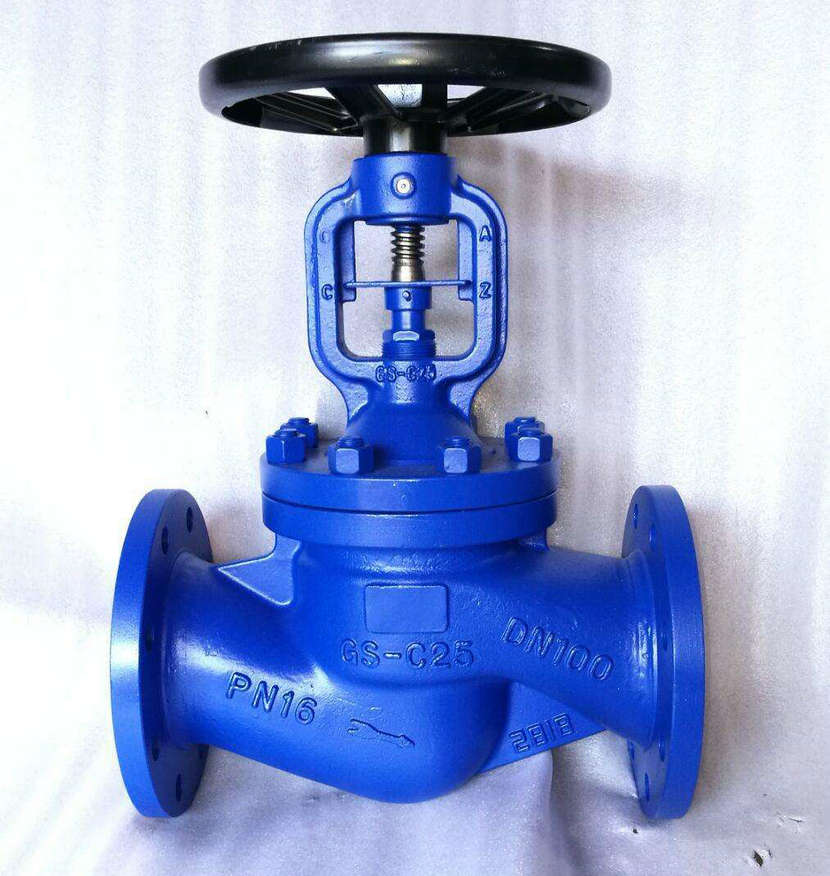
Introduction
Tees pipe fittings are fundamental components in piping systems used to combine or divide fluid flow. They are characterized by a T-shape, possessing three ports – a main run and two branching outlets, typically at 90-degree angles. Critical to industries ranging from petrochemical processing and water distribution to HVAC systems and shipbuilding, tees facilitate complex piping configurations. Their technical position within the supply chain is as a manufactured component derived from raw materials like carbon steel, stainless steel, PVC, CPVC, and specialized alloys. Core performance characteristics revolve around pressure drop, flow rate management, structural integrity under stress, and resistance to corrosion and erosion, all dictated by material selection, dimensional accuracy, and manufacturing quality. A primary industry pain point lies in maintaining flow efficiency while minimizing turbulence at the tee junction, impacting overall system performance and energy consumption. Another significant challenge is ensuring long-term reliability and preventing leaks due to stress corrosion cracking or material degradation, particularly in harsh operating environments.
Material Science & Manufacturing
The material selection for tees pipe fittings is paramount, dictating their applicability and service life. Carbon steel (ASTM A53 Grade B, A106 Grade B) offers high strength and cost-effectiveness for general purpose applications but is susceptible to corrosion. Stainless steels (304/304L, 316/316L – ASTM A358 Clause A) provide superior corrosion resistance, particularly in aggressive chemical environments, but at a higher cost. PVC and CPVC (ASTM D1785, D2846) are lightweight, corrosion-resistant options suitable for lower-pressure, non-metallic applications. Specialized alloys like Alloy 20 or Hastelloy are employed in exceptionally corrosive services. Manufacturing processes vary based on material and size. For metallic tees, forging is common for larger diameters and high-pressure applications, offering excellent grain structure and strength. Seamless tees are produced via hot extrusion, minimizing weld seams and enhancing reliability. Welded tees are fabricated by welding branch outlets onto a straight pipe section. PVC/CPVC tees are typically injection molded, requiring precise temperature and pressure control to achieve dimensional accuracy and prevent material degradation. Critical parameters during manufacturing include wall thickness control (to ensure pressure containment), dimensional tolerances (to guarantee proper fit within the piping system), weld quality (for welded tees, requiring non-destructive testing – radiography, ultrasonic testing), and surface finish (to minimize friction loss and corrosion initiation points). Heat treatment processes, such as annealing or normalizing, are applied to metallic tees to relieve stresses induced during forming or welding.
Performance & Engineering
The performance of tees pipe fittings is heavily influenced by fluid dynamics and mechanical stresses. Force analysis focuses on pressure loads, thermal stresses, and external loads (weight, seismic activity). Pressure drop across a tee is a critical parameter, especially in systems where energy efficiency is vital. The magnitude of the pressure drop depends on flow rate, fluid viscosity, tee geometry (branch outlet diameter and angle), and the presence of any internal obstructions. Computational Fluid Dynamics (CFD) modeling is routinely employed to optimize tee design and minimize turbulence. Environmental resistance is assessed through corrosion testing (salt spray testing, immersion testing), erosion testing (using abrasive particles), and temperature cycling. Compliance requirements vary significantly by industry. Petrochemical applications necessitate adherence to ASME B31.3 (Process Piping), which dictates material selection, welding procedures, and inspection requirements. Water distribution systems are governed by AWWA standards. HVAC systems typically follow ASHRAE guidelines. Functional implementation relies on proper joining techniques. Threaded tees require appropriate thread sealant to prevent leaks. Welded tees demand qualified welders and adherence to welding procedure specifications (WPS). Flanged tees must utilize compatible gaskets to ensure a leak-tight seal. Stress concentration at the tee junction is a major concern, necessitating careful design and material selection to prevent fatigue cracking, particularly under cyclic loading.
Technical Specifications
| Material | Pressure Rating (PSI) | Size Range (inches) | Wall Thickness (Schedule) |
|---|---|---|---|
| Carbon Steel (A53 Grade B) | Up to 2000 | 1/2 - 24 | Sch 40, Sch 80 |
| Stainless Steel (304/304L) | Up to 3000 | 1/2 - 12 | Sch 5S, Sch 10S, Sch 40S |
| Stainless Steel (316/316L) | Up to 3000 | 1/2 - 12 | Sch 5S, Sch 10S, Sch 40S |
| PVC (D1785) | Up to 400 | 1/2 - 6 | Sch 40, Sch 80 |
| CPVC (D2846) | Up to 300 | 1/2 - 4 | Sch 40, Sch 80 |
| Alloy 20 | Up to 1500 | 1/2 - 8 | Sch 40 |
Failure Mode & Maintenance
Tees pipe fittings are susceptible to several failure modes. Fatigue cracking can occur at the tee junction due to cyclic loading, especially in systems experiencing pressure fluctuations or vibration. Corrosion (general, pitting, crevice, galvanic) is a common failure mechanism, particularly in harsh environments. Stress corrosion cracking (SCC) can occur in susceptible materials (e.g., stainless steels) under tensile stress in the presence of corrosive agents. Erosion can damage the tee's inner surface, particularly in systems transporting abrasive fluids. Delamination can occur in composite or layered tees due to inadequate bonding. Oxidation can affect metallic tees at elevated temperatures. Maintenance strategies include regular visual inspections for signs of corrosion, cracking, or erosion. Non-destructive testing (NDT) methods – ultrasonic testing, radiographic testing, liquid penetrant testing – can detect internal flaws. Periodic pressure testing verifies the integrity of the piping system. Preventive maintenance involves applying protective coatings (paint, epoxy) to mitigate corrosion. For threaded tees, periodic retightening of connections is recommended. Replacement of damaged or corroded tees is crucial to prevent catastrophic failures. Proper material selection, installation, and operation within design limits are essential for maximizing service life. Drain down and flushing of the system can remove debris and corrosive agents, improving longevity.
Industry FAQ
Q: What is the impact of different branch outlet angles on pressure drop in a tee fitting?
A: Branch outlet angles significantly influence pressure drop. 90-degree tees generally exhibit higher pressure drop compared to 45-degree tees due to increased turbulence at the junction. Optimizing the angle can reduce turbulence and improve flow efficiency, but this must be balanced against space constraints and system layout requirements. CFD modeling is crucial for determining the optimal angle for a specific application.
Q: How does weld quality affect the long-term reliability of welded tee fittings?
A: Weld quality is paramount. Imperfections such as porosity, inclusions, and incomplete penetration can act as stress concentrators and initiation sites for cracking. Proper welding procedure specifications (WPS), qualified welders, and thorough non-destructive testing (radiography, ultrasonic testing) are essential to ensure weld integrity. Post-weld heat treatment can relieve residual stresses and improve weld ductility.
Q: What are the key considerations when selecting a tee fitting material for a corrosive environment?
A: Corrosion resistance is the primary consideration. Stainless steels (316/316L) offer broad chemical resistance, but specific alloy selection depends on the corrosive agent. For highly aggressive environments, specialized alloys (e.g., Alloy 20, Hastelloy) or non-metallic materials (e.g., CPVC, PTFE-lined tees) may be necessary. Factors like temperature, concentration of corrosive agents, and flow velocity also influence material selection.
Q: What is the significance of “Schedule” designation (e.g., Sch 40, Sch 80) for steel tees?
A: The “Schedule” number indicates the wall thickness of the pipe and fitting. Higher schedule numbers correspond to thicker walls, resulting in higher pressure ratings. Sch 40 is suitable for moderate-pressure applications, while Sch 80 provides increased strength and is preferred for higher-pressure or more demanding services. Selecting the appropriate schedule is crucial to ensure structural integrity and prevent failure.
Q: What are the risks associated with using dissimilar metals in a tee fitting connection?
A: Dissimilar metal connections can lead to galvanic corrosion, where one metal corrodes preferentially in the presence of an electrolyte. This occurs due to differences in electrochemical potential. Mitigation strategies include using dielectric unions, applying protective coatings, and selecting metals with similar electrochemical potentials. Careful consideration of the galvanic series is essential.
Conclusion
Tees pipe fittings, despite their seemingly simple geometry, are critical components requiring careful consideration of material science, manufacturing processes, and engineering principles. Proper selection based on application demands—pressure, temperature, fluid compatibility, and environmental factors—is fundamental to ensuring system reliability and preventing costly failures. The selection isn’t solely about initial cost; lifecycle costs, encompassing maintenance, potential downtime, and safety implications, must be factored into the decision-making process.
Future trends in tee fitting technology will likely focus on advanced materials (e.g., duplex stainless steels, superalloys) offering enhanced corrosion resistance and strength. The increasing use of additive manufacturing (3D printing) will enable the creation of complex tee geometries tailored to specific flow requirements, optimizing performance and minimizing pressure drop. Furthermore, advancements in non-destructive testing techniques will allow for more accurate and reliable assessment of tee fitting integrity, enhancing preventative maintenance programs and extending service life.
-
Top Reasons to Choose a Stainless Steel Flange Check Valve for Industrial Applications
-
electric check valve Performance Engineering
-
electric check valves Performance Analysis
-
Threaded Check Valves Performance Analysis
-
6 inch check valve Performance Analysis
-
8 check valve Performance Analysis
-
diaphragm check valve Material Science Manufacturing
-
dual plate check valve Performance Analysis
-
check valve 6 inch Material Science
-
diaphragm check valves Performance Analysis
-
dual plate check valves Performance Analysis
-
vertical check valves Material Science Manufacturing
-
8 check valves Performance Analysis
-
refrigeration check valves Performance Analysis
-
pilot check valve Performance Analysis
 Afrikaans
 Albanian
 Amharic
 Arabic
 Armenian
 Azerbaijani
 Basque
 Belarusian
 Bengali
 Bosnian
 Bulgarian
 Catalan
 Cebuano
 Corsican
 Croatian
 Czech
Czech
 Danish
 Dutch
Dutch
 Esperanto
 Estonian
 Finnish
 French
 Frisian
 Galician
 Georgian
 German
 Greek
Greek
 Gujarati
 Haitian Creole
 Hausa
Hawaiian
Hausa
Hawaiian
 Hebrew
 Hindi
Hindi
 Miao
Miao
 Hungarian
 Icelandic
 Igbo
Igbo
 Indonesian
 Irish
Irish
 Italian
 Japanese
 Javanese
Kannada
Javanese
Kannada
 Kazakh
 Khmer
Khmer
 Rwandese
 Korean
 Kurdish
 Kyrgyz
 Lao
Lao
 Latin
Latin
 Latvian
 Lithuanian
 Luxembourgish
 Macedonian
 Malgashi
 Malay
Malay
 Malayalam
 Maltese
 Maori
Maori
 Marathi
 Mongolian
 Myanmar
 Nepali
 Norwegian
 Norwegian
 Occitan
 Pashto
 Persian
 Polish
 Portuguese
Punjabi
Portuguese
Punjabi
 Romanian
 Russian
 Samoan
 Scottish Gaelic
 Serbian
 Sesotho
 Shona
Shona
 Sindhi
 Sinhala
 Slovak
 Slovenian
 Somali
 Spanish
 Sundanese
 Swahili
 Swedish
Tagalog
Swedish
Tagalog
 Tajik
Tajik
 Tamil
Tamil
 Tatar
Tatar
 Telugu
 Thai
Thai
 Turkish
 Turkmen
 Ukrainian
 Urdu
Urdu
 Uighur
 Uzbek
Uzbek
 Vietnamese
 Welsh
Welsh
 Bantu
Bantu
 Yiddish
 Yoruba
 Zulu
Zulu
 English