




lift check valve Performance Analysis
Introduction
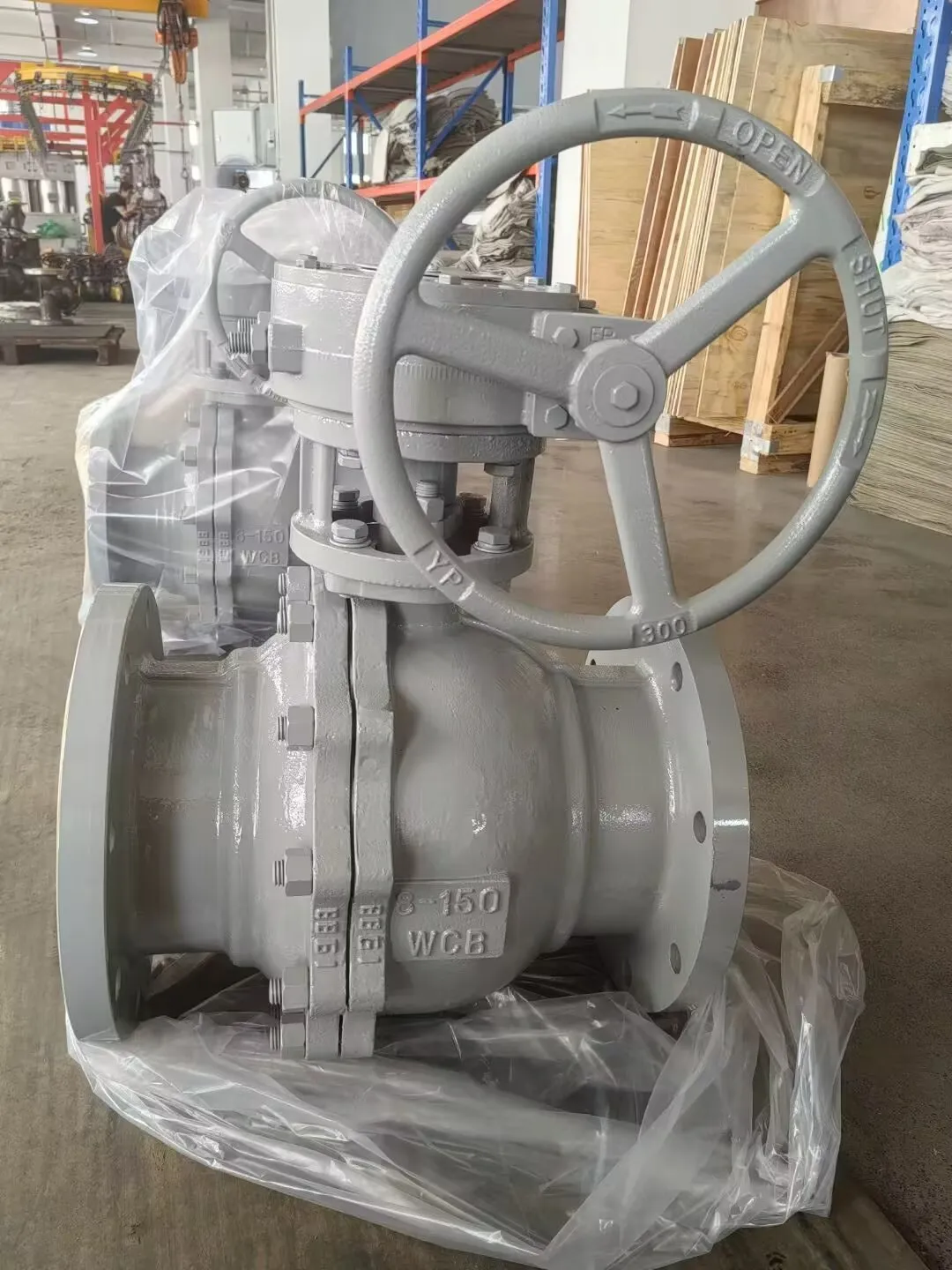
Lift check valves are crucial components in fluid handling systems, designed to prevent backflow in pipelines. Positioned within the industry chain between pump/pressure source and the point of application, they are passive devices relying on fluid flow to operate. Unlike swing check valves, lift check valves utilize a disc or poppet that lifts perpendicularly from the valve seat as flow increases, offering minimal pressure drop and rapid response times. Core performance characteristics include crack pressure (the minimal upstream pressure required to open the valve), flow coefficient (Cv), and sealing efficiency (leakage rate). These valves are commonly employed in water treatment, chemical processing, oil and gas, and power generation, where reliable unidirectional flow is paramount. A key industry pain point is selecting the correct material grade to withstand corrosive fluids and high pressures, as failures can lead to costly downtime and environmental hazards.
Material Science & Manufacturing
Lift check valves are manufactured from a range of materials dictated by the intended application. Common body materials include carbon steel (ASTM A105, A350), stainless steel (304, 316, duplex), and specialized alloys like Hastelloy and Monel for extreme corrosion resistance. Disc materials often mirror the body material, with PTFE coatings frequently employed to enhance sealing. Manufacturing typically begins with material sourcing and verification of chemical composition via methods like X-ray fluorescence (XRF). The valve body is often forged or cast, undergoing machining operations (CNC turning and milling) to achieve precise dimensions and surface finishes. The disc is precision-ground to ensure a tight fit against the valve seat. Critical parameters during manufacturing include dimensional tolerances (±0.025mm for sealing surfaces), surface roughness (Ra < 0.8µm for minimizing friction), and heat treatment processes for achieving optimal material hardness (HRC 20-30 for common stainless steel grades). Welding processes, when employed, must adhere to standards like ASME Section IX, ensuring full penetration and radiographic inspection to detect defects. The spring mechanism, crucial for disc closure, undergoes rigorous fatigue testing to ensure long-term reliability. Material compatibility charts are consulted to ensure resilience against the process fluid – for example, PTFE is generally unsuitable for strong oxidizing agents.
Performance & Engineering
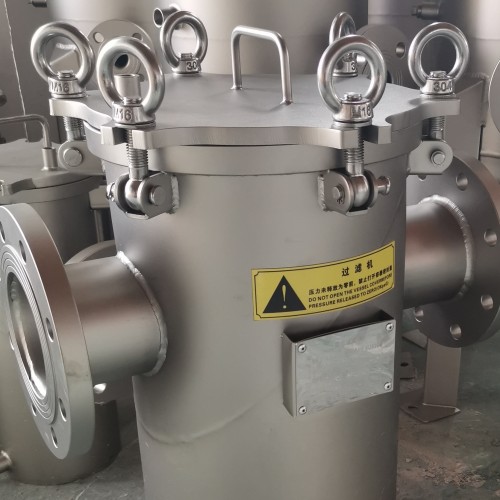
Lift check valve performance is governed by fluid dynamics and mechanical engineering principles. Force analysis involves calculating the forces acting on the disc due to fluid pressure, spring force, and gravitational forces. The spring constant is a critical parameter, influencing the crack pressure and responsiveness of the valve. Environmental resistance is paramount; valves exposed to outdoor conditions must withstand temperature fluctuations, UV radiation, and potential corrosion from atmospheric elements. Compliance requirements vary based on the industry. For potable water applications, valves must comply with NSF/ANSI 61, ensuring they do not leach harmful contaminants into the water supply. In oil and gas, API 6A standards dictate requirements for wellhead equipment, including check valves, focusing on pressure containment and reliability. Functional implementation necessitates careful consideration of flow rate, pressure drop, and fluid viscosity. Valve sizing must account for potential cavitation, which can erode the valve components. Computational Fluid Dynamics (CFD) simulations are frequently used to optimize valve design and predict performance under various operating conditions. Failure analysis often reveals issues stemming from improper sizing leading to excessive velocity or inadequate spring force allowing premature opening.
Technical Specifications
| Parameter | Metric Unit | Typical Value | Testing Standard |
|---|---|---|---|
| Maximum Operating Pressure (PN) | Bar | Up to 420 | ASME B16.34 |
| Temperature Range | °C | -60 to +200 | ASTM E83 |
| Flow Coefficient (Cv) | m³/h | 5 to 500 | ISO 7411-2 |
| Crack Pressure | Bar | 0.05 to 0.5 | Internal Testing |
| Leakage Rate | ml/min | <0.1 | API 598 |
| Material (Body) | - | Stainless Steel 316 | ASTM A240 |
Failure Mode & Maintenance
Common failure modes in lift check valves include fatigue cracking of the spring, erosion of the disc and seat due to abrasive particles in the fluid, corrosion leading to pitting and weakening of valve components, and binding due to debris accumulation. Fatigue cracking is often initiated by cyclic loading and exacerbated by corrosion. Erosion is particularly prevalent in slurry applications. Corrosion can occur due to improper material selection or exposure to aggressive chemicals. Binding can prevent proper seating and lead to backflow. Failure analysis often involves metallographic examination to identify the root cause of cracking or corrosion. Maintenance procedures should include regular inspection of the disc and seat for wear and damage, lubrication of moving parts, and replacement of worn springs. Periodic testing of the valve’s sealing performance is crucial. Preventative maintenance schedules should be based on operating conditions and fluid properties. A common preventative measure is the installation of strainers upstream of the valve to remove abrasive particles. For valves operating in corrosive environments, implementing cathodic protection or applying protective coatings can significantly extend service life. Disassembly and cleaning should follow manufacturer’s guidelines and utilize appropriate safety precautions.
Industry FAQ
Q: What is the impact of fluid viscosity on the performance of a lift check valve?
A: Increased fluid viscosity raises the force required to lift the disc, consequently increasing the crack pressure. This can lead to delayed opening and reduced flow capacity, particularly in high-viscosity applications. Valve selection needs to account for viscosity, and potentially require a larger valve size or a modified spring to ensure proper operation.
Q: How do you select the appropriate material for a lift check valve handling sulfuric acid?
A: Sulfuric acid is highly corrosive. Standard carbon steel is unsuitable. Materials like PTFE-lined carbon steel, Hastelloy B or C, and certain specialized polymers offer excellent resistance. The concentration and temperature of the sulfuric acid are critical factors influencing material selection. A detailed chemical compatibility analysis must be performed.
Q: What are the consequences of cavitation within a lift check valve?
A: Cavitation occurs when pressure drops below the vapor pressure of the fluid, forming bubbles that collapse violently, causing erosion of the disc and seat. This damages the sealing surfaces, leading to leakage and eventual valve failure. Proper valve sizing, minimizing pressure drop, and controlling flow velocity are crucial to prevent cavitation.
Q: What are the key differences between a lift check valve and a swing check valve in terms of pressure drop?
A: Lift check valves typically exhibit lower pressure drop compared to swing check valves, particularly at lower flow rates. Swing check valves rely on the momentum of the fluid to close, creating turbulence and increased pressure loss. Lift check valves offer a more streamlined flow path when open.
Q: How important is the spring material in a lift check valve’s longevity?
A: The spring material is critical. It must exhibit high fatigue strength, corrosion resistance, and maintain its elasticity over time. Stainless steel (316) and Inconel are common choices. Spring failure is a frequent cause of valve malfunction. Regular inspection for corrosion and loss of spring force is vital.
Conclusion
Lift check valves represent a critical safeguard against backflow in a wide range of industrial processes. Their performance is intimately linked to material science, precision manufacturing, and correct engineering application. Careful consideration of fluid properties, operating conditions, and industry-specific compliance standards is essential for ensuring long-term reliability and preventing costly failures. Selecting appropriate materials, adhering to rigorous manufacturing tolerances, and implementing a proactive maintenance program are key to maximizing valve lifespan and minimizing downtime.
Future advancements in lift check valve technology may focus on developing self-cleaning designs to mitigate debris accumulation, utilizing smart materials for adaptive flow control, and employing predictive maintenance techniques based on sensor data and machine learning. These innovations will further enhance the efficiency, reliability, and longevity of these essential fluid handling components.
-
Top Reasons to Choose a Stainless Steel Flange Check Valve for Industrial Applications
-
electric check valve Performance Engineering
-
electric check valves Performance Analysis
-
Threaded Check Valves Performance Analysis
-
6 inch check valve Performance Analysis
-
8 check valve Performance Analysis
-
diaphragm check valve Material Science Manufacturing
-
dual plate check valve Performance Analysis
-
check valve 6 inch Material Science
-
diaphragm check valves Performance Analysis
-
dual plate check valves Performance Analysis
-
vertical check valves Material Science Manufacturing
-
8 check valves Performance Analysis
-
refrigeration check valves Performance Analysis
-
pilot check valve Performance Analysis
 Afrikaans
 Albanian
 Amharic
 Arabic
 Armenian
 Azerbaijani
 Basque
 Belarusian
 Bengali
 Bosnian
 Bulgarian
 Catalan
 Cebuano
 Corsican
 Croatian
 Czech
Czech
 Danish
 Dutch
Dutch
 Esperanto
 Estonian
 Finnish
 French
 Frisian
 Galician
 Georgian
 German
 Greek
Greek
 Gujarati
 Haitian Creole
 Hausa
Hawaiian
Hausa
Hawaiian
 Hebrew
 Hindi
Hindi
 Miao
Miao
 Hungarian
 Icelandic
 Igbo
Igbo
 Indonesian
 Irish
Irish
 Italian
 Japanese
 Javanese
Kannada
Javanese
Kannada
 Kazakh
 Khmer
Khmer
 Rwandese
 Korean
 Kurdish
 Kyrgyz
 Lao
Lao
 Latin
Latin
 Latvian
 Lithuanian
 Luxembourgish
 Macedonian
 Malgashi
 Malay
Malay
 Malayalam
 Maltese
 Maori
Maori
 Marathi
 Mongolian
 Myanmar
 Nepali
 Norwegian
 Norwegian
 Occitan
 Pashto
 Persian
 Polish
 Portuguese
Punjabi
Portuguese
Punjabi
 Romanian
 Russian
 Samoan
 Scottish Gaelic
 Serbian
 Sesotho
 Shona
Shona
 Sindhi
 Sinhala
 Slovak
 Slovenian
 Somali
 Spanish
 Sundanese
 Swahili
 Swedish
Tagalog
Swedish
Tagalog
 Tajik
Tajik
 Tamil
Tamil
 Tatar
Tatar
 Telugu
 Thai
Thai
 Turkish
 Turkmen
 Ukrainian
 Urdu
Urdu
 Uighur
 Uzbek
Uzbek
 Vietnamese
 Welsh
Welsh
 Bantu
Bantu
 Yiddish
 Yoruba
 Zulu
Zulu
 English