




butterfly check valve Performance Analysis
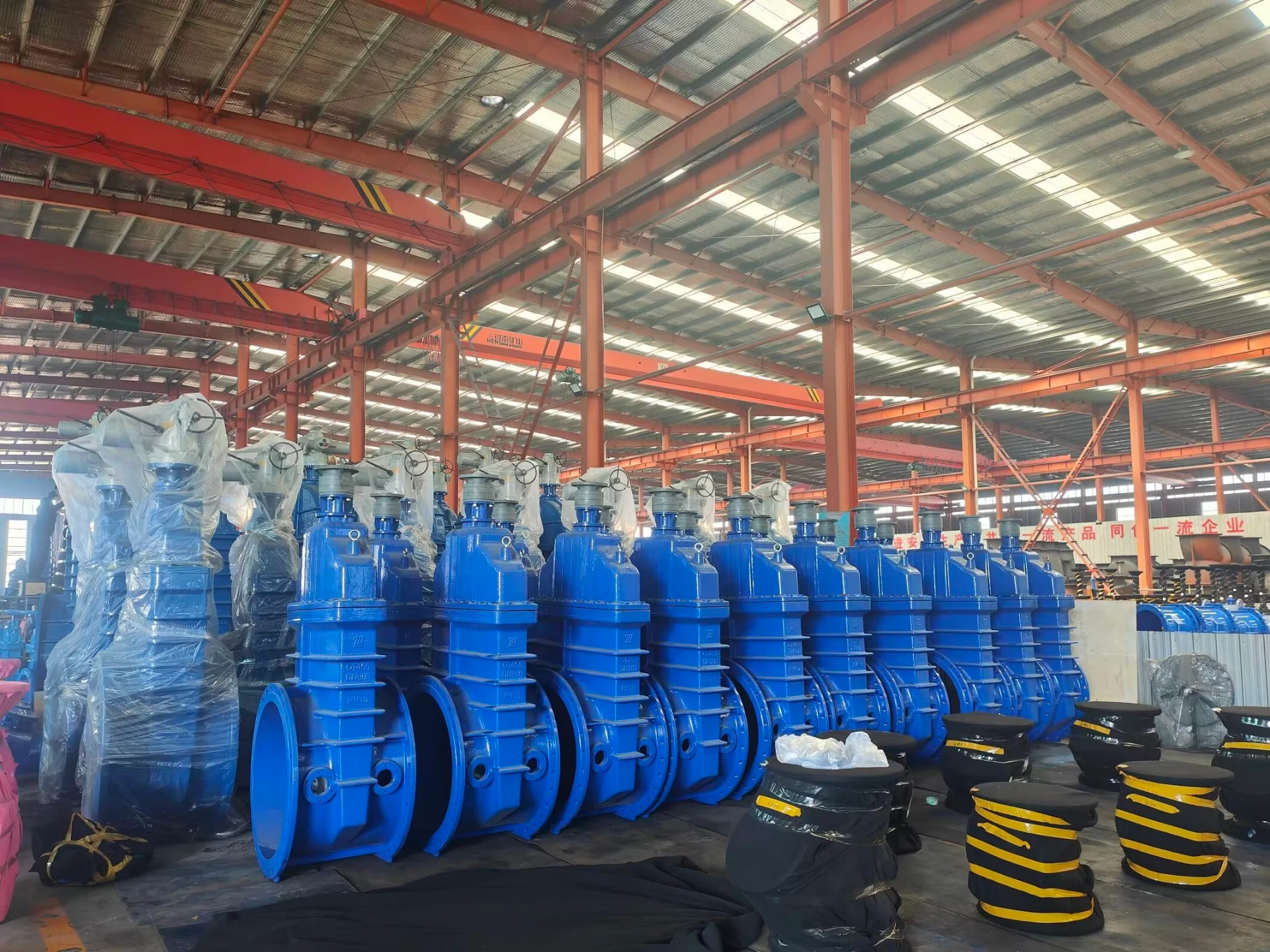
Introduction
The butterfly check valve is a unidirectional flow control device vital to numerous industrial processes across sectors including water treatment, chemical processing, power generation, and oil & gas. Positioned within the broader valve technology landscape, it functions as a passive check mechanism, preventing backflow without manual intervention. Unlike other check valve designs (swing, lift), the butterfly check valve utilizes a disc hinged on a rotating shaft, offering a compact footprint, lower pressure drop, and relative ease of maintenance. Core performance characteristics revolve around sealing efficiency, flow capacity (Cv), pressure rating, and resistance to the transported fluid's chemical and thermal properties. The rising demand for efficient and reliable fluid handling systems drives continuous innovation in butterfly check valve design, focusing on material selection, sealing technology, and integration with automated control systems. The primary industry pain point revolves around minimizing leakage, especially in critical applications demanding stringent containment, and extending service life in harsh operating environments.
Material Science & Manufacturing
Butterfly check valves are constructed from a range of materials selected to suit the process fluid and operating conditions. Common body materials include ductile iron (ASTM A536-83), stainless steel (304/316 – ASTM A240), and various alloys (e.g., Hastelloy) for highly corrosive environments. The disc itself is typically fabricated from the same material as the body, though specialized polymers (PTFE, EPDM) are often used as facing materials to enhance sealing. The shaft is commonly stainless steel (304/316) to resist corrosion and provide durability. Manufacturing typically begins with casting or forging the valve body. Ductile iron requires careful control of graphite morphology during casting to achieve adequate strength and ductility. Stainless steel bodies are often formed through investment casting or machining from solid bar stock. The disc is produced through machining or stamping, followed by facing with the chosen elastomer. Critical manufacturing parameters include dimensional accuracy of the disc and seat interface, surface finish to minimize friction, and proper heat treatment to relieve stress and enhance material properties. Welding processes (SMAW, GTAW) are employed for joining components, requiring qualified welders and adherence to AWS D1.1 standards. Quality control involves non-destructive testing (NDT) such as radiographic inspection, liquid penetrant testing, and hydrostatic testing to verify integrity and leak tightness.
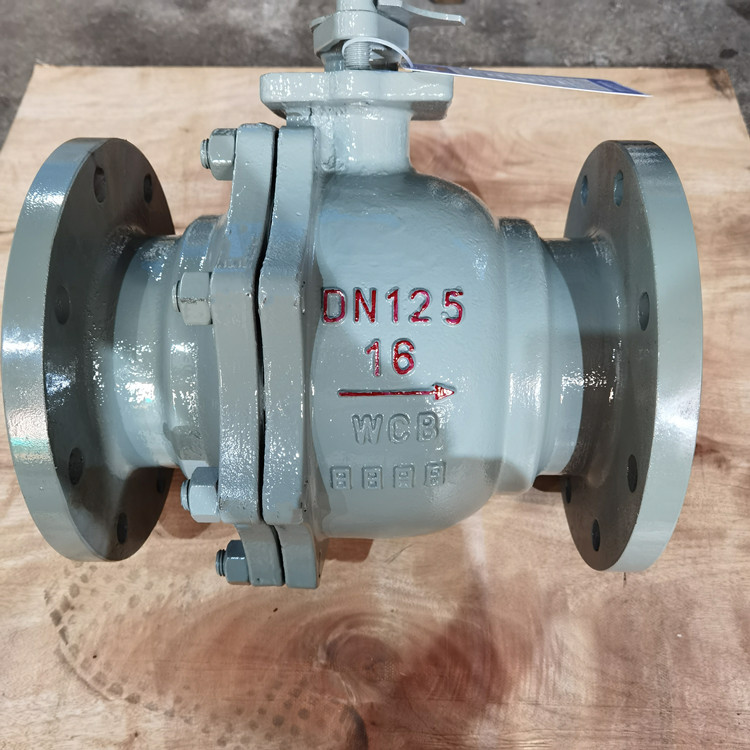
Performance & Engineering
The performance of a butterfly check valve is dictated by its hydraulic characteristics and mechanical integrity. Force analysis focuses on the forces exerted by the flow on the disc and the resulting torque on the hinge pin. These forces are dependent on flow rate, fluid density, and valve size. Engineers must ensure the hinge pin and shaft are adequately sized to withstand these forces and prevent failure. Environmental resistance is crucial, particularly concerning corrosion, erosion, and temperature fluctuations. Material selection plays a vital role; for example, stainless steel alloys are preferred for seawater applications due to their superior corrosion resistance. Compliance requirements vary based on the industry and application. For potable water systems, valves must comply with NSF/ANSI 61 standards to ensure they do not leach harmful contaminants. For oil and gas applications, API 598 dictates testing procedures and acceptable leakage rates. Functional implementation involves proper valve sizing to accommodate the expected flow range and pressure drop. The cracking pressure (the differential pressure required to open the valve) is a critical parameter, and must be carefully considered to prevent unwanted opening or closure. Furthermore, the valve’s ability to withstand water hammer and other transient pressure events must be evaluated during system design.
Technical Specifications
| Parameter | Units | Typical Range (Ductile Iron Body) | Typical Range (Stainless Steel Body) |
|---|---|---|---|
| Valve Size | inches | 2 – 48 | 2 – 24 |
| Pressure Rating | psi | 125 – 250 | 150 – 600 |
| Temperature Range | °F | -20 to 300 | -20 to 500 |
| Leakage Rate | % of set flow | ≤ 0.1 | ≤ 0.05 |
| Cv (Flow Coefficient) | gallons per minute per psi | 50 – 5000 | 50 – 3000 |
| Material (Body) | - | Ductile Iron (ASTM A536-83) | Stainless Steel (304/316 – ASTM A240) |
Failure Mode & Maintenance
Butterfly check valves are susceptible to several failure modes. Fatigue cracking can occur in the disc or hinge pin due to cyclic loading. This is exacerbated by improper material selection or manufacturing defects. Delamination of the seat material (e.g., EPDM) can lead to leakage, especially in applications involving abrasive fluids. Degradation of elastomers due to chemical attack or UV exposure can also compromise sealing performance. Cavitation erosion can occur if the valve is subjected to high velocity flow and low pressure, leading to pitting and eventual failure of the disc. Oxidation of the body material (particularly ductile iron) can reduce its strength and corrosion resistance. Preventative maintenance includes regular inspection of the disc and seat for wear or damage, lubrication of the hinge pin, and testing for leakage. For severely corroded valves, replacement of the entire unit is often necessary. Scheduled maintenance intervals should be based on the severity of the operating environment and the valve’s service history. Proper storage is vital; valves should be stored in a dry, protected environment to prevent corrosion and degradation. When replacing parts, it is crucial to use OEM-approved components to ensure compatibility and performance.
Industry FAQ
Q: What are the primary advantages of a butterfly check valve over a swing check valve in a high-flow, low-headloss application?
A: Butterfly check valves generally exhibit a significantly lower pressure drop compared to swing check valves, particularly in larger line sizes. The streamlined disc design minimizes flow restriction, reducing energy consumption and improving system efficiency. Swing check valves, with their hinged disc, create more turbulence and flow disturbance. Furthermore, butterfly check valves typically have a more compact footprint, making them suitable for installations with limited space.
Q: How do you select the appropriate elastomer material for the valve seat given the process fluid is a concentrated sulfuric acid solution?
A: Concentrated sulfuric acid is a highly corrosive substance. Standard elastomers like EPDM or Buna-N are unsuitable and will rapidly degrade. PTFE (Teflon) is a common choice due to its exceptional chemical resistance, however, its inherent creep characteristics must be considered. PFA (Perfluoroalkoxy) offers superior creep resistance compared to PTFE but is more expensive. Alternatively, specialized fluoropolymers tailored for sulfuric acid service may be required, demanding thorough materials compatibility testing before implementation.
Q: What impact does the installation orientation (horizontal vs. vertical) have on the performance and longevity of a butterfly check valve?
A: While butterfly check valves can be installed in either orientation, vertical installations are generally preferred, particularly for applications where solids are present in the fluid stream. In horizontal installations, solids can accumulate beneath the disc, hindering its ability to fully close and potentially causing jamming. Vertical installations allow gravity to assist in flushing out solids. However, in vertical applications, ensure adequate support is provided to prevent stress on the valve body.
Q: What are the typical failure modes observed in butterfly check valves operating in slurry service, and how can these be mitigated?
A: In slurry service, abrasive wear on the disc and seat is a primary failure mode. Erosion caused by high-velocity particles can quickly degrade the sealing surfaces, leading to leakage. Another common issue is the buildup of solids within the valve body, preventing full closure and causing jamming. Mitigation strategies include selecting wear-resistant materials (e.g., hardened stainless steel, ceramic coatings), implementing regular flushing procedures, and considering the use of a full-port butterfly check valve to minimize flow restriction and solids accumulation.
Q: What Non-Destructive Testing (NDT) methods are recommended during the manufacturing and commissioning of a critical butterfly check valve intended for a high-pressure gas pipeline?
A: For critical applications like high-pressure gas pipelines, a comprehensive NDT program is essential. Recommended methods include Radiographic Testing (RT) to detect internal flaws in the valve body and welds; Liquid Penetrant Testing (PT) to identify surface cracks; Magnetic Particle Testing (MT) to detect surface and near-surface defects in ferromagnetic materials; and Hydrostatic Testing to verify the valve’s pressure integrity and leak tightness. Ultrasonic Testing (UT) can also be used for weld inspection and thickness measurement. All NDT should be performed by certified personnel according to established industry standards (e.g., ASME Section V).
Conclusion
The butterfly check valve represents a robust and efficient solution for unidirectional flow control in a wide array of industrial applications. Its comparatively simple design, coupled with the availability of diverse materials and manufacturing techniques, enables optimization for specific process requirements. However, understanding the potential failure modes – ranging from fatigue cracking and elastomer degradation to erosion and corrosion – is paramount for ensuring long-term reliability and minimizing downtime.
Effective selection hinges on a thorough evaluation of the process fluid, operating conditions, and applicable industry standards. Proactive maintenance, including regular inspection and timely replacement of worn components, is crucial for maximizing service life and maintaining optimal performance. Future development will likely focus on enhancing sealing technology, incorporating smart sensors for condition monitoring, and further reducing pressure drop through optimized disc designs and flow paths.
-
Top Reasons to Choose a Stainless Steel Flange Check Valve for Industrial Applications
-
check valves high pressure Performance Analysis
-
check valves low pressure Performance Analysis
-
High Pressure Check Valves Performance Analysis
-
low pressure check valves Performance Analysis
-
6 check valve Performance Analysis
-
stainless steel check valves Performance Analysis
-
check valve 6 Performance Analysis
-
check valve stainless steel Performance Analysis
-
6 in check valve Performance Engineering
-
6 check valves Performance Analysis
-
12 inch check valve Performance Analysis
-
lift check valves Performance Engineering
-
check valve 12 inch Performance Analysis
-
stop check valve Performance Analysis
 Afrikaans
 Albanian
 Amharic
 Arabic
 Armenian
 Azerbaijani
 Basque
 Belarusian
 Bengali
 Bosnian
 Bulgarian
 Catalan
 Cebuano
 Corsican
 Croatian
 Czech
Czech
 Danish
 Dutch
Dutch
 Esperanto
 Estonian
 Finnish
 French
 Frisian
 Galician
 Georgian
 German
 Greek
Greek
 Gujarati
 Haitian Creole
 Hausa
Hawaiian
Hausa
Hawaiian
 Hebrew
 Hindi
Hindi
 Miao
Miao
 Hungarian
 Icelandic
 Igbo
Igbo
 Indonesian
 Irish
Irish
 Italian
 Japanese
 Javanese
Kannada
Javanese
Kannada
 Kazakh
 Khmer
Khmer
 Rwandese
 Korean
 Kurdish
 Kyrgyz
 Lao
Lao
 Latin
Latin
 Latvian
 Lithuanian
 Luxembourgish
 Macedonian
 Malgashi
 Malay
Malay
 Malayalam
 Maltese
 Maori
Maori
 Marathi
 Mongolian
 Myanmar
 Nepali
 Norwegian
 Norwegian
 Occitan
 Pashto
 Persian
 Polish
 Portuguese
Punjabi
Portuguese
Punjabi
 Romanian
 Russian
 Samoan
 Scottish Gaelic
 Serbian
 Sesotho
 Shona
Shona
 Sindhi
 Sinhala
 Slovak
 Slovenian
 Somali
 Spanish
 Sundanese
 Swahili
 Swedish
Tagalog
Swedish
Tagalog
 Tajik
Tajik
 Tamil
Tamil
 Tatar
Tatar
 Telugu
 Thai
Thai
 Turkish
 Turkmen
 Ukrainian
 Urdu
Urdu
 Uighur
 Uzbek
Uzbek
 Vietnamese
 Welsh
Welsh
 Bantu
Bantu
 Yiddish
 Yoruba
 Zulu
Zulu
 English