




cast iron ball valve Performance Analysis
Introduction
Cast iron ball valves are quarter-turn valves utilizing a hollow, perforated and pivoting ball to control fluid flow. Positioned within the industrial fluid handling chain, they represent a robust and cost-effective solution for on/off service, typically employed in applications where tight shut-off is crucial but throttling is not required. Their construction using cast iron distinguishes them as suited for lower-pressure, non-corrosive applications. Core performance characteristics include flow capacity (Cv), pressure drop, sealing capability, and operational torque. A key industry pain point is the susceptibility of cast iron to corrosion and potential for graphitic wormhole defects impacting structural integrity, demanding careful material selection and protective coatings.
Material Science & Manufacturing
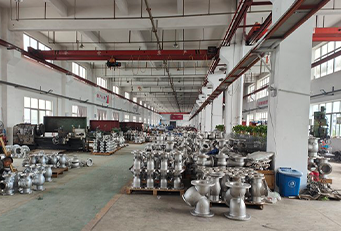
The primary material for cast iron ball valves is gray cast iron, typically ASTM A126 Class B. Gray cast iron's mechanical properties are defined by its graphite flake structure, providing good machinability but relatively low tensile strength (typically 20-30 ksi). The graphite also contributes to damping characteristics, reducing noise and vibration. Ductile cast iron (ASTM A536) offers improved ductility and impact resistance, and may be specified for higher stress applications. Manufacturing involves several key steps: pattern making, mold creation (sand casting is prevalent), metal melting and pouring, fettling (removing excess material), machining (ball, valve body, and seats), surface treatment (epoxy coating, fusion bonded epoxy (FBE), or galvanizing to enhance corrosion resistance), and final assembly. Critical parameters during pouring include melt temperature (1200-1350°C), cooling rate (controlled to minimize stress), and alloy composition verification to ensure adherence to specified ASTM standards. The ball itself is typically precision-machined from a solid billet of cast iron, requiring tight tolerance control (±0.025mm) for proper sealing against the valve seats. Seat materials are often reinforced PTFE or other polymers selected for chemical compatibility and low friction.
Performance & Engineering
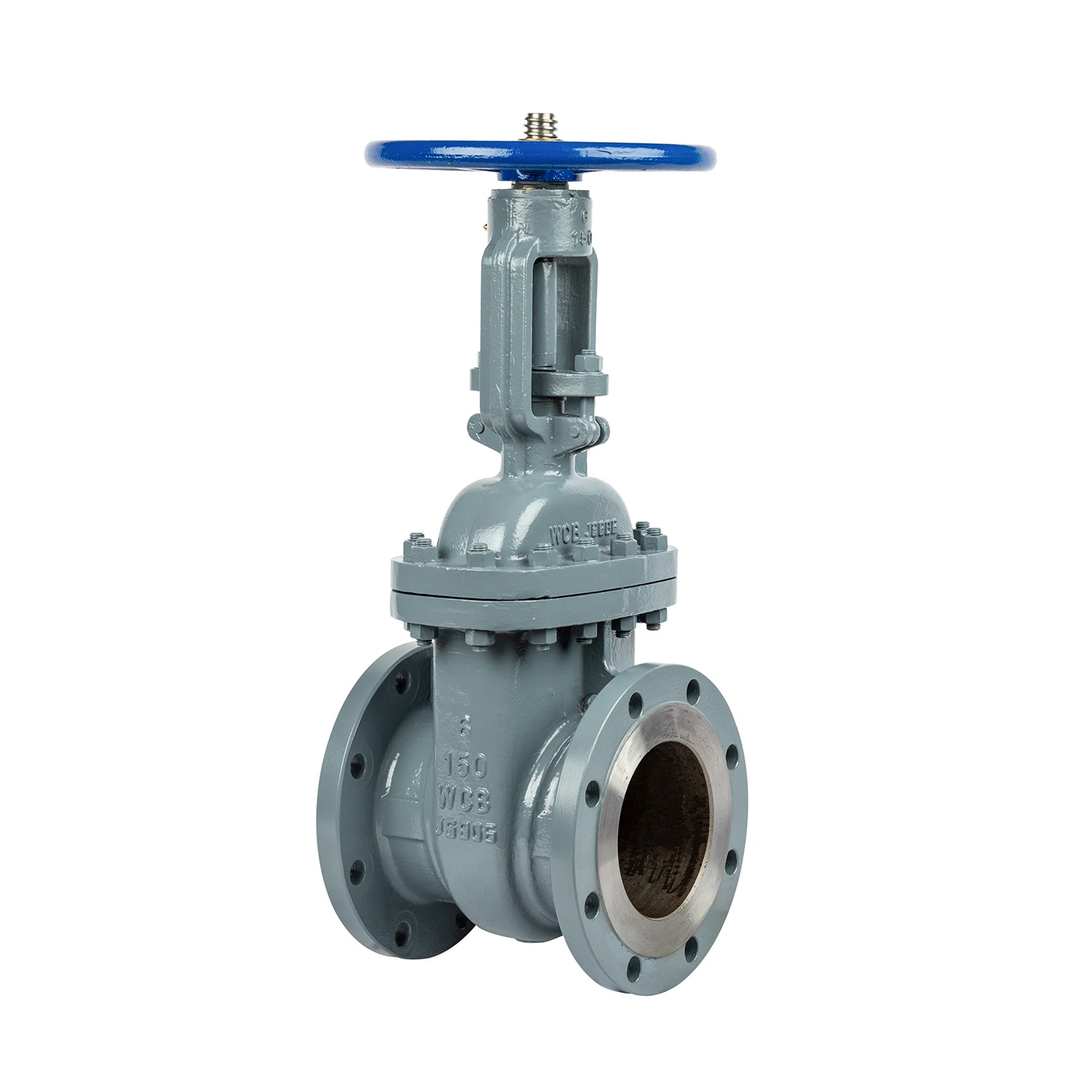
Cast iron ball valve performance is heavily influenced by pressure-temperature ratings and fluid compatibility. Force analysis centers on the torque required to operate the ball, determined by stem packing friction, seat friction, and fluid pressure acting on the ball surface. Higher pressures necessitate increased torque, potentially requiring gearbox assistance. Environmental resistance is a significant concern; cast iron is susceptible to corrosion in humid environments or when exposed to corrosive fluids. Protective coatings are vital. Compliance requirements vary by region and application, often governed by API 6D (for general valve standards), MSS SP-81 (for pressure testing), and relevant regional pressure equipment directives (PED in Europe). The valve's sealing capability is characterized by its leakage class, typically specified according to ANSI/FCI 70-2 or EN 12266-1. Proper stem packing and seat material selection are critical to achieving the required leakage rates. Failure analysis frequently reveals leakage originating from seat deformation or wear, or from corrosion attacking the valve body leading to crack propagation. Furthermore, finite element analysis (FEA) is utilized during the design phase to optimize valve body geometry for stress distribution and prevent failure under maximum operating pressure.
Technical Specifications
| Parameter | Unit | Typical Value (Class 125) | Typical Value (Class 250) |
|---|---|---|---|
| Maximum Operating Pressure | psi | 125 | 250 |
| Temperature Range | °F | -20 to 250 | -20 to 350 |
| Valve Size (DN) | mm | 15 - 300 | 50 - 600 |
| Cv (Flow Coefficient) | gpm | 2 - 200 | 5 - 400 |
| Connection Type | - | Screwed, Flanged | Flanged, Welded |
| Seat Material | - | Reinforced PTFE | Reinforced PTFE, RPTFE |
Failure Mode & Maintenance
Common failure modes in cast iron ball valves include: 1) Corrosion leading to body wall thinning and potential rupture. This is exacerbated by exposure to corrosive fluids or environments. Mitigation involves appropriate coatings and material selection. 2) Seat deformation or wear resulting in leakage. This can occur due to abrasive particles in the fluid stream or excessive operating torque. Regular inspection and seat replacement are necessary. 3) Fatigue cracking originating from stress concentrations around the valve body or stem threads. Proper torque control during installation and operation is critical. 4) Graphitic wormhole defects within the cast iron material itself, leading to sudden catastrophic failure under pressure. Non-destructive testing (NDT) such as ultrasonic testing can detect these defects. Maintenance procedures involve regular visual inspection for corrosion, leakage testing, lubrication of stem packing, and periodic disassembly for component replacement. Preventative maintenance schedules should be established based on operating conditions and fluid characteristics. The application of corrosion inhibitors in the fluid stream can also extend valve life. When replacing seats, ensure compatibility with the process fluid and follow manufacturer’s torque specifications during installation.
Industry FAQ
Q: What are the primary limitations of using a cast iron ball valve in a highly corrosive environment?
A: Cast iron is inherently susceptible to corrosion, particularly in acidic or saline environments. While coatings like epoxy or galvanizing provide some protection, they can be compromised over time. The primary limitations are the potential for body wall thinning, leakage paths forming due to corrosion pitting, and eventual valve failure. Alternative materials like stainless steel or alloy 20 are recommended for highly corrosive services.
Q: How does the operating temperature affect the performance and lifespan of a cast iron ball valve?
A: Elevated temperatures can reduce the strength and ductility of cast iron, increasing the risk of cracking and deformation. Higher temperatures can also accelerate corrosion rates. The valve's seat material (typically PTFE) has a maximum operating temperature limit; exceeding this limit can lead to seat degradation and leakage. Lower temperatures can cause the cast iron to become brittle, increasing susceptibility to impact damage.
Q: What are the key considerations when selecting a seat material for a cast iron ball valve handling abrasive fluids?
A: Abrasive fluids can rapidly wear down conventional seat materials like PTFE. Reinforced PTFE seats, incorporating fillers like glass fiber or carbon, offer improved abrasion resistance. Materials like PEEK (Polyether ether ketone) are also suitable for highly abrasive services. The hardness and coefficient of friction of the seat material are crucial factors. Regular seat replacement is essential when handling abrasive fluids.
Q: What is the recommended torque range for operating a cast iron ball valve, and how do you prevent over-torquing?
A: Recommended torque ranges are specified by the valve manufacturer and vary based on valve size, pressure, and fluid characteristics. Over-torquing can damage the stem threads, distort the ball, or compromise the seat sealing. Utilizing a calibrated torque wrench is crucial. Gear operators can provide mechanical advantage and prevent exceeding the maximum allowable torque. Lubricating the stem threads also reduces torque requirements.
Q: What non-destructive testing (NDT) methods are commonly used to assess the integrity of a cast iron ball valve body?
A: Common NDT methods include: Visual Inspection (VT) to detect surface cracks and corrosion; Ultrasonic Testing (UT) to identify internal flaws like graphitic wormholes or voids; Magnetic Particle Inspection (MT) to detect surface and near-surface cracks; and Radiographic Testing (RT) to reveal internal defects. Liquid Penetrant Inspection (PT) is also used for detecting surface-breaking defects.
Conclusion
Cast iron ball valves represent a cost-effective solution for on/off fluid control in low to medium-pressure, non-corrosive applications. Their performance is fundamentally governed by the material properties of the cast iron, the precision of manufacturing processes, and the effectiveness of corrosion protection measures. Understanding potential failure modes – corrosion, seat wear, and fatigue cracking – is critical for implementing preventative maintenance strategies.
Proper material selection, adherence to relevant industry standards, and meticulous installation and operation are paramount to maximizing the lifespan and reliability of these valves. Continued advancements in coating technologies and non-destructive testing methods will further enhance the durability and safety of cast iron ball valve applications.
-
Top Reasons to Choose a Stainless Steel Flange Check Valve for Industrial Applications
-
12 inch check valve Performance Analysis
-
lift check valves Performance Engineering
-
check valve 12 inch Performance Analysis
-
stop check valve Performance Analysis
-
check stop valve Performance Analysis
-
stop check valves Performance Analysis
-
pilot operated check valve Performance Analysis
-
spring loaded check valve Material Science Manufacturing
-
pilot operated check valves Performance Analysis
-
check valve pilot operated Performance Analysis
-
1 4 in check valve Performance Engineering
-
check valve 3 4 Performance Analysis
-
11 2 check valve Performance Analysis
-
spring check valve Material Science Manufacturing
 Afrikaans
 Albanian
 Amharic
 Arabic
 Armenian
 Azerbaijani
 Basque
 Belarusian
 Bengali
 Bosnian
 Bulgarian
 Catalan
 Cebuano
 Corsican
 Croatian
 Czech
Czech
 Danish
 Dutch
Dutch
 Esperanto
 Estonian
 Finnish
 French
 Frisian
 Galician
 Georgian
 German
 Greek
Greek
 Gujarati
 Haitian Creole
 Hausa
Hawaiian
Hausa
Hawaiian
 Hebrew
 Hindi
Hindi
 Miao
Miao
 Hungarian
 Icelandic
 Igbo
Igbo
 Indonesian
 Irish
Irish
 Italian
 Japanese
 Javanese
Kannada
Javanese
Kannada
 Kazakh
 Khmer
Khmer
 Rwandese
 Korean
 Kurdish
 Kyrgyz
 Lao
Lao
 Latin
Latin
 Latvian
 Lithuanian
 Luxembourgish
 Macedonian
 Malgashi
 Malay
Malay
 Malayalam
 Maltese
 Maori
Maori
 Marathi
 Mongolian
 Myanmar
 Nepali
 Norwegian
 Norwegian
 Occitan
 Pashto
 Persian
 Polish
 Portuguese
Punjabi
Portuguese
Punjabi
 Romanian
 Russian
 Samoan
 Scottish Gaelic
 Serbian
 Sesotho
 Shona
Shona
 Sindhi
 Sinhala
 Slovak
 Slovenian
 Somali
 Spanish
 Sundanese
 Swahili
 Swedish
Tagalog
Swedish
Tagalog
 Tajik
Tajik
 Tamil
Tamil
 Tatar
Tatar
 Telugu
 Thai
Thai
 Turkish
 Turkmen
 Ukrainian
 Urdu
Urdu
 Uighur
 Uzbek
Uzbek
 Vietnamese
 Welsh
Welsh
 Bantu
Bantu
 Yiddish
 Yoruba
 Zulu
Zulu
 English