




ductile iron gate valve Performance Engineering
Introduction
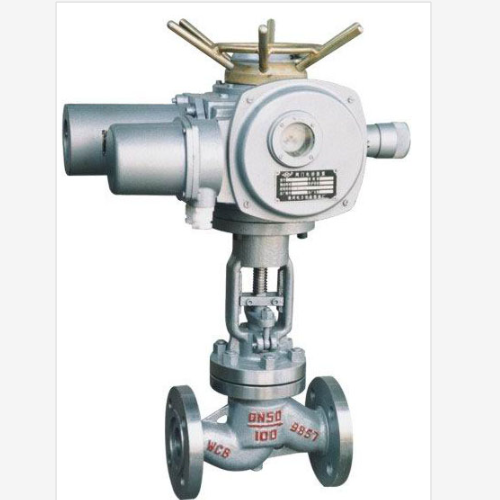
Ductile iron gate valves are a critical component in fluid handling systems across numerous industries, including water and wastewater treatment, oil and gas, and general industrial processing. Positioned as a linear control valve, they regulate flow by introducing a gate (wedge or disc) into the flow path. Their primary function is on/off service, though limited throttling is possible. Ductile iron, specifically ASTM A536 Grade 65-45-12, offers a superior combination of strength, ductility, and corrosion resistance compared to traditional grey iron, making it the preferred material for valve bodies in demanding applications. Core performance characteristics include robust sealing capabilities, minimal pressure drop in the fully open position, and reliable operation under varying temperature and pressure conditions. This guide provides an in-depth technical overview of ductile iron gate valves, covering material science, manufacturing processes, performance engineering, failure modes, and relevant industry standards.
Material Science & Manufacturing
The core material for ductile iron gate valves is, unsurprisingly, ductile iron. Ductile iron’s properties stem from the addition of magnesium during the ironmaking process, which causes graphite to form into spheroids rather than flakes as in gray iron. These spheroids significantly enhance tensile strength (typically 40-60ksi for ASTM A536 Grade 65-45-12), yield strength (typically 25-40ksi), and impact resistance. Chemical composition includes carbon (3.0-3.6%), silicon (1.8-3.2%), manganese (0.2-1.0%), phosphorus (0.02-0.08%), sulfur (0.01-0.03%), and magnesium (0.03-0.08%). The valve body is commonly produced using sand casting. This process involves creating a mold from sand, pouring molten ductile iron into the cavity, and allowing it to solidify. Critical parameters during casting include melt temperature (typically 1350-1400°C), pouring rate, and cooling rate. Post-casting processes include shot blasting for surface cleaning, heat treatment to relieve residual stresses, and machining to achieve precise dimensions for the valve seat and stem guide. Gate materials are often bronze (e.g., ASTM B584 Alloy C83600) or stainless steel (e.g., 316/316L) chosen for their corrosion resistance and wear properties. Sealing materials commonly include EPDM, NBR, or PTFE depending on the fluid being controlled and temperature requirements. Welding, primarily shielded metal arc welding (SMAW) or submerged arc welding (SAW), is used for joining components like flanges and extensions, requiring careful control of welding parameters to maintain the integrity of the ductile iron’s metallurgical structure and avoid cracking.
Performance & Engineering
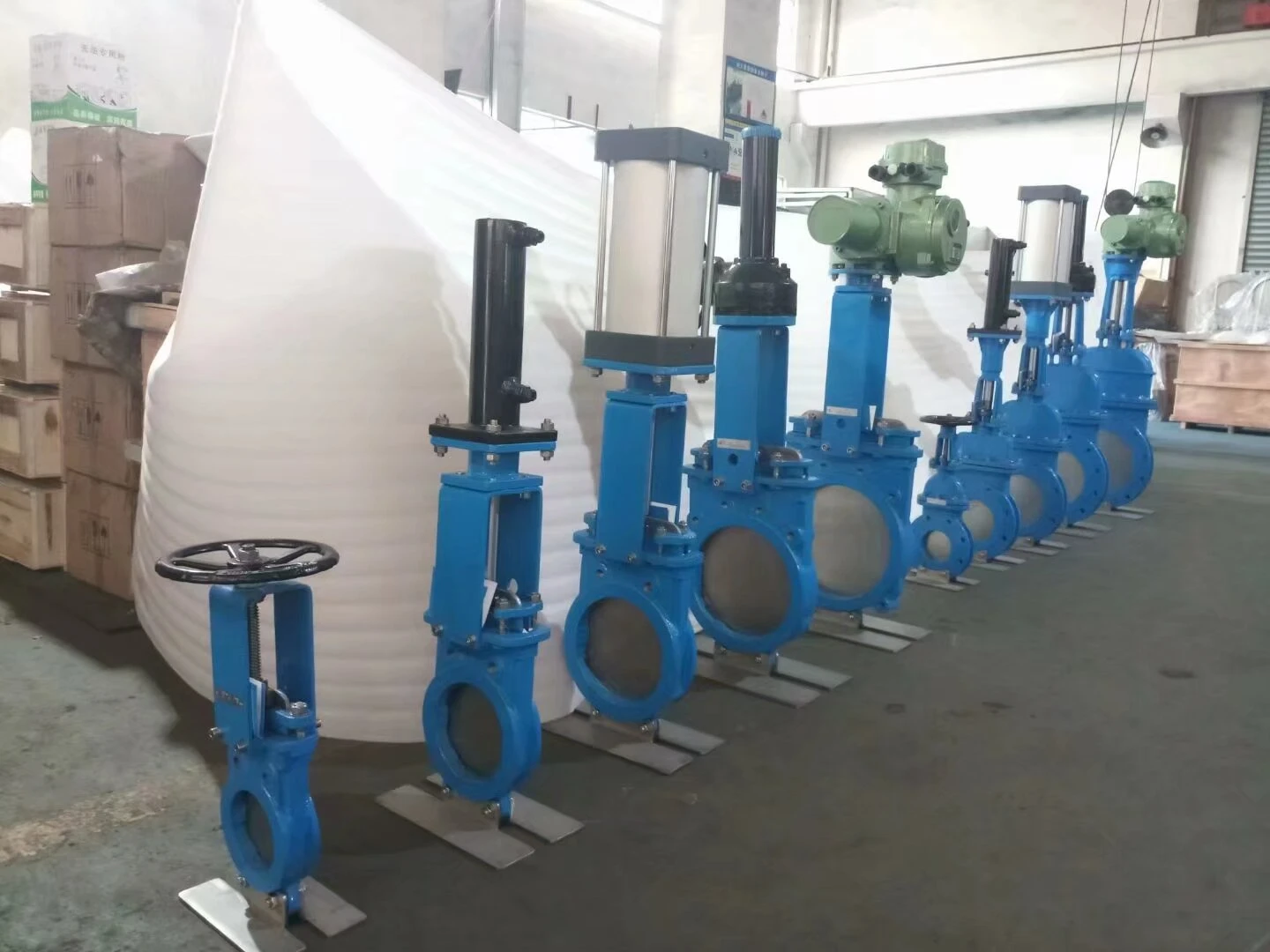
Performance of a ductile iron gate valve is fundamentally governed by pressure-temperature ratings, flow coefficients (Cv), and sealing efficiency. Force analysis is crucial during design, especially concerning the pressure exerted by the fluid on the gate and the resulting stresses in the valve body. Finite Element Analysis (FEA) is routinely employed to optimize the geometry and wall thickness of the valve body to withstand these stresses. Environmental resistance is paramount; ductile iron itself offers good corrosion resistance, but external coatings, such as epoxy or fusion-bonded epoxy (FBE), are frequently applied for enhanced protection in corrosive environments. Compliance requirements vary by region and application. For potable water systems, valves must meet NSF/ANSI 61 standards for lead content and material safety. For oil and gas applications, API 600 and API 6D standards dictate design, manufacturing, and testing procedures. Gate valve actuation can be manual (handwheel), pneumatic, hydraulic, or electric, each demanding specific engineering considerations. Pneumatic actuators require compressed air supply and control systems, while electric actuators necessitate proper motor sizing and electrical safety features. Leakage class, typically designated as Class VI according to ANSI/FCI 70-2, defines the allowable leakage rate, impacting the choice of sealing materials and surface finish. The valve’s stem design, incorporating features like packing glands and stem guides, directly impacts sealing performance and reduces fugitive emissions.
Technical Specifications
| Parameter | Standard Specification (Typical) | Unit | Notes |
|---|---|---|---|
| Body Material | ASTM A536 Grade 65-45-12 | - | Commonly used for its strength and ductility |
| Gate Material | Bronze (C83600) or Stainless Steel (316/316L) | - | Selected for corrosion resistance |
| Pressure Rating | 125, 250, 600 | psi | Determines maximum operating pressure |
| Temperature Range | -29 to 121 | °C | Based on sealing material compatibility |
| Connection Type | Flanged (ANSI/ASME B16.1), Threaded (ANSI/ASME B1.20.1) | - | Dictated by system requirements |
| Leakage Class | ANSI/FCI 70-2 Class VI | - | Bubble-tight shutoff |
Failure Mode & Maintenance
Common failure modes in ductile iron gate valves include: 1) Corrosion - particularly in aggressive environments, leading to pitting and eventual failure of the valve body. Mitigation involves protective coatings and material selection. 2) Erosion - caused by abrasive particles in the fluid stream, damaging the gate and seating surfaces. Hardfacing or using erosion-resistant materials can address this. 3) Fatigue cracking - resulting from cyclical loading, often occurring around the stem or gate. Proper stress analysis and quality control during manufacturing are essential. 4) Sealing failure – caused by wear, damage, or incompatibility of the sealing material leading to leakage. Regular inspection and replacement of packing/seals is critical. 5) Gate binding - due to debris accumulation or distortion of the gate or valve body, impeding smooth operation. Regular lubrication and cleaning are key. Maintenance routines should include periodic inspection of the valve body for corrosion, checking packing gland tightness to prevent leakage, lubricating the stem, and exercising the valve to prevent binding. Non-destructive testing (NDT) methods, such as ultrasonic testing (UT) and liquid penetrant testing (PT), can be used to detect internal cracks or flaws. In the event of significant corrosion or cracking, complete valve replacement is often necessary. Proper storage of spare parts and a preventative maintenance schedule are crucial for ensuring long-term reliability.
Industry FAQ
Q: What is the advantage of ductile iron over grey iron for gate valve bodies?
A: Ductile iron possesses significantly higher tensile strength, yield strength, and impact resistance compared to grey iron due to the spheroidal graphite morphology. This enhanced mechanical performance makes ductile iron valves more robust and reliable, particularly in applications with high pressure fluctuations or potential for shock loading. Grey iron is prone to brittle fracture, while ductile iron exhibits greater ductility.
Q: How do you select the appropriate sealing material for a specific application?
A: Sealing material selection depends primarily on the fluid being controlled and the operating temperature. EPDM is commonly used for water applications due to its excellent resistance to water and weathering. NBR is suitable for oil-based fluids, while PTFE provides broad chemical compatibility and high-temperature resistance. Consideration must also be given to the pressure rating and potential for abrasive particles.
Q: What are the key considerations when specifying a gate valve for a corrosive environment?
A: Selecting a corrosion-resistant body material is paramount. Ductile iron with a fusion-bonded epoxy (FBE) coating provides excellent protection. The gate material should also be corrosion-resistant, such as bronze or stainless steel. Consider using a sacrificial anode to protect the valve body from galvanic corrosion if dissimilar metals are present in the system.
Q: What is the significance of the leakage class specified for a gate valve?
A: The leakage class defines the maximum allowable leakage rate across the valve seat when it's in the closed position. A lower leakage class (e.g., Class VI) indicates a tighter shutoff and minimal leakage, crucial for applications where fluid loss or contamination is unacceptable. Higher leakage classes permit a greater degree of leakage.
Q: How often should the packing gland of a gate valve be inspected and tightened?
A: The packing gland should be inspected regularly – typically every 3-6 months, depending on the severity of the service and the frequency of valve operation. Tighten the gland just enough to stop any visible leakage, avoiding overtightening, which can damage the stem or packing. Replace the packing if it becomes worn or ineffective.
Conclusion
Ductile iron gate valves represent a robust and reliable solution for flow control in a diverse range of industrial applications. Their superior mechanical properties, coupled with the availability of corrosion-resistant materials and coatings, ensure long-term performance and minimize lifecycle costs. Understanding the material science, manufacturing processes, and performance characteristics outlined in this guide is critical for specifying and maintaining these valves effectively.
Looking ahead, advancements in valve design and materials, such as the development of more resilient elastomers and improved coating technologies, will further enhance the performance and longevity of ductile iron gate valves. Proactive maintenance programs, incorporating regular inspections and timely component replacements, remain essential for maximizing reliability and preventing costly downtime. Continued adherence to industry standards and best practices is paramount for ensuring safe and efficient operation.
-
Top Reasons to Choose a Stainless Steel Flange Check Valve for Industrial Applications
-
2 threaded flange Performance Analysis
-
4 ball valve flanged Performance Analysis
-
90 degree flange elbow Performance Analysis
-
Custom Flanges Performance Analysis
-
DN40 Flange Performance Analysis
-
double flange butterfly valve Performance Analysis
-
Double Flanged Couplings Performance Analysis
-
double flanged butterfly valves Material Science
-
forged flange Performance Analysis
-
forging flange Material Science
-
forging flanges Material Performance
-
Round Flange Performance Analysis
-
Round Flanges Performance Analysis
-
Custom Flange Performance Analysis
 Afrikaans
 Albanian
 Amharic
 Arabic
 Armenian
 Azerbaijani
 Basque
 Belarusian
 Bengali
 Bosnian
 Bulgarian
 Catalan
 Cebuano
 Corsican
 Croatian
 Czech
Czech
 Danish
 Dutch
Dutch
 Esperanto
 Estonian
 Finnish
 French
 Frisian
 Galician
 Georgian
 German
 Greek
Greek
 Gujarati
 Haitian Creole
 Hausa
Hawaiian
Hausa
Hawaiian
 Hebrew
 Hindi
Hindi
 Miao
Miao
 Hungarian
 Icelandic
 Igbo
Igbo
 Indonesian
 Irish
Irish
 Italian
 Japanese
 Javanese
Kannada
Javanese
Kannada
 Kazakh
 Khmer
Khmer
 Rwandese
 Korean
 Kurdish
 Kyrgyz
 Lao
Lao
 Latin
Latin
 Latvian
 Lithuanian
 Luxembourgish
 Macedonian
 Malgashi
 Malay
Malay
 Malayalam
 Maltese
 Maori
Maori
 Marathi
 Mongolian
 Myanmar
 Nepali
 Norwegian
 Norwegian
 Occitan
 Pashto
 Persian
 Polish
 Portuguese
Punjabi
Portuguese
Punjabi
 Romanian
 Russian
 Samoan
 Scottish Gaelic
 Serbian
 Sesotho
 Shona
Shona
 Sindhi
 Sinhala
 Slovak
 Slovenian
 Somali
 Spanish
 Sundanese
 Swahili
 Swedish
Tagalog
Swedish
Tagalog
 Tajik
Tajik
 Tamil
Tamil
 Tatar
Tatar
 Telugu
 Thai
Thai
 Turkish
 Turkmen
 Ukrainian
 Urdu
Urdu
 Uighur
 Uzbek
Uzbek
 Vietnamese
 Welsh
Welsh
 Bantu
Bantu
 Yiddish
 Yoruba
 Zulu
Zulu
 English