




cast iron gate valve Performance Analysis
Introduction
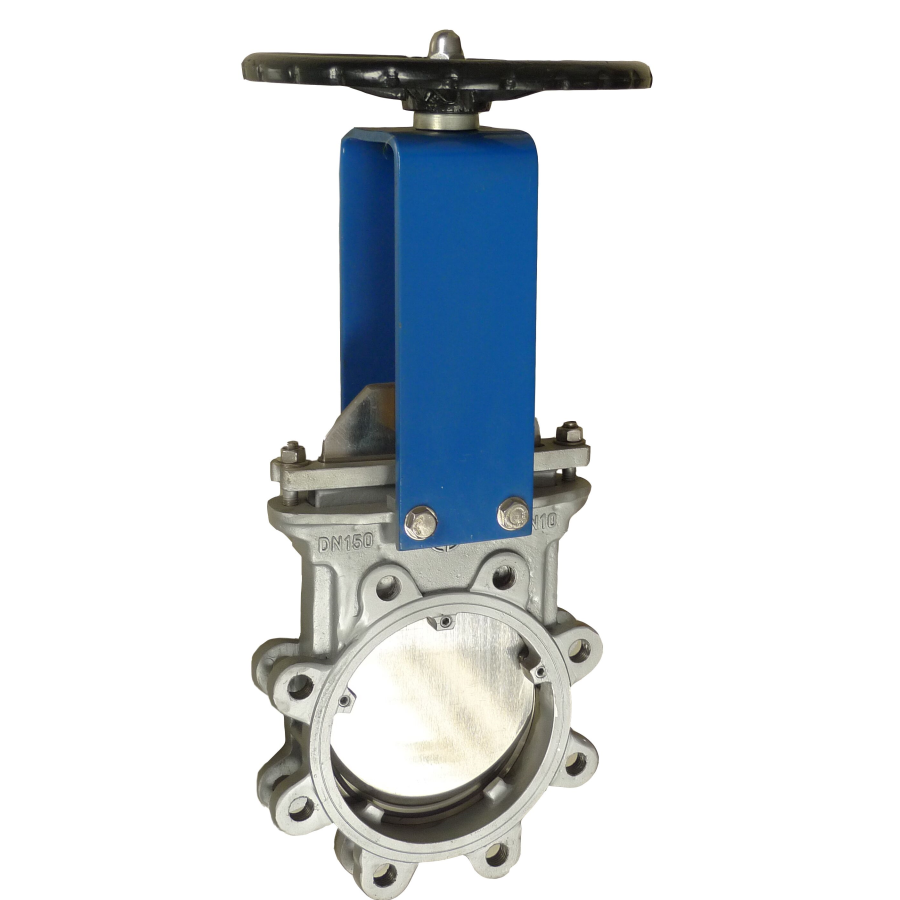
Cast iron gate valves are linear motion valves utilized to start and stop flow in pipeline systems. Primarily employed in water, sewage, and low-pressure gas applications, they represent a mature technology within the fluid handling industry. Their function hinges on a gate, typically a flat disc, sliding perpendicular to the fluid flow path. While facing increasing competition from more advanced valve technologies like ball valves and butterfly valves, cast iron gate valves remain cost-effective for large diameter, infrequent operation applications where tight shut-off is not paramount. The core performance characteristics center around flow capacity, pressure retention, and corrosion resistance, influenced heavily by the cast iron composition and internal coating specifications. A key industry pain point lies in balancing cost with long-term corrosion mitigation and preventing catastrophic failures due to material degradation and improper maintenance.
Material Science & Manufacturing
The primary material for cast iron gate valves is gray cast iron, conforming to ASTM A126 Class B or equivalent standards (e.g., BS EN 1561). Gray cast iron is chosen for its excellent castability, vibration damping, and relatively low cost. Its composition typically includes 2.5-4.0% carbon, 1.2-2.5% silicon, 0.3-1.0% manganese, and 0.1-0.8% phosphorus and sulfur. The high carbon content forms graphite flakes, contributing to the material’s machinability but also its brittleness and lower tensile strength compared to ductile iron. Manufacturing involves creating a pattern representing the valve body, which is then used to form a mold in sand. Molten cast iron is poured into the mold, allowed to cool and solidify, and subsequently undergoes fettling (removal of excess material), machining, and coating. Critical process parameters include melt temperature, cooling rate, and the composition of the sand mold. Coating, typically epoxy or fusion bonded epoxy (FBE), is crucial to enhance corrosion resistance. Gate fabrication often utilizes bronze or stainless steel to provide a sealing surface resistant to wear and corrosion. Wedge gates require precise machining to ensure leak-tight closure, and the stem threads are meticulously formed to guarantee smooth operation. Welding processes are used for joining various components; quality control focuses on weld integrity through non-destructive testing (NDT) like radiographic and ultrasonic inspection.
Performance & Engineering
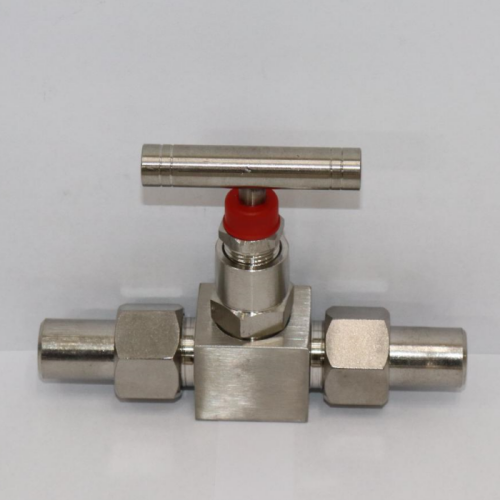
The performance of cast iron gate valves is dictated by several engineering principles. Force analysis focuses on the pressure exerted by the fluid on the gate and body, requiring robust structural design to prevent deformation or failure. The valve’s pressure rating (e.g., 125 PSI, 250 PSI) is determined through hydrostatic testing, ensuring it can withstand the maximum allowable operating pressure. Environmental resistance is a major concern, particularly in corrosive environments. The choice of coating material significantly impacts the valve’s lifespan in such applications. Compliance requirements vary by region and application. For potable water systems, valves must comply with NSF/ANSI 61 standards to ensure they do not leach harmful contaminants into the water supply. For sewage applications, compliance with local regulations regarding odor control and leakage prevention is essential. Functional implementation requires proper sizing of the valve to match the pipeline diameter and flow rate. Incorrect sizing can lead to excessive pressure drop or cavitation. Stem packing material (typically graphite-based) must be selected to prevent leakage around the stem while allowing for smooth operation. Consideration of thermal expansion and contraction of the valve components is also crucial to prevent binding or stress cracking.
Technical Specifications
| Parameter | Typical Value (Standard Grade) | High-Performance Grade | Units |
|---|---|---|---|
| Body Material | ASTM A126 Class B Gray Cast Iron | ASTM A536 65-45-12 Ductile Iron | - |
| Pressure Rating | 125 PSI | 250 PSI | PSI |
| Operating Temperature | -20°C to 80°C | -20°C to 120°C | °C |
| Connection Type | Flanged (ANSI B16.1) | Flanged (ANSI B16.1), Threaded | - |
| Gate Material | Bronze Alloy (85-5-5-5) | Stainless Steel (316) | - |
| Coating | Epoxy Coating (100 μm) | Fusion Bonded Epoxy (FBE) (200 μm) | μm |
Failure Mode & Maintenance
Cast iron gate valves are susceptible to several failure modes. Corrosion is a primary concern, leading to pitting, erosion, and eventual valve failure. Graphite corrosion, a specific issue with gray cast iron, occurs in chloride-rich environments. Fatigue cracking can occur in the valve body or stem due to cyclic loading and repeated operation. Erosion can damage the gate and seating surfaces, causing leakage. Deformation of the valve body can occur under high pressure or extreme temperatures. Oxidation of the cast iron surface can lead to scaling and reduced corrosion resistance. Maintenance is crucial to mitigate these failures. Regular inspection should include visual examination for signs of corrosion, leakage, and damage. Lubrication of the stem threads is essential for smooth operation. Periodic testing of the valve’s sealing capability should be performed. For valves operating in corrosive environments, regular recoating may be necessary. In the event of a leak, the gate and seating surfaces should be inspected and potentially re-machined or replaced. Complete valve replacement may be required if the body is severely corroded or cracked. Proper storage of valves prior to installation is also important to prevent corrosion from moisture exposure.
Industry FAQ
Q: What is the primary difference between a wedge gate valve and a parallel disc gate valve in terms of sealing capability?
A: Wedge gate valves utilize a wedge-shaped disc that tightly presses against the valve seats, providing a superior sealing capability, particularly for applications requiring bubble-tight shut-off. Parallel disc gate valves, on the other hand, employ a flat disc that slides parallel to the seats. While simpler in design, they typically exhibit a higher leakage rate compared to wedge gate valves, making them suitable for applications where minor leakage is acceptable.
Q: How does the choice of coating impact the longevity of a cast iron gate valve in a wastewater treatment plant?
A: The coating is arguably the most crucial factor influencing longevity in wastewater treatment plants. Standard epoxy coatings offer moderate protection, but fusion bonded epoxy (FBE) provides significantly enhanced resistance to the highly corrosive chemicals and biological activity present in wastewater. FBE coatings create a pinhole-free barrier, preventing corrosion and extending the valve’s lifespan considerably.
Q: What are the limitations of using cast iron gate valves with abrasive media, such as slurry containing sand or grit?
A: Cast iron, being a relatively brittle material, is susceptible to abrasive wear. Slurries containing abrasive particles can erode the gate and seating surfaces, leading to leakage and eventual valve failure. While specialized gate valve designs with hardened gate materials are available for abrasive service, they are generally more expensive. For highly abrasive applications, alternative valve types like knife gate valves are often preferred.
Q: What considerations should be made regarding stem packing when selecting a cast iron gate valve for high-temperature service?
A: Standard graphite-based stem packing may not be suitable for prolonged exposure to high temperatures. Elevated temperatures can cause the packing to degrade and lose its sealing capability. For high-temperature applications, specialized packing materials such as PTFE (Teflon) or high-temperature graphite with inhibitors are recommended. It is also crucial to ensure proper packing gland adjustment to maintain adequate compression without excessive friction.
Q: What NDT (Non-Destructive Testing) methods are commonly employed during the manufacturing of cast iron gate valves to ensure quality?
A: Radiographic testing (RT) is commonly used to detect internal flaws, such as porosity or cracks, in the valve body and weld seams. Ultrasonic testing (UT) is another valuable NDT method for detecting subsurface defects. Liquid penetrant testing (PT) is used to identify surface cracks and discontinuities. Magnetic particle testing (MT) is employed for detecting surface and near-surface flaws in ferromagnetic materials. These NDT methods ensure that the valve meets the required quality standards and can withstand the intended operating conditions.
Conclusion
Cast iron gate valves, while facing challenges from newer technologies, remain a viable and cost-effective solution for specific applications, particularly in large-diameter, infrequent operation scenarios. Their performance hinges on the careful selection of materials, precise manufacturing processes, and appropriate protective coatings. Understanding the potential failure modes – primarily corrosion and erosion – and implementing a robust maintenance program are crucial for maximizing service life and ensuring reliable operation. The ongoing development of improved coatings and gate materials continues to enhance the performance and durability of these valves.
Future trends will likely focus on optimizing valve designs for improved flow efficiency and reduced weight. The integration of smart valve technology, including remote monitoring and diagnostic capabilities, will also become increasingly prevalent, allowing for proactive maintenance and preventing catastrophic failures. While cast iron may eventually be superseded by more advanced materials in certain applications, its inherent cost-effectiveness and established track record will ensure its continued relevance in the fluid handling industry for years to come.
-
Top Reasons to Choose a Stainless Steel Flange Check Valve for Industrial Applications
-
1 4 in check valve Performance Engineering
-
check valve 3 4 Performance Analysis
-
11 2 check valve Performance Analysis
-
spring check valve Material Science Manufacturing
-
DN100 Flange Performance Analysis
-
DN50 Flange Performance Analysis
-
double flanged butterfly valve Performance Analysis
-
forged flanges Performance Analysis
-
4 blind flange Performance Engineering
-
3 flanged ball valve Performance Analysis
-
2 threaded flange Performance Analysis
-
4 ball valve flanged Performance Analysis
-
90 degree flange elbow Performance Analysis
-
Custom Flanges Performance Analysis
 Afrikaans
 Albanian
 Amharic
 Arabic
 Armenian
 Azerbaijani
 Basque
 Belarusian
 Bengali
 Bosnian
 Bulgarian
 Catalan
 Cebuano
 Corsican
 Croatian
 Czech
Czech
 Danish
 Dutch
Dutch
 Esperanto
 Estonian
 Finnish
 French
 Frisian
 Galician
 Georgian
 German
 Greek
Greek
 Gujarati
 Haitian Creole
 Hausa
Hawaiian
Hausa
Hawaiian
 Hebrew
 Hindi
Hindi
 Miao
Miao
 Hungarian
 Icelandic
 Igbo
Igbo
 Indonesian
 Irish
Irish
 Italian
 Japanese
 Javanese
Kannada
Javanese
Kannada
 Kazakh
 Khmer
Khmer
 Rwandese
 Korean
 Kurdish
 Kyrgyz
 Lao
Lao
 Latin
Latin
 Latvian
 Lithuanian
 Luxembourgish
 Macedonian
 Malgashi
 Malay
Malay
 Malayalam
 Maltese
 Maori
Maori
 Marathi
 Mongolian
 Myanmar
 Nepali
 Norwegian
 Norwegian
 Occitan
 Pashto
 Persian
 Polish
 Portuguese
Punjabi
Portuguese
Punjabi
 Romanian
 Russian
 Samoan
 Scottish Gaelic
 Serbian
 Sesotho
 Shona
Shona
 Sindhi
 Sinhala
 Slovak
 Slovenian
 Somali
 Spanish
 Sundanese
 Swahili
 Swedish
Tagalog
Swedish
Tagalog
 Tajik
Tajik
 Tamil
Tamil
 Tatar
Tatar
 Telugu
 Thai
Thai
 Turkish
 Turkmen
 Ukrainian
 Urdu
Urdu
 Uighur
 Uzbek
Uzbek
 Vietnamese
 Welsh
Welsh
 Bantu
Bantu
 Yiddish
 Yoruba
 Zulu
Zulu
 English