




water gate valve Material Science Manufacturing
Introduction
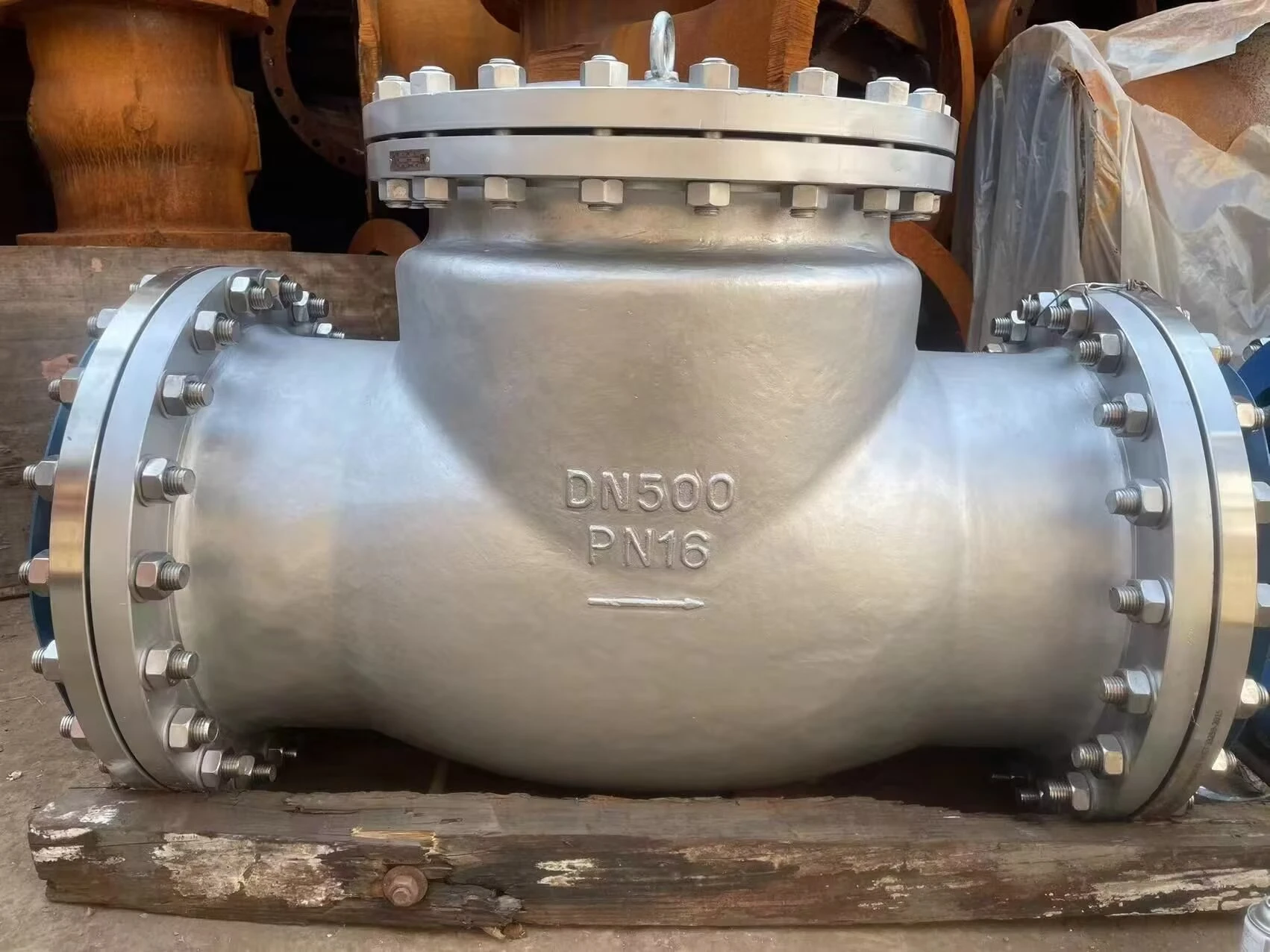
Water gate valves are linear motion valves used to start or stop the flow of water within a pipeline. Positioned within the water distribution network, they function as isolation valves, enabling maintenance or repair of sections without complete system shutdown. Unlike other valve types (e.g., ball valves, butterfly valves), gate valves are not ideally suited for throttling flow due to potential erosion of the gate and seat. Their primary role is on/off service. Core performance characteristics are defined by pressure rating, flow coefficient (Cv), seat leakage rate, and material compatibility with the conveyed water and environmental conditions. The industry faces challenges related to maintaining sealing integrity over extended operational periods, minimizing pressure drop when fully open, and mitigating corrosion in diverse water chemistries. Modern gate valve design focuses on resilient seat materials and improved gate guidance to address these issues.
Material Science & Manufacturing
The body of a water gate valve is commonly constructed from cast iron (ASTM A126 Grade B), ductile iron (ASTM A536 Grade 65-45-12), or stainless steel (304/316). Cast iron provides cost-effectiveness but is susceptible to corrosion; epoxy coating is often applied as a protective layer. Ductile iron offers superior strength and ductility compared to cast iron, enhancing resistance to pressure fluctuations and mechanical shock. Stainless steel provides the highest corrosion resistance, suitable for potable water and aggressive chemical environments. The gate itself is typically made from bronze (B584), stainless steel, or coated cast iron. Seat materials frequently include EPDM, NBR, or PTFE, selected for their compatibility with water and ability to create a tight seal. Manufacturing processes involve casting the body, machining critical surfaces (gateway, seat), and assembling components. Key parameter control during manufacturing includes precise machining tolerances for the gate and seat to ensure leak-tight closure, consistent coating thickness for corrosion protection, and proper torqueing of bolts during assembly to maintain structural integrity. Welding procedures (for steel valves) must adhere to AWS D1.1 standards to guarantee weld quality. The gate’s surface finish is crucial; a smoother finish minimizes friction and facilitates easier operation. Material certifications, including mill test reports verifying chemical composition and mechanical properties, are essential for quality control.
Performance & Engineering
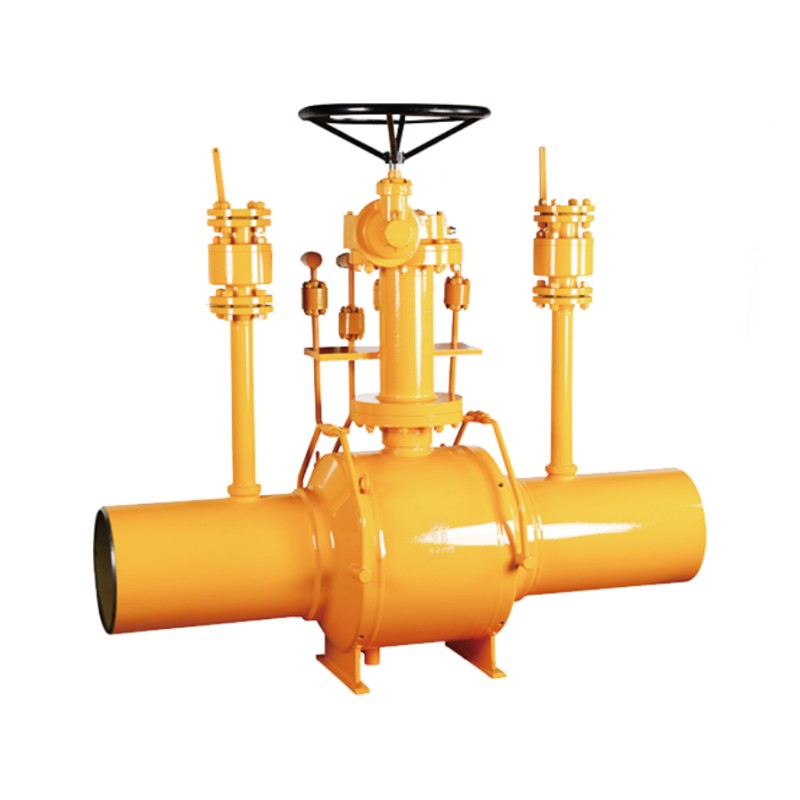
Performance of water gate valves is governed by fluid mechanics principles. The flow coefficient (Cv) quantifies the valve's capacity to pass fluid, dependent on valve size and internal geometry. Force analysis considers hydrostatic forces acting on the gate when fully open, and the force required to overcome friction and actuate the valve stem. Environmental resistance is a crucial factor, with valves subjected to temperature fluctuations, pressure cycling, and potential corrosion. Compliance requirements vary by region and application. Potable water valves must comply with NSF/ANSI 61 standards to ensure they do not leach harmful contaminants into the water supply. Valves used in fire protection systems must meet FM Approvals standards. Pressure testing (API 598) validates the valve’s ability to withstand specified pressure ratings without leakage. Gate valve design incorporates considerations for cavitation and water hammer. Sufficient gate lift and flow area minimize cavitation risk. Slow valve closure and the use of dampeners mitigate water hammer effects. Stem packing design ensures a leak-proof seal around the valve stem, preventing fugitive emissions. Proper lubrication of the stem threads reduces actuation force and extends valve life. The selection of appropriate materials for the valve body and trim is based on the water chemistry and operating temperature to prevent corrosion and erosion.
Technical Specifications
| Parameter | Specification (Common Range) | Testing Standard | Material |
|---|---|---|---|
| Pressure Rating (PSI) | 125 - 300 | API 598 | Ductile Iron/Stainless Steel |
| Valve Size (Inches) | 2 - 48 | MSS SP-61 | Various |
| Connection Type | Flanged (ANSI B16.1), Threaded (ANSI B1.20.1) | ANSI Standards | Valve Body Material |
| Seat Leakage Rate (mL/min/m) | 0.1 – 0.5 (Class VI) | API 598 | EPDM, NBR, PTFE |
| Actuation Type | Handwheel, Gear Operator, Actuator (Electric/Pneumatic) | Manufacturer Specifications | Steel/Cast Iron |
| Operating Temperature (°F) | 20 - 250 (depending on seat material) | Manufacturer Specifications | Valve Body & Seal Material |
Failure Mode & Maintenance
Common failure modes in water gate valves include seat erosion due to particulate matter in the fluid, corrosion of the valve body and gate, stem packing failure leading to leakage, and gate sticking or binding. Fatigue cracking can occur in the gate or stem under cyclic loading. Delamination of epoxy coatings exposes the underlying metal to corrosion. Oxidation of stainless steel components can occur in high-temperature or corrosive environments. Failure analysis often reveals root causes related to improper installation, inadequate maintenance, or material defects. Preventive maintenance includes regular inspection of the valve body for corrosion, lubrication of the stem threads, replacement of worn stem packing, and exercising the valve (fully opening and closing) to prevent sticking. If seat leakage is detected, the seat may require replacement. In cases of severe corrosion, the entire valve may need to be replaced. Non-destructive testing (NDT) methods, such as ultrasonic testing and liquid penetrant inspection, can detect cracks and other defects. Regular monitoring of valve operation and maintenance records allows for proactive identification and mitigation of potential failures. Following manufacturer’s recommended maintenance schedules is crucial for maximizing valve lifespan and ensuring reliable performance.
Industry FAQ
Q: What are the primary differences between a resilient seat gate valve and a metal-seated gate valve in a potable water application?
A: Resilient seat gate valves (RSGVs) utilize elastomeric seats (EPDM, NBR) providing bubble-tight shutoff and are preferred for potable water to prevent contamination. They typically exhibit lower torque requirements for operation. Metal-seated gate valves are more robust and suitable for high-temperature/high-pressure applications but may not achieve the same level of leak tightness and are less common in potable water systems due to potential metallic taste transfer. RSGVs are more susceptible to degradation from chlorine and other water treatment chemicals, requiring periodic seat replacement.
Q: How does the valve’s body material impact its suitability for different water chemistries?
A: Cast iron bodies are vulnerable to corrosion in acidic or saline water. Ductile iron offers improved corrosion resistance but can still corrode. Stainless steel (304/316) provides superior resistance to most water chemistries, including those with high chloride content. Proper coating (e.g., epoxy) can significantly extend the lifespan of cast iron and ductile iron valves. Selection must consider the specific water quality parameters at the installation site.
Q: What is the significance of the valve’s ‘Cv’ value?
A: The Cv value represents the valve’s flow coefficient, indicating its capacity to pass fluid. A higher Cv value means greater flow capacity. It's crucial for sizing the valve correctly to ensure adequate flow rate and minimize pressure drop within the system. Improperly sized valves can lead to flow restrictions or excessive turbulence.
Q: What maintenance procedures are recommended to prevent gate sticking?
A: Regular valve exercising (fully opening and closing the valve periodically) is essential. Lubricating the stem threads with an appropriate lubricant prevents corrosion and reduces friction. Inspecting and replacing worn stem packing ensures a proper seal and prevents debris from entering the stem threads. Proper alignment during installation also minimizes the risk of binding.
Q: What standards govern the testing and certification of water gate valves?
A: Key standards include API 598 (valve inspection and testing), MSS SP-61 (pressure test requirements), NSF/ANSI 61 (potable water safety), FM Approvals (fire protection systems), and ANSI/AWWA standards for specific valve types and applications. Compliance with these standards demonstrates adherence to industry best practices and ensures product quality and safety.
Conclusion
Water gate valves remain a critical component in water distribution systems, providing reliable on/off control when properly specified and maintained. Understanding the material science, manufacturing processes, and performance characteristics is crucial for selecting the optimal valve for a given application. Addressing potential failure modes through preventative maintenance and adhering to relevant industry standards are essential for maximizing valve lifespan and minimizing operational costs.
Future trends in gate valve technology focus on developing more durable materials, improving sealing mechanisms, and incorporating smart valve features for remote monitoring and control. The increasing demand for sustainable water management solutions will drive the adoption of valves with lower leakage rates and reduced environmental impact. Continuous innovation in valve design and manufacturing will be critical for meeting the evolving needs of the water industry.
-
Top Reasons to Choose a Stainless Steel Flange Check Valve for Industrial Applications
-
DN50 Flange Performance Analysis
-
double flanged butterfly valve Performance Analysis
-
forged flanges Performance Analysis
-
4 blind flange Performance Engineering
-
3 flanged ball valve Performance Analysis
-
2 threaded flange Performance Analysis
-
4 ball valve flanged Performance Analysis
-
90 degree flange elbow Performance Analysis
-
Custom Flanges Performance Analysis
-
DN40 Flange Performance Analysis
-
double flange butterfly valve Performance Analysis
-
Double Flanged Couplings Performance Analysis
-
double flanged butterfly valves Material Science
-
forged flange Performance Analysis
 Afrikaans
 Albanian
 Amharic
 Arabic
 Armenian
 Azerbaijani
 Basque
 Belarusian
 Bengali
 Bosnian
 Bulgarian
 Catalan
 Cebuano
 Corsican
 Croatian
 Czech
Czech
 Danish
 Dutch
Dutch
 Esperanto
 Estonian
 Finnish
 French
 Frisian
 Galician
 Georgian
 German
 Greek
Greek
 Gujarati
 Haitian Creole
 Hausa
Hawaiian
Hausa
Hawaiian
 Hebrew
 Hindi
Hindi
 Miao
Miao
 Hungarian
 Icelandic
 Igbo
Igbo
 Indonesian
 Irish
Irish
 Italian
 Japanese
 Javanese
Kannada
Javanese
Kannada
 Kazakh
 Khmer
Khmer
 Rwandese
 Korean
 Kurdish
 Kyrgyz
 Lao
Lao
 Latin
Latin
 Latvian
 Lithuanian
 Luxembourgish
 Macedonian
 Malgashi
 Malay
Malay
 Malayalam
 Maltese
 Maori
Maori
 Marathi
 Mongolian
 Myanmar
 Nepali
 Norwegian
 Norwegian
 Occitan
 Pashto
 Persian
 Polish
 Portuguese
Punjabi
Portuguese
Punjabi
 Romanian
 Russian
 Samoan
 Scottish Gaelic
 Serbian
 Sesotho
 Shona
Shona
 Sindhi
 Sinhala
 Slovak
 Slovenian
 Somali
 Spanish
 Sundanese
 Swahili
 Swedish
Tagalog
Swedish
Tagalog
 Tajik
Tajik
 Tamil
Tamil
 Tatar
Tatar
 Telugu
 Thai
Thai
 Turkish
 Turkmen
 Ukrainian
 Urdu
Urdu
 Uighur
 Uzbek
Uzbek
 Vietnamese
 Welsh
Welsh
 Bantu
Bantu
 Yiddish
 Yoruba
 Zulu
Zulu
 English