




brass gate valve Material Science and Manufacturing
Introduction
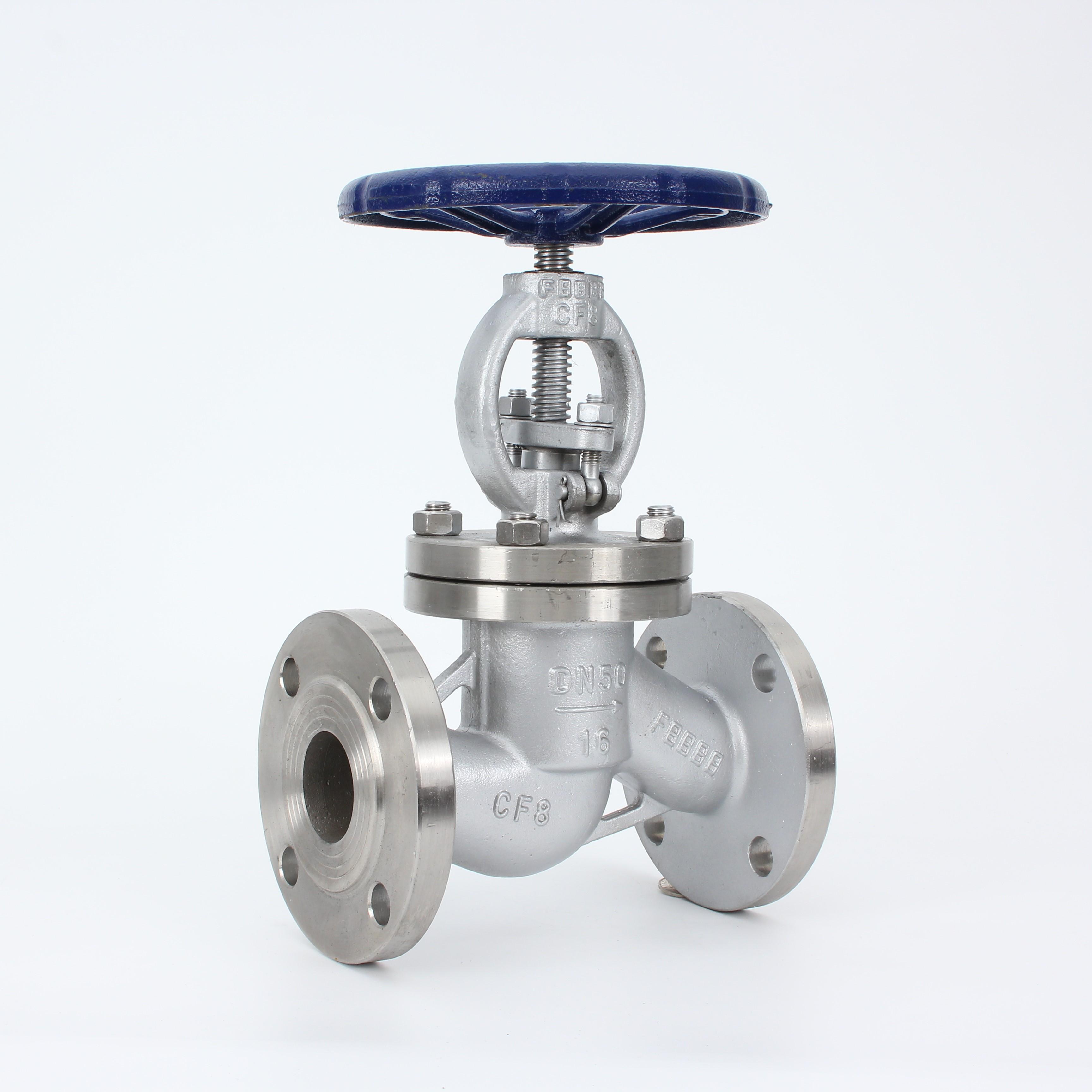
Brass gate valves are critical flow control components utilized extensively across diverse industrial sectors, including water treatment, oil and gas, and HVAC systems. Positioned within the fluid handling chain, these valves regulate flow by employing a gate (wedge) that slides perpendicularly across the flow path. Their primary advantage lies in offering minimal flow restriction when fully open, leading to low pressure drop and making them suitable for applications demanding straight-line flow. Core performance characteristics are defined by their pressure rating, temperature tolerance, and sealing capability, all intrinsically linked to the brass alloy composition and manufacturing precision. Industry pain points center around dezincification corrosion, erosion of the gate, and achieving leak-tight sealing under fluctuating temperatures and pressures, necessitating careful material selection and robust design.
Material Science & Manufacturing
The predominant material for brass gate valve bodies is various brass alloys, most commonly C37700 (also known as naval brass) and C46400. C37700 exhibits excellent corrosion resistance in marine environments due to its zinc content (around 40%), but is susceptible to dezincification in certain water chemistries. C46400 offers superior strength and reduced dezincification risk due to its lower zinc content (around 30%) but may exhibit slightly lower corrosion resistance in specific applications. The gate is often constructed of a similar brass alloy, sometimes with a hardened stainless steel facing for increased wear resistance. Seats are typically made of reinforced PTFE (polytetrafluoroethylene) or other compatible polymers ensuring a tight seal. Manufacturing involves several key processes: casting (typically sand casting or investment casting) to form the valve body, machining to achieve precise dimensions and smooth surface finishes, and forging for components requiring higher strength (e.g., the stem). Critical parameter control includes maintaining tight tolerances on the gate travel path to prevent binding, ensuring proper seat alignment for leak-tight sealing, and employing controlled cooling rates during casting to minimize porosity and stress concentrations. Surface treatments, such as passivation, are used to enhance corrosion resistance. The quality of the brass alloy melt, including careful control of copper, zinc, lead, and other alloying elements, is paramount to mechanical properties and long-term performance.
Performance & Engineering
Performance of brass gate valves is governed by several engineering principles. Force analysis focuses on the torque required to operate the valve, influenced by fluid pressure, gate surface area, and stem friction. High pressures require robust stem designs to prevent bending or fracture. Environmental resistance is crucial; exposure to corrosive fluids necessitates alloy selection optimized for the specific chemistry. Temperature variations cause thermal expansion and contraction of the valve body and gate, requiring engineered clearances to maintain proper sealing. Compliance requirements, dictated by standards such as NSF/ANSI 61 (for potable water systems) and API 623 (for control valves), mandate specific material compositions and performance testing. Functional implementation relies on proper valve sizing to match flow requirements, minimizing cavitation and erosion. Gate travel is typically linear, although some designs employ rising or non-rising stem configurations. Pressure-temperature ratings are determined based on hydrostatic shell testing and validated through finite element analysis (FEA) to identify stress concentrations. The design must account for the effects of water hammer and fluid transients, potentially incorporating damping mechanisms to mitigate shock loading.
Technical Specifications
| Parameter | Unit | Typical Value (C37700 Body) | Typical Value (C46400 Body) |
|---|---|---|---|
| Maximum Operating Pressure | psi | 200 | 250 |
| Temperature Range | °F | -20 to 250 | -20 to 300 |
| Connection Type | - | NPT, Sweat, Flanged | NPT, Sweat, Flanged |
| Gate Material | - | C37700, Stainless Steel Faced | C46400, Stainless Steel Faced |
| Seat Material | - | Reinforced PTFE | Reinforced PTFE |
| Dezincification Resistance | ASTM B487 Rating | 4 (Moderate) | 1 (Excellent) |
Failure Mode & Maintenance
Common failure modes in brass gate valves include dezincification corrosion, particularly in C37700 alloys exposed to specific water chemistries, leading to gradual material loss and eventual leakage. Erosion of the gate and seats occurs due to high-velocity fluid flow containing abrasive particles, causing wear and impacting sealing performance. Fatigue cracking can develop in the stem or body due to cyclic loading from repeated operation. Oxidation, especially at elevated temperatures, can lead to weakening of the brass alloy. Leakage past the stem packing is another frequent issue, typically due to worn packing material or improper tightening. Maintenance involves regular inspection for corrosion, erosion, and leakage. Periodic replacement of stem packing is crucial to prevent leaks. Lubrication of the stem threads reduces friction and facilitates smooth operation. For valves exposed to corrosive fluids, cathodic protection may be considered. In case of dezincification, valve replacement is recommended. When erosion is detected, consider installing upstream filters to remove abrasive particles. Preventative maintenance schedules, based on operating conditions and fluid characteristics, are essential to maximizing valve lifespan and reliability.
Industry FAQ
Q: What is the primary difference between a gate valve and a ball valve in terms of flow control?
A: Gate valves offer minimal flow restriction when fully open, resulting in a lower pressure drop, making them suited for straight-line flow applications. Ball valves utilize a rotating ball with a bore, providing quick on/off control but generally exhibiting higher pressure drop even when fully open. Gate valves are less suitable for throttling flow.
Q: How can I mitigate the risk of dezincification in a brass gate valve used in a potable water system?
A: Utilizing a brass alloy with a lower zinc content, such as C46400, significantly reduces the risk. Proper water chemistry control (pH levels, chloride concentration) is crucial. Alternatively, consider epoxy-coated brass valves for an additional barrier against corrosive elements.
Q: What is the recommended maintenance frequency for the stem packing of a brass gate valve?
A: The frequency depends on operating conditions and fluid type. A general guideline is to inspect the packing annually and replace it every 2-3 years, or as needed if leakage is observed. More frequent inspection is required for valves operating under high pressure or temperature.
Q: What factors should be considered when selecting a brass gate valve for a high-temperature application?
A: Ensure the valve’s temperature rating exceeds the maximum operating temperature. Select a brass alloy that maintains its mechanical properties at elevated temperatures (C46400 is generally preferred). Verify the compatibility of the seat material (PTFE) with the fluid at the operating temperature. Consider using a valve with a non-rising stem to minimize thermal expansion effects.
Q: How does the connection type (NPT, Sweat, Flanged) affect the installation and long-term reliability of a brass gate valve?
A: NPT (National Pipe Thread) connections require thread sealant for leak-tightness but can be susceptible to vibration loosening. Sweat connections offer a permanent, leak-free joint but require soldering expertise. Flanged connections provide high strength and ease of disassembly for maintenance but require proper gasket selection and bolt tightening to prevent leakage.
Conclusion
Brass gate valves remain a prevalent and cost-effective solution for flow control across numerous industries. Their selection necessitates a thorough understanding of material properties, manufacturing processes, and potential failure modes. Choosing the correct brass alloy, implementing regular maintenance procedures, and adhering to relevant industry standards are essential for ensuring long-term reliability and preventing costly downtime.
Future developments will likely focus on enhanced corrosion-resistant alloys, improved sealing technologies, and the integration of smart valve functionalities for remote monitoring and control. The continued demand for efficient and reliable flow control solutions will drive ongoing innovation in brass gate valve design and manufacturing.
-
Top Reasons to Choose a Stainless Steel Flange Check Valve for Industrial Applications
-
DN50 Flange Performance Analysis
-
double flanged butterfly valve Performance Analysis
-
forged flanges Performance Analysis
-
4 blind flange Performance Engineering
-
3 flanged ball valve Performance Analysis
-
2 threaded flange Performance Analysis
-
4 ball valve flanged Performance Analysis
-
90 degree flange elbow Performance Analysis
-
Custom Flanges Performance Analysis
-
DN40 Flange Performance Analysis
-
double flange butterfly valve Performance Analysis
-
Double Flanged Couplings Performance Analysis
-
double flanged butterfly valves Material Science
-
forged flange Performance Analysis
 Afrikaans
 Albanian
 Amharic
 Arabic
 Armenian
 Azerbaijani
 Basque
 Belarusian
 Bengali
 Bosnian
 Bulgarian
 Catalan
 Cebuano
 Corsican
 Croatian
 Czech
Czech
 Danish
 Dutch
Dutch
 Esperanto
 Estonian
 Finnish
 French
 Frisian
 Galician
 Georgian
 German
 Greek
Greek
 Gujarati
 Haitian Creole
 Hausa
Hawaiian
Hausa
Hawaiian
 Hebrew
 Hindi
Hindi
 Miao
Miao
 Hungarian
 Icelandic
 Igbo
Igbo
 Indonesian
 Irish
Irish
 Italian
 Japanese
 Javanese
Kannada
Javanese
Kannada
 Kazakh
 Khmer
Khmer
 Rwandese
 Korean
 Kurdish
 Kyrgyz
 Lao
Lao
 Latin
Latin
 Latvian
 Lithuanian
 Luxembourgish
 Macedonian
 Malgashi
 Malay
Malay
 Malayalam
 Maltese
 Maori
Maori
 Marathi
 Mongolian
 Myanmar
 Nepali
 Norwegian
 Norwegian
 Occitan
 Pashto
 Persian
 Polish
 Portuguese
Punjabi
Portuguese
Punjabi
 Romanian
 Russian
 Samoan
 Scottish Gaelic
 Serbian
 Sesotho
 Shona
Shona
 Sindhi
 Sinhala
 Slovak
 Slovenian
 Somali
 Spanish
 Sundanese
 Swahili
 Swedish
Tagalog
Swedish
Tagalog
 Tajik
Tajik
 Tamil
Tamil
 Tatar
Tatar
 Telugu
 Thai
Thai
 Turkish
 Turkmen
 Ukrainian
 Urdu
Urdu
 Uighur
 Uzbek
Uzbek
 Vietnamese
 Welsh
Welsh
 Bantu
Bantu
 Yiddish
 Yoruba
 Zulu
Zulu
 English