




electric gate valve Performance Analysis
Introduction
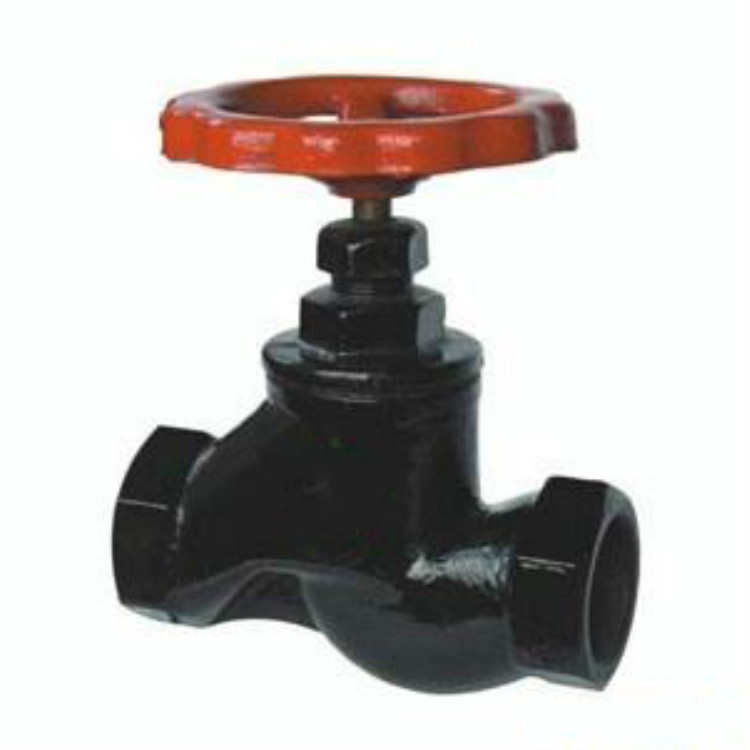
The electric gate valve is a critical flow control device utilized extensively across diverse industrial sectors, including water treatment, oil and gas, chemical processing, and power generation. Functionally, it regulates the flow of liquids, gases, or slurries by employing a gate (or wedge) positioned in the flow path. The 'electric' designation indicates actuation via an electric motor, enabling remote control and automation. Unlike other valve types, the gate valve primarily offers on/off service; throttling applications are generally discouraged due to potential erosion of the gate and seat. Its technical position in the industrial chain resides as a final control element within process systems, responding to signals from programmable logic controllers (PLCs) or distributed control systems (DCS). Core performance characteristics include sealing integrity, operational torque, response time, and the ability to withstand process fluid pressures and temperatures. The increasing demand for process automation and remote monitoring drives the continued adoption of electric gate valves over manually operated counterparts.
Material Science & Manufacturing
Electric gate valves are constructed from a variety of materials depending on the application’s demands. Common body materials include cast iron (ASTM A126 Grade B for general service, offering cost-effectiveness but limited corrosion resistance), ductile iron (ASTM A536 Grade 65-45-12, providing enhanced strength and ductility compared to cast iron), carbon steel (ASTM A105, suitable for high-temperature and high-pressure applications), and stainless steel (304/316, offering superior corrosion resistance in aggressive environments). Gate and wedge materials frequently mirror the body material, with options like 316 stainless steel, alloy 20, or specialized coatings (e.g., PTFE, ceramic) to enhance wear resistance and sealing. Seat materials typically employ elastomers like EPDM, Viton, or PTFE, selected for their chemical compatibility and sealing properties.
Manufacturing involves several key processes. The valve body is often produced via sand casting or investment casting, requiring stringent quality control to ensure dimensional accuracy and freedom from defects like porosity. Machining operations refine critical surfaces like the gateway and seat contact areas. The gate is typically forged or cast, then precisely machined. Assembly involves careful alignment and tightening of all components to achieve leak-free operation. Electric actuators are sourced from specialized manufacturers and integrated onto the valve body, often involving gearboxes to provide the necessary torque. Key parameter control includes dimensional tolerances (±0.1mm for critical sealing surfaces), material certification to verify composition, and non-destructive testing (NDT) such as radiography or ultrasonic testing to detect internal flaws. Welding, where employed, adheres to ASME Section IX standards.
Performance & Engineering
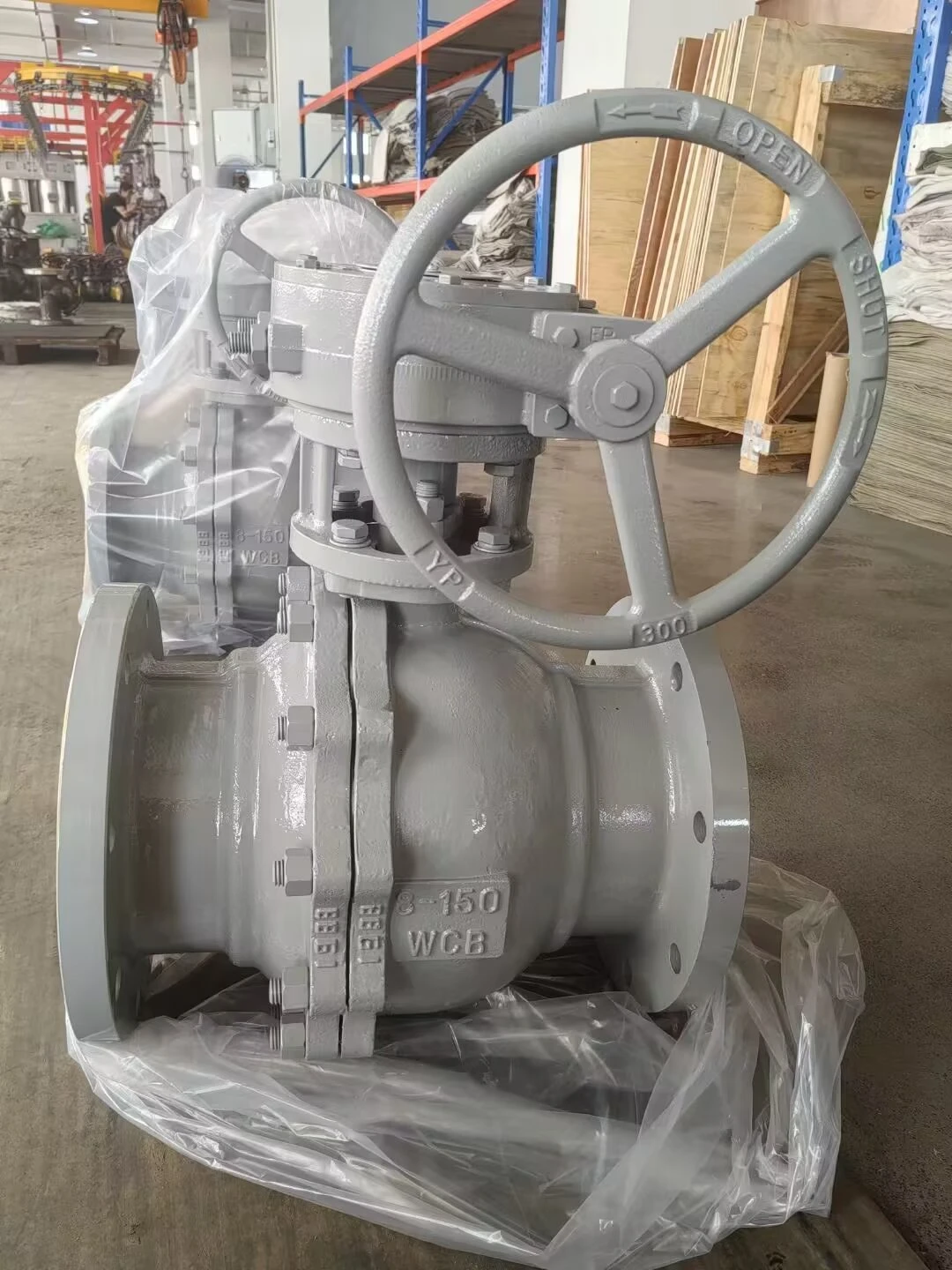
The performance of an electric gate valve is governed by several engineering principles. Force analysis centers on calculating the torque required to operate the gate against the process fluid pressure and frictional forces within the valve. This dictates the electric motor and gearbox sizing. Environmental resistance involves evaluating the valve’s ability to withstand temperature fluctuations, corrosive media, and external loads. The actuator’s ingress protection (IP) rating, defined by IEC 60529, is critical for protection against dust and water. Compliance requirements mandate adherence to industry standards such as API 6D (for quarter-turn valves), which outlines performance testing criteria including hydrostatic testing, seat leakage testing, and operational torque testing.
Functional implementation requires careful consideration of the control scheme. Electric actuators are typically controlled by a 4-20mA signal from a PLC or DCS, modulating the valve position. Limit switches provide feedback on valve position (fully open, fully closed). The actuator's gearing ratio impacts speed and torque; higher ratios provide greater torque but slower operation. Furthermore, proper insulation and grounding are essential for electrical safety and to prevent electromagnetic interference. Flow coefficient (Cv) calculations are essential for accurate process control, determining the valve's capacity for a given pressure drop. The actuator's thermal capacity must be sufficient to manage heat generated during operation, especially in high-cycle applications.
Technical Specifications
| Parameter | Unit | Typical Value (Carbon Steel) | Typical Value (316 Stainless Steel) |
|---|---|---|---|
| Maximum Operating Pressure | PSI | 250 | 200 |
| Temperature Range | °F | -20 to 450 | -20 to 300 |
| Actuator Voltage | V | 110/220/380 (AC) | 110/220/380 (AC) |
| Actuator Power | W | 150-400 | 150-400 |
| Valve Size (DN) | mm | 50-600 | 50-600 |
| Leakage Class (API 598) | - | Class VI | Class V |
Failure Mode & Maintenance
Electric gate valves are susceptible to several failure modes. Fatigue cracking of the gate or wedge can occur due to repeated opening and closing cycles, especially under high differential pressure. Corrosion, particularly in aggressive media, can lead to pitting and erosion of valve components, compromising sealing integrity. Seat erosion, frequently caused by particulate matter in the process fluid, results in leakage. Actuator failure can stem from motor burnout, gearbox wear, or electrical component malfunction. Delamination of any coatings applied for corrosion resistance is also a potential failure point. Oxidation of metallic parts at high temperatures reduces material strength and increases the risk of fracture.
Preventative maintenance is crucial. Regular inspection of the valve body, gate, and seat for signs of corrosion or wear is essential. Lubrication of the stem and actuator gearbox reduces friction and extends component life. Periodic testing of the actuator’s operation and electrical connections ensures reliable performance. In the event of leakage, seat replacement or resurfacing may be necessary. For severely corroded valves, complete replacement is often the most cost-effective solution. NDT methods like visual inspection and ultrasonic testing can detect hidden flaws before they lead to catastrophic failure. Actuator maintenance should be performed by qualified technicians, following manufacturer’s recommendations. Record-keeping of all maintenance activities facilitates trend analysis and proactive repairs.
Industry FAQ
Q: What is the primary advantage of an electric gate valve over a pneumatic actuator?
A: Electric actuators offer precise position control and remote operation without the need for a compressed air supply. Pneumatic actuators require a consistent air source, which can be a logistical challenge and introduce potential failure points. Electric actuators also typically provide more detailed feedback on valve position and status.
Q: How does the choice of seat material impact valve performance?
A: Seat material is critical for ensuring leak-tight shutoff and compatibility with the process fluid. Elastomeric seats (EPDM, Viton) are suitable for many applications, but PTFE is often preferred for highly corrosive or high-temperature fluids. Incorrect seat material selection can lead to rapid degradation and leakage.
Q: What are the considerations for selecting the appropriate actuator torque?
A: Actuator torque must exceed the maximum operating torque required to overcome the process fluid pressure and frictional forces within the valve. Undersized actuators will struggle to open or close the valve, while oversized actuators can cause damage. Accurate torque calculations are essential.
Q: What are the common causes of gate sticking in a gate valve?
A: Gate sticking is often caused by corrosion, debris buildup, or insufficient lubrication. High differential pressure can also contribute. Regular inspection, cleaning, and lubrication are crucial preventative measures. Proper valve alignment during installation is also important.
Q: How important is actuator enclosure rating (IP rating)?
A: The IP rating defines the actuator's protection against dust and water ingress. Higher IP ratings are essential for outdoor installations or environments with harsh conditions. Choosing the correct IP rating ensures reliable actuator operation and prevents electrical hazards.
Conclusion
The electric gate valve remains a cornerstone of flow control in numerous industrial applications. Its enduring utility stems from its robust design, relatively low cost, and adaptability to a broad spectrum of fluids and operating conditions. However, achieving optimal performance and longevity demands meticulous material selection, precise manufacturing controls, and a proactive maintenance strategy. Understanding the nuances of failure modes, from corrosion-induced erosion to actuator malfunctions, is paramount for minimizing downtime and maximizing process efficiency.
Looking forward, advancements in actuator technology, such as the integration of smart sensors and predictive maintenance algorithms, will further enhance the reliability and operational intelligence of electric gate valves. The increasing emphasis on sustainability will drive the development of more corrosion-resistant materials and environmentally friendly coatings. Ultimately, a holistic approach that considers the entire valve lifecycle – from design and manufacturing to installation and maintenance – will be crucial for ensuring the continued effectiveness of this critical component in modern industrial infrastructure.
-
Top Reasons to Choose a Stainless Steel Flange Check Valve for Industrial Applications
-
2 threaded flange Performance Analysis
-
4 ball valve flanged Performance Analysis
-
90 degree flange elbow Performance Analysis
-
Custom Flanges Performance Analysis
-
DN40 Flange Performance Analysis
-
double flange butterfly valve Performance Analysis
-
Double Flanged Couplings Performance Analysis
-
double flanged butterfly valves Material Science
-
forged flange Performance Analysis
-
forging flange Material Science
-
forging flanges Material Performance
-
Round Flange Performance Analysis
-
Round Flanges Performance Analysis
-
Custom Flange Performance Analysis
 Afrikaans
 Albanian
 Amharic
 Arabic
 Armenian
 Azerbaijani
 Basque
 Belarusian
 Bengali
 Bosnian
 Bulgarian
 Catalan
 Cebuano
 Corsican
 Croatian
 Czech
Czech
 Danish
 Dutch
Dutch
 Esperanto
 Estonian
 Finnish
 French
 Frisian
 Galician
 Georgian
 German
 Greek
Greek
 Gujarati
 Haitian Creole
 Hausa
Hawaiian
Hausa
Hawaiian
 Hebrew
 Hindi
Hindi
 Miao
Miao
 Hungarian
 Icelandic
 Igbo
Igbo
 Indonesian
 Irish
Irish
 Italian
 Japanese
 Javanese
Kannada
Javanese
Kannada
 Kazakh
 Khmer
Khmer
 Rwandese
 Korean
 Kurdish
 Kyrgyz
 Lao
Lao
 Latin
Latin
 Latvian
 Lithuanian
 Luxembourgish
 Macedonian
 Malgashi
 Malay
Malay
 Malayalam
 Maltese
 Maori
Maori
 Marathi
 Mongolian
 Myanmar
 Nepali
 Norwegian
 Norwegian
 Occitan
 Pashto
 Persian
 Polish
 Portuguese
Punjabi
Portuguese
Punjabi
 Romanian
 Russian
 Samoan
 Scottish Gaelic
 Serbian
 Sesotho
 Shona
Shona
 Sindhi
 Sinhala
 Slovak
 Slovenian
 Somali
 Spanish
 Sundanese
 Swahili
 Swedish
Tagalog
Swedish
Tagalog
 Tajik
Tajik
 Tamil
Tamil
 Tatar
Tatar
 Telugu
 Thai
Thai
 Turkish
 Turkmen
 Ukrainian
 Urdu
Urdu
 Uighur
 Uzbek
Uzbek
 Vietnamese
 Welsh
Welsh
 Bantu
Bantu
 Yiddish
 Yoruba
 Zulu
Zulu
 English