




2 way gate valve Performance Analysis
Introduction
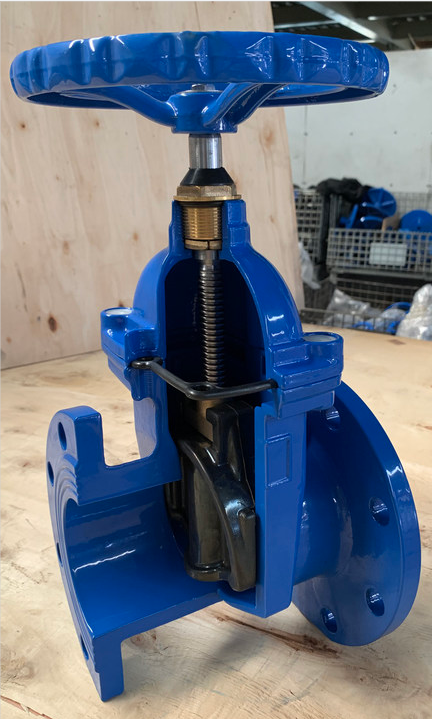
A 2-way gate valve is a linear motion valve used to start or stop fluid flow. It differs from globe valves and ball valves in its flow path and sealing mechanism. Gate valves are primarily designed for fully open or fully closed service; throttling or prolonged partial opening is not recommended due to accelerated wear on the gate and seat. They are a fundamental component in numerous industrial processes across sectors including oil & gas, water treatment, chemical processing, and power generation, where reliable on/off control is paramount. Their technical position within the industry chain is as a critical control element, influencing system efficiency and safety. Core performance characteristics are defined by pressure rating, flow coefficient (Cv), material compatibility with the process fluid, and leak tightness conforming to industry standards. The core pain point in industry is ensuring long-term reliability and minimal maintenance, particularly in harsh environments and with abrasive fluids.
Material Science & Manufacturing
The body of a 2-way gate valve is commonly constructed from materials such as cast iron (ASTM A126 Class B), ductile iron (ASTM A536 65-45-12), carbon steel (ASTM A105), stainless steel (304/316 – ASTM A351), or alloy steels depending on the application's pressure, temperature, and fluid compatibility requirements. The gate itself is often made from bronze (ASTM B584), stainless steel, or nickel alloy. Seat materials are crucial for sealing; commonly used materials include reinforced PTFE (Teflon), EPDM, or metal-to-metal seating for high-temperature and high-pressure applications. Manufacturing begins with casting or forging the valve body. Machining then creates the internal flow path and seats. Gate manufacturing involves precision machining and polishing to ensure a smooth surface finish. Assembly involves carefully installing the gate, stem, and packing gland to achieve leak-tight operation. Key parameter control focuses on dimensional tolerances during machining, surface roughness of the gate and seat to minimize friction, and proper torqueing of bolts during assembly to ensure body integrity. Welding procedures (AWS D1.1 for steel) must be strictly controlled for welded construction to prevent defects such as porosity or incomplete fusion. Non-destructive testing (NDT) such as radiography and ultrasonic testing are employed to verify weld quality. Heat treatment processes are applied to achieve desired material properties like hardness and ductility.
Performance & Engineering
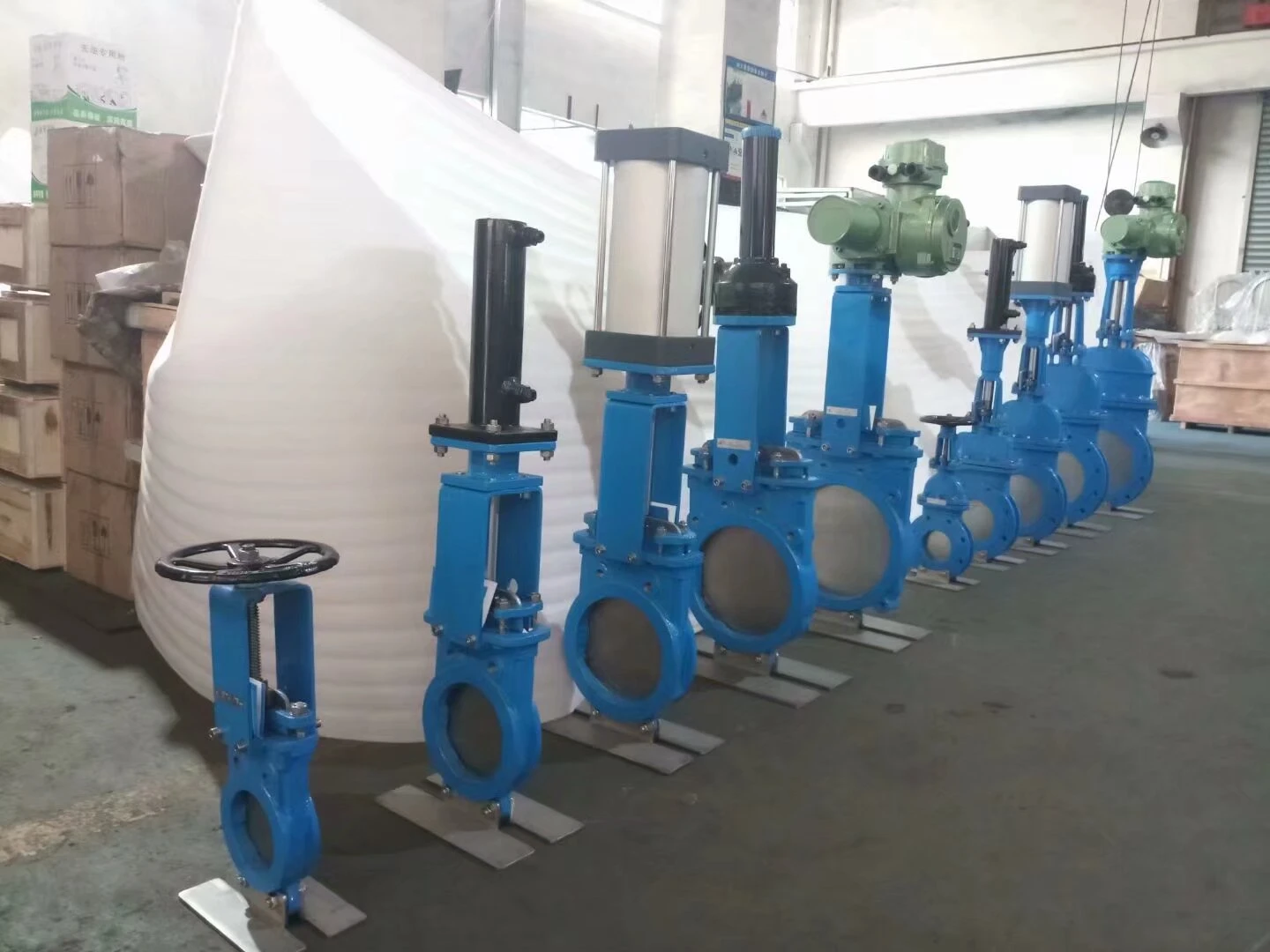
Performance of a 2-way gate valve is heavily influenced by fluid dynamics and stress analysis. Force analysis considers the hydraulic forces acting on the gate when fully open and the pressure forces on the body and stem. The stem is subjected to bending moments due to fluid pressure, necessitating robust stem design and proper bearing support. Environmental resistance is a key consideration. Exposure to corrosive environments demands careful material selection (e.g., using 316 stainless steel or Hastelloy for aggressive chemicals). The valve’s design must account for thermal expansion and contraction, especially in applications with fluctuating temperatures. Compliance requirements are dictated by industry standards like ANSI/API 600 for gate valves, which define pressure-temperature ratings, testing procedures, and material requirements. Functional implementation involves selecting the appropriate actuator (manual handwheel, pneumatic, hydraulic, or electric) based on the required torque and control needs. Valve seat design is critical for achieving bubble-tight shutoff; common designs include wedge gate valves (solid wedge, flexible wedge, split wedge) and parallel seat gate valves. The choice depends on the fluid media, pressure, and temperature. Cavitation is a potential issue with certain fluids; valve design must mitigate cavitation risk by maintaining sufficient pressure drop and avoiding sharp flow restrictions.
Technical Specifications
| Parameter | Unit | Typical Value (Carbon Steel) | Typical Value (Stainless Steel 316) |
|---|---|---|---|
| Maximum Operating Pressure | psi | 250 | 200 |
| Temperature Range | °F | -20 to 450 | -20 to 600 |
| Cv (Flow Coefficient) | gpm | 50-500 (varies with size) | 50-500 (varies with size) |
| Seat Leakage (Class VI) | ml/min/in | 0.1 | 0.1 |
| Body Material | - | ASTM A105 | ASTM A351 CF8M |
| Gate Material | - | Bronze B584 | 316 Stainless Steel |
Failure Mode & Maintenance
Common failure modes for 2-way gate valves include gate erosion due to abrasive particles in the fluid, seat damage leading to leakage, stem packing failure resulting in external leakage, and corrosion of valve body or internal components. Fatigue cracking can occur in the gate or stem under cyclic loading. Delamination of seat materials (e.g., PTFE) can also lead to leakage. Oxidation of metal components at high temperatures can degrade material properties. Failure analysis often reveals root causes such as improper material selection, inadequate lubrication, excessive pressure drops, or insufficient maintenance. Maintenance solutions involve regular inspection of the valve body, gate, and seat for signs of wear or corrosion. Periodic replacement of stem packing is essential to prevent leakage. Lubrication of the stem threads and gate guides reduces friction and extends valve life. For valves exposed to abrasive fluids, consider using hardened gate and seat materials. Regular testing of the valve’s shutoff capability verifies its leak tightness. Preventative maintenance schedules should be implemented based on operating conditions and fluid properties. In cases of severe corrosion, valve replacement may be necessary.
Industry FAQ
Q: What is the difference between a gate valve and a ball valve in terms of flow control?
A: Gate valves are designed for on/off service, providing minimal flow restriction when fully open. Ball valves offer quicker operation and are more suitable for frequent opening and closing. Ball valves can also be used for throttling, while gate valves should not be throttled due to erosion of the gate and seat.
Q: How do I select the correct material for a gate valve handling corrosive chemicals?
A: Material selection depends on the specific chemical. Stainless steel (316) offers good resistance to many corrosive fluids, but more specialized alloys like Hastelloy or titanium may be required for highly aggressive chemicals. Refer to chemical compatibility charts and consult with a materials engineer.
Q: What is the purpose of the stem packing, and how often should it be replaced?
A: The stem packing creates a seal around the valve stem to prevent leakage around the stem. Replacement frequency depends on the packing material and operating conditions, but typically every 6-12 months is recommended, or whenever leakage is observed.
Q: What are the common causes of gate valve failure in high-pressure applications?
A: High-pressure applications can lead to gate erosion, seat damage, and body distortion. Ensure the valve’s pressure rating exceeds the system’s maximum pressure. Regularly inspect for signs of deformation and replace worn components promptly.
Q: How does valve cavitation affect the lifespan of a gate valve?
A: Cavitation causes pitting and erosion of the gate and seat due to the formation and collapse of vapor bubbles. Minimize cavitation by ensuring sufficient pressure drop across the valve and avoiding sharp flow restrictions. Use cavitation-resistant materials if cavitation is unavoidable.
Conclusion
The 2-way gate valve remains a critical component for isolation and on/off control in numerous industrial applications. Its simplicity and robustness, when coupled with appropriate material selection and diligent maintenance, ensures reliable performance over extended operational periods. Understanding the interplay between material science, manufacturing processes, and fluid dynamics is essential for optimizing valve selection and mitigating potential failure modes.
Future trends in gate valve technology focus on improved sealing materials, automated actuation systems, and enhanced diagnostic capabilities for predictive maintenance. Integrating smart sensors and data analytics can enable real-time monitoring of valve performance and proactively address potential issues before they escalate. Continued development of corrosion-resistant alloys and surface coatings will further extend valve lifespan in harsh operating environments.
-
Top Reasons to Choose a Stainless Steel Flange Check Valve for Industrial Applications
-
DN50 Flange Performance Analysis
-
double flanged butterfly valve Performance Analysis
-
forged flanges Performance Analysis
-
4 blind flange Performance Engineering
-
3 flanged ball valve Performance Analysis
-
2 threaded flange Performance Analysis
-
4 ball valve flanged Performance Analysis
-
90 degree flange elbow Performance Analysis
-
Custom Flanges Performance Analysis
-
DN40 Flange Performance Analysis
-
double flange butterfly valve Performance Analysis
-
Double Flanged Couplings Performance Analysis
-
double flanged butterfly valves Material Science
-
forged flange Performance Analysis
 Afrikaans
 Albanian
 Amharic
 Arabic
 Armenian
 Azerbaijani
 Basque
 Belarusian
 Bengali
 Bosnian
 Bulgarian
 Catalan
 Cebuano
 Corsican
 Croatian
 Czech
Czech
 Danish
 Dutch
Dutch
 Esperanto
 Estonian
 Finnish
 French
 Frisian
 Galician
 Georgian
 German
 Greek
Greek
 Gujarati
 Haitian Creole
 Hausa
Hawaiian
Hausa
Hawaiian
 Hebrew
 Hindi
Hindi
 Miao
Miao
 Hungarian
 Icelandic
 Igbo
Igbo
 Indonesian
 Irish
Irish
 Italian
 Japanese
 Javanese
Kannada
Javanese
Kannada
 Kazakh
 Khmer
Khmer
 Rwandese
 Korean
 Kurdish
 Kyrgyz
 Lao
Lao
 Latin
Latin
 Latvian
 Lithuanian
 Luxembourgish
 Macedonian
 Malgashi
 Malay
Malay
 Malayalam
 Maltese
 Maori
Maori
 Marathi
 Mongolian
 Myanmar
 Nepali
 Norwegian
 Norwegian
 Occitan
 Pashto
 Persian
 Polish
 Portuguese
Punjabi
Portuguese
Punjabi
 Romanian
 Russian
 Samoan
 Scottish Gaelic
 Serbian
 Sesotho
 Shona
Shona
 Sindhi
 Sinhala
 Slovak
 Slovenian
 Somali
 Spanish
 Sundanese
 Swahili
 Swedish
Tagalog
Swedish
Tagalog
 Tajik
Tajik
 Tamil
Tamil
 Tatar
Tatar
 Telugu
 Thai
Thai
 Turkish
 Turkmen
 Ukrainian
 Urdu
Urdu
 Uighur
 Uzbek
Uzbek
 Vietnamese
 Welsh
Welsh
 Bantu
Bantu
 Yiddish
 Yoruba
 Zulu
Zulu
 English