




wedge gate valve Performance Analysis
Introduction
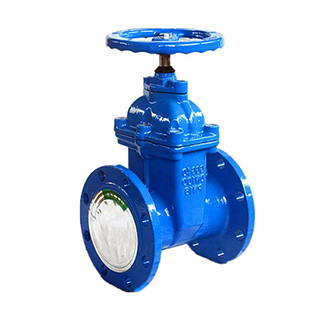
Wedge gate valves are a class of gate valve characterized by a wedge-shaped disc that is moved perpendicular to the fluid flow to provide shut-off. They are primarily employed in applications requiring infrequent operation and tight shut-off, such as isolation services in pipelines transporting water, oil, gas, and steam. Their position within the fluid handling industry chain is as a critical on/off control element, often integrated into larger systems managed by Programmable Logic Controllers (PLCs) and Supervisory Control and Data Acquisition (SCADA) systems. Core performance metrics center around leak tightness, pressure rating, and operational torque. Unlike globe valves which offer throttling capabilities, wedge gate valves are designed for fully open or fully closed service, minimizing erosion of the sealing surfaces and maximizing longevity when used appropriately. The selection of the correct wedge gate valve is paramount to system reliability and safety, demanding careful consideration of fluid compatibility, temperature, and pressure requirements.
Material Science & Manufacturing
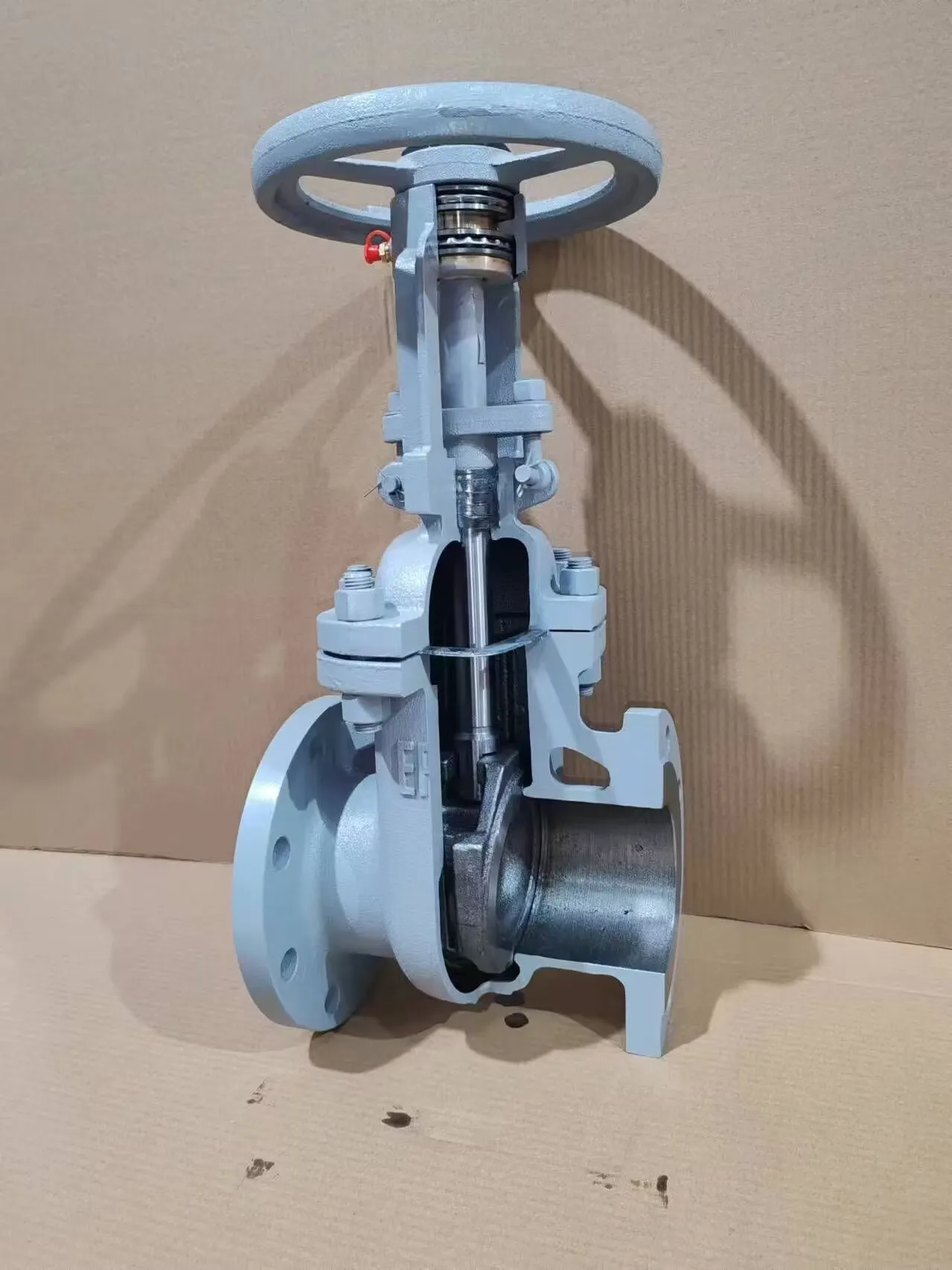
The body of a wedge gate valve is commonly constructed from cast iron (ASTM A126 Class B), ductile iron (ASTM A536 65-45-12), carbon steel (ASTM A105), stainless steel (304/316 – ASTM A351 Grade CF8/CF8M), or alloy steels (e.g., Chrome-Moly steels for high-temperature applications). Material selection is dictated by the fluid being handled and operating conditions. For example, highly corrosive fluids necessitate stainless steel or specialized alloys. The wedge itself can be solid, flexible, or split; flexible wedges exhibit better seating against imperfections in the valve body. Manufacturing processes involve casting or forging the valve body, followed by machining to precise tolerances. The wedge is typically machined from a single billet of the chosen material. Key parameters include surface roughness of the seating surfaces (Ra < 0.8 µm is typical for metal-to-metal seating) and dimensional accuracy of the wedge angle. Welding processes, when used for fabrication (particularly for larger valves), must adhere to ASME Section IX standards, employing qualified welders and Non-Destructive Examination (NDE) techniques like radiographic testing (RT) and ultrasonic testing (UT) to ensure weld integrity. Surface treatments like epoxy coating (AWWA C550) or fusion-bonded epoxy (FBE) are often applied to the exterior to prevent corrosion. The stem is often manufactured from stainless steel (e.g., 304 or 316) and undergoes hardening and polishing to minimize friction and ensure smooth operation. Seat materials range from metal to soft materials like EPDM, Viton, or PTFE depending on temperature and fluid compatibility.
Performance & Engineering
Wedge gate valve performance is significantly influenced by pressure-temperature ratings, leak rate, and flow characteristics. Pressure testing is crucial, typically conducted hydrostatically or pneumatically according to API 598 standards. Leak rate is commonly specified in terms of seats leakage (e.g., ANSI/FCI 70-2) and is a critical metric for applications requiring zero leakage. The hydrodynamic performance of a wedge gate valve is characterized by a relatively high pressure drop when fully open, due to the obstruction created by the wedge. Force analysis considers the stem thrust required to operate the valve against fluid pressure. The stem must be adequately sized to withstand these forces without bending or buckling. Environmental resistance is paramount, especially in outdoor applications, requiring consideration of temperature fluctuations, UV exposure, and atmospheric corrosion. Compliance requirements vary depending on the industry and application. For example, valves used in potable water systems must comply with NSF/ANSI 61 standards to ensure they do not leach harmful contaminants into the water. Valves used in oil and gas applications must meet API 6D and API 600 standards. Proper valve actuation – manual, gear-operated, pneumatic, or electric – is critical for safe and reliable operation, considering factors such as torque requirements and fail-safe mechanisms. Finite element analysis (FEA) is frequently used during the design phase to optimize valve geometry and ensure structural integrity under various loading conditions.
Technical Specifications
| Parameter | Units | Typical Value (Carbon Steel) | Typical Value (Stainless Steel 316) |
|---|---|---|---|
| Maximum Operating Pressure | PSI | 900 | 650 |
| Temperature Range | °F | -20 to 450 | -40 to 600 |
| Valve Size (DN) | mm | 50 - 600 | 50 - 300 |
| Connection Type | - | Flanged (ANSI B16.5), Screwed (BSP), Welded | Flanged (ANSI B16.5), Screwed (BSP), Welded |
| Leakage Class (ANSI FCI 70-2) | - | Class VI (Bubble Tight) | Class VI (Bubble Tight) |
| Actuation Type | - | Handwheel, Gear Operator, Pneumatic Actuator, Electric Actuator | Handwheel, Gear Operator, Pneumatic Actuator, Electric Actuator |
Failure Mode & Maintenance
Common failure modes for wedge gate valves include seat erosion due to particulate matter in the fluid stream, stem packing failure leading to leakage around the stem, corrosion of the valve body or wedge, and fatigue cracking of the disc due to repeated cycling. Seat erosion can be mitigated by installing upstream filters or strainers. Stem packing failure requires replacement of the packing material and ensuring proper gland adjustment. Corrosion is prevented through proper material selection and application of protective coatings. Fatigue cracking is often a result of exceeding the valve's pressure or temperature limits. Regular inspection and preventative maintenance are crucial. Maintenance procedures include periodic lubrication of the stem, inspection of the seating surfaces for damage, and replacement of worn or corroded parts. Non-destructive testing (NDT) methods, such as visual inspection, liquid penetrant testing, and ultrasonic testing, can be used to detect cracks or other defects. A key failure analysis consideration is galvanic corrosion, especially in systems with dissimilar metals. Proper bonding and insulation techniques are essential to prevent this. Furthermore, valves that have been stored for extended periods require thorough inspection and testing before being put into service, as the packing and seals may have deteriorated.
Industry FAQ
Q: What is the primary difference between a wedge gate valve and a parallel seat gate valve, and when would I choose one over the other?
A: The key difference lies in the disc design. Wedge gate valves, as discussed, utilize a tapered wedge, while parallel seat gate valves have a flat disc that slides between two parallel seats. Wedge gate valves provide a tighter shut-off, making them ideal for applications requiring zero leakage. Parallel seat gate valves offer lower flow resistance when fully open but are generally less effective at achieving a leak-tight seal. Choose a wedge gate valve for isolation services where complete shut-off is critical, and a parallel seat valve where minimal pressure drop is paramount and some leakage is tolerable.
Q: How does the material of the wedge affect the valve's performance and longevity?
A: The wedge material directly impacts the valve's resistance to corrosion, erosion, and deformation. For example, a stainless steel wedge is essential for handling corrosive fluids, while a hardened alloy steel wedge provides increased wear resistance in abrasive applications. The flexibility of the wedge also plays a role; flexible wedges conform better to seat imperfections, improving sealing performance. Improper material selection leads to premature failure and increased maintenance costs.
Q: What are the critical considerations when specifying a gate valve for high-temperature applications?
A: High-temperature applications demand careful consideration of material selection, stem packing, and seat materials. Carbon steel loses strength at elevated temperatures, necessitating the use of alloy steels like chrome-moly. The stem packing must be able to withstand the high temperatures without degrading or leaking. Seat materials also need to maintain their sealing properties at high temperatures. Thermal expansion and contraction of valve components must also be accounted for in the design to prevent binding or deformation.
Q: How often should wedge gate valve packing be replaced, and what are the signs that replacement is needed?
A: The frequency of packing replacement depends on the valve's operating conditions and the type of packing material used. Generally, packing should be inspected annually and replaced every 3-5 years. Signs that replacement is needed include visible leakage around the stem, increased stem operating torque, and noticeable deterioration of the packing material during inspection. Regular maintenance prevents more serious issues like stem damage and valve failure.
Q: What is the impact of water hammer on wedge gate valve operation and how can it be mitigated?
A: Water hammer (pressure surge) can cause significant damage to gate valves, particularly the disc and seat. The rapid acceleration and deceleration of the fluid can lead to erosion, fatigue cracking, and even valve failure. Mitigation strategies include using slow-closing valves, installing surge suppressors or accumulators, and optimizing pipeline layout to minimize pressure fluctuations. Avoid rapidly opening or closing the valve, especially in long pipelines.
Conclusion
Wedge gate valves represent a mature and reliable technology for isolation services in a wide range of industrial applications. Their effectiveness hinges on proper material selection, meticulous manufacturing processes adhering to industry standards, and diligent maintenance. Understanding the nuanced performance characteristics – particularly leak tightness and pressure drop – is crucial for optimizing system efficiency and ensuring operational safety. Selecting the appropriate valve, considering both the fluid characteristics and the operating environment, directly correlates to a prolonged service life and reduced total cost of ownership.
Future developments in wedge gate valve technology are likely to focus on advancements in sealing materials – exploring higher-performance elastomers and metallic seals – and the integration of smart valve technology, incorporating sensors and remote monitoring capabilities. These advancements will enable predictive maintenance, reducing downtime and improving overall system reliability. Continued adherence to stringent quality control measures and rigorous testing protocols will remain paramount to maintaining the integrity and longevity of these critical components within industrial infrastructure.
-
Top Reasons to Choose a Stainless Steel Flange Check Valve for Industrial Applications
-
DN50 Flange Performance Analysis
-
double flanged butterfly valve Performance Analysis
-
forged flanges Performance Analysis
-
4 blind flange Performance Engineering
-
3 flanged ball valve Performance Analysis
-
2 threaded flange Performance Analysis
-
4 ball valve flanged Performance Analysis
-
90 degree flange elbow Performance Analysis
-
Custom Flanges Performance Analysis
-
DN40 Flange Performance Analysis
-
double flange butterfly valve Performance Analysis
-
Double Flanged Couplings Performance Analysis
-
double flanged butterfly valves Material Science
-
forged flange Performance Analysis
 Afrikaans
 Albanian
 Amharic
 Arabic
 Armenian
 Azerbaijani
 Basque
 Belarusian
 Bengali
 Bosnian
 Bulgarian
 Catalan
 Cebuano
 Corsican
 Croatian
 Czech
Czech
 Danish
 Dutch
Dutch
 Esperanto
 Estonian
 Finnish
 French
 Frisian
 Galician
 Georgian
 German
 Greek
Greek
 Gujarati
 Haitian Creole
 Hausa
Hawaiian
Hausa
Hawaiian
 Hebrew
 Hindi
Hindi
 Miao
Miao
 Hungarian
 Icelandic
 Igbo
Igbo
 Indonesian
 Irish
Irish
 Italian
 Japanese
 Javanese
Kannada
Javanese
Kannada
 Kazakh
 Khmer
Khmer
 Rwandese
 Korean
 Kurdish
 Kyrgyz
 Lao
Lao
 Latin
Latin
 Latvian
 Lithuanian
 Luxembourgish
 Macedonian
 Malgashi
 Malay
Malay
 Malayalam
 Maltese
 Maori
Maori
 Marathi
 Mongolian
 Myanmar
 Nepali
 Norwegian
 Norwegian
 Occitan
 Pashto
 Persian
 Polish
 Portuguese
Punjabi
Portuguese
Punjabi
 Romanian
 Russian
 Samoan
 Scottish Gaelic
 Serbian
 Sesotho
 Shona
Shona
 Sindhi
 Sinhala
 Slovak
 Slovenian
 Somali
 Spanish
 Sundanese
 Swahili
 Swedish
Tagalog
Swedish
Tagalog
 Tajik
Tajik
 Tamil
Tamil
 Tatar
Tatar
 Telugu
 Thai
Thai
 Turkish
 Turkmen
 Ukrainian
 Urdu
Urdu
 Uighur
 Uzbek
Uzbek
 Vietnamese
 Welsh
Welsh
 Bantu
Bantu
 Yiddish
 Yoruba
 Zulu
Zulu
 English