




cast steel gate valve Performance Analysis
Introduction
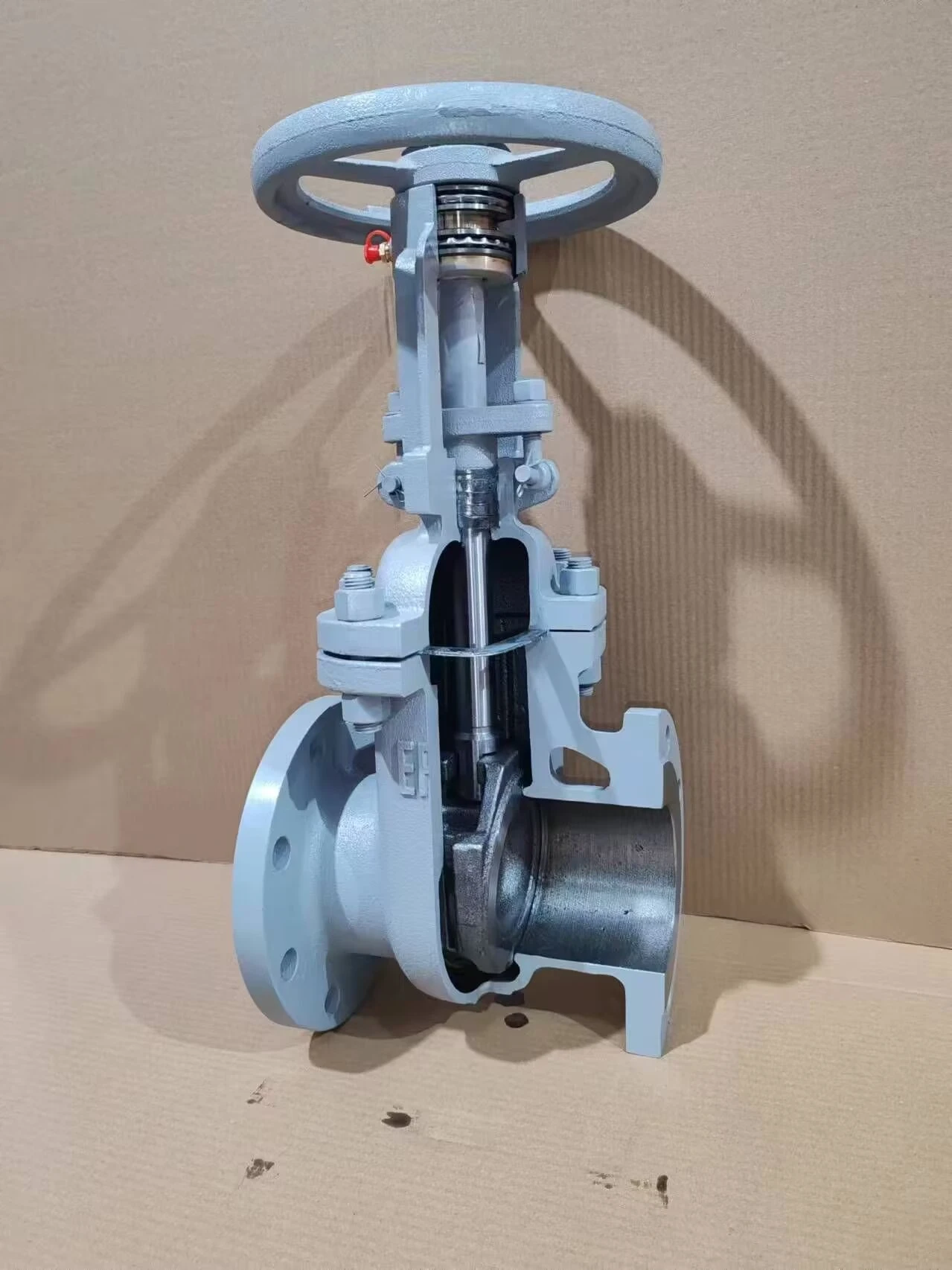
Cast steel gate valves are critical flow control components utilized extensively across numerous industrial sectors, including oil and gas, petrochemical processing, water treatment, and power generation. Functionally, these valves regulate the flow of fluids by employing a gate, which is lowered into the flow path to obstruct passage or raised to allow unobstructed flow. Their selection is predicated on applications demanding minimal pressure drop when fully open and reliable shut-off capabilities. Compared to other valve types, gate valves excel in situations requiring infrequent operation and are generally not suited for throttling applications due to potential erosion of the seating surfaces. The material selection, specifically cast steel, provides a balance of strength, durability, and cost-effectiveness for high-pressure, high-temperature environments. Core performance characteristics are defined by pressure rating, temperature range, fluid compatibility, and leakage class, all governed by stringent industry standards.
Material Science & Manufacturing
The primary material for cast steel gate valves is, unsurprisingly, cast steel. Common grades include ASTM A105 (carbon steel), A182 F304/F316 (stainless steel), and A532 Grade 1 Class 1 (alloy steel), selected based on fluid compatibility and operating conditions. A105 offers excellent strength and weldability for general service, while stainless steels provide superior corrosion resistance, crucial in applications handling aggressive chemicals. Alloy steels deliver enhanced strength and toughness at elevated temperatures. The casting process typically involves sand casting, utilizing patterns to create the valve body mold. Critical parameters during casting include melt temperature, cooling rate, and sand composition, all impacting the resulting microstructure and mechanical properties. Post-casting, heat treatment – normalization, annealing, or quenching and tempering – is essential to relieve residual stresses, refine grain structure, and achieve desired hardness. Machining operations follow to create precise internal profiles, including the gateway, seat rings, and stem bore. Gate materials commonly include bronze, stainless steel, or ductile iron, chosen for wear resistance and sealing capabilities. Seat rings are often manufactured from resilient materials like EPDM, PTFE, or metal alloys to ensure a leak-tight seal. Welding processes, adhering to ASME Section IX standards, are used for joining components, requiring strict control of welding parameters and post-weld heat treatment to maintain metallurgical integrity.
Performance & Engineering
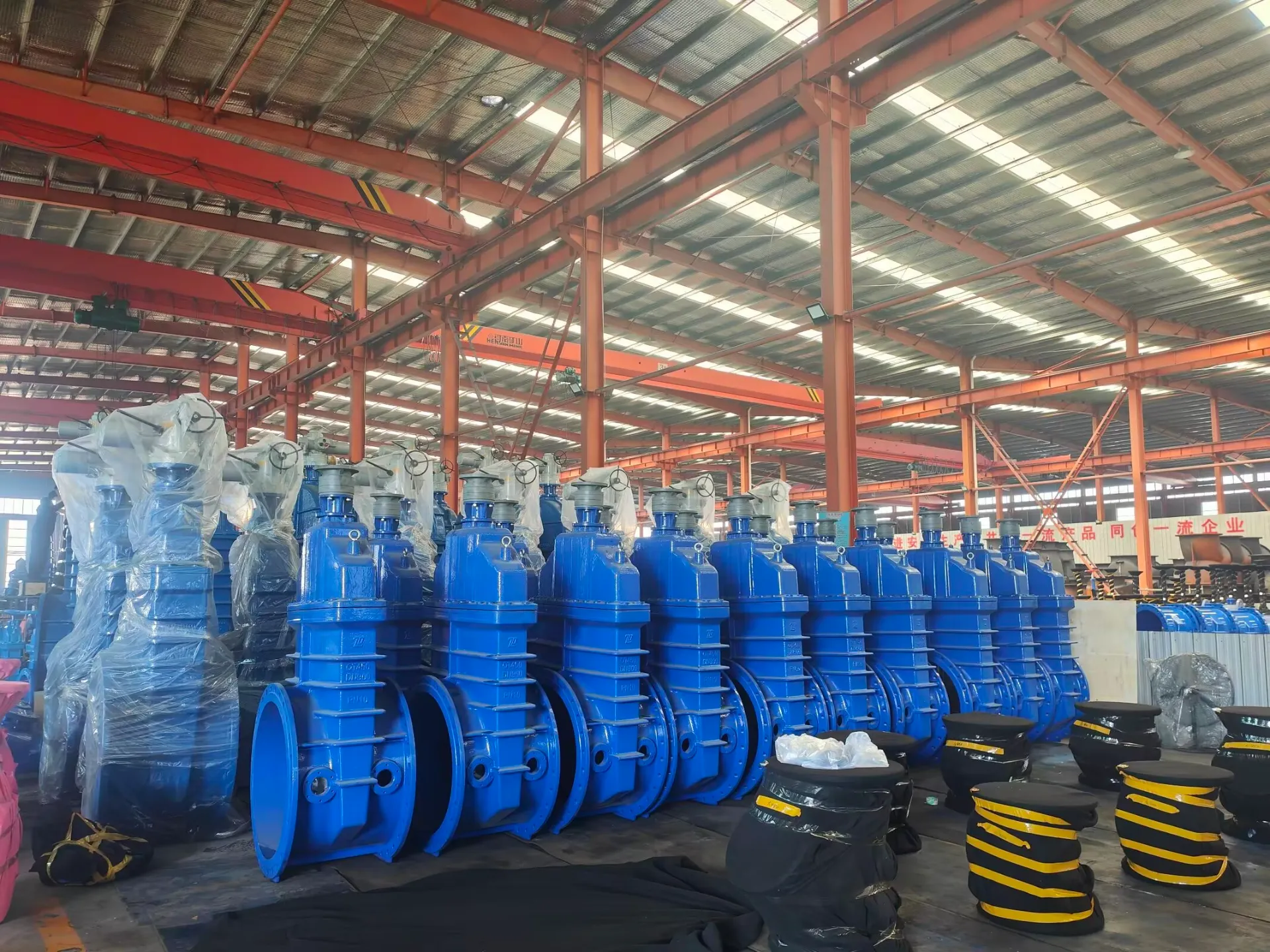
The performance of a cast steel gate valve is heavily reliant on accurate force analysis during operation. High internal pressures exert significant forces on the gate and valve body, necessitating robust design and material selection. Finite Element Analysis (FEA) is commonly employed to simulate stress distribution, identify potential weak points, and optimize structural integrity. Environmental resistance is a critical engineering consideration. Corrosion, erosion, and temperature fluctuations can compromise valve performance over time. Coatings, such as epoxy or specialized alloys, are applied to mitigate corrosion, particularly in harsh environments. Stem packing designs, utilizing graphite or PTFE-based materials, prevent leakage around the stem. Valve actuation – manual, gear-operated, pneumatic, or electric – impacts operational efficiency and control. Pneumatic and electric actuators offer remote control and automated operation, vital in large-scale industrial processes. Compliance with industry standards is paramount. API 600 (Steel Gate Valves) and MSS SP-110 (Testing of Valves) define stringent requirements for design, manufacturing, and testing. Pressure-temperature ratings are determined based on ASME B16.34 standards. Furthermore, fugitive emissions standards, such as EPA Method 21, dictate acceptable leakage rates for environmental protection.
Technical Specifications
| Parameter | Unit | ASTM A105 Carbon Steel | ASTM A182 F316 Stainless Steel |
|---|---|---|---|
| Maximum Operating Pressure | psi | 2500 | 2000 |
| Maximum Operating Temperature | °F | 800 | 850 |
| Gate Material | - | Bronze Alloy | Stainless Steel 316 |
| Seat Material | - | RTFE (Reinforced PTFE) | RTFE (Reinforced PTFE) |
| Connection Type | - | Screwed, Flanged, Welding | Screwed, Flanged, Welding |
| Leakage Class (API 598) | - | Class VI | Class VI |
Failure Mode & Maintenance
Cast steel gate valves are susceptible to several failure modes. Cavitation, caused by rapid pressure fluctuations, can erode the gate and seat surfaces. Corrosion, particularly in aggressive fluid environments, weakens the valve body and internal components. Fatigue cracking can occur in the stem or disc due to cyclical loading. Stem packing failure leads to leakage around the stem. Gate sticking, often due to debris accumulation or corrosion, prevents proper valve closure. Proper maintenance is crucial for preventing these failures. Regular inspection of the valve body, gate, seat, and stem for signs of corrosion, erosion, or damage is essential. Periodic lubrication of the stem and gate ensures smooth operation. Replacement of worn stem packing prevents leakage. Hydrostatic testing verifies valve integrity and leak tightness. Non-destructive testing (NDT) methods, such as ultrasonic testing and radiography, can detect internal flaws. For severe corrosion or erosion, component replacement or valve refurbishment may be necessary. Adherence to manufacturer's recommended maintenance schedules and operating procedures extends valve lifespan and minimizes downtime. Failure analysis, including metallurgical examination of failed components, helps identify root causes and prevent recurrence.
Industry FAQ
Q: What is the primary difference between a wedge gate valve and a parallel seat gate valve, and how does this impact applications?
A: Wedge gate valves feature a wedge-shaped disc that fits between tapered seats, providing a tighter seal and more reliable shut-off. Parallel seat gate valves have a flat disc and parallel seats, resulting in lower friction but potentially higher leakage. Wedge gate valves are preferred for high-pressure applications and fluids requiring complete shut-off, while parallel seat valves are suitable for applications where some minor leakage is acceptable and smooth operation is prioritized.
Q: How does the choice of stem packing material affect valve performance and longevity?
A: Stem packing material selection is crucial. Graphite-based packings are excellent for high-temperature applications and offer low friction, while PTFE-based packings provide superior chemical resistance. Improper packing material or inadequate compression leads to stem leakage and potential environmental hazards. Regular packing adjustment and replacement are vital for maintaining valve integrity.
Q: What are the implications of using a gate valve for throttling applications?
A: Using a gate valve for throttling is generally discouraged. Partially opening the gate creates high-velocity flow, leading to erosion of the gate and seat surfaces, accelerating wear, and compromising the valve's sealing ability. Globe valves or ball valves are more suitable for throttling applications.
Q: What are the key considerations when selecting a cast steel gate valve for a corrosive fluid service?
A: Material selection is paramount. Stainless steel alloys (e.g., 316) or specialized alloys with enhanced corrosion resistance are essential. Additionally, consider the fluid's pH, temperature, and concentration to determine the appropriate material grade. Protective coatings can further mitigate corrosion.
Q: How important is non-destructive testing (NDT) in ensuring the quality and reliability of cast steel gate valves?
A: NDT is critical. Methods like ultrasonic testing, radiography, and liquid penetrant testing detect internal flaws, such as cracks or porosity, that could compromise valve integrity. NDT is performed during manufacturing and during in-service inspection programs to ensure continued reliability.
Conclusion
Cast steel gate valves remain a cornerstone of fluid control systems across diverse industries, lauded for their robust construction, reliable shut-off capabilities, and cost-effectiveness. The selection process, however, demands meticulous consideration of operating conditions, fluid compatibility, and adherence to relevant industry standards. Proper material selection, stringent manufacturing controls, and diligent maintenance practices are all essential for maximizing valve lifespan and ensuring safe, efficient operation.
Looking forward, advancements in materials science and valve design will continue to enhance the performance and reliability of cast steel gate valves. The integration of smart technologies, such as remote monitoring and predictive maintenance systems, will further optimize operational efficiency and minimize downtime. Continued refinement of testing methodologies and adherence to evolving regulatory requirements will remain paramount for ensuring the long-term integrity and sustainability of these critical industrial components.
-
Top Reasons to Choose a Stainless Steel Flange Check Valve for Industrial Applications
-
DN50 Flange Performance Analysis
-
double flanged butterfly valve Performance Analysis
-
forged flanges Performance Analysis
-
4 blind flange Performance Engineering
-
3 flanged ball valve Performance Analysis
-
2 threaded flange Performance Analysis
-
4 ball valve flanged Performance Analysis
-
90 degree flange elbow Performance Analysis
-
Custom Flanges Performance Analysis
-
DN40 Flange Performance Analysis
-
double flange butterfly valve Performance Analysis
-
Double Flanged Couplings Performance Analysis
-
double flanged butterfly valves Material Science
-
forged flange Performance Analysis
 Afrikaans
 Albanian
 Amharic
 Arabic
 Armenian
 Azerbaijani
 Basque
 Belarusian
 Bengali
 Bosnian
 Bulgarian
 Catalan
 Cebuano
 Corsican
 Croatian
 Czech
Czech
 Danish
 Dutch
Dutch
 Esperanto
 Estonian
 Finnish
 French
 Frisian
 Galician
 Georgian
 German
 Greek
Greek
 Gujarati
 Haitian Creole
 Hausa
Hawaiian
Hausa
Hawaiian
 Hebrew
 Hindi
Hindi
 Miao
Miao
 Hungarian
 Icelandic
 Igbo
Igbo
 Indonesian
 Irish
Irish
 Italian
 Japanese
 Javanese
Kannada
Javanese
Kannada
 Kazakh
 Khmer
Khmer
 Rwandese
 Korean
 Kurdish
 Kyrgyz
 Lao
Lao
 Latin
Latin
 Latvian
 Lithuanian
 Luxembourgish
 Macedonian
 Malgashi
 Malay
Malay
 Malayalam
 Maltese
 Maori
Maori
 Marathi
 Mongolian
 Myanmar
 Nepali
 Norwegian
 Norwegian
 Occitan
 Pashto
 Persian
 Polish
 Portuguese
Punjabi
Portuguese
Punjabi
 Romanian
 Russian
 Samoan
 Scottish Gaelic
 Serbian
 Sesotho
 Shona
Shona
 Sindhi
 Sinhala
 Slovak
 Slovenian
 Somali
 Spanish
 Sundanese
 Swahili
 Swedish
Tagalog
Swedish
Tagalog
 Tajik
Tajik
 Tamil
Tamil
 Tatar
Tatar
 Telugu
 Thai
Thai
 Turkish
 Turkmen
 Ukrainian
 Urdu
Urdu
 Uighur
 Uzbek
Uzbek
 Vietnamese
 Welsh
Welsh
 Bantu
Bantu
 Yiddish
 Yoruba
 Zulu
Zulu
 English