




stainless steel ball valve Performance Analysis
Introduction
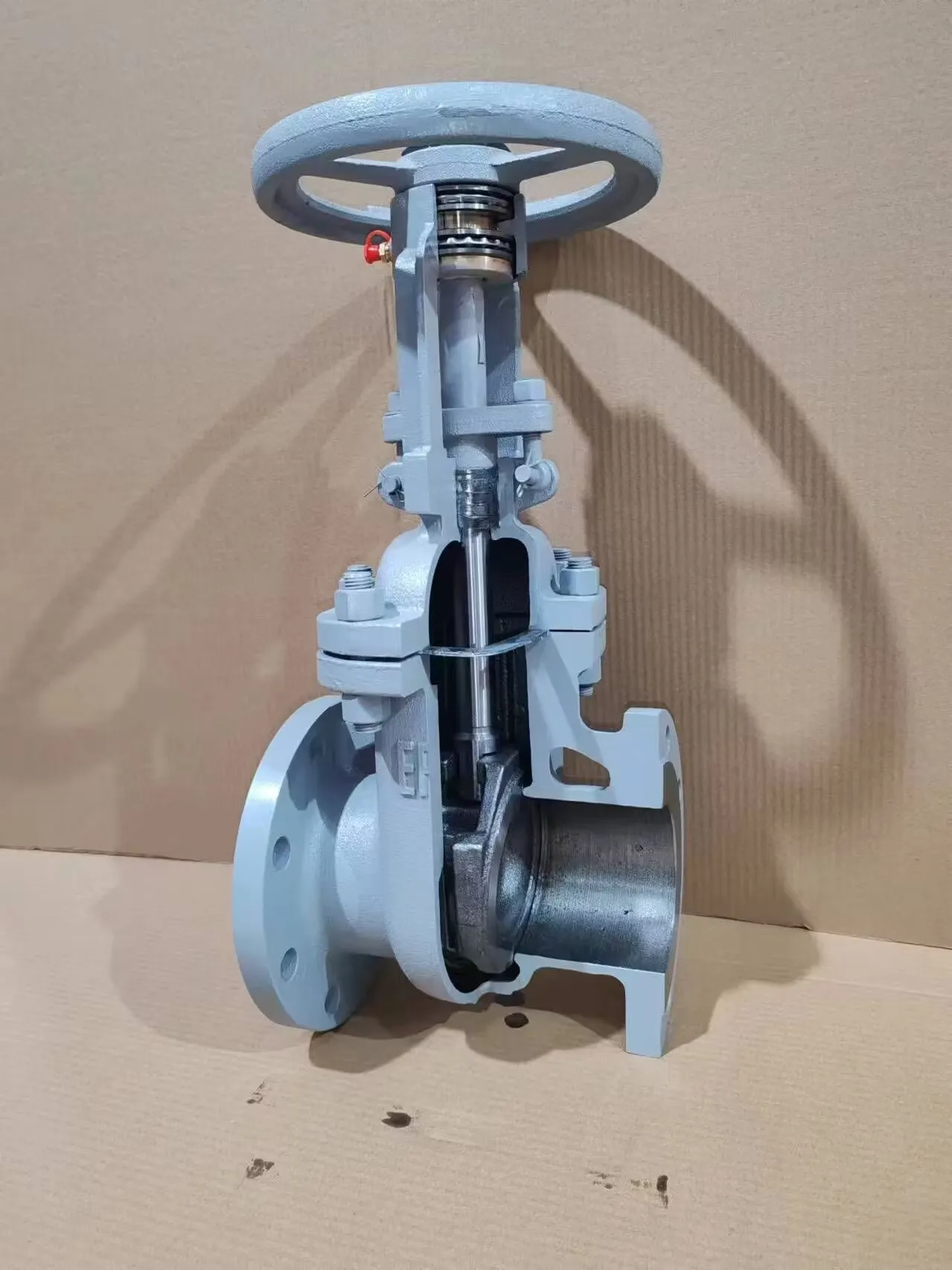
Stainless steel ball valves are integral components in fluid control systems across diverse industries, including chemical processing, oil and gas, water treatment, and pharmaceuticals. Positioned as quarter-turn valves, they utilize a hollow, perforated, and pivoting ball to control flow. Their primary function is to regulate or isolate flow, offering a robust and reliable sealing mechanism. Compared to gate valves, ball valves provide quick on/off operation and tight shut-off capabilities. The selection of stainless steel as the primary material of construction provides enhanced corrosion resistance and mechanical strength, crucial for handling corrosive fluids and high-pressure applications. Core performance characteristics include pressure rating, temperature range, flow coefficient (Cv), and material grade, all influencing their suitability for specific applications. This guide details material science, manufacturing, performance, failure modes, and maintenance of stainless steel ball valves.
Material Science & Manufacturing
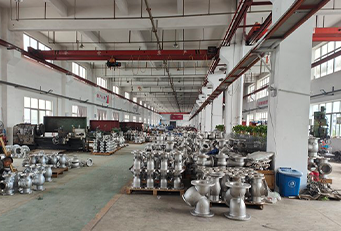
The core material for stainless steel ball valves is typically 304/304L or 316/316L stainless steel, selected based on the fluid being handled and the operating environment. 304/304L offers good corrosion resistance in general applications, while 316/316L, containing molybdenum, provides superior resistance to pitting and crevice corrosion, particularly in chloride-rich environments. Other components may include PTFE (Teflon) or other fluoropolymers for seats and seals, providing a low friction, chemically inert barrier. The manufacturing process begins with the casting or forging of the valve body. Forging typically results in higher strength and improved grain structure. The ball itself is precision-machined from bar stock, undergoing rigorous quality control to ensure dimensional accuracy and surface finish. Critical parameters in ball valve manufacturing include material composition verification (using techniques like X-ray fluorescence - XRF), heat treatment control to achieve desired hardness and ductility, and surface finishing (electropolishing) to minimize friction and enhance corrosion resistance. The valve seats are typically molded or machined, and the sealing surfaces are lapped to achieve a leak-tight closure. Assembly requires precise torque control to ensure proper compression of the seals without damaging the valve components. Welding, when employed (e.g., for joining valve body sections), requires skilled welders and adherence to strict welding procedures (e.g., ASME Section IX) to maintain material integrity and prevent porosity or cracking.
Performance & Engineering
Stainless steel ball valve performance hinges on several engineering considerations. Pressure-temperature ratings are determined through hydrostatic testing and are dictated by valve size, material grade, and design. Force analysis is crucial in assessing the structural integrity of the valve body and ball under maximum operating pressure. Finite element analysis (FEA) is often employed to identify stress concentrations and optimize the valve’s geometry. Environmental resistance, particularly corrosion resistance, is paramount. Exposure to chlorides, acids, and other corrosive agents can lead to pitting, crevice corrosion, and stress corrosion cracking. Selecting the appropriate stainless steel grade (316/316L preferred for harsh environments) and employing passivation treatments can mitigate these risks. Flow characteristics are described by the flow coefficient (Cv), which quantifies the valve's ability to pass a specific volume of fluid at a given pressure drop. Cv values are determined through standardized testing procedures (e.g., ISA 75.01). Compliance with industry standards such as API 6D (Ball Valves) and ASME B16.34 (Valve Pressure Testing) is essential for ensuring valve safety and reliability. Actuation methods (manual, pneumatic, electric) also influence performance, requiring careful consideration of torque requirements and control system integration.
Technical Specifications
| Parameter | Unit | 304 Stainless Steel | 316 Stainless Steel |
|---|---|---|---|
| Maximum Operating Pressure | psi | 740 | 900 |
| Temperature Range | °F | -60 to 450 | -60 to 600 |
| Cv Value (2" Valve) | gpm | 45 | 45 |
| Seat Material | - | PTFE | PTFE |
| Body Material | - | 304/304L | 316/316L |
| Connection Type | - | NPT, Socket Weld, Butt Weld | NPT, Socket Weld, Butt Weld |
Failure Mode & Maintenance
Common failure modes in stainless steel ball valves include seat erosion or degradation, ball scratching or pitting, stem packing leakage, and body corrosion. Seat erosion occurs due to abrasive particles in the fluid stream or high flow velocities. Ball scratching can result from particulate contamination or improper operation. Stem packing leakage is often caused by wear or improper tightening. Corrosion, particularly pitting and crevice corrosion, can compromise the valve body's integrity. Failure analysis techniques, such as metallographic examination and fractography, are employed to determine the root cause of failures. Preventive maintenance is crucial for extending valve life. Regular inspection of valve components, lubrication of moving parts, and replacement of worn seals are essential. Periodic testing (e.g., leak testing) should be conducted to verify valve performance. In the event of leakage, the valve should be disassembled, inspected, and repaired or replaced as necessary. Proper storage and handling are also important to prevent damage and corrosion. Passivation treatments can be reapplied to restore the corrosion resistance of the stainless steel surfaces. Avoid over-tightening valve connections, as this can damage the valve body or seals.
Industry FAQ
Q: What is the primary difference between 304 and 316 stainless steel in ball valve applications?
A: The key difference lies in the molybdenum content of 316 stainless steel. Molybdenum significantly enhances resistance to pitting and crevice corrosion, particularly in chloride-containing environments. Therefore, 316 is preferred for applications involving seawater, saltwater, or highly corrosive chemicals where 304 might fail prematurely.
Q: How does temperature affect the performance and lifespan of a stainless steel ball valve?
A: Elevated temperatures can reduce the strength and creep resistance of stainless steel, potentially leading to deformation or failure. Furthermore, high temperatures can accelerate corrosion rates. Operating within the valve’s specified temperature range is crucial for maintaining performance and extending lifespan. Consider temperature-rated seals for extreme temperatures.
Q: What are the implications of using an incorrect valve Cv value for a given application?
A: An incorrect Cv value can lead to either excessive pressure drop or insufficient flow. If the Cv is too low, the valve will restrict flow and increase pressure drop, potentially causing cavitation or erosion. If the Cv is too high, the valve may not be able to adequately control flow.
Q: What preventative measures can be taken to minimize the risk of seat erosion?
A: Filtering the fluid stream to remove abrasive particles is the most effective preventative measure. Additionally, reducing flow velocity and selecting a valve seat material with high abrasion resistance (e.g., hardened alloys) can help minimize seat erosion. Regular inspection and replacement of worn seats are also essential.
Q: What is the purpose of passivation in stainless steel ball valves?
A: Passivation is a chemical treatment that creates a protective oxide layer on the stainless steel surface. This layer enhances corrosion resistance by preventing the formation of rust and other corrosion products. Passivation is particularly important after machining or welding, as these processes can disrupt the natural passive layer.
Conclusion
Stainless steel ball valves represent a robust and reliable solution for fluid control across a wide spectrum of industrial applications. Their selection and proper application depend critically on understanding material science principles, manufacturing processes, performance characteristics, and potential failure modes. The choice between 304 and 316 stainless steel, coupled with appropriate seat materials and actuation methods, are key to ensuring long-term operational integrity.
Ongoing preventative maintenance, including regular inspection, lubrication, and seal replacement, is paramount for maximizing valve lifespan and minimizing downtime. Adherence to relevant industry standards (API, ASME) and rigorous quality control during manufacturing are essential for guaranteeing safety and performance. The continued advancement in material science and valve design promises further improvements in the efficiency and reliability of stainless steel ball valves in challenging environments.
-
Top Reasons to Choose a Stainless Steel Flange Check Valve for Industrial Applications
-
1 4 in check valve Performance Engineering
-
check valve 3 4 Performance Analysis
-
11 2 check valve Performance Analysis
-
spring check valve Material Science Manufacturing
-
DN100 Flange Performance Analysis
-
DN50 Flange Performance Analysis
-
double flanged butterfly valve Performance Analysis
-
forged flanges Performance Analysis
-
4 blind flange Performance Engineering
-
3 flanged ball valve Performance Analysis
-
2 threaded flange Performance Analysis
-
4 ball valve flanged Performance Analysis
-
90 degree flange elbow Performance Analysis
-
Custom Flanges Performance Analysis
 Afrikaans
 Albanian
 Amharic
 Arabic
 Armenian
 Azerbaijani
 Basque
 Belarusian
 Bengali
 Bosnian
 Bulgarian
 Catalan
 Cebuano
 Corsican
 Croatian
 Czech
Czech
 Danish
 Dutch
Dutch
 Esperanto
 Estonian
 Finnish
 French
 Frisian
 Galician
 Georgian
 German
 Greek
Greek
 Gujarati
 Haitian Creole
 Hausa
Hawaiian
Hausa
Hawaiian
 Hebrew
 Hindi
Hindi
 Miao
Miao
 Hungarian
 Icelandic
 Igbo
Igbo
 Indonesian
 Irish
Irish
 Italian
 Japanese
 Javanese
Kannada
Javanese
Kannada
 Kazakh
 Khmer
Khmer
 Rwandese
 Korean
 Kurdish
 Kyrgyz
 Lao
Lao
 Latin
Latin
 Latvian
 Lithuanian
 Luxembourgish
 Macedonian
 Malgashi
 Malay
Malay
 Malayalam
 Maltese
 Maori
Maori
 Marathi
 Mongolian
 Myanmar
 Nepali
 Norwegian
 Norwegian
 Occitan
 Pashto
 Persian
 Polish
 Portuguese
Punjabi
Portuguese
Punjabi
 Romanian
 Russian
 Samoan
 Scottish Gaelic
 Serbian
 Sesotho
 Shona
Shona
 Sindhi
 Sinhala
 Slovak
 Slovenian
 Somali
 Spanish
 Sundanese
 Swahili
 Swedish
Tagalog
Swedish
Tagalog
 Tajik
Tajik
 Tamil
Tamil
 Tatar
Tatar
 Telugu
 Thai
Thai
 Turkish
 Turkmen
 Ukrainian
 Urdu
Urdu
 Uighur
 Uzbek
Uzbek
 Vietnamese
 Welsh
Welsh
 Bantu
Bantu
 Yiddish
 Yoruba
 Zulu
Zulu
 English