




electric ball valve Performance Engineering
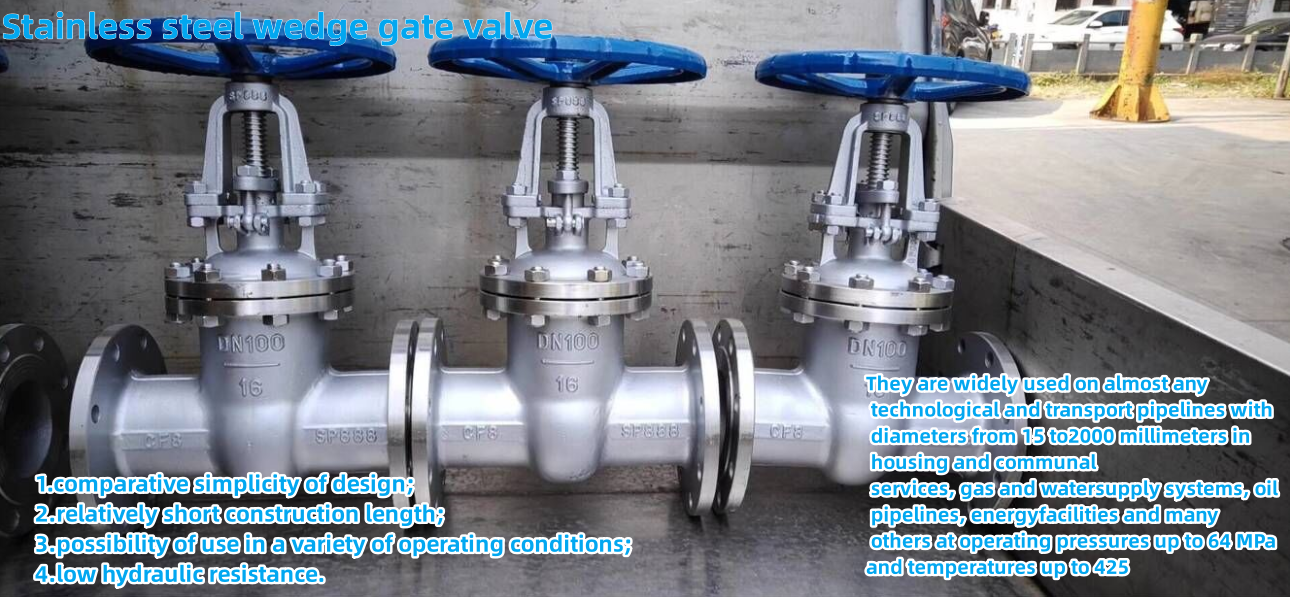
Introduction
Electric ball valves are quarter-turn valves utilizing an electric actuator to automate the opening and closing of a ball for flow control. Positioned within the broader category of automated valve technology, they represent a significant advancement over manual ball valves, offering precision, remote operation, and integration capabilities essential in modern industrial processes. Their primary function is on/off control, though modulating electric ball valves are also available. Core performance characteristics include torque output, actuation speed, leak tightness (achieved through resilient seats), and process compatibility based on material selection. These valves find widespread application in industries such as oil & gas, chemical processing, water & wastewater treatment, and HVAC systems where remote and automated flow control is critical.
Material Science & Manufacturing
The body of an electric ball valve is commonly manufactured from carbon steel (A105), stainless steel (304/316), or specialized alloys like Hastelloy, depending on the fluid being controlled and the operating environment. Carbon steel offers cost-effectiveness for non-corrosive applications, while stainless steel provides superior corrosion resistance. Hastelloy is employed in highly aggressive chemical environments. The ball itself is typically made from hardened stainless steel (410, 316) to ensure durability and resistance to erosion. Seals are critical; materials like PTFE (Teflon), RPTFE, or elastomers (EPDM, Viton) are chosen for their chemical compatibility and low friction coefficient, ensuring leak-tight closure. Manufacturing processes involve precision machining of the valve body and ball, followed by surface treatments like passivation (for stainless steel) or epoxy coating (for carbon steel) to enhance corrosion resistance. The electric actuator is assembled separately, incorporating a motor, gearbox, and control circuitry. Critical parameter control during manufacturing includes dimensional accuracy of the ball and seat, surface finish to minimize friction, and proper torque calibration of the actuator to prevent over-tightening or incomplete closure. Welding processes, when employed (e.g., for joining valve body components), must adhere to ASME Section IX standards to ensure weld integrity and prevent leakage paths. Non-destructive testing (NDT) such as radiography and ultrasonic testing is routinely used to verify weld quality.
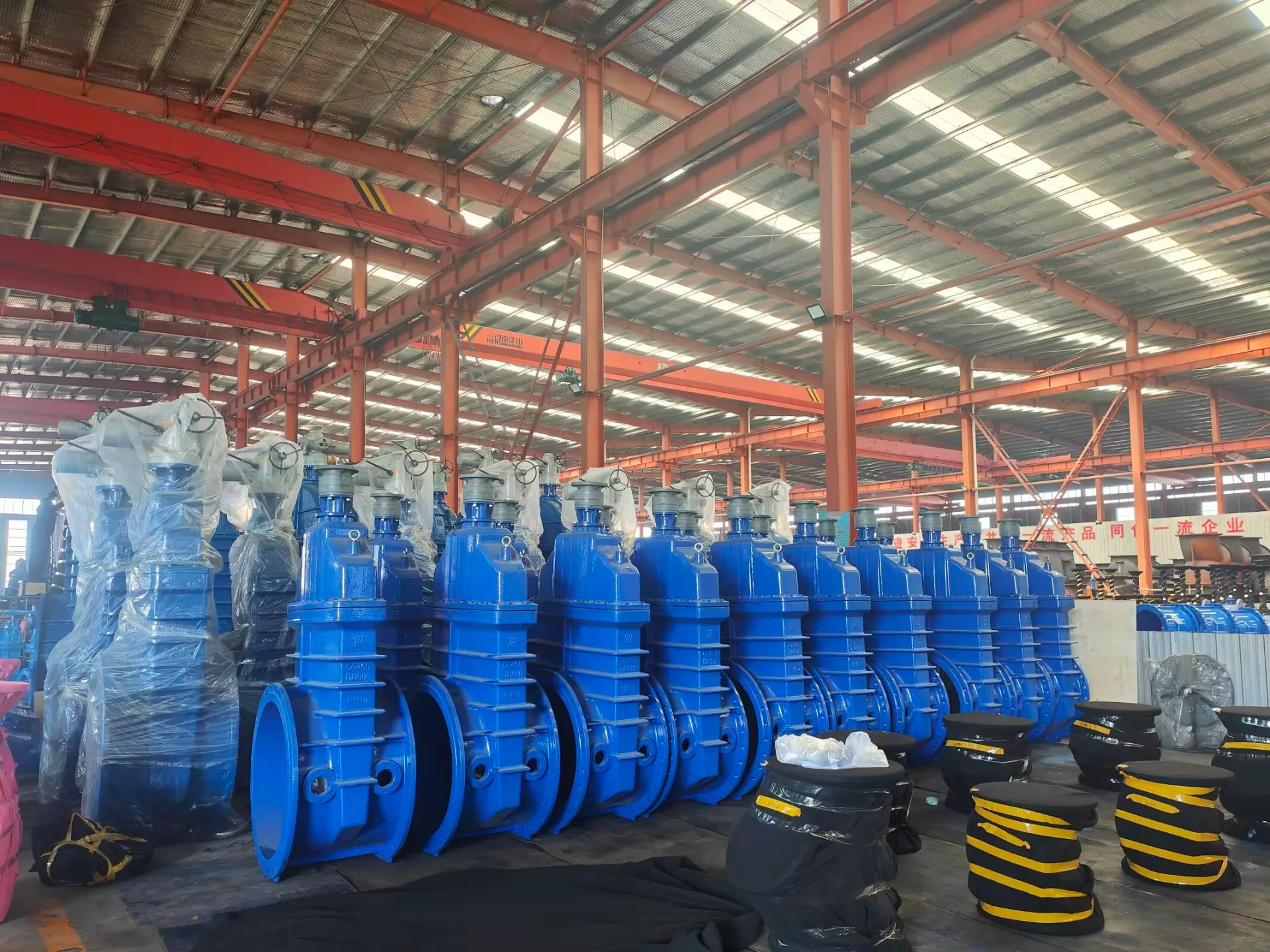
Performance & Engineering
Performance of electric ball valves is heavily influenced by torque requirements. The actuator must provide sufficient torque to overcome fluid pressure, friction within the valve, and any downstream load. Torque calculations consider factors like valve size, pressure differential, fluid viscosity, and the presence of any cavitation. Environmental resistance is also paramount. Valves operating in corrosive atmospheres require appropriate material selection and protective coatings. Temperature extremes can affect seal performance and actuator operation; specialized actuators with heating or cooling systems may be necessary. Compliance requirements vary by industry. For example, in the oil & gas sector, valves must meet API 6D standards for design, manufacturing, and testing. In the pharmaceutical industry, compliance with FDA regulations and hygienic design principles (e.g., 3A sanitary standards) is critical. Functional implementation involves proper wiring of the actuator, integration with control systems (PLC, DCS), and setting of limit switches to prevent over-travel. Force analysis focuses on the actuator’s output force and its ability to reliably operate the ball under varying process conditions. Consideration must also be given to the valve’s seat loading characteristics to maintain a tight seal over extended periods. Fail-safe designs, where the valve automatically closes or opens upon power failure, are often implemented for safety-critical applications.
Technical Specifications
| Parameter | Unit | Typical Value (Carbon Steel, 2” Valve) | Typical Value (Stainless Steel 316, 2” Valve) |
|---|---|---|---|
| Maximum Operating Pressure | psi | 740 | 600 |
| Temperature Range | °F | -20 to 450 | -40 to 500 |
| Actuator Voltage | VAC | 120/240 | 230/460 |
| Actuation Time (90° Rotation) | seconds | 8-12 | 10-15 |
| Leakage Class | (ANSI Class VI) | 0.1 | 0.01 |
| Valve Body Material | - | Carbon Steel (A105) | Stainless Steel (316) |
Failure Mode & Maintenance
Common failure modes in electric ball valves include seat degradation (leading to leakage), actuator failure (motor burnout, gearbox wear), stem corrosion, and cavitation erosion of the ball. Seat degradation is often caused by abrasive particles in the fluid or chemical attack. Actuator failure can result from overheating, lubrication issues, or electrical faults. Stem corrosion can occur in corrosive environments, especially if the stem material is not appropriately selected. Cavitation occurs when pressure drops rapidly, forming vapor bubbles that collapse and erode the ball surface. Failure analysis should involve visual inspection, leak testing, and potentially destructive testing (e.g., metallurgical analysis of failed components). Preventive maintenance includes regular lubrication of the actuator gearbox, inspection of seals for wear, and checking the actuator wiring for corrosion. Periodic testing of the actuator’s torque output is also recommended. For seat replacement, proper tooling and torque specifications must be followed to ensure a leak-tight seal. If corrosion is observed, the valve body and stem should be replaced or refurbished with a more corrosion-resistant material or coating. Proper filter installation upstream of the valve can mitigate abrasive wear. Scheduled inspections and adherence to manufacturer’s recommendations are essential for maximizing valve lifespan and reliability.
Industry FAQ
Q: What are the key differences between a modulating and on/off electric ball valve?
A: On/off electric ball valves provide full flow or complete shut-off with a 90-degree rotation. Modulating electric ball valves, conversely, allow for precise control of flow rate through partial rotations. Modulating valves use sophisticated control algorithms and positioning systems to accurately adjust the ball's opening, making them suitable for applications requiring variable flow control, such as temperature regulation or process optimization. They typically involve more complex actuator and control circuitry than on/off valves.
Q: How do I select the appropriate actuator size for a specific application?
A: Actuator sizing is crucial and depends on several factors: valve size, fluid type, operating pressure, temperature, and required actuation speed. The primary consideration is the torque required to overcome the process forces. Manufacturers provide torque calculation formulas and sizing charts. It's generally recommended to select an actuator with a safety factor (typically 1.25 to 1.5) to account for unforeseen conditions or increased friction. Undersized actuators will struggle to operate the valve reliably, while oversized actuators can lead to excessive wear and tear.
Q: What are the limitations of PTFE seats in high-temperature applications?
A: While PTFE is excellent for chemical resistance, its mechanical properties degrade at higher temperatures. Above approximately 400°F (204°C), PTFE begins to lose its compressive strength and can creep under load, leading to leakage. For high-temperature applications, materials like RPTFE (reinforced PTFE) or PEEK (polyether ether ketone) are preferred, offering improved thermal stability and mechanical properties. Proper seat design and gland loading are also critical to maintaining a seal at elevated temperatures.
Q: How can I prevent actuator burnout due to overheating?
A: Actuator overheating is often caused by excessive cycling, high ambient temperatures, or insufficient ventilation. To prevent burnout, ensure the actuator is adequately ventilated and not exposed to direct sunlight. Limit the number of operating cycles per hour, and consider using an actuator with a higher duty cycle rating. Regularly check the actuator’s temperature and lubrication levels. Using a thermal overload protector can also shut down the actuator if it exceeds a safe temperature limit.
Q: What are the best practices for grounding electric ball valves?
A: Proper grounding is essential for safety and preventing electrical interference. The valve body should be securely grounded to the process piping system to provide a low-impedance path for fault currents. The actuator enclosure should also be grounded. Use appropriately sized grounding conductors and ensure that all connections are clean and tight. Follow local electrical codes and regulations for grounding requirements.
Conclusion
Electric ball valves represent a robust and versatile solution for automated flow control in a wide range of industrial applications. Their reliability hinges on careful material selection, precise manufacturing, and adherence to industry standards. Understanding the potential failure modes and implementing a comprehensive maintenance program are crucial for maximizing valve lifespan and ensuring process integrity. The advancements in actuator technology and control systems continue to enhance the performance and capabilities of these valves.
Future trends in electric ball valve technology include the development of smart valves with integrated sensors for remote monitoring and diagnostics, increased adoption of fail-safe designs, and the use of more advanced materials for improved corrosion resistance and high-temperature performance. The growing demand for process automation and efficiency will continue to drive innovation in this critical component of industrial infrastructure.
-
Top Reasons to Choose a Stainless Steel Flange Check Valve for Industrial Applications
-
DN50 Flange Performance Analysis
-
double flanged butterfly valve Performance Analysis
-
forged flanges Performance Analysis
-
4 blind flange Performance Engineering
-
3 flanged ball valve Performance Analysis
-
2 threaded flange Performance Analysis
-
4 ball valve flanged Performance Analysis
-
90 degree flange elbow Performance Analysis
-
Custom Flanges Performance Analysis
-
DN40 Flange Performance Analysis
-
double flange butterfly valve Performance Analysis
-
Double Flanged Couplings Performance Analysis
-
double flanged butterfly valves Material Science
-
forged flange Performance Analysis
 Afrikaans
 Albanian
 Amharic
 Arabic
 Armenian
 Azerbaijani
 Basque
 Belarusian
 Bengali
 Bosnian
 Bulgarian
 Catalan
 Cebuano
 Corsican
 Croatian
 Czech
Czech
 Danish
 Dutch
Dutch
 Esperanto
 Estonian
 Finnish
 French
 Frisian
 Galician
 Georgian
 German
 Greek
Greek
 Gujarati
 Haitian Creole
 Hausa
Hawaiian
Hausa
Hawaiian
 Hebrew
 Hindi
Hindi
 Miao
Miao
 Hungarian
 Icelandic
 Igbo
Igbo
 Indonesian
 Irish
Irish
 Italian
 Japanese
 Javanese
Kannada
Javanese
Kannada
 Kazakh
 Khmer
Khmer
 Rwandese
 Korean
 Kurdish
 Kyrgyz
 Lao
Lao
 Latin
Latin
 Latvian
 Lithuanian
 Luxembourgish
 Macedonian
 Malgashi
 Malay
Malay
 Malayalam
 Maltese
 Maori
Maori
 Marathi
 Mongolian
 Myanmar
 Nepali
 Norwegian
 Norwegian
 Occitan
 Pashto
 Persian
 Polish
 Portuguese
Punjabi
Portuguese
Punjabi
 Romanian
 Russian
 Samoan
 Scottish Gaelic
 Serbian
 Sesotho
 Shona
Shona
 Sindhi
 Sinhala
 Slovak
 Slovenian
 Somali
 Spanish
 Sundanese
 Swahili
 Swedish
Tagalog
Swedish
Tagalog
 Tajik
Tajik
 Tamil
Tamil
 Tatar
Tatar
 Telugu
 Thai
Thai
 Turkish
 Turkmen
 Ukrainian
 Urdu
Urdu
 Uighur
 Uzbek
Uzbek
 Vietnamese
 Welsh
Welsh
 Bantu
Bantu
 Yiddish
 Yoruba
 Zulu
Zulu
 English