




float ball valve Performance Analysis
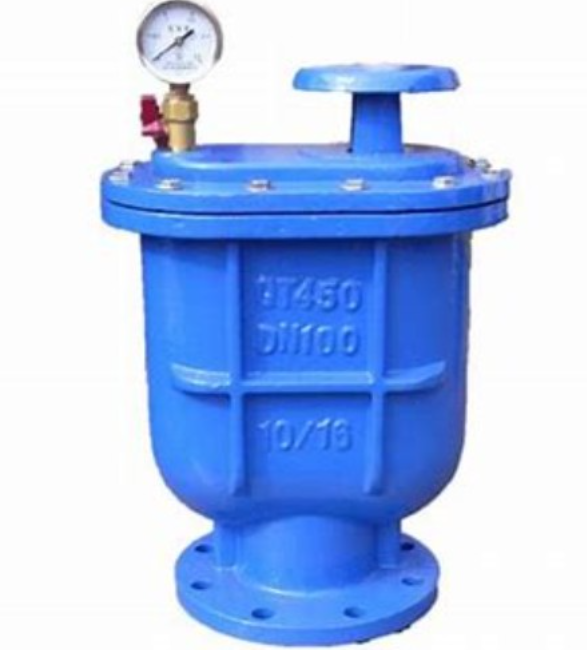
Introduction
The float ball valve is a type of automatic shut-off valve utilized extensively in liquid level control systems. Positioned within the industrial chain as a critical component in tank filling, drainage, and overflow prevention, its core performance centers on maintaining pre-defined liquid levels with minimal human intervention. Unlike solenoid or pressure-activated valves, the float ball valve employs a mechanical principle – buoyancy – rendering it particularly reliable in applications demanding intrinsic safety and resistance to electrical hazards. Its primary function is to regulate flow based on the vertical position of a float connected to the valve’s internal mechanism. This guide provides a comprehensive technical overview of float ball valves, encompassing material science, manufacturing processes, performance characteristics, failure modes, and relevant industry standards. Core industry pain points addressed include material compatibility with aggressive fluids, long-term sealing reliability, and predictable operational lifespan in harsh environments.
Material Science & Manufacturing
Float ball valves are typically constructed from a variety of materials dictated by the application’s fluid compatibility and temperature requirements. Common body materials include Polypropylene (PP), Polyvinyl Chloride (PVC), Chlorinated Polyvinyl Chloride (CPVC), Stainless Steel (304, 316), and Brass (CA360). PP and PVC are favored for their corrosion resistance to many chemicals and lower cost, but their temperature and pressure limitations necessitate careful consideration. Stainless steel, particularly 316, provides superior corrosion resistance, especially in chloride-rich environments, and can operate at higher temperatures. Brass offers good machinability and is suitable for water and some neutral fluids. The float itself is commonly manufactured from PP, polyethylene (PE), or stainless steel. Sealing components – the valve seat and ball – are often made from materials like PTFE (Teflon), EPDM, or Viton, selected for their chemical inertness and elastic properties.
Manufacturing processes vary based on material. Plastic bodies are frequently produced via injection molding. This process requires precise temperature and pressure control to ensure dimensional accuracy and prevent warping. Mold design is crucial, incorporating draft angles and appropriate gate locations for optimal material flow. Stainless steel and brass bodies are typically manufactured through machining from solid stock, requiring CNC milling and turning operations. Welding is employed in some stainless steel designs. The float ball is commonly blow-molded for plastic variants or stamped/formed from sheet metal for stainless steel. Critical parameter control includes maintaining tight tolerances on the ball’s diameter and the valve seat’s geometry to ensure a leak-tight seal. Post-processing includes deburring, cleaning, and pressure testing to verify functionality and identify defects. Material traceability is paramount, particularly for applications requiring regulatory compliance.
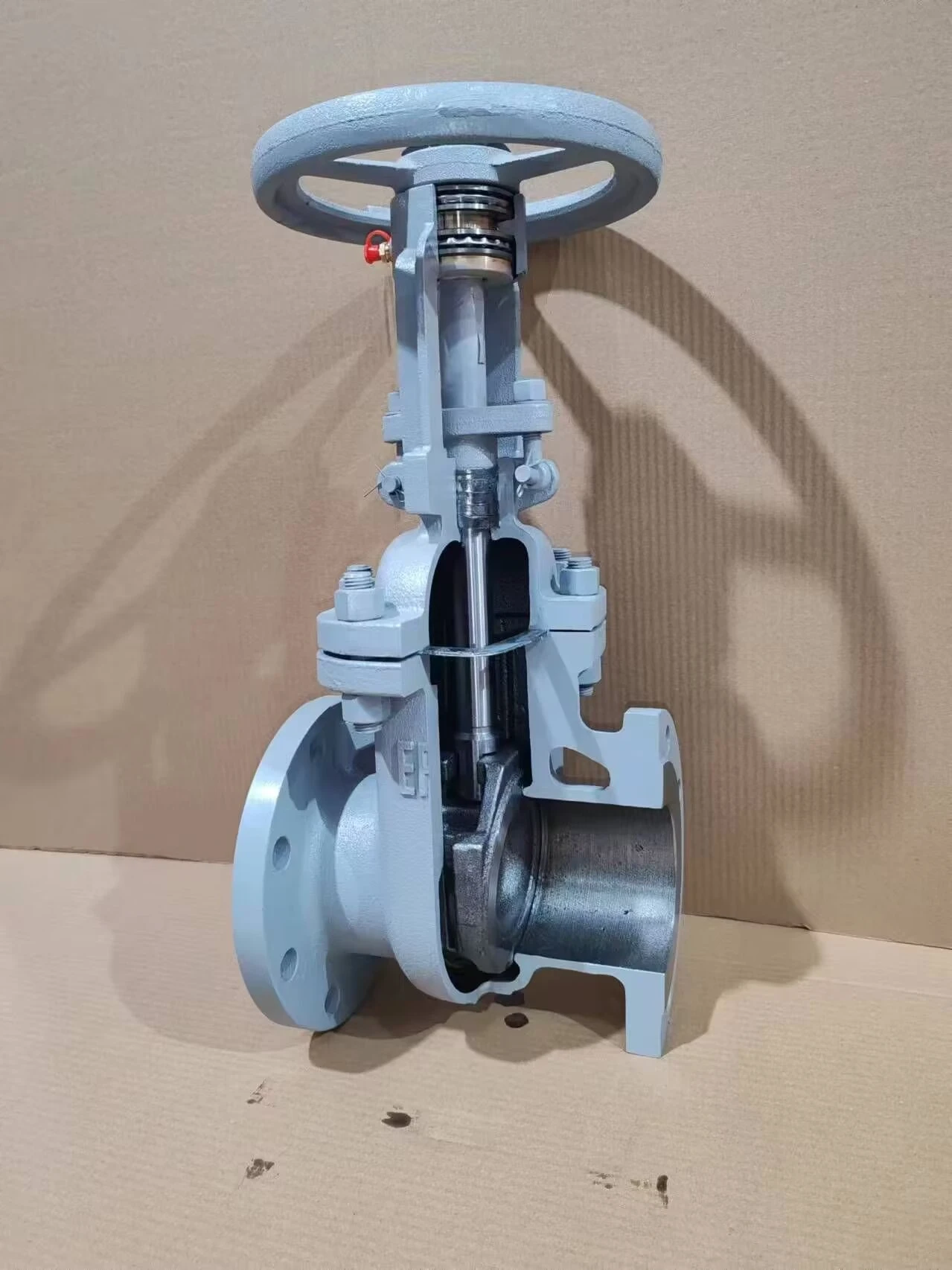
Performance & Engineering
The performance of a float ball valve is fundamentally governed by Archimedes’ principle. The buoyant force exerted on the float must overcome the weight of the float and any connected mechanical components to initiate valve closure. Force analysis involves calculating the buoyant force (equal to the weight of the displaced fluid), the weight of the float, and the force required to compress the valve seat. Environmental resistance is a significant concern; prolonged exposure to UV radiation can degrade plastic components, while temperature fluctuations can affect material dimensions and sealing performance. Corrosion is a critical factor, dictating material selection based on the fluid being controlled. For example, chloride-containing solutions demand stainless steel or specialized plastic alloys.
Compliance requirements depend on the application. Potable water systems necessitate materials certified to NSF/ANSI 61 standards. Food and beverage processing applications require FDA compliance. Hazardous location applications may require valves certified to ATEX or IECEx standards. Functional implementation considers factors like flow rate, pressure drop, and hysteresis (the difference between the opening and closing liquid levels). Valve size is selected based on the required flow capacity, while the float’s size and shape influence sensitivity and stability. Proper installation – ensuring level mounting and adequate space for float travel – is essential for reliable operation. The lever arm geometry connecting the float to the valve stem impacts the valve’s responsiveness and required actuation force.
Technical Specifications
| Parameter | Polypropylene (PP) | PVC | Stainless Steel 316 | Brass (CA360) |
|---|---|---|---|---|
| Maximum Operating Pressure | 10 bar (145 psi) | 6 bar (87 psi) | 25 bar (362 psi) | 20 bar (290 psi) |
| Operating Temperature Range | -10°C to 80°C (14°F to 176°F) | -5°C to 60°C (23°F to 140°F) | -20°C to 120°C (-4°F to 248°F) | -10°C to 90°C (14°F to 194°F) |
| Fluid Compatibility | Acids, Alkalies (limited) | Water, dilute acids | Most chemicals, saltwater | Water, neutral fluids |
| Connection Type | Threaded (BSP, NPT) | Threaded (BSP, NPT), Socket Weld | Threaded (BSP, NPT), Flanged | Threaded (BSP, NPT) |
| Seal Material Options | EPDM, Viton | EPDM, Viton | PTFE, Viton | PTFE |
| Typical Application | Chemical storage tanks, water treatment | Irrigation, low-pressure water systems | Corrosive environments, high-temperature processes | Potable water systems, general plumbing |
Failure Mode & Maintenance
Common failure modes in float ball valves include seat degradation, leading to leakage; float damage or sinking, causing erratic operation or continuous filling; and mechanical binding of the valve stem, preventing proper actuation. Fatigue cracking can occur in metallic components subjected to cyclical loading, particularly at weld points. Delamination of plastic materials can result from UV exposure or chemical attack. Oxidation of stainless steel in high-temperature environments can reduce corrosion resistance.
Preventative maintenance is crucial. Regular inspection of the float for damage or leaks is recommended. Periodic cleaning of the valve body and seat removes debris and prevents binding. Lubrication of the valve stem with a compatible lubricant ensures smooth operation. For plastic valves, avoid prolonged exposure to direct sunlight. For stainless steel valves, periodic passivation can restore corrosion resistance. If leakage occurs, replace the valve seat. If the float is damaged, replace it with a compatible material. In cases of severe corrosion or mechanical failure, complete valve replacement may be necessary. Record keeping of maintenance activities and failure analysis data aids in identifying recurring issues and optimizing maintenance schedules.
Industry FAQ
Q: What are the key considerations when selecting a float ball valve for a corrosive chemical application?
A: The primary consideration is material compatibility. Stainless steel 316 is generally preferred for its superior corrosion resistance, particularly against chlorides. However, the specific chemical being handled dictates the optimal material. Consult a chemical compatibility chart to ensure the valve body, float, and seal materials are resistant to degradation. Consider the concentration and temperature of the chemical, as these factors can significantly impact corrosion rates.
Q: How does temperature affect the performance of a PVC float ball valve?
A: PVC’s mechanical properties degrade at elevated temperatures. Above 60°C (140°F), PVC becomes more susceptible to deformation and cracking. High temperatures can also reduce the valve’s pressure rating. For applications exceeding this temperature limit, consider using CPVC or a higher-performance material like stainless steel.
Q: What is the typical lifespan of a polypropylene float ball valve in a potable water system?
A: The lifespan of a PP float ball valve in a potable water system typically ranges from 5 to 10 years, depending on water quality, pressure fluctuations, and usage frequency. Regular inspection and cleaning can extend its lifespan. Hard water containing high mineral content can lead to scale buildup, reducing valve performance and potentially causing premature failure.
Q: What are the potential consequences of improper float adjustment?
A: Improper float adjustment can lead to either overfilling or underfilling of the tank. If the float is adjusted too high, the valve will close prematurely, preventing the tank from filling completely. If the float is adjusted too low, the valve will not close in time, resulting in overflow. Precise adjustment is critical for maintaining optimal liquid level control.
Q: How does hysteresis affect the accuracy of liquid level control in a float ball valve system?
A: Hysteresis represents the difference between the liquid level at which the valve opens and the level at which it closes. A larger hysteresis band results in a wider fluctuation in the liquid level. Minimizing hysteresis – through careful selection of float size and lever arm geometry – improves the precision and stability of the level control system.
Conclusion
The float ball valve remains a vital component in diverse industrial applications demanding reliable and autonomous liquid level control. Its simplicity, durability, and inherent safety make it an enduring solution, particularly where electrical power is unavailable or undesirable. The choice of material – polypropylene, PVC, stainless steel, or brass – is predicated on fluid compatibility, operating temperature, and pressure requirements. Understanding the potential failure modes, coupled with a proactive maintenance strategy, is paramount to maximizing operational lifespan and ensuring consistent performance.
Future developments are focused on enhancing material science to improve corrosion resistance and temperature stability, as well as incorporating smart features like remote monitoring and predictive maintenance capabilities. Optimizing valve designs to minimize hysteresis and improve responsiveness will further enhance the precision of liquid level control. Continued adherence to relevant industry standards and regulations – ensuring compliance and safety – will remain a critical consideration for manufacturers and end-users alike.
-
Top Reasons to Choose a Stainless Steel Flange Check Valve for Industrial Applications
-
stop check valves Performance Analysis
-
pilot operated check valve Performance Analysis
-
spring loaded check valve Material Science Manufacturing
-
pilot operated check valves Performance Analysis
-
check valve pilot operated Performance Analysis
-
1 4 in check valve Performance Engineering
-
check valve 3 4 Performance Analysis
-
11 2 check valve Performance Analysis
-
spring check valve Material Science Manufacturing
-
DN100 Flange Performance Analysis
-
DN50 Flange Performance Analysis
-
double flanged butterfly valve Performance Analysis
-
forged flanges Performance Analysis
-
4 blind flange Performance Engineering
 Afrikaans
 Albanian
 Amharic
 Arabic
 Armenian
 Azerbaijani
 Basque
 Belarusian
 Bengali
 Bosnian
 Bulgarian
 Catalan
 Cebuano
 Corsican
 Croatian
 Czech
Czech
 Danish
 Dutch
Dutch
 Esperanto
 Estonian
 Finnish
 French
 Frisian
 Galician
 Georgian
 German
 Greek
Greek
 Gujarati
 Haitian Creole
 Hausa
Hawaiian
Hausa
Hawaiian
 Hebrew
 Hindi
Hindi
 Miao
Miao
 Hungarian
 Icelandic
 Igbo
Igbo
 Indonesian
 Irish
Irish
 Italian
 Japanese
 Javanese
Kannada
Javanese
Kannada
 Kazakh
 Khmer
Khmer
 Rwandese
 Korean
 Kurdish
 Kyrgyz
 Lao
Lao
 Latin
Latin
 Latvian
 Lithuanian
 Luxembourgish
 Macedonian
 Malgashi
 Malay
Malay
 Malayalam
 Maltese
 Maori
Maori
 Marathi
 Mongolian
 Myanmar
 Nepali
 Norwegian
 Norwegian
 Occitan
 Pashto
 Persian
 Polish
 Portuguese
Punjabi
Portuguese
Punjabi
 Romanian
 Russian
 Samoan
 Scottish Gaelic
 Serbian
 Sesotho
 Shona
Shona
 Sindhi
 Sinhala
 Slovak
 Slovenian
 Somali
 Spanish
 Sundanese
 Swahili
 Swedish
Tagalog
Swedish
Tagalog
 Tajik
Tajik
 Tamil
Tamil
 Tatar
Tatar
 Telugu
 Thai
Thai
 Turkish
 Turkmen
 Ukrainian
 Urdu
Urdu
 Uighur
 Uzbek
Uzbek
 Vietnamese
 Welsh
Welsh
 Bantu
Bantu
 Yiddish
 Yoruba
 Zulu
Zulu
 English