




carbon steel ball valve Performance Analysis
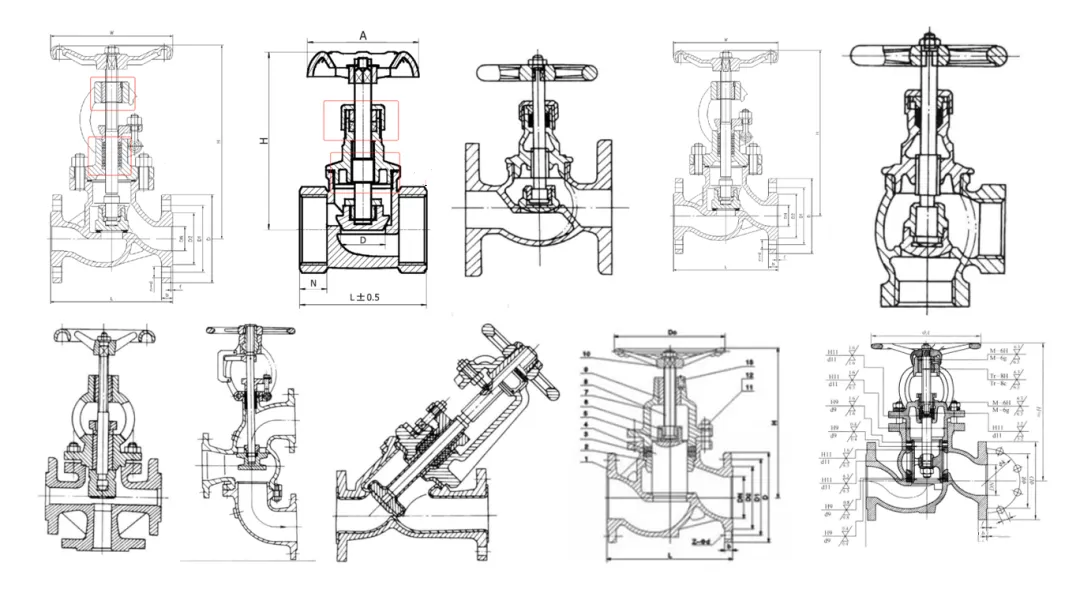
Introduction
Carbon steel ball valves are quarter-turn valves utilizing a hollow, pivoting ball to control fluid flow. Positioned within the industrial fluid handling chain, they function as critical components in pipelines for on/off service and flow regulation. These valves are prevalent in industries like oil and gas, chemical processing, water treatment, and power generation due to their robustness, reliability, and tight shut-off capabilities. Core performance characteristics center around pressure rating, temperature tolerance, fluid compatibility, and leak tightness, typically measured in parts per million (PPM). A key industry pain point lies in ensuring long-term corrosion resistance in aggressive environments and maintaining consistent torque requirements throughout the valve’s lifecycle. Material selection, manufacturing precision, and proper sealing materials are crucial factors influencing valve longevity and minimizing maintenance downtime.
Material Science & Manufacturing
The primary material for the valve body is typically ASTM A105 carbon steel, characterized by its tensile strength (typically 70,000 psi minimum) and yield strength (36,000 psi minimum). The ball itself is commonly crafted from similar carbon steel grades, often hardened to increase wear resistance (Rockwell C hardness of 60-65). Sealing materials are critical, with PTFE (Polytetrafluoroethylene) being a frequent choice due to its chemical inertness and low friction coefficient. However, other elastomers like reinforced PTFE, PEEK (Polyether ether ketone), or Viton are employed based on temperature and fluid compatibility requirements. Manufacturing involves several key steps: forging of the valve body, machining of the ball and seats, and precision welding of components. Critical parameters include the surface finish of the ball (Ra < 0.8 μm for optimal sealing) and the dimensional accuracy of the bore. Welding processes like Gas Tungsten Arc Welding (GTAW) or Shielded Metal Arc Welding (SMAW) are utilized, requiring strict adherence to welding procedures (WPS) and qualified welders to prevent porosity and ensure structural integrity. Heat treatment processes, such as normalizing and tempering, are implemented to achieve desired mechanical properties and minimize residual stress.
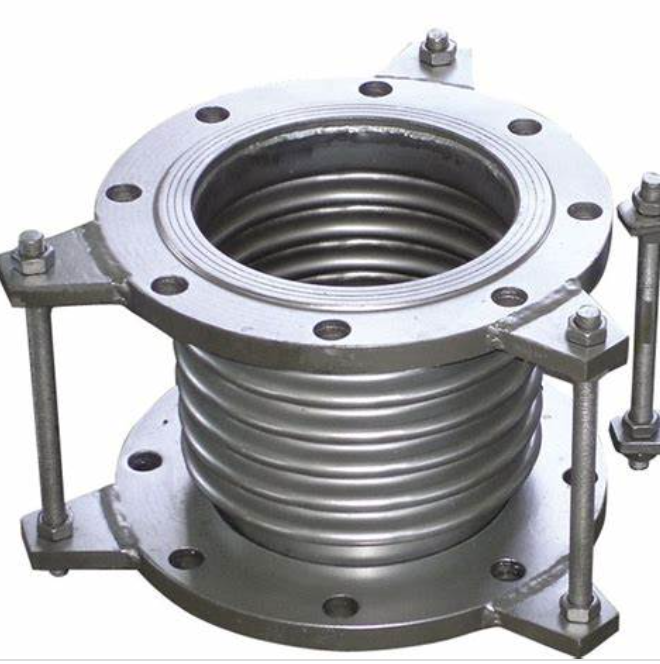
Performance & Engineering
Performance analysis of carbon steel ball valves centers on pressure-temperature ratings, torque requirements, and flow characteristics. Finite Element Analysis (FEA) is employed to assess stress distribution under various loading conditions, ensuring the valve body can withstand maximum allowable pressures (MAP). The torque required to operate the valve is a critical engineering parameter, influenced by seat material, ball finish, and internal pressure. Cavitation, the formation and implosion of vapor bubbles, can occur in high-velocity flow applications, causing erosion damage to the ball and seats. Valve design incorporates anti-cavitation trims to mitigate this risk. Environmental resistance is another vital consideration, particularly regarding corrosion. Carbon steel is susceptible to corrosion in moist environments; therefore, protective coatings like epoxy or galvanizing are frequently applied. Furthermore, valves intended for hazardous environments must comply with regulations like ATEX or IECEx, requiring specific materials and construction to prevent ignition of flammable fluids or gases. Compliance with API 6D, the industry standard for ball valves, dictates stringent testing procedures including hydrostatic testing, seat leak testing, and fire testing.
Technical Specifications
| Parameter | Specification (Typical) | Test Standard | Unit |
|---|---|---|---|
| Maximum Allowable Pressure (MAP) | 2500 | ANSI/API 6D | psi |
| Temperature Range | -29°C to 121°C | API 6D | °C |
| Valve Size | DN15 - DN600 | ANSI/ASME B16.34 | mm |
| Connection Type | Screwed, Socket Welded, Butt Welded, Flanged | ANSI/ASME B16.5 | - |
| Seat Leakage | 9.5 x 10⁻⁶ | API 598 | mL/min/m |
| Actuation Type | Manual, Gear Operated, Pneumatic, Electric | - | - |
Failure Mode & Maintenance
Common failure modes in carbon steel ball valves include seat erosion due to particulate matter in the fluid, ball scratching or pitting from abrasive solids, stem packing leakage, and corrosion of the valve body. Fatigue cracking can occur in the valve stem or body due to cyclic loading. Delamination of the seat material can also result in leakage. Oxidation and corrosion, especially in the presence of chlorides, can lead to pitting corrosion and eventual valve failure. Regular maintenance is crucial. This includes periodic inspection of the valve body for corrosion, checking the stem packing for leaks and replacing it as needed, lubricating the ball and seats, and verifying the torque required for operation. Non-destructive testing (NDT) methods like ultrasonic testing (UT) and radiographic testing (RT) can be employed to detect internal flaws. For heavily corroded valves, complete replacement may be necessary. Preventative maintenance schedules should be established based on the severity of the operating environment and the fluid being handled. Proper storage during periods of inactivity is also important to prevent corrosion.
Industry FAQ
Q: What are the key considerations when selecting a ball valve for a high-temperature, high-pressure steam application?
A: For high-temperature, high-pressure steam, material selection is paramount. A105 carbon steel may be sufficient for moderate conditions, but for more extreme temperatures and pressures, alloy steels like ASTM A182 F22 or F91 are recommended. The seat material must also be compatible with steam, with PTFE often being replaced by reinforced PTFE or graphite for enhanced temperature resistance. Furthermore, ensure the valve complies with ASME Section VIII, Division 1 for pressure vessel design.
Q: How does the surface finish of the ball impact the valve's leak tightness?
A: The surface finish of the ball is directly correlated to leak tightness. A smoother surface (lower Ra value) reduces the likelihood of microscopic gaps between the ball and seats, minimizing leakage. Typically, a surface finish of Ra < 0.8 μm is specified for critical applications. However, excessive polishing can introduce surface defects, so the polishing process must be carefully controlled.
Q: What are the implications of using a carbon steel ball valve in a corrosive fluid environment?
A: Carbon steel is susceptible to corrosion in many fluid environments. In corrosive applications, consider using corrosion-resistant alloys like stainless steel (316 or 304) or applying protective coatings like epoxy or PTFE lining. Regular inspection for corrosion is vital, and cathodic protection may be necessary in severe cases.
Q: What are the advantages and disadvantages of pneumatic vs. electric actuation for large-diameter ball valves?
A: Pneumatic actuation is generally faster and more cost-effective for large-diameter valves, but requires a compressed air supply. Electric actuation offers more precise control and is suitable for remote operation, but is typically slower and more expensive. The choice depends on the specific application requirements and available infrastructure.
Q: What testing is typically performed to verify the performance of a carbon steel ball valve prior to installation?
A: Prior to installation, valves undergo hydrostatic testing to verify body integrity, seat leak testing to confirm tight shut-off, and operational testing to ensure smooth operation of the actuator (if applicable). Depending on the application, fire testing (API 6FA) and low-temperature testing may also be performed.
Conclusion
Carbon steel ball valves represent a fundamental component in numerous industrial fluid handling systems, offering a robust and reliable solution for on/off control. Their performance hinges on meticulous material selection, precise manufacturing processes, and adherence to stringent industry standards. Understanding the material properties, potential failure modes, and appropriate maintenance procedures is critical for ensuring long-term operational integrity and minimizing costly downtime.
Moving forward, advancements in materials science and valve design will continue to improve the performance and longevity of carbon steel ball valves. Innovations in sealing technology, corrosion-resistant coatings, and predictive maintenance techniques, facilitated by IIoT (Industrial Internet of Things) sensors, will further enhance their reliability and reduce lifecycle costs. The focus will remain on achieving tighter shut-off, minimizing torque requirements, and extending operational lifespan in increasingly demanding environments.
-
Top Reasons to Choose a Stainless Steel Flange Check Valve for Industrial Applications
-
12 inch check valve Performance Analysis
-
lift check valves Performance Engineering
-
check valve 12 inch Performance Analysis
-
stop check valve Performance Analysis
-
check stop valve Performance Analysis
-
stop check valves Performance Analysis
-
pilot operated check valve Performance Analysis
-
spring loaded check valve Material Science Manufacturing
-
pilot operated check valves Performance Analysis
-
check valve pilot operated Performance Analysis
-
1 4 in check valve Performance Engineering
-
check valve 3 4 Performance Analysis
-
11 2 check valve Performance Analysis
-
spring check valve Material Science Manufacturing
 Afrikaans
 Albanian
 Amharic
 Arabic
 Armenian
 Azerbaijani
 Basque
 Belarusian
 Bengali
 Bosnian
 Bulgarian
 Catalan
 Cebuano
 Corsican
 Croatian
 Czech
Czech
 Danish
 Dutch
Dutch
 Esperanto
 Estonian
 Finnish
 French
 Frisian
 Galician
 Georgian
 German
 Greek
Greek
 Gujarati
 Haitian Creole
 Hausa
Hawaiian
Hausa
Hawaiian
 Hebrew
 Hindi
Hindi
 Miao
Miao
 Hungarian
 Icelandic
 Igbo
Igbo
 Indonesian
 Irish
Irish
 Italian
 Japanese
 Javanese
Kannada
Javanese
Kannada
 Kazakh
 Khmer
Khmer
 Rwandese
 Korean
 Kurdish
 Kyrgyz
 Lao
Lao
 Latin
Latin
 Latvian
 Lithuanian
 Luxembourgish
 Macedonian
 Malgashi
 Malay
Malay
 Malayalam
 Maltese
 Maori
Maori
 Marathi
 Mongolian
 Myanmar
 Nepali
 Norwegian
 Norwegian
 Occitan
 Pashto
 Persian
 Polish
 Portuguese
Punjabi
Portuguese
Punjabi
 Romanian
 Russian
 Samoan
 Scottish Gaelic
 Serbian
 Sesotho
 Shona
Shona
 Sindhi
 Sinhala
 Slovak
 Slovenian
 Somali
 Spanish
 Sundanese
 Swahili
 Swedish
Tagalog
Swedish
Tagalog
 Tajik
Tajik
 Tamil
Tamil
 Tatar
Tatar
 Telugu
 Thai
Thai
 Turkish
 Turkmen
 Ukrainian
 Urdu
Urdu
 Uighur
 Uzbek
Uzbek
 Vietnamese
 Welsh
Welsh
 Bantu
Bantu
 Yiddish
 Yoruba
 Zulu
Zulu
 English