




carbon steel check valve Performance Analysis
Introduction
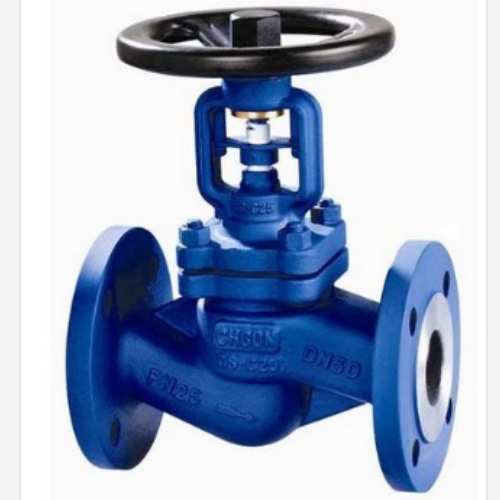
Carbon steel check valves are critical components in fluid handling systems, designed to prevent backflow in pipelines. Positioned within the industrial chain as a terminal control element, they ensure unidirectional flow of liquids and gases, safeguarding pumps, compressors, and other sensitive equipment. These valves are predominantly utilized in water treatment, oil and gas, power generation, and chemical processing industries. Core performance characteristics are defined by flow coefficient (Cv), pressure drop, sealing efficiency, and compatibility with the conveyed fluid. The selection of a carbon steel check valve is fundamentally linked to the process conditions, including temperature, pressure, fluid composition, and desired flow rate, impacting system efficiency and overall operational reliability. The prevalent types include swing check, lift check, and ball check valves, each optimized for specific operational demands and flow characteristics. A key industry pain point revolves around ensuring long-term corrosion resistance, particularly in aggressive chemical environments, and maintaining reliable sealing performance under fluctuating pressure conditions.
Material Science & Manufacturing
Carbon steel check valves are primarily constructed from various grades of carbon steel, with ASTM A105 being a common specification for forged components. The steel’s composition, typically 0.30% carbon, balances strength, ductility, and weldability. Material properties are crucial: yield strength (typically 36,000 psi for A105), tensile strength (65,000 psi), and elongation (20%) define the valve body's structural integrity. Manufacturing processes significantly impact the valve’s performance. Valve bodies are commonly produced via casting, forging, or machining. Casting is suitable for complex geometries but may require subsequent heat treatment to alleviate residual stresses. Forging provides enhanced grain structure and mechanical properties, critical for high-pressure applications. Machining ensures precise dimensions and surface finish, vital for sealing integrity. Valve discs are often manufactured from a similar carbon steel grade or may utilize alloy steels for increased wear resistance. The manufacturing process includes welding for joining components, requiring qualified welders and adherence to ASME Section IX standards to ensure weld integrity. Key parameter control focuses on maintaining dimensional tolerances, surface roughness, and heat treatment parameters to achieve desired mechanical properties and prevent defects like porosity or cracking. Corrosion prevention often involves internal coatings like epoxy or PTFE, particularly for handling corrosive fluids. Surface preparation prior to coating is paramount, involving abrasive blasting to achieve a specified surface profile (e.g., SSPC-SP6) for optimal adhesion.
Performance & Engineering
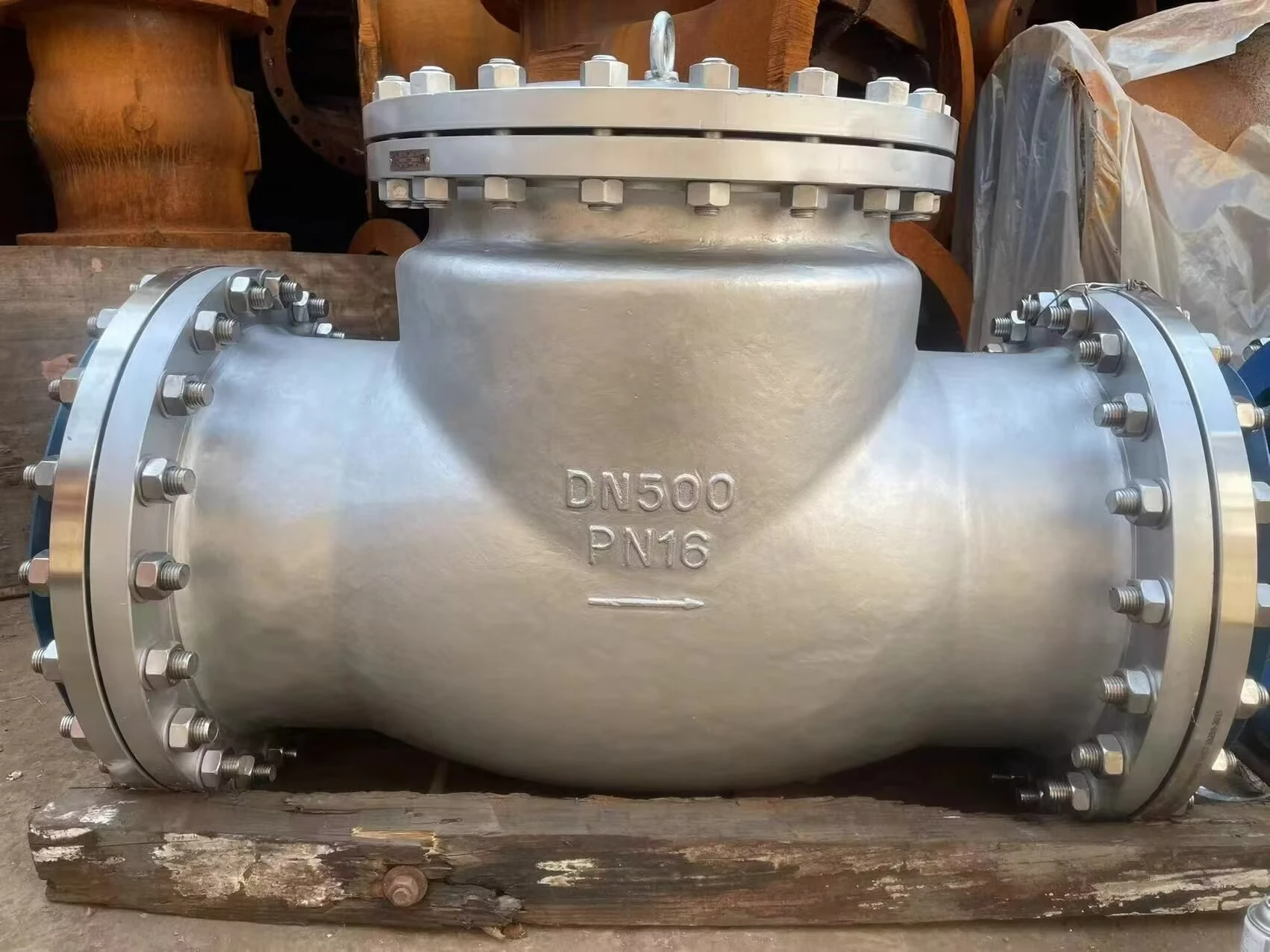
The performance of a carbon steel check valve is governed by several engineering principles. Force analysis is critical in disc design, considering hydrodynamic forces exerted by the flowing fluid. The disc must withstand these forces without excessive vibration or erosion. Environmental resistance is a paramount concern. Exposure to corrosive fluids, high temperatures, and UV radiation can degrade the material. Material selection and protective coatings are crucial to mitigate these effects. Compliance with industry standards is mandatory. API 598 outlines testing procedures for valve leakage, ensuring minimal backflow. Pressure-temperature ratings, defined by ASME B16.34, dictate the maximum allowable operating conditions. The valve’s flow coefficient (Cv) directly impacts system efficiency. Cv represents the volumetric flow rate of a fluid passing through the valve with a pressure drop of 1 psi. Accurate Cv values are essential for system sizing and performance prediction. Functional implementation relies on the valve’s self-actuating mechanism. In swing check valves, gravity assists in closing the disc, while lift check valves utilize fluid pressure. Proper valve sizing is essential to prevent water hammer and ensure smooth operation. Failure to account for pressure fluctuations can lead to premature valve failure and damage to connected equipment.
Technical Specifications
| Parameter | Unit | ASTM A105 | ASTM A350 Grade CF8M (Stainless Steel Comparison) |
|---|---|---|---|
| Body Material | - | Carbon Steel | Stainless Steel (316/316L) |
| Pressure Rating | psi | Up to 2000 | Up to 6000 |
| Temperature Range | °F | -20 to 450 | -325 to 850 |
| Connection Type | - | Screwed, Flanged, Welded | Screwed, Flanged, Welded |
| Seal Material | - | NBR, EPDM, PTFE | PTFE, Viton |
| Cv Value (1” Valve) | - | 2.5 – 3.5 | 3.0 – 4.0 |
Failure Mode & Maintenance
Carbon steel check valves are susceptible to several failure modes. Fatigue cracking can occur due to cyclical pressure fluctuations, particularly in the valve body or disc. Corrosion, especially pitting corrosion, is a common issue in aggressive chemical environments, weakening the material. Erosion, caused by abrasive particles in the fluid stream, can damage the disc and seat, leading to leakage. Delamination of internal coatings can expose the underlying steel to corrosion. Oxidation at high temperatures can also compromise material integrity. Failure analysis often reveals that improper installation, exceeding pressure-temperature limits, or inadequate maintenance contribute to premature failure. Maintenance protocols should include regular inspection for corrosion, erosion, and leakage. Periodic testing of valve sealing performance is crucial. Lubrication of moving parts reduces friction and prevents seizing. Preventative maintenance programs, including scheduled replacements of seals and coatings, can significantly extend valve lifespan. In case of leakage, the seat should be inspected for damage and replaced if necessary. Welding repairs should be performed by qualified welders and inspected according to ASME Section IX standards. Proper storage conditions, protecting valves from moisture and contaminants, are essential during periods of inactivity.
Industry FAQ
Q: What is the impact of fluid velocity on the lifespan of a swing check valve?
A: High fluid velocity increases the potential for erosion and water hammer, significantly reducing the valve's lifespan. Increased velocity accelerates wear on the disc and seat, potentially leading to leakage. Proper valve sizing and flow control are essential to maintain optimal velocity and prevent premature failure. Consider using a lift check valve in high-velocity applications, as they are generally less susceptible to erosion.
Q: How do different carbon steel grades compare in terms of corrosion resistance?
A: Different carbon steel grades vary in their corrosion resistance based on their alloy composition. Higher carbon content generally increases hardness but reduces corrosion resistance. ASTM A105 is a standard carbon steel grade with moderate corrosion resistance. For more corrosive environments, consider alloy steels with added chromium or nickel for improved resistance. Alternatively, the use of internal coatings like epoxy or PTFE is highly recommended.
Q: What are the critical factors to consider when selecting a seal material?
A: Seal material selection is critical and depends on the fluid’s chemical compatibility and temperature range. NBR (nitrile rubber) is suitable for oil-based fluids, while EPDM (ethylene propylene diene monomer) offers excellent resistance to water and steam. PTFE (polytetrafluoroethylene) provides broad chemical compatibility and high-temperature resistance, but may be less resilient under high pressure. Always consult a chemical compatibility chart before selecting a seal material.
Q: What are the advantages of flanged connections over screwed connections for carbon steel check valves?
A: Flanged connections provide a stronger, more reliable joint, particularly for high-pressure applications. They offer better sealing performance and are easier to disassemble for maintenance. Screwed connections are suitable for lower-pressure systems but are more prone to leakage and require more frequent tightening. Flanged connections are generally preferred for larger valve sizes and critical applications.
Q: How can I mitigate the risk of water hammer in a pipeline system with a carbon steel check valve?
A: Mitigating water hammer involves proper valve sizing, slow valve closure (where applicable, such as with some specialized check valve designs), and the installation of surge suppressors or accumulators. Maintaining consistent flow rates and avoiding sudden changes in flow direction can also reduce the risk. Choosing a check valve with a dampened closure mechanism can help to absorb shock and reduce pressure surges.
Conclusion
Carbon steel check valves represent a fundamental component in numerous industrial fluid handling systems. Their reliable, unidirectional flow control is critical for protecting equipment and maintaining process integrity. The careful consideration of material science, manufacturing processes, and performance engineering principles is essential for selecting a valve that meets specific application demands. Understanding the potential failure modes and implementing a robust maintenance program are paramount for maximizing valve lifespan and minimizing downtime.
Future advancements in check valve technology may focus on incorporating smart materials, predictive maintenance capabilities, and optimized flow designs to enhance performance and reduce operational costs. Continued research into corrosion-resistant coatings and alloy development will further extend valve lifespan in harsh environments. The integration of digital monitoring systems will enable real-time performance assessment and proactive maintenance scheduling, leading to improved system reliability and efficiency.
-
Top Reasons to Choose a Stainless Steel Flange Check Valve for Industrial Applications
-
stop check valves Performance Analysis
-
pilot operated check valve Performance Analysis
-
spring loaded check valve Material Science Manufacturing
-
pilot operated check valves Performance Analysis
-
check valve pilot operated Performance Analysis
-
1 4 in check valve Performance Engineering
-
check valve 3 4 Performance Analysis
-
11 2 check valve Performance Analysis
-
spring check valve Material Science Manufacturing
-
DN100 Flange Performance Analysis
-
DN50 Flange Performance Analysis
-
double flanged butterfly valve Performance Analysis
-
forged flanges Performance Analysis
-
4 blind flange Performance Engineering
 Afrikaans
 Albanian
 Amharic
 Arabic
 Armenian
 Azerbaijani
 Basque
 Belarusian
 Bengali
 Bosnian
 Bulgarian
 Catalan
 Cebuano
 Corsican
 Croatian
 Czech
Czech
 Danish
 Dutch
Dutch
 Esperanto
 Estonian
 Finnish
 French
 Frisian
 Galician
 Georgian
 German
 Greek
Greek
 Gujarati
 Haitian Creole
 Hausa
Hawaiian
Hausa
Hawaiian
 Hebrew
 Hindi
Hindi
 Miao
Miao
 Hungarian
 Icelandic
 Igbo
Igbo
 Indonesian
 Irish
Irish
 Italian
 Japanese
 Javanese
Kannada
Javanese
Kannada
 Kazakh
 Khmer
Khmer
 Rwandese
 Korean
 Kurdish
 Kyrgyz
 Lao
Lao
 Latin
Latin
 Latvian
 Lithuanian
 Luxembourgish
 Macedonian
 Malgashi
 Malay
Malay
 Malayalam
 Maltese
 Maori
Maori
 Marathi
 Mongolian
 Myanmar
 Nepali
 Norwegian
 Norwegian
 Occitan
 Pashto
 Persian
 Polish
 Portuguese
Punjabi
Portuguese
Punjabi
 Romanian
 Russian
 Samoan
 Scottish Gaelic
 Serbian
 Sesotho
 Shona
Shona
 Sindhi
 Sinhala
 Slovak
 Slovenian
 Somali
 Spanish
 Sundanese
 Swahili
 Swedish
Tagalog
Swedish
Tagalog
 Tajik
Tajik
 Tamil
Tamil
 Tatar
Tatar
 Telugu
 Thai
Thai
 Turkish
 Turkmen
 Ukrainian
 Urdu
Urdu
 Uighur
 Uzbek
Uzbek
 Vietnamese
 Welsh
Welsh
 Bantu
Bantu
 Yiddish
 Yoruba
 Zulu
Zulu
 English