




stainless steel check valve Performance Analysis
Introduction
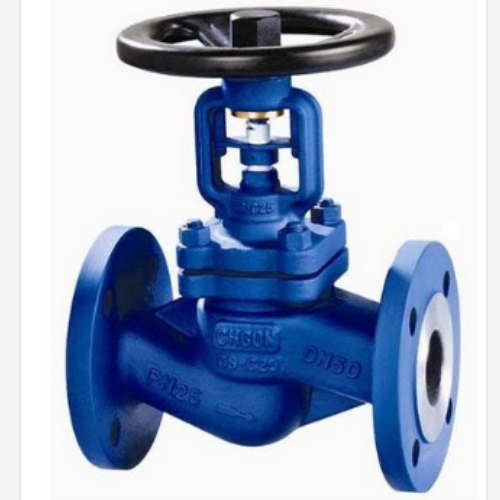
Stainless steel check valves are unidirectional flow control devices integral to fluid handling systems across diverse industries, including chemical processing, oil and gas, water treatment, and pharmaceutical manufacturing. Positioned within a pipeline, their primary function is to permit fluid flow in only one direction, preventing backflow and safeguarding equipment from damage or contamination. Unlike simpler valve types, check valves operate autonomously, driven by the pressure of the fluid itself, requiring no external control mechanisms. This guide provides a comprehensive technical overview of stainless steel check valve design, material science, performance characteristics, failure modes, and maintenance protocols, catering to engineers, procurement specialists, and maintenance personnel involved in industrial fluid systems. The selection of stainless steel as the primary material is critical due to its corrosion resistance, mechanical strength, and compatibility with a broad range of fluids, rendering it superior to alternative materials like brass or cast iron in many applications. A core industry pain point centers on selecting the appropriate stainless steel grade and valve design to withstand specific fluid characteristics (corrosivity, temperature, particulate content) and pressure fluctuations, preventing premature failure and system downtime.
Material Science & Manufacturing
The foundation of a high-performance stainless steel check valve lies in the material selection and precision manufacturing processes. Commonly employed stainless steel grades include 304/304L, 316/316L, and duplex stainless steels (e.g., 2205). 304/304L offers excellent corrosion resistance in a wide range of environments, while 316/316L incorporates molybdenum to enhance resistance to pitting and crevice corrosion, particularly in chloride-rich solutions. Duplex stainless steels provide superior strength and corrosion resistance, finding application in demanding environments. The ‘L’ designation indicates low carbon content, minimizing carbide precipitation during welding and improving weldability. Manufacturing typically involves investment casting, forging, or machining of valve bodies, followed by precision machining of internal components such as discs, seats, and springs. Welding is often employed for assembling valve components, requiring skilled welders and adherence to stringent quality control procedures (e.g., radiographic inspection) to ensure weld integrity. Surface finishing, including polishing and passivation, is crucial to enhance corrosion resistance and reduce friction. Parameter control during manufacturing is paramount. Heat treatment processes must be carefully monitored to achieve desired hardness and ductility. Machining tolerances must be tight to ensure proper valve seating and leak-tight performance. Chemical composition verification is also essential to confirm material grade conformity.
Performance & Engineering
The performance of a stainless steel check valve is dictated by several key engineering considerations. Flow coefficient (Cv) quantifies the valve’s capacity to pass fluid at a given pressure drop. Pressure drop across the valve directly impacts system efficiency, and minimizing this drop is a primary design objective. Crack pressure represents the minimum differential pressure required to initiate valve opening, ensuring reliable operation under low-flow conditions. Leakage rate, measured in terms of volume per unit time, is a critical parameter defining valve tightness and preventing backflow. Force analysis is crucial to assess the valve’s ability to withstand fluid forces, particularly during rapid flow changes (water hammer). Finite element analysis (FEA) is commonly employed to simulate stress distribution within the valve body and components. Environmental resistance is a key factor, encompassing corrosion resistance to the process fluid, temperature tolerance, and resistance to external factors like UV radiation. Compliance requirements vary depending on the application. Valves intended for potable water systems must comply with NSF/ANSI 61 standards. Valves used in hazardous locations (e.g., oil and gas) must meet ATEX or IECEx directives. Functional implementation requires careful consideration of valve orientation (horizontal or vertical), piping configuration, and upstream/downstream disturbances to ensure stable and reliable operation.
Technical Specifications
| Parameter | Unit | 304 Stainless Steel | 316 Stainless Steel |
|---|---|---|---|
| Maximum Operating Pressure | psi | 500 | 600 |
| Temperature Range | °F | -328 to 650 | -328 to 750 |
| Tensile Strength | MPa | 517 | 586 |
| Corrosion Resistance (Pitting Resistance Equivalent Number - PREN) | - | 18-20 | 24-28 |
| Flow Coefficient (Cv) - 1" Valve | gpm | 15 | 16 |
| Connection Type | - | NPT, Flanged, Socket Weld | NPT, Flanged, Socket Weld |
Failure Mode & Maintenance
Stainless steel check valves, while robust, are susceptible to several failure modes. Corrosion, particularly pitting and crevice corrosion in chloride-rich environments, can lead to valve body weakening and leakage. Fatigue cracking can occur under cyclic loading conditions, especially in valves subjected to water hammer. Disc and seat erosion due to abrasive particles in the fluid stream can compromise valve sealing. Spring fatigue and corrosion can lead to reduced closing force and leakage. Foreign object debris (FOD) can become lodged in the valve, preventing proper closure. Maintenance protocols should include regular visual inspections for signs of corrosion, erosion, or damage. Periodic testing of valve leakage rate is recommended. Preventative maintenance includes lubrication of moving parts (where applicable), cleaning of valve internals, and replacement of worn components like discs, seats, and springs. For valves operating in corrosive environments, consider implementing a corrosion monitoring program. Root cause failure analysis (RCFA) is crucial when failures occur, identifying the underlying cause to prevent recurrence. Proper storage of valves during periods of non-use is also important, protecting them from corrosion and contamination. Avoid over-tightening during installation, as this can damage valve components and compromise sealing.
Industry FAQ
Q: What is the primary difference between 304 and 316 stainless steel in check valve applications?
A: The key difference lies in corrosion resistance. 316 stainless steel contains molybdenum, which significantly enhances its resistance to pitting and crevice corrosion, particularly in chloride-containing environments. 304 stainless steel is suitable for less aggressive environments, while 316 is preferred for applications involving seawater, chemical processing, or exposure to de-icing salts.
Q: How does fluid velocity impact the lifespan of a check valve?
A: Excessive fluid velocity can lead to accelerated erosion of the disc and seat, particularly if the fluid contains abrasive particles. High velocity also increases the risk of water hammer, which can induce fatigue cracking. Valve selection should consider the anticipated fluid velocity, and measures like flow control valves may be necessary to mitigate these effects.
Q: What are the implications of choosing a check valve with an incorrect pressure rating?
A: Selecting a valve with a pressure rating lower than the system’s maximum operating pressure can lead to catastrophic failure, resulting in leaks, equipment damage, and potential safety hazards. Conversely, significantly over-sizing the pressure rating can lead to unnecessary cost and potentially reduced performance due to excessive clearances.
Q: What maintenance procedures are critical for swing-check valves compared to lift-check valves?
A: Swing-check valves are more prone to debris accumulation around the disc, potentially hindering proper closure. Regular inspection and cleaning of the disc and seat are crucial. Lift-check valves, with their simpler design, generally require less frequent cleaning but still benefit from periodic inspection for seat wear and spring fatigue.
Q: What standards govern the testing and certification of stainless steel check valves?
A: Common standards include API 598 (manufacturing and inspection of valves), MSS SP-61 (pressure test codes for valves), and ISO 17816 (testing of metal valves). Depending on the application, compliance with specific industry standards like NSF/ANSI 61 (potable water) or ATEX/IECEx (hazardous locations) may also be required.
Conclusion
Stainless steel check valves represent a critical component in numerous industrial fluid systems, offering reliable unidirectional flow control and protection against backflow. The selection of the appropriate stainless steel grade, coupled with meticulous manufacturing practices and adherence to relevant industry standards, is paramount to ensuring long-term performance and minimizing the risk of failure. Understanding the potential failure modes and implementing proactive maintenance protocols are essential for maintaining system integrity and operational efficiency.
The increasing demand for high-performance, corrosion-resistant fluid handling solutions will continue to drive innovation in stainless steel check valve technology. Future developments may focus on advanced materials (e.g., super duplex stainless steels), optimized valve designs to minimize pressure drop, and the integration of smart sensors for real-time monitoring and predictive maintenance, ultimately contributing to more reliable and sustainable industrial operations.
-
Top Reasons to Choose a Stainless Steel Flange Check Valve for Industrial Applications
-
stainless steel check valves Performance Analysis
-
check valve 6 Performance Analysis
-
check valve stainless steel Performance Analysis
-
6 in check valve Performance Engineering
-
6 check valves Performance Analysis
-
12 inch check valve Performance Analysis
-
lift check valves Performance Engineering
-
check valve 12 inch Performance Analysis
-
stop check valve Performance Analysis
-
check stop valve Performance Analysis
-
stop check valves Performance Analysis
-
pilot operated check valve Performance Analysis
-
spring loaded check valve Material Science Manufacturing
-
pilot operated check valves Performance Analysis
 Afrikaans
 Albanian
 Amharic
 Arabic
 Armenian
 Azerbaijani
 Basque
 Belarusian
 Bengali
 Bosnian
 Bulgarian
 Catalan
 Cebuano
 Corsican
 Croatian
 Czech
Czech
 Danish
 Dutch
Dutch
 Esperanto
 Estonian
 Finnish
 French
 Frisian
 Galician
 Georgian
 German
 Greek
Greek
 Gujarati
 Haitian Creole
 Hausa
Hawaiian
Hausa
Hawaiian
 Hebrew
 Hindi
Hindi
 Miao
Miao
 Hungarian
 Icelandic
 Igbo
Igbo
 Indonesian
 Irish
Irish
 Italian
 Japanese
 Javanese
Kannada
Javanese
Kannada
 Kazakh
 Khmer
Khmer
 Rwandese
 Korean
 Kurdish
 Kyrgyz
 Lao
Lao
 Latin
Latin
 Latvian
 Lithuanian
 Luxembourgish
 Macedonian
 Malgashi
 Malay
Malay
 Malayalam
 Maltese
 Maori
Maori
 Marathi
 Mongolian
 Myanmar
 Nepali
 Norwegian
 Norwegian
 Occitan
 Pashto
 Persian
 Polish
 Portuguese
Punjabi
Portuguese
Punjabi
 Romanian
 Russian
 Samoan
 Scottish Gaelic
 Serbian
 Sesotho
 Shona
Shona
 Sindhi
 Sinhala
 Slovak
 Slovenian
 Somali
 Spanish
 Sundanese
 Swahili
 Swedish
Tagalog
Swedish
Tagalog
 Tajik
Tajik
 Tamil
Tamil
 Tatar
Tatar
 Telugu
 Thai
Thai
 Turkish
 Turkmen
 Ukrainian
 Urdu
Urdu
 Uighur
 Uzbek
Uzbek
 Vietnamese
 Welsh
Welsh
 Bantu
Bantu
 Yiddish
 Yoruba
 Zulu
Zulu
 English