




threaded check valve Performance Analysis
Introduction
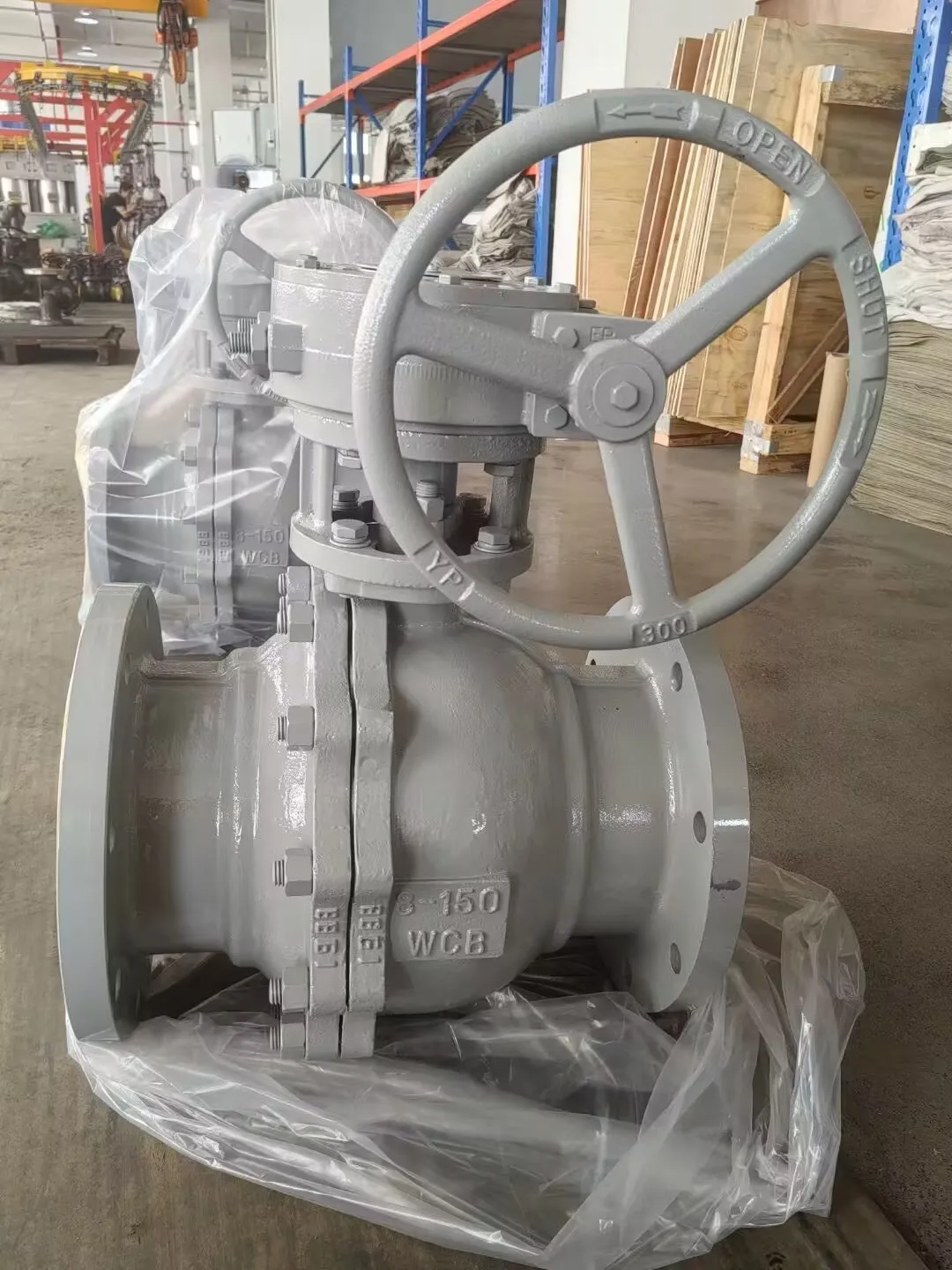
Threaded check valves are essential components in fluid handling systems, designed to prevent backflow and maintain unidirectional flow. Positioned within the industrial chain as critical safety and process integrity devices, they are commonly found in water treatment, chemical processing, oil & gas, and various manufacturing applications. These valves utilize a disc, ball, or swing mechanism that automatically closes when flow reverses. Their threaded connections facilitate relatively straightforward installation and maintenance. Core performance characteristics include pressure drop, flow coefficient (Cv), sealing efficiency, and compatibility with the conveyed fluid. Addressing common industry pain points such as leakage, corrosion, and pressure loss is paramount in threaded check valve design and material selection. Selecting the correct check valve directly impacts process efficiency, safety, and long-term operational costs. This guide provides an in-depth technical analysis of threaded check valves, covering material science, manufacturing processes, performance engineering, failure modes, and relevant industry standards.
Material Science & Manufacturing
The primary materials used in threaded check valve construction are brass, stainless steel (304, 316, 316L), PVC, CPVC, and polypropylene. Brass valves (typically C37700 or equivalent) offer good corrosion resistance to many fluids but are limited in high-temperature or highly corrosive environments. Stainless steel, especially 316 and 316L, provides superior corrosion resistance, particularly against chlorides, and is suitable for demanding applications. PVC and CPVC are cost-effective choices for low-pressure, non-aggressive fluid applications. Polypropylene provides excellent chemical resistance. The valve body is often manufactured using casting (brass, stainless steel) or injection molding (plastics). Valve internals, like the disc and seat, are precision-machined to ensure a tight seal. Critical parameters during manufacturing include dimensional accuracy of the sealing surfaces, surface finish (Ra value significantly impacts leakage), and heat treatment (for stainless steel components to achieve desired hardness and ductility). Threaded connections are typically produced via CNC machining or thread rolling, adhering to NPT or BSPT standards. Quality control includes hydrostatic testing to verify leak tightness and material certification to confirm chemical composition and mechanical properties. Corrosion resistance is enhanced through passivation processes (for stainless steel) and the use of appropriate coatings (e.g., PTFE or epoxy) on internal surfaces. The choice of elastomeric seals (e.g., Viton, EPDM, PTFE) is crucial for chemical compatibility and temperature resistance.
Performance & Engineering
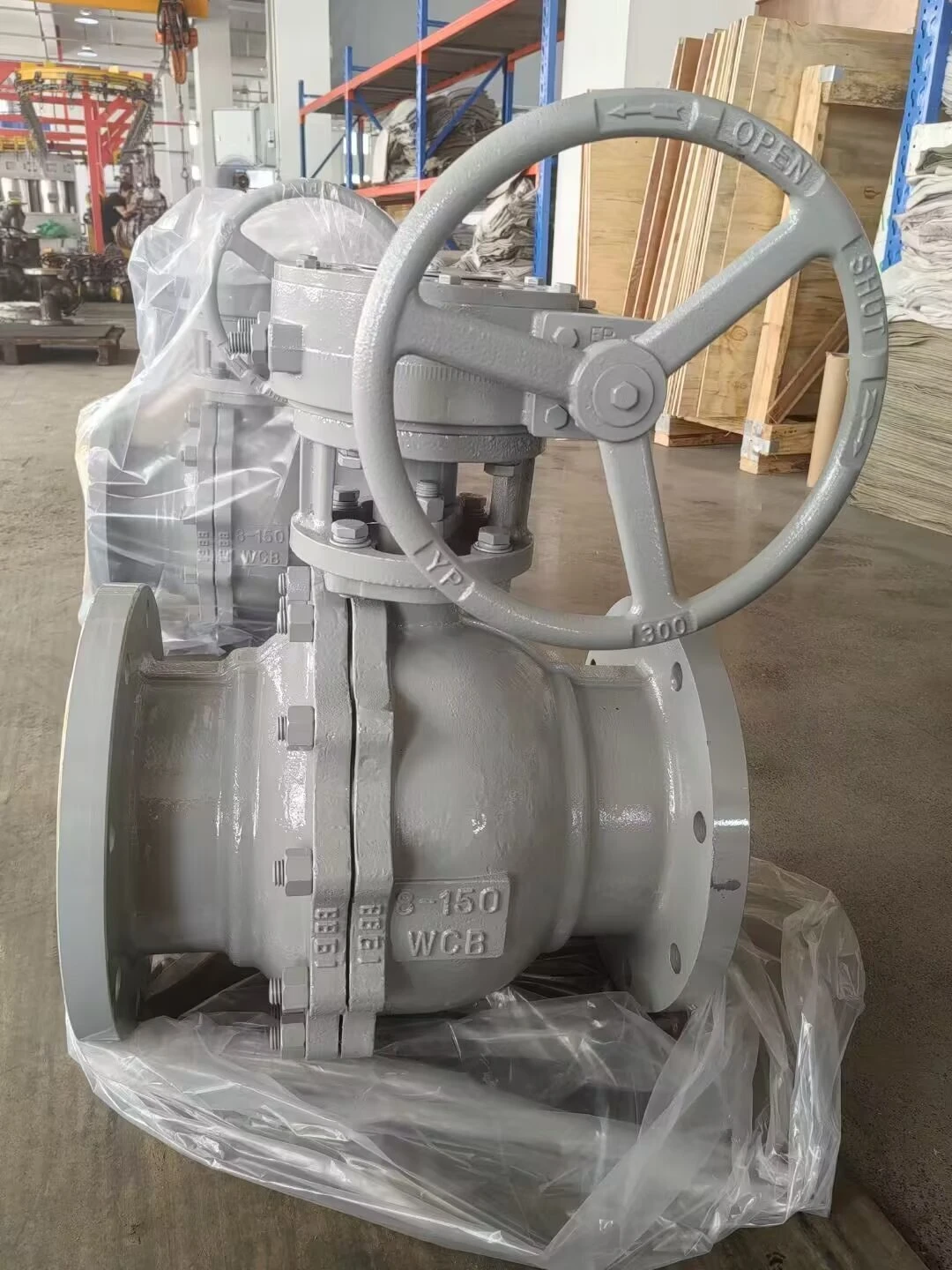
The performance of a threaded check valve is fundamentally governed by fluid dynamics and mechanical stress. Key engineering considerations include pressure drop (ΔP), which is influenced by valve size, flow rate, and internal geometry. The flow coefficient (Cv) quantifies the valve’s capacity to pass a given flow rate at a specified pressure drop. Force analysis is critical to assess the impact of fluid forces on the disc or ball, ensuring it remains securely seated and prevents leakage. Environmental resistance, particularly temperature and UV exposure (for plastic valves), must be considered. Compliance requirements vary depending on the application; for potable water systems, valves must meet NSF/ANSI 61 standards. For hazardous locations, valves may require ATEX or IECEx certification. Functional implementation involves proper valve sizing to match the system flow rate and pressure, ensuring the valve is oriented correctly to allow gravity-assisted closure (for swing check valves). Fatigue analysis is crucial for valves subjected to cyclic pressure variations, preventing premature failure due to crack propagation. The material's yield strength and tensile strength determine its resistance to deformation and fracture. Creep resistance is important for high-temperature applications, preventing slow deformation under sustained stress. The spring force (in spring-loaded check valves) is engineered to provide sufficient closing force while minimizing pressure drop when open. Proper installation, including adequate pipe support and alignment, is vital to prevent stress concentration and premature failure.
Technical Specifications
| Parameter | Brass (C37700) | 316 Stainless Steel | PVC (Schedule 80) | CPVC (Schedule 80) |
|---|---|---|---|---|
| Maximum Pressure (PSI) | 600 | 1000 | 400 | 300 |
| Temperature Range (°F) | 0-250 | -328 to 650 | -40 to 140 | -40 to 200 |
| Cv (1/2" Valve) | 0.65 | 0.70 | 0.80 | 0.75 |
| Connection Type | NPT/BSPT | NPT/BSPT | Socket Weld/Threaded | Socket Weld/Threaded |
| Media Compatibility | Water, Oil, Gas | Wide Range of Fluids | Water, Mild Chemicals | Hot & Corrosive Fluids |
| Weight (1/2" Valve, approx.) | 0.5 lbs | 0.8 lbs | 0.3 lbs | 0.35 lbs |
Failure Mode & Maintenance
Threaded check valves are susceptible to several failure modes. Erosion and cavitation, particularly in high-velocity flows, can damage the disc and seat, leading to leakage. Corrosion, especially in aggressive fluids, can weaken the valve body and internal components. Fatigue cracking can occur in metallic valves subjected to cyclic pressure variations, initiated at stress concentration points (e.g., threaded connections). Delamination of coatings (e.g., PTFE) can expose the underlying metal to corrosive attack. Seal degradation (due to chemical incompatibility, temperature extremes, or aging) is a common failure point. Foreign particle ingress can prevent proper sealing. Maintenance involves periodic inspection for leaks, corrosion, and wear. Preventive maintenance includes cleaning the valve body to remove debris and replacing seals as needed. For metallic valves, corrosion inhibitors can be added to the fluid stream. Regular testing of the valve's backflow prevention capability is crucial. In cases of severe erosion or cavitation damage, valve replacement is often necessary. Proper lubrication of the valve stem (if applicable) can prevent seizing. Careful disassembly and reassembly, following manufacturer's instructions, are vital to avoid damage and ensure proper sealing. Ultrasonic testing can be used to detect internal cracks and assess the remaining life of metallic components.
Industry FAQ
Q: What are the key differences between swing check valves and lift check valves, and when should each be used?
A: Swing check valves utilize a hinged disc that swings open with flow and closes against a seat to prevent backflow. They offer low pressure drop but require a certain amount of upstream straight pipe length for proper operation. Lift check valves employ a disc that lifts off its seat with flow and relies on gravity and spring force (in some designs) for closure. Lift check valves are more suitable for applications with limited space and can handle pulsating flows better. Swing check valves are generally preferred for high-flow, low-pressure applications, while lift check valves are better suited for low-flow, high-pressure scenarios.
Q: How does the material of construction impact the lifespan of a threaded check valve in a specific chemical environment?
A: The material of construction is paramount. Brass offers limited resistance to chlorides and strong acids. Stainless steel (316/316L) provides significantly better corrosion resistance across a broader range of chemicals, including chlorides, sulfuric acid, and nitric acid. PVC and CPVC are resistant to many acids and bases but are susceptible to swelling and degradation with certain solvents. The valve’s seals must also be chemically compatible with the fluid to prevent degradation and leakage. A detailed chemical compatibility chart should be consulted before selecting a valve material.
Q: What is the significance of the 'Cr' factor in check valve selection and how does it relate to system performance?
A: The 'Cr' factor represents the valve’s resilience to water hammer, which is a pressure surge caused by rapid valve closure. A higher Cr factor indicates a greater ability to dampen pressure surges. It is calculated based on the valve’s closure speed and the fluid’s velocity. Improper selection can lead to damage to the valve itself and the piping system. It impacts system performance by minimizing pressure spikes and preventing potential damage, ensuring the longevity of the overall fluid handling infrastructure.
Q: What are the best practices for minimizing pressure drop across a threaded check valve?
A: Minimizing pressure drop involves selecting a valve with a large flow area (high Cv value) relative to the system flow rate. Using a full-port design (where the valve's internal diameter matches the pipe diameter) reduces flow restriction. Avoiding sharp bends or obstructions immediately upstream of the valve is crucial. Regularly cleaning the valve to remove debris that could impede flow is also essential. Proper valve sizing is the most important factor.
Q: How can you verify the proper functioning of a threaded check valve after installation and during ongoing operation?
A: Post-installation, perform a hydrostatic test to confirm leak tightness. During operation, visually inspect the valve for external leaks. Monitor the pressure drop across the valve; a significant increase could indicate blockage or internal wear. Periodic flow testing can verify the valve is preventing backflow. Use ultrasonic flow meters to monitor flow patterns and ensure unidirectional flow. Regularly scheduled preventative maintenance inspections should be implemented.
Conclusion
Threaded check valves are indispensable components in fluid control systems, offering a reliable method for preventing backflow and ensuring process integrity. The selection of appropriate materials, informed by chemical compatibility and operational temperature, is critical for longevity and performance. Understanding the nuances of valve design, including the trade-offs between swing and lift check valves, alongside proper installation and maintenance practices, directly influences system efficiency and safety.
Moving forward, advancements in check valve technology are focused on reducing pressure drop through optimized flow paths, incorporating smart sensors for remote monitoring and diagnostics, and developing new materials with enhanced corrosion resistance. Implementing a robust preventative maintenance program, coupled with adherence to industry standards, will remain paramount for maximizing the lifespan and reliability of threaded check valves in demanding industrial applications.
-
Top Reasons to Choose a Stainless Steel Flange Check Valve for Industrial Applications
-
check valves high pressure Performance Analysis
-
check valves low pressure Performance Analysis
-
High Pressure Check Valves Performance Analysis
-
low pressure check valves Performance Analysis
-
6 check valve Performance Analysis
-
stainless steel check valves Performance Analysis
-
check valve 6 Performance Analysis
-
check valve stainless steel Performance Analysis
-
6 in check valve Performance Engineering
-
6 check valves Performance Analysis
-
12 inch check valve Performance Analysis
-
lift check valves Performance Engineering
-
check valve 12 inch Performance Analysis
-
stop check valve Performance Analysis
 Afrikaans
 Albanian
 Amharic
 Arabic
 Armenian
 Azerbaijani
 Basque
 Belarusian
 Bengali
 Bosnian
 Bulgarian
 Catalan
 Cebuano
 Corsican
 Croatian
 Czech
Czech
 Danish
 Dutch
Dutch
 Esperanto
 Estonian
 Finnish
 French
 Frisian
 Galician
 Georgian
 German
 Greek
Greek
 Gujarati
 Haitian Creole
 Hausa
Hawaiian
Hausa
Hawaiian
 Hebrew
 Hindi
Hindi
 Miao
Miao
 Hungarian
 Icelandic
 Igbo
Igbo
 Indonesian
 Irish
Irish
 Italian
 Japanese
 Javanese
Kannada
Javanese
Kannada
 Kazakh
 Khmer
Khmer
 Rwandese
 Korean
 Kurdish
 Kyrgyz
 Lao
Lao
 Latin
Latin
 Latvian
 Lithuanian
 Luxembourgish
 Macedonian
 Malgashi
 Malay
Malay
 Malayalam
 Maltese
 Maori
Maori
 Marathi
 Mongolian
 Myanmar
 Nepali
 Norwegian
 Norwegian
 Occitan
 Pashto
 Persian
 Polish
 Portuguese
Punjabi
Portuguese
Punjabi
 Romanian
 Russian
 Samoan
 Scottish Gaelic
 Serbian
 Sesotho
 Shona
Shona
 Sindhi
 Sinhala
 Slovak
 Slovenian
 Somali
 Spanish
 Sundanese
 Swahili
 Swedish
Tagalog
Swedish
Tagalog
 Tajik
Tajik
 Tamil
Tamil
 Tatar
Tatar
 Telugu
 Thai
Thai
 Turkish
 Turkmen
 Ukrainian
 Urdu
Urdu
 Uighur
 Uzbek
Uzbek
 Vietnamese
 Welsh
Welsh
 Bantu
Bantu
 Yiddish
 Yoruba
 Zulu
Zulu
 English