




double check valve Performance Analysis
Introduction
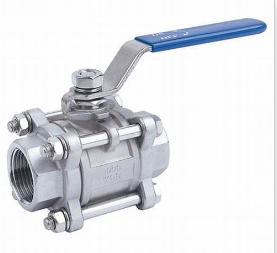
The double check valve is a critical component in fluid handling systems, primarily designed to prevent backflow. Positioned within the industrial chain as a safety device, it ensures unidirectional flow of liquids or gases, safeguarding equipment and processes from contamination or damage. Unlike simpler check valves, the double check configuration provides a redundant safety mechanism, increasing reliability in demanding applications. Core performance characteristics include sealing efficiency, pressure drop, flow capacity (Cv), and material compatibility with the conveyed fluid. The valve's functionality relies on differential pressure; when upstream pressure exceeds downstream pressure, the valve opens, allowing flow. Conversely, when downstream pressure attempts to reverse the flow, both check mechanisms engage, preventing backflow. Industry pain points include leakage leading to process disruption, corrosion stemming from inappropriate material selection, and maintaining consistent performance across varying pressure and temperature conditions. The double check valve is extensively used in potable water systems, medical gas lines, chemical processing, and wastewater treatment.
Material Science & Manufacturing
Double check valves are manufactured from a range of materials, dictated by the fluid handled and operating environment. Common materials include: Brass (CZ121, CZ132) – offering good corrosion resistance for water and some chemicals, but susceptible to dezincification in certain conditions; Stainless Steel (304, 316) – providing superior corrosion resistance, particularly in aggressive chemical environments. 316 stainless steel incorporates molybdenum, enhancing its resistance to pitting and crevice corrosion; PVC (Polyvinyl Chloride) & CPVC (Chlorinated Polyvinyl Chloride) – lightweight, cost-effective options for non-aggressive fluids. CPVC offers higher temperature resistance than PVC; PP (Polypropylene) – excellent chemical resistance and suitable for a wide range of applications, though with lower pressure ratings; and PTFE (Polytetrafluoroethylene) – offering virtually universal chemical compatibility and low friction, commonly used for seals and valve seats. Manufacturing processes vary based on the material. Brass valves are often produced via investment casting followed by machining. Stainless steel valves are frequently forged or cast, requiring precise machining to achieve tight tolerances. Plastic valves are typically injection molded, where molten polymer is injected into a mold cavity. Key parameter control in injection molding includes melt temperature, injection pressure, and cooling time to minimize warping and ensure dimensional accuracy. Post-molding operations may involve deburring and surface finishing. Valve seats are often manufactured separately using precision grinding and then assembled into the valve body. Quality control involves hydrostatic testing to verify leak tightness and material certification to ensure compliance with industry standards. The poppet and spring materials are also critical – often utilizing stainless steel for corrosion resistance and high-strength alloys for spring durability.
Performance & Engineering
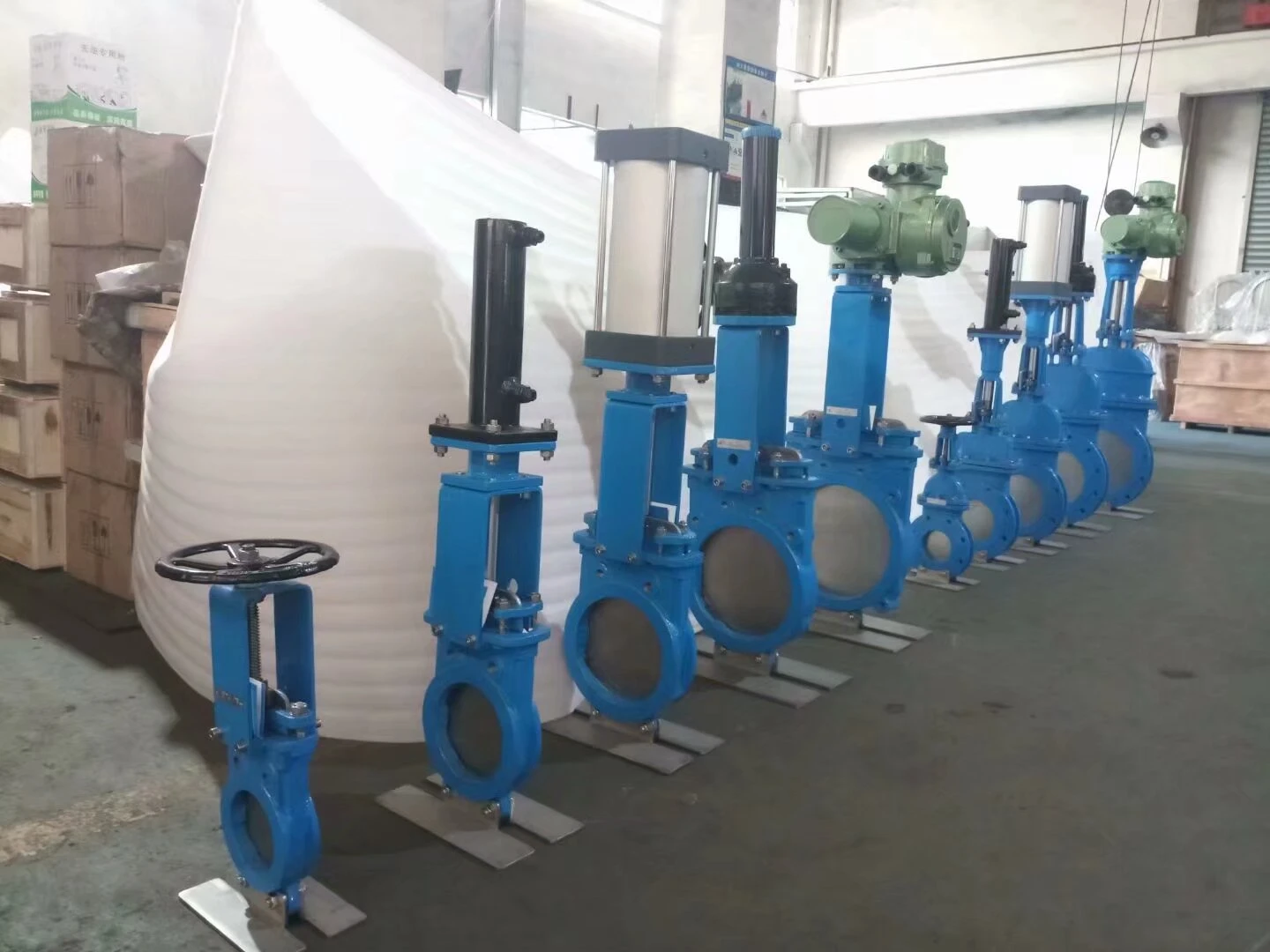
The performance of a double check valve is governed by several engineering principles. Force analysis involves considering the fluid force acting on the poppet, opposed by the spring force. The spring’s stiffness must be carefully calibrated to ensure reliable closure at the minimum allowable back pressure while allowing easy opening at the required flow rate. Environmental resistance is a crucial aspect, especially in harsh conditions. Corrosion can compromise the valve’s integrity, leading to leakage and failure. Temperature fluctuations affect material properties and sealing performance. Exposure to UV radiation can degrade plastic components. Compliance requirements are stringent, particularly in potable water and medical applications. Valves must meet NSF/ANSI 61 standards for potable water safety and USP Class VI standards for biocompatibility in medical applications. Functional implementation involves ensuring correct installation orientation to allow gravity-assisted closure and minimizing pressure drop through optimized flow path design. Computational Fluid Dynamics (CFD) is often used to simulate flow patterns and identify areas of turbulence and potential cavitation. Back pressure testing is essential to verify the valve’s ability to withstand reverse pressure without leaking. The redundant check mechanisms in a double check valve are designed to mitigate the risk of a single point of failure, improving system reliability. Fatigue analysis assesses the valve’s ability to withstand repeated pressure cycles without cracking or deformation.
Technical Specifications
| Parameter | Unit | Brass (CZ132) | 316 Stainless Steel |
|---|---|---|---|
| Maximum Operating Pressure | psi | 300 | 600 |
| Maximum Operating Temperature | °F | 250 | 400 |
| Cv (Flow Coefficient) | gpm | 1.5 | 2.0 |
| Port Size | inches | 1/2", 3/4", 1" | 1/2", 3/4", 1", 1.5" |
| Leakage Rate (Seat Leakage) | ml/min | <0.1 | <0.05 |
| Body Material | - | CZ132 Brass | 316 Stainless Steel |
Failure Mode & Maintenance
Double check valves, despite their robust design, are susceptible to several failure modes. Fatigue cracking can occur in the valve body or poppet due to repeated pressure cycles, particularly at stress concentration points. Corrosion, as mentioned previously, weakens the material and leads to leakage. Delamination of valve seats, especially in plastic valves, reduces sealing effectiveness. Erosion from abrasive particles in the fluid can damage the poppet and seat surfaces. Foreign particle ingress can obstruct valve operation, preventing full closure. Spring fatigue reduces the closing force, leading to leakage. Oxidation of metallic components can cause pitting corrosion. Maintenance procedures include regular inspection for signs of corrosion, erosion, or damage. Periodic cleaning to remove debris and prevent blockage is essential. Lubrication of moving parts with compatible lubricants reduces friction and wear. Replacement of worn seals and springs restores sealing performance. Hydrostatic testing should be performed annually to verify leak tightness. If corrosion is detected, the valve should be replaced. In applications with abrasive fluids, consider installing a strainer upstream of the valve to remove particles. Proper storage in a dry environment prevents corrosion during periods of inactivity. Record keeping of maintenance activities helps track valve performance and identify potential issues before they escalate.
Industry FAQ
Q: What are the key differences between a single check valve and a double check valve in terms of application?
A: Single check valves are suitable for applications where a simple prevention of backflow is sufficient. Double check valves are mandated in scenarios where contamination of the fluid source is a critical concern, such as potable water systems where back-siphonage could introduce pollutants. The redundant check mechanisms provide a higher level of protection.
Q: How do I determine the appropriate material for a double check valve based on the fluid being conveyed?
A: Material selection depends on the fluid's chemical composition, temperature, and pressure. For water, brass or stainless steel are common choices. For corrosive chemicals, stainless steel (316), PP, or PTFE are preferred. Refer to chemical compatibility charts to ensure the material is resistant to degradation by the fluid.
Q: What is the significance of the Cv value (flow coefficient) when selecting a double check valve?
A: The Cv value indicates the valve’s ability to pass fluid. A higher Cv value means greater flow capacity with a lower pressure drop. It's crucial to select a valve with a Cv value that meets the system's flow requirements without causing excessive pressure loss.
Q: What preventative measures can be taken to extend the lifespan of a double check valve?
A: Regular inspection for corrosion, erosion, and leakage is vital. Implementing a preventative maintenance schedule, including cleaning and lubrication, can significantly extend lifespan. Installing a strainer upstream to remove particulate matter protects the valve from abrasive wear. Proper storage during inactivity is also key.
Q: What standards certify the suitability of double check valves for potable water applications?
A: NSF/ANSI 61 is the primary standard for certifying materials used in contact with potable water. Valves must meet this standard to ensure they don't leach harmful contaminants into the water supply. Additionally, AWWA standards may apply depending on the specific application.
Conclusion
The double check valve remains an indispensable component in fluid control systems, providing critical backflow prevention and safeguarding processes from contamination and damage. Its selection and implementation demand careful consideration of material compatibility, flow requirements, and regulatory compliance. Understanding the potential failure modes and implementing proactive maintenance strategies are paramount to ensuring long-term reliability and optimal performance.
Future advancements in double check valve technology will likely focus on developing self-cleaning mechanisms to mitigate the impact of particulate matter, utilizing advanced materials with enhanced corrosion resistance, and integrating smart sensors for real-time performance monitoring and predictive maintenance. These innovations will further enhance the valve’s reliability and efficiency, contributing to safer and more sustainable industrial operations.
-
Top Reasons to Choose a Stainless Steel Flange Check Valve for Industrial Applications
-
12 inch check valve Performance Analysis
-
lift check valves Performance Engineering
-
check valve 12 inch Performance Analysis
-
stop check valve Performance Analysis
-
check stop valve Performance Analysis
-
stop check valves Performance Analysis
-
pilot operated check valve Performance Analysis
-
spring loaded check valve Material Science Manufacturing
-
pilot operated check valves Performance Analysis
-
check valve pilot operated Performance Analysis
-
1 4 in check valve Performance Engineering
-
check valve 3 4 Performance Analysis
-
11 2 check valve Performance Analysis
-
spring check valve Material Science Manufacturing
 Afrikaans
 Albanian
 Amharic
 Arabic
 Armenian
 Azerbaijani
 Basque
 Belarusian
 Bengali
 Bosnian
 Bulgarian
 Catalan
 Cebuano
 Corsican
 Croatian
 Czech
Czech
 Danish
 Dutch
Dutch
 Esperanto
 Estonian
 Finnish
 French
 Frisian
 Galician
 Georgian
 German
 Greek
Greek
 Gujarati
 Haitian Creole
 Hausa
Hawaiian
Hausa
Hawaiian
 Hebrew
 Hindi
Hindi
 Miao
Miao
 Hungarian
 Icelandic
 Igbo
Igbo
 Indonesian
 Irish
Irish
 Italian
 Japanese
 Javanese
Kannada
Javanese
Kannada
 Kazakh
 Khmer
Khmer
 Rwandese
 Korean
 Kurdish
 Kyrgyz
 Lao
Lao
 Latin
Latin
 Latvian
 Lithuanian
 Luxembourgish
 Macedonian
 Malgashi
 Malay
Malay
 Malayalam
 Maltese
 Maori
Maori
 Marathi
 Mongolian
 Myanmar
 Nepali
 Norwegian
 Norwegian
 Occitan
 Pashto
 Persian
 Polish
 Portuguese
Punjabi
Portuguese
Punjabi
 Romanian
 Russian
 Samoan
 Scottish Gaelic
 Serbian
 Sesotho
 Shona
Shona
 Sindhi
 Sinhala
 Slovak
 Slovenian
 Somali
 Spanish
 Sundanese
 Swahili
 Swedish
Tagalog
Swedish
Tagalog
 Tajik
Tajik
 Tamil
Tamil
 Tatar
Tatar
 Telugu
 Thai
Thai
 Turkish
 Turkmen
 Ukrainian
 Urdu
Urdu
 Uighur
 Uzbek
Uzbek
 Vietnamese
 Welsh
Welsh
 Bantu
Bantu
 Yiddish
 Yoruba
 Zulu
Zulu
 English