




water check valve Performance Engineering
Introduction
Water check valves are critical components in fluid handling systems, ensuring unidirectional flow and preventing backflow in pipelines. Positioned within the broader network of water treatment, distribution, and industrial processes, these valves operate passively, relying on pressure differentials to open and close. Their functionality is paramount in protecting pumps, compressors, and other sensitive equipment from damage due to reverse flow conditions. Core performance characteristics include flow coefficient (Cv), pressure drop, sealing capability, and material compatibility with the conveyed fluid. The increasing demand for water conservation and efficient fluid management drives continued advancements in check valve design, materials, and automation capabilities, particularly concerning low-head loss and minimal water hammer effects.
Material Science & Manufacturing
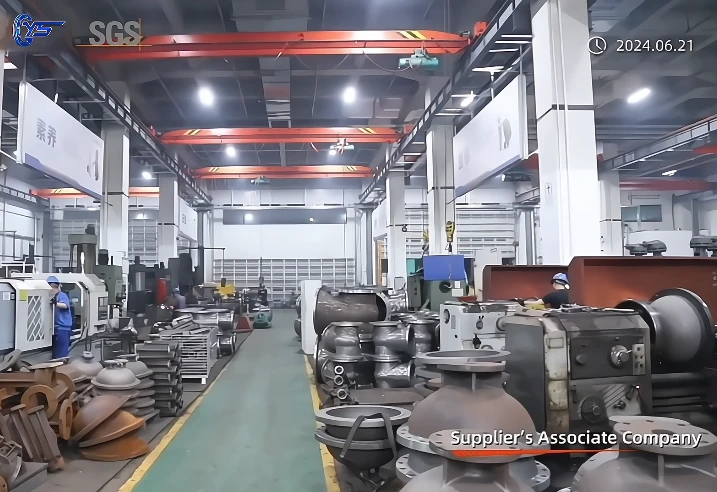
The construction of water check valves necessitates a rigorous selection of materials based on fluid compatibility, pressure requirements, and environmental conditions. Common body materials include ductile iron (ASTM A536), stainless steel (304, 316 – ASTM A240), and engineered plastics like PVC (ASTM D1785) and CPVC (ASTM D1784). Seal materials typically consist of EPDM, NBR, or PTFE, chosen for their elastomeric properties and chemical resistance. Manufacturing processes vary according to valve type. Swing check valves utilize a disc hinged to the body, often manufactured through casting (iron/steel) or injection molding (plastics). Lift check valves employ a poppet or piston that rises and falls, produced through machining and assembly. Ball check valves rely on a spherical element, typically manufactured through precision casting or forging. Critical parameters during manufacturing include dimensional accuracy of sealing surfaces, surface finish to minimize friction, and weld quality (for metallic valves). Heat treatment processes are essential for enhancing the mechanical strength and ductility of metallic components. Non-destructive testing (NDT) methods, such as ultrasonic testing and radiographic inspection, are employed to identify defects in castings and welds. Material certifications, verifying compliance with relevant standards, are vital for quality control.

Performance & Engineering
The performance of a water check valve is dictated by several engineering considerations. Force analysis involves evaluating the hydrodynamic forces acting on the valve closure element (disc, poppet, or ball) during flow. These forces must be overcome by the spring force (in some designs) or the back pressure to ensure reliable sealing. Environmental resistance is critical, particularly regarding corrosion prevention. Galvanic corrosion can occur when dissimilar metals are in contact with an electrolyte (water). Proper material selection and the application of protective coatings (epoxy, polyurethane) are essential. Compliance requirements, such as NSF/ANSI 61 for potable water systems, dictate allowable levels of contaminants leached from valve materials. Functional implementation requires careful consideration of installation orientation (horizontal, vertical) to optimize performance and prevent sediment buildup. Flow velocity and pressure drop must be factored into system design to avoid water hammer and cavitation, which can damage the valve and surrounding piping. Valve sizing is critical; an undersized valve will create excessive pressure drop, while an oversized valve may not close effectively. Finite element analysis (FEA) is often used to optimize valve geometry and predict stress distributions under various operating conditions. Hydraulic transient analysis is also essential in designing systems that incorporate check valves.
Technical Specifications
| Valve Size (inches) | Maximum Operating Pressure (PSI) | Temperature Range (°F) | Connection Type |
|---|---|---|---|
| 1/2" | 200 | 32 - 212 | NPT |
| 1" | 150 | 32 - 212 | Flanged |
| 2" | 125 | 32 - 212 | Flanged |
| 3" | 100 | 32 - 212 | Flanged |
| 4" | 75 | 32 - 212 | Flanged |
| 6" | 50 | 32 - 212 | Flanged |
Failure Mode & Maintenance
Water check valves are susceptible to various failure modes. Fatigue cracking can occur in metallic components due to cyclical pressure fluctuations. Delamination of valve seats, particularly in polymeric valves, can lead to leakage. Degradation of elastomeric seals due to chemical attack or UV exposure is common. Oxidation and corrosion of metallic parts, especially in aggressive water environments, are significant concerns. Sediment buildup can impede valve operation and cause premature wear. Cavitation, resulting from rapid pressure changes, can erode valve surfaces. Preventative maintenance includes regular inspection for leaks, corrosion, and sediment accumulation. Lubrication of moving parts (where applicable) is crucial. Periodic testing of valve operation, verifying proper closing and sealing, is recommended. Replacement of worn seals and components should be performed according to manufacturer’s recommendations. For metallic valves, applying corrosion inhibitors to the water system can extend service life. Routine cleaning to remove sediment buildup is vital, especially in systems with high solids content. Detailed failure analysis, including visual inspection and material testing, should be conducted when unexpected failures occur to identify root causes and prevent recurrence.
Industry FAQ
Q: What is the impact of water hammer on check valve lifespan?
A: Water hammer, a pressure surge caused by sudden changes in flow velocity, significantly reduces check valve lifespan. Repeated impacts can cause fatigue cracking in metallic bodies, damage to seal surfaces, and premature failure of the valve’s internal components. Mitigation strategies include slow valve closure, the use of surge suppressors, and proper system design to minimize pressure fluctuations.
Q: How does material selection affect chemical compatibility and corrosion resistance?
A: Material selection is paramount for ensuring chemical compatibility and corrosion resistance. Using incompatible materials can lead to degradation, swelling, or leaching, compromising valve performance and potentially contaminating the fluid. For example, stainless steel 316 offers superior corrosion resistance compared to 304 in chloride-rich environments. Always verify material compatibility with the conveyed fluid based on chemical resistance charts and industry standards.
Q: What are the key differences between swing, lift, and ball check valves?
A: Swing check valves are suited for low-velocity applications and minimal pressure drop. Lift check valves excel in high-flow, high-pressure environments. Ball check valves offer excellent sealing and are ideal for applications requiring tight shut-off. The selection depends on specific application requirements, including flow rate, pressure, fluid characteristics, and installation constraints.
Q: What are the implications of NSF/ANSI 61 certification?
A: NSF/ANSI 61 certification confirms that valve materials meet stringent requirements for potable water systems, ensuring they do not leach harmful levels of contaminants into the water supply. Compliance with this standard is often mandated by regulatory agencies and is crucial for maintaining public health and safety.
Q: How can I accurately size a check valve for a given application?
A: Accurate sizing involves determining the required flow rate, calculating the pressure drop across the valve, and selecting a valve with an appropriate flow coefficient (Cv). Consider the fluid viscosity, pipe diameter, and any upstream or downstream restrictions. Using sizing charts provided by valve manufacturers or employing specialized sizing software is highly recommended.
Conclusion
Water check valves are indispensable components in fluid handling systems, their proper selection and maintenance being critical for operational efficiency and system longevity. Understanding the intricacies of material science, manufacturing processes, and engineering principles—including fluid dynamics, corrosion resistance, and compliance standards—is paramount. The growing emphasis on water conservation and sustainable practices drives ongoing innovation in check valve technology, focusing on reduced energy consumption and minimal environmental impact.
Furthermore, proactive maintenance practices, encompassing regular inspection, seal replacement, and failure analysis, are essential to prevent costly downtime and ensure long-term reliability. Future developments will likely center on smart check valves incorporating sensors and remote monitoring capabilities, enabling predictive maintenance and optimized system performance. The convergence of advanced materials, sophisticated engineering, and data-driven insights will continue to shape the evolution of water check valve technology.
-
Top Reasons to Choose a Stainless Steel Flange Check Valve for Industrial Applications
-
check valves high pressure Performance Analysis
-
check valves low pressure Performance Analysis
-
High Pressure Check Valves Performance Analysis
-
low pressure check valves Performance Analysis
-
6 check valve Performance Analysis
-
stainless steel check valves Performance Analysis
-
check valve 6 Performance Analysis
-
check valve stainless steel Performance Analysis
-
6 in check valve Performance Engineering
-
6 check valves Performance Analysis
-
12 inch check valve Performance Analysis
-
lift check valves Performance Engineering
-
check valve 12 inch Performance Analysis
-
stop check valve Performance Analysis
 Afrikaans
 Albanian
 Amharic
 Arabic
 Armenian
 Azerbaijani
 Basque
 Belarusian
 Bengali
 Bosnian
 Bulgarian
 Catalan
 Cebuano
 Corsican
 Croatian
 Czech
Czech
 Danish
 Dutch
Dutch
 Esperanto
 Estonian
 Finnish
 French
 Frisian
 Galician
 Georgian
 German
 Greek
Greek
 Gujarati
 Haitian Creole
 Hausa
Hawaiian
Hausa
Hawaiian
 Hebrew
 Hindi
Hindi
 Miao
Miao
 Hungarian
 Icelandic
 Igbo
Igbo
 Indonesian
 Irish
Irish
 Italian
 Japanese
 Javanese
Kannada
Javanese
Kannada
 Kazakh
 Khmer
Khmer
 Rwandese
 Korean
 Kurdish
 Kyrgyz
 Lao
Lao
 Latin
Latin
 Latvian
 Lithuanian
 Luxembourgish
 Macedonian
 Malgashi
 Malay
Malay
 Malayalam
 Maltese
 Maori
Maori
 Marathi
 Mongolian
 Myanmar
 Nepali
 Norwegian
 Norwegian
 Occitan
 Pashto
 Persian
 Polish
 Portuguese
Punjabi
Portuguese
Punjabi
 Romanian
 Russian
 Samoan
 Scottish Gaelic
 Serbian
 Sesotho
 Shona
Shona
 Sindhi
 Sinhala
 Slovak
 Slovenian
 Somali
 Spanish
 Sundanese
 Swahili
 Swedish
Tagalog
Swedish
Tagalog
 Tajik
Tajik
 Tamil
Tamil
 Tatar
Tatar
 Telugu
 Thai
Thai
 Turkish
 Turkmen
 Ukrainian
 Urdu
Urdu
 Uighur
 Uzbek
Uzbek
 Vietnamese
 Welsh
Welsh
 Bantu
Bantu
 Yiddish
 Yoruba
 Zulu
Zulu
 English