




Stainless Steel Flange Performance Analysis
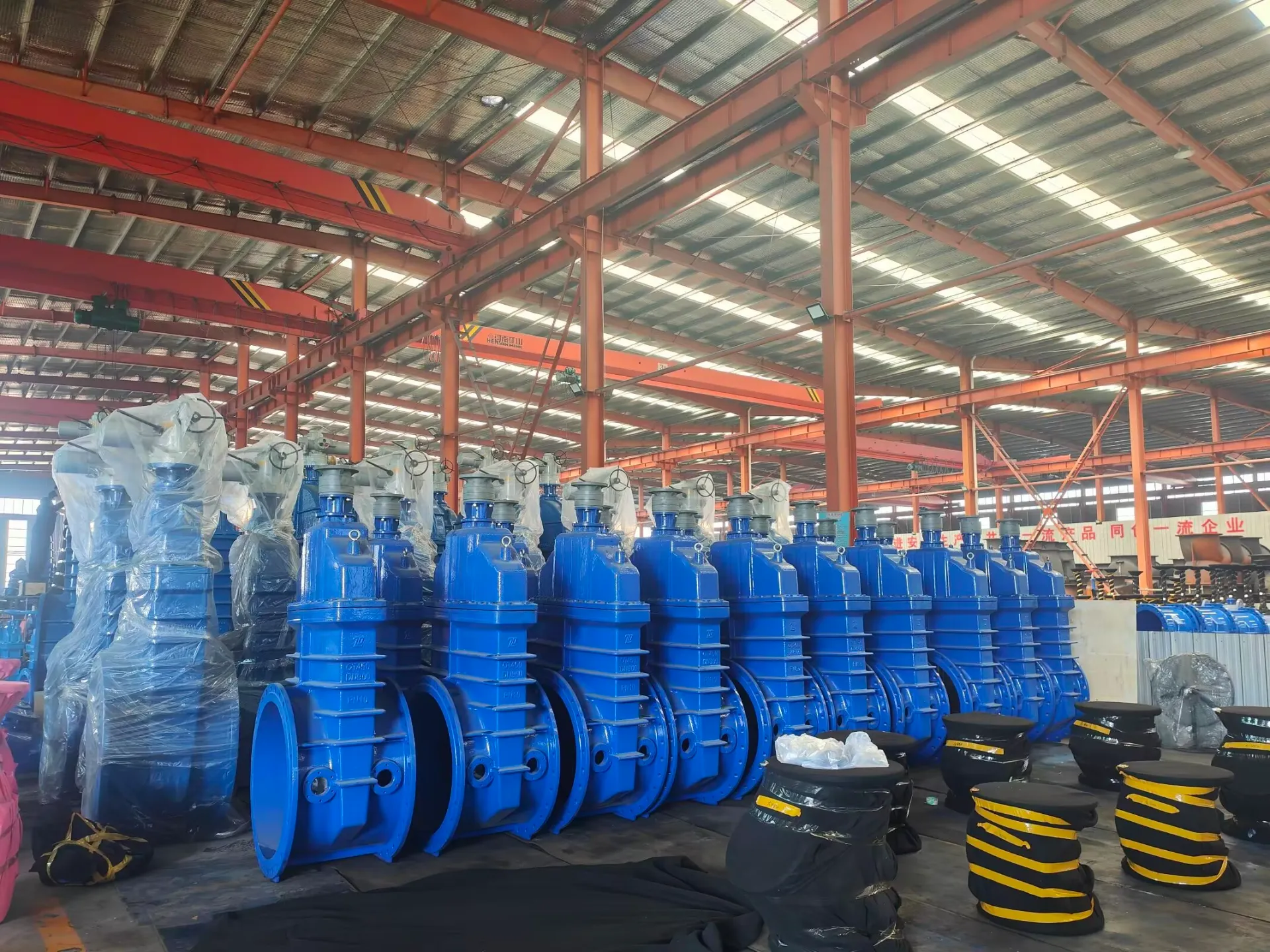
Introduction
Stainless steel flanges are critical components in piping systems, facilitating connections between sections of pipe, valves, pumps, and other equipment. Positioned within the broader industrial infrastructure, they act as interface points transferring fluid or gas, ensuring system integrity, and enabling maintenance access. Typically manufactured from austenitic, ferritic, or martensitic stainless steel grades (304/304L, 316/316L being most common), they offer corrosion resistance and mechanical strength. Core performance characteristics include pressure rating (expressed in PSI or Bar), temperature tolerance, and dimensional accuracy adhering to ANSI or DIN standards. A key industry pain point centers around selecting the appropriate flange material grade to prevent localized corrosion (pitting, crevice corrosion) in specific process environments, particularly when handling aggressive chemicals or saline solutions. Another challenge lies in ensuring proper bolting torque during installation to maintain leak-tight seals and prevent gasket failure.
Material Science & Manufacturing
The predominant material for stainless steel flanges is Type 304/304L and 316/316L stainless steel. Type 304/304L exhibits excellent corrosion resistance in a wide range of environments, stemming from its chromium content (18-20%) forming a passive protective oxide layer. The addition of molybdenum (2-3% in 316/316L) significantly enhances resistance to chloride pitting and crevice corrosion, making it suitable for marine environments and applications involving chlorides. Manufacturing typically begins with billet or bar stock. The most common methods are forging, casting, and machining. Forging, offering superior grain structure and strength, involves heating the steel and shaping it under compressive forces. Casting is suitable for complex flange geometries but may require additional machining. Machining follows forging or casting, precisely shaping the flange faces, bolt holes, and outer diameter to meet specified dimensions. Key parameter control during manufacturing includes precise temperature control during heat treatment (annealing to relieve stress and improve ductility), accurate machining tolerances (critical for face-to-face mating), and surface finish (Ra values impact gasket seating). Welding, often used for reinforcing rings or attaching hubs, requires careful selection of welding consumables (matching the flange material) and adherence to qualified welding procedures to avoid sensitization and maintain corrosion resistance.
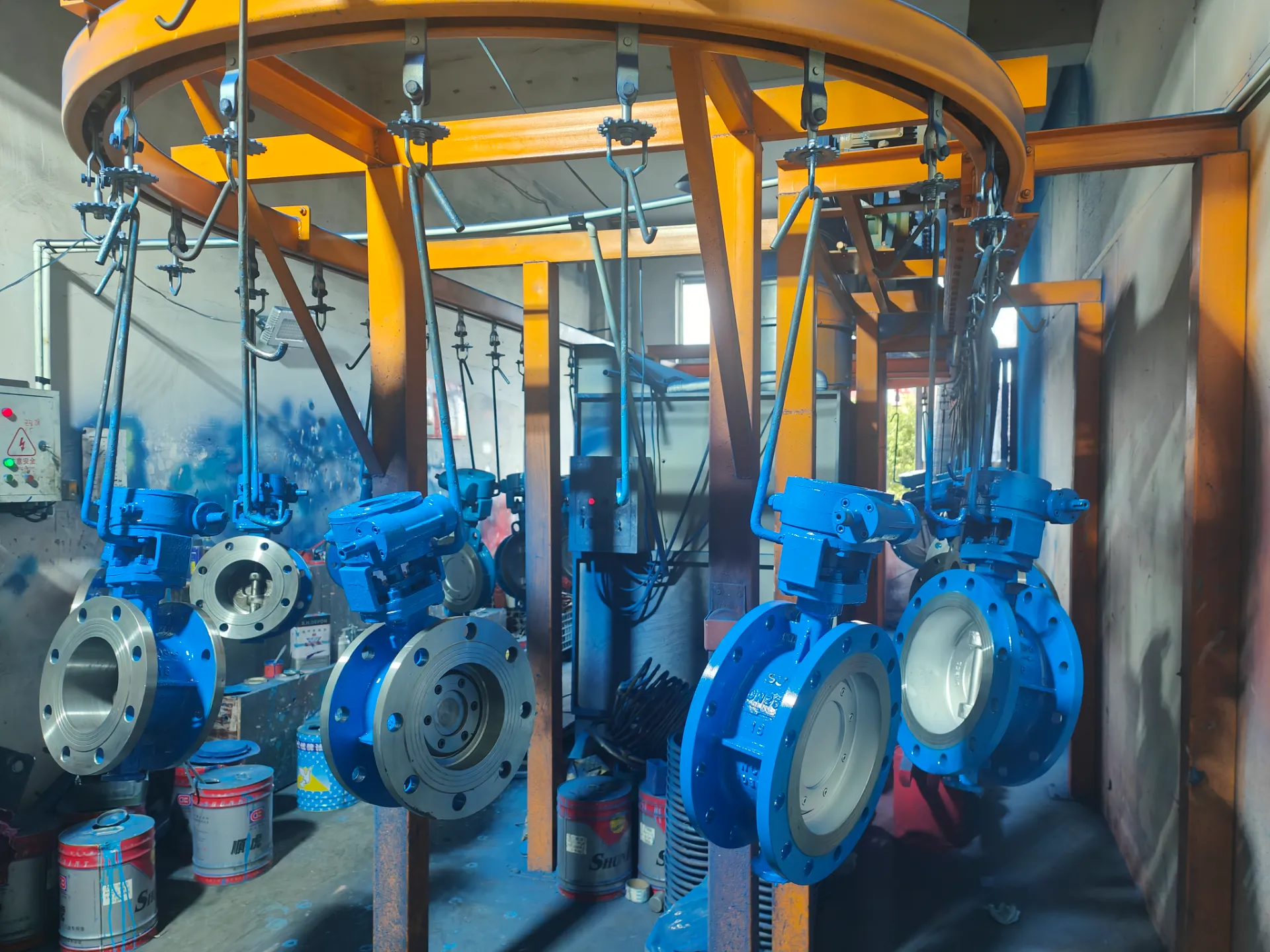
Performance & Engineering
Flange performance is dictated by a complex interplay of mechanical stresses, fluid dynamics, and environmental factors. Force analysis involves calculating stresses induced by internal pressure, bolt tension, and external loads (weight of piping, thermal expansion). Finite Element Analysis (FEA) is frequently employed to optimize flange designs and predict stress concentrations. Environmental resistance is critical, particularly in corrosive environments. Galvanic corrosion can occur when dissimilar metals are in contact, necessitating careful material selection and the use of dielectric gaskets. Temperature fluctuations induce thermal expansion and contraction, creating stresses at the flange connection. Expansion joints and proper gasket selection are crucial for mitigating these stresses. Compliance requirements are governed by standards like ASME B16.5 (for flanges and flange fittings), which specifies dimensional requirements, pressure-temperature ratings, and material specifications. Leak testing, employing methods like pneumatic testing or hydrostatic testing, verifies the integrity of the flange connection. Gasket selection is paramount; materials like PTFE, compressed non-asbestos fiber (CNAF), and metallic gaskets are chosen based on fluid compatibility, temperature, and pressure requirements.
Technical Specifications
| Parameter | Type 304/304L | Type 316/316L | ASTM A182 F304/F304L | |
|---|---|---|---|---|
| Tensile Strength (MPa) | 517-724 | 517-790 | 517-724 | 517-790 |
| Yield Strength (MPa) | 205-276 | 240-310 | 205-276 | 240-310 |
| Elongation (%) | 30-50 | 35-55 | 30-50 | 35-55 |
| Hardness (Brinell) | 197-211 | 217-230 | 197-211 | 217-230 |
| Corrosion Rate (mm/year in seawater) | 0.03-0.1 | 0.01-0.03 | 0.03-0.1 | 0.01-0.03 |
| Maximum Operating Temperature (°C) | 870 | 925 | 870 | 925 |
Failure Mode & Maintenance
Common failure modes for stainless steel flanges include: 1) Corrosion-induced failure: Pitting, crevice corrosion, and stress corrosion cracking (SCC) are prevalent, especially in chloride-rich environments. 2) Gasket failure: Deterioration due to chemical attack, thermal cycling, or improper compression. 3) Bolt failure: Fatigue cracking due to cyclic loading, corrosion of bolt materials, or improper torque application. 4) Fatigue cracking: Propagation of cracks originating from stress concentrations, particularly around bolt holes. 5) Erosion: Wear caused by abrasive particles in the fluid stream. Maintenance strategies include: Regular visual inspections for corrosion, gasket leaks, and bolt loosening. Torque checks on bolts to ensure proper clamping force. Periodic gasket replacement based on service conditions and manufacturer recommendations. Implementation of cathodic protection in severe corrosive environments. Non-destructive testing (NDT) methods like liquid penetrant testing (PT) or ultrasonic testing (UT) to detect cracks or corrosion. Surface cleaning to remove contaminants and prevent localized corrosion. Careful material selection based on process fluid chemistry and operating conditions is the most effective preventative measure.
Industry FAQ
Q: What is the primary difference between a weld neck flange and a slip-on flange in terms of stress distribution?
A: Weld neck flanges exhibit superior stress distribution compared to slip-on flanges. Weld neck flanges transfer stress to the pipe through the reinforced neck, minimizing stress concentration at the flange face. Slip-on flanges, relying on fillet welds, introduce higher stress concentrations at the weld toe, making them more susceptible to fatigue failure under cyclic loading. Weld neck flanges are preferred for high-pressure, high-temperature applications.
Q: How does the ‘L’ designation (e.g., 304L, 316L) impact the weldability of stainless steel flanges?
A: The ‘L’ designation indicates low carbon content. Lower carbon reduces the risk of carbide precipitation during welding, which can lead to intergranular corrosion (sensitization). Flanges with the ‘L’ designation are therefore preferred for welding applications where corrosion resistance is critical.
Q: What considerations are critical when selecting a gasket material for a stainless steel flange in a highly acidic environment?
A: Gasket material compatibility with the process fluid is paramount. For highly acidic environments, materials like PTFE (Teflon) or chemically resistant elastomers (e.g., Viton) are commonly used. Metallic gaskets, like spiral-wound gaskets with PTFE fillers, can also provide excellent sealing performance and chemical resistance. Avoid materials susceptible to degradation or swelling in the presence of the acid.
Q: What is the significance of the flange facing (Raised Face, Flat Face, Ring Type Joint)?
A: The flange facing dictates the sealing mechanism. Raised Face (RF) is the most common, creating a narrow contact area for a solid gasket. Flat Face (FF) is used with flat-faced mating flanges and often requires a full-face gasket. Ring Type Joint (RTJ) utilizes a metal ring compressed between the flange faces for high-pressure, high-temperature applications. Matching the facing type of mating flanges is crucial for a leak-tight seal.
Q: What are the implications of using improper bolt torque on a stainless steel flange connection?
A: Under-torque can lead to gasket leakage and flange separation. Over-torque can damage the flange, gasket, or bolts, potentially leading to flange distortion or bolt failure. Following manufacturer's specified torque values, utilizing calibrated torque wrenches, and employing proper torqueing procedures (star pattern) are essential for maintaining flange integrity.
Conclusion
Stainless steel flanges are indispensable components in a wide spectrum of industrial applications demanding robust, corrosion-resistant connections. Proper material selection, manufacturing precision, and adherence to industry standards are critical for ensuring long-term reliability and preventing premature failure. Understanding the nuances of material science, stress analysis, and environmental factors allows for optimized flange design and implementation, mitigating risks associated with corrosion, fatigue, and gasket leakage.
Future advancements in flange technology will likely focus on enhanced material compositions (e.g., duplex stainless steels for improved strength and corrosion resistance), smarter monitoring systems (e.g., embedded sensors for real-time stress and corrosion detection), and more efficient joining methods. Continued research and development are essential to meet the evolving demands of increasingly complex and challenging industrial environments.
-
Top Reasons to Choose a Stainless Steel Flange Check Valve for Industrial Applications
-
electric check valve Performance Engineering
-
electric check valves Performance Analysis
-
Threaded Check Valves Performance Analysis
-
6 inch check valve Performance Analysis
-
8 check valve Performance Analysis
-
diaphragm check valve Material Science Manufacturing
-
dual plate check valve Performance Analysis
-
check valve 6 inch Material Science
-
diaphragm check valves Performance Analysis
-
dual plate check valves Performance Analysis
-
vertical check valves Material Science Manufacturing
-
8 check valves Performance Analysis
-
refrigeration check valves Performance Analysis
-
pilot check valve Performance Analysis
 Afrikaans
 Albanian
 Amharic
 Arabic
 Armenian
 Azerbaijani
 Basque
 Belarusian
 Bengali
 Bosnian
 Bulgarian
 Catalan
 Cebuano
 Corsican
 Croatian
 Czech
Czech
 Danish
 Dutch
Dutch
 Esperanto
 Estonian
 Finnish
 French
 Frisian
 Galician
 Georgian
 German
 Greek
Greek
 Gujarati
 Haitian Creole
 Hausa
Hawaiian
Hausa
Hawaiian
 Hebrew
 Hindi
Hindi
 Miao
Miao
 Hungarian
 Icelandic
 Igbo
Igbo
 Indonesian
 Irish
Irish
 Italian
 Japanese
 Javanese
Kannada
Javanese
Kannada
 Kazakh
 Khmer
Khmer
 Rwandese
 Korean
 Kurdish
 Kyrgyz
 Lao
Lao
 Latin
Latin
 Latvian
 Lithuanian
 Luxembourgish
 Macedonian
 Malgashi
 Malay
Malay
 Malayalam
 Maltese
 Maori
Maori
 Marathi
 Mongolian
 Myanmar
 Nepali
 Norwegian
 Norwegian
 Occitan
 Pashto
 Persian
 Polish
 Portuguese
Punjabi
Portuguese
Punjabi
 Romanian
 Russian
 Samoan
 Scottish Gaelic
 Serbian
 Sesotho
 Shona
Shona
 Sindhi
 Sinhala
 Slovak
 Slovenian
 Somali
 Spanish
 Sundanese
 Swahili
 Swedish
Tagalog
Swedish
Tagalog
 Tajik
Tajik
 Tamil
Tamil
 Tatar
Tatar
 Telugu
 Thai
Thai
 Turkish
 Turkmen
 Ukrainian
 Urdu
Urdu
 Uighur
 Uzbek
Uzbek
 Vietnamese
 Welsh
Welsh
 Bantu
Bantu
 Yiddish
 Yoruba
 Zulu
Zulu
 English