




Cast Iron Flange Performance Analysis
Introduction
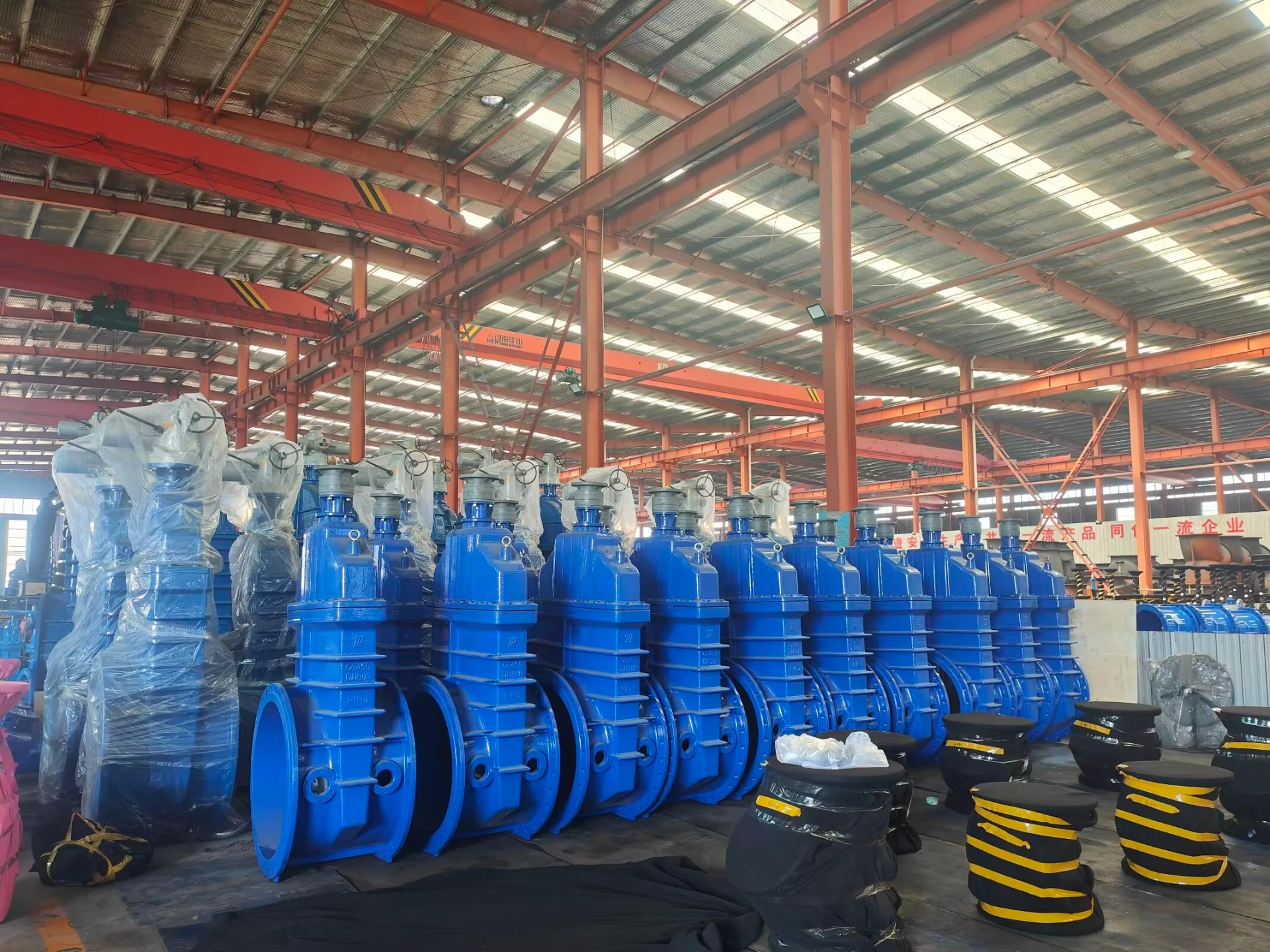
Cast iron flanges are fundamental components in piping systems, serving as connectors between sections of pipe, valves, pumps, and other equipment. They are integral to industries including water treatment, petrochemical processing, power generation, and HVAC. Positioned within the fluid transfer infrastructure, the flange facilitates robust, leak-proof joints, crucial for maintaining system integrity and operational efficiency. Commonly manufactured from ductile iron, gray iron, or white iron, their mechanical properties dictate load-bearing capacity and resistance to operational stresses. Core performance characteristics include pressure rating, dimensional accuracy conforming to ANSI/ASME standards, and compatibility with the conveyed fluid to prevent corrosion or contamination. The primary industrial pain point centers on selecting the appropriate cast iron alloy grade to balance cost with longevity and resistance to specific corrosive environments.
Material Science & Manufacturing
The predominant material for cast iron flanges is gray cast iron (ASTM A48 Class 30), chosen for its machinability, vibration damping, and relatively low cost. However, ductile iron (ASTM A536 65-45-12) is increasingly favored for its significantly higher tensile strength, ductility, and impact resistance. White cast iron, while extremely hard and abrasion-resistant, is brittle and less commonly used due to its susceptibility to cracking. The raw materials – iron ore, coke, limestone – are processed in a blast furnace to produce molten iron. This molten iron is then alloyed with carbon, silicon, manganese, phosphorus, and sulfur to achieve the desired cast iron grade. Manufacturing typically employs sand casting, where molten iron is poured into a mold created from sand bonded with clay and a binder. Key parameters requiring strict control include melt temperature (typically 1200-1400°C), cooling rate, and sand composition. The cooling rate significantly affects the microstructure; slower cooling promotes larger graphite flakes in gray iron, while controlled cooling with magnesium treatment in ductile iron creates spheroidal graphite inclusions. Machining is then performed to achieve precise dimensions and smooth sealing surfaces, often employing CNC lathes and milling machines. Surface finishing, such as painting or coating, provides corrosion protection. Chemical composition analysis (spectroscopy) and mechanical property testing (tensile, hardness) are critical quality control measures.
Performance & Engineering
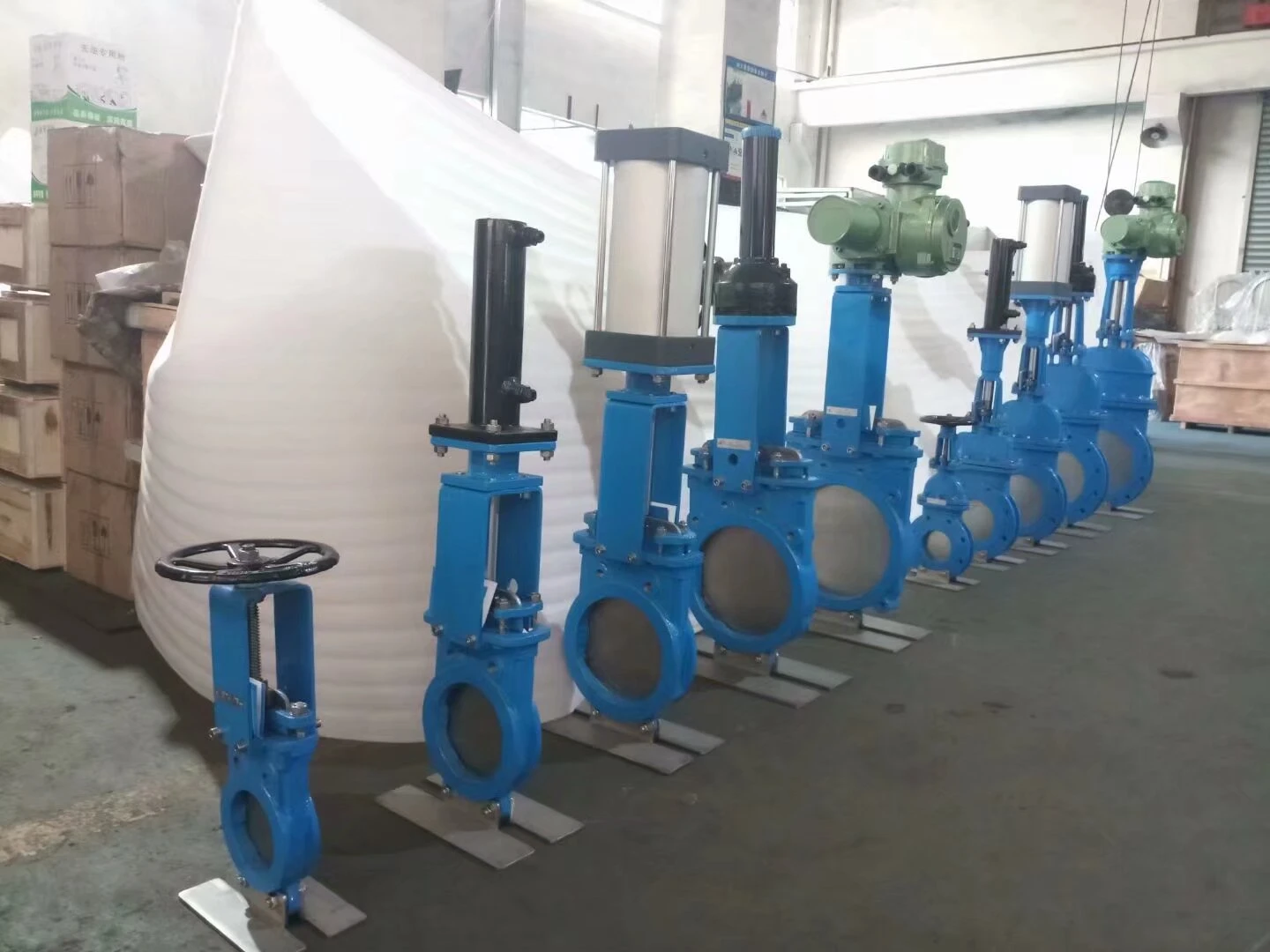
The performance of cast iron flanges is fundamentally governed by stress analysis under internal pressure and external loads. Flange designs must withstand hoop stress resulting from internal pressure, bending moments from pipe weight and thermal expansion, and shear stress from bolt tightening. Finite Element Analysis (FEA) is routinely employed to optimize flange geometry and bolt patterns to minimize stress concentrations. Environmental resistance is a crucial performance parameter; cast iron is susceptible to corrosion, particularly in acidic or saline environments. Protective coatings, such as epoxy or galvanizing, are employed to mitigate corrosion. Compliance requirements are dictated by industry standards such as ANSI/ASME B16.1 (for flanges and flanged fittings) and API 6A (for wellhead and Christmas tree equipment). These standards specify pressure-temperature ratings, dimensional tolerances, and material requirements. Bolting arrangements (stud and nut combinations) must be engineered to provide adequate clamping force to maintain a leak-proof seal even under fluctuating temperatures and pressures. Gasket selection (e.g., non-asbestos fiber, PTFE) is also critical, ensuring chemical compatibility with the fluid and adequate compression to prevent leakage. The flange facing (Raised Face, Flat Face) must be precisely machined to ensure proper gasket seating.
Technical Specifications
| Parameter | ASTM A48 Class 30 (Gray Iron) | ASTM A536 65-45-12 (Ductile Iron) | Units |
|---|---|---|---|
| Tensile Strength | 20,000 - 40,000 | 60,000 - 120,000 | psi |
| Yield Strength | 12,000 - 25,000 | 35,000 - 80,000 | psi |
| Hardness (Brinell) | 150-250 | 180-300 | HB |
| Elongation (%) | <5 | >10 | % |
| Corrosion Rate (in 3.5% NaCl) | 0.1 - 0.5 | 0.05 - 0.2 | mm/year |
| Maximum Operating Temperature | 400 | 300 | °C |
Failure Mode & Maintenance
Cast iron flanges are susceptible to several failure modes. Graphitic corrosion, particularly in gray iron, occurs when graphite flakes are preferentially attacked by corrosive media, leading to weakening and eventual failure. Stress corrosion cracking (SCC) can occur in the presence of specific corrosive environments and tensile stresses. Fatigue cracking can initiate at stress concentrators (e.g., bolt holes) due to cyclic loading. Thermal shock, caused by rapid temperature changes, can induce cracking, particularly in brittle materials like white iron. Bolting failures, including bolt loosening and thread stripping, are common due to vibration, thermal cycling, and improper torqueing. Maintenance involves regular visual inspections for signs of corrosion, cracking, or leakage. Bolts should be periodically checked and re-torqued to the manufacturer’s specifications. Protective coatings should be inspected and repaired as needed. In the event of significant corrosion or cracking, the flange should be replaced. Non-destructive testing (NDT) methods, such as liquid penetrant inspection and ultrasonic testing, can be used to detect hidden flaws. Proper gasket selection and replacement are also essential for maintaining a leak-proof seal. The implementation of a preventative maintenance program, based on operational conditions and risk assessment, is crucial for maximizing flange lifespan and minimizing downtime.
Industry FAQ
Q: What is the primary advantage of using ductile iron flanges over gray iron flanges?
A: Ductile iron flanges offer significantly higher tensile strength, ductility, and impact resistance compared to gray iron flanges. This translates to improved performance under dynamic loading, greater resistance to cracking, and enhanced reliability in demanding applications. While more expensive, the extended lifespan and reduced risk of failure often justify the cost difference.
Q: How does the flange facing (RF, FF) impact gasket selection and sealing performance?
A: Raised Face (RF) flanges require gaskets with a raised lip to create a sealing surface within the flange’s raised area. Flat Face (FF) flanges rely on the gasket to compensate for surface irregularities. The choice depends on the mating flange type and the gasket’s compression characteristics. Mismatched facings can lead to leakage.
Q: What corrosion protection methods are most effective for cast iron flanges in saltwater environments?
A: Galvanizing (hot-dip galvanizing or zinc spraying) provides excellent corrosion protection by creating a sacrificial barrier. Epoxy coatings also offer good resistance, but require proper surface preparation. Cathodic protection may be considered for submerged applications.
Q: What is the importance of proper bolt torque, and how is it determined?
A: Proper bolt torque is critical for achieving a leak-proof seal and maintaining flange integrity. Insufficient torque can lead to leakage, while excessive torque can damage the flange or bolts. Torque values are typically specified by the flange manufacturer and based on bolt size, material, and gasket type. Torque wrenches should be calibrated regularly.
Q: What NDT methods are commonly used to inspect cast iron flanges for defects?
A: Liquid penetrant inspection (LPI) is widely used to detect surface cracks. Ultrasonic testing (UT) can detect subsurface flaws. Radiographic testing (RT) provides a comprehensive view of internal defects, but requires specialized equipment and safety precautions. Magnetic particle inspection (MPI) is effective for detecting surface and near-surface cracks in ferrous materials.
Conclusion
Cast iron flanges remain a critical, cost-effective component in numerous industrial applications, although material selection is paramount. The choice between gray iron and ductile iron hinges on the specific operational demands, balancing cost considerations with the need for enhanced mechanical properties and corrosion resistance. Understanding the potential failure modes – corrosion, cracking, and bolting failures – and implementing a proactive maintenance program are vital for ensuring long-term reliability and minimizing operational disruptions.
Future advancements in cast iron alloy development, coupled with improved coating technologies, will further enhance the performance and lifespan of these essential components. The increasing adoption of digital twins and predictive maintenance strategies will allow for real-time monitoring of flange condition and proactive intervention before failures occur. Standardization efforts, such as updates to ANSI/ASME B16.1, will continue to refine design parameters and ensure compatibility across diverse piping systems.
-
Top Reasons to Choose a Stainless Steel Flange Check Valve for Industrial Applications
-
electric check valve Performance Engineering
-
electric check valves Performance Analysis
-
Threaded Check Valves Performance Analysis
-
6 inch check valve Performance Analysis
-
8 check valve Performance Analysis
-
diaphragm check valve Material Science Manufacturing
-
dual plate check valve Performance Analysis
-
check valve 6 inch Material Science
-
diaphragm check valves Performance Analysis
-
dual plate check valves Performance Analysis
-
vertical check valves Material Science Manufacturing
-
8 check valves Performance Analysis
-
refrigeration check valves Performance Analysis
-
pilot check valve Performance Analysis
 Afrikaans
 Albanian
 Amharic
 Arabic
 Armenian
 Azerbaijani
 Basque
 Belarusian
 Bengali
 Bosnian
 Bulgarian
 Catalan
 Cebuano
 Corsican
 Croatian
 Czech
Czech
 Danish
 Dutch
Dutch
 Esperanto
 Estonian
 Finnish
 French
 Frisian
 Galician
 Georgian
 German
 Greek
Greek
 Gujarati
 Haitian Creole
 Hausa
Hawaiian
Hausa
Hawaiian
 Hebrew
 Hindi
Hindi
 Miao
Miao
 Hungarian
 Icelandic
 Igbo
Igbo
 Indonesian
 Irish
Irish
 Italian
 Japanese
 Javanese
Kannada
Javanese
Kannada
 Kazakh
 Khmer
Khmer
 Rwandese
 Korean
 Kurdish
 Kyrgyz
 Lao
Lao
 Latin
Latin
 Latvian
 Lithuanian
 Luxembourgish
 Macedonian
 Malgashi
 Malay
Malay
 Malayalam
 Maltese
 Maori
Maori
 Marathi
 Mongolian
 Myanmar
 Nepali
 Norwegian
 Norwegian
 Occitan
 Pashto
 Persian
 Polish
 Portuguese
Punjabi
Portuguese
Punjabi
 Romanian
 Russian
 Samoan
 Scottish Gaelic
 Serbian
 Sesotho
 Shona
Shona
 Sindhi
 Sinhala
 Slovak
 Slovenian
 Somali
 Spanish
 Sundanese
 Swahili
 Swedish
Tagalog
Swedish
Tagalog
 Tajik
Tajik
 Tamil
Tamil
 Tatar
Tatar
 Telugu
 Thai
Thai
 Turkish
 Turkmen
 Ukrainian
 Urdu
Urdu
 Uighur
 Uzbek
Uzbek
 Vietnamese
 Welsh
Welsh
 Bantu
Bantu
 Yiddish
 Yoruba
 Zulu
Zulu
 English