




2 way needle valve Performance Analysis
Introduction
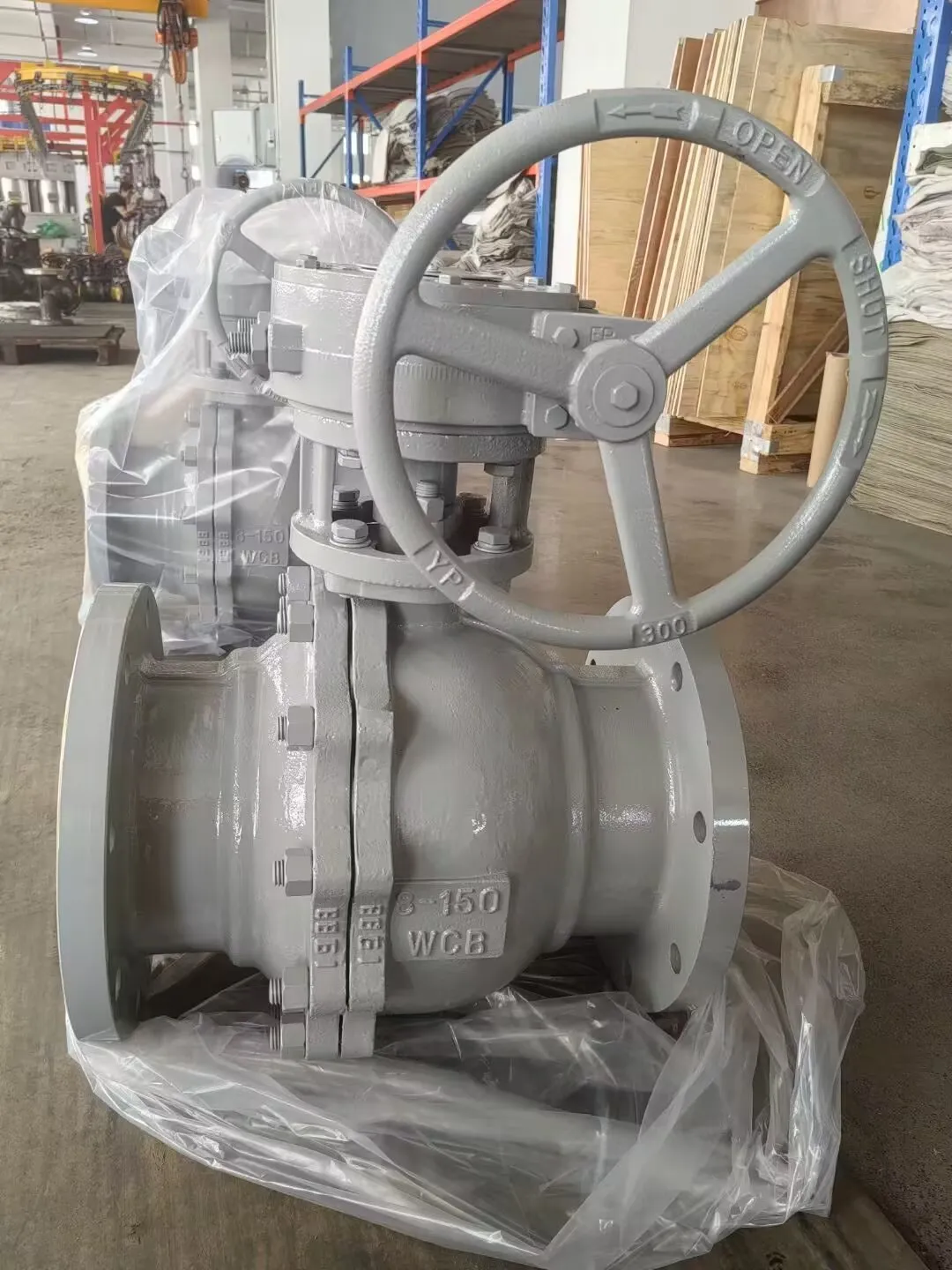
A 2-way needle valve is a precise flow control device used in a variety of industrial applications, primarily for regulating the flow of liquids and gases in low to medium-pressure systems. Positioned within the industrial chain, it functions as a critical component in process control, instrumentation, and sampling systems. Unlike ball valves that provide on/off functionality, needle valves offer granular control thanks to their tapered needle and seat design. This allows for precise adjustments to flow rates, making them essential in applications demanding accurate metering. Core performance characteristics include high flow resolution, leak-tight shut-off capability, and resistance to various media depending on material selection. The primary industry pain point addressed by needle valves is the need for accurate and repeatable flow control where traditional valve types are insufficient, such as in analytical instrumentation or gas chromatography. Furthermore, selecting the correct valve material to ensure compatibility with the process fluid is crucial to prevent corrosion and maintain valve integrity. Proper installation and regular maintenance are also critical to avoid performance degradation and ensure long-term reliability.
Material Science & Manufacturing
The body construction of 2-way needle valves commonly utilizes materials like 316/304 Stainless Steel, Brass (C36000), and various polymers like PTFE and PEEK. 316 Stainless Steel offers superior corrosion resistance, particularly against chloride environments, making it suitable for aggressive chemical applications. 304 Stainless Steel provides good corrosion resistance for less demanding environments. Brass, while cost-effective, is less resistant to corrosion and typically used for non-corrosive fluids like water or air. PTFE (Teflon) and PEEK are employed for seals and seats due to their exceptional chemical inertness and low friction coefficient. Raw material properties are rigorously tested before manufacturing. The manufacturing process typically involves CNC machining of the valve body, ensuring tight tolerances and smooth surface finishes. The needle and seat are precision-ground and lapped to create a leak-tight seal. Critical parameters during manufacturing include dimensional accuracy of the needle taper, surface roughness of the seat, and thread quality. For metal valves, passivation treatments are employed to enhance corrosion resistance. Polymer components undergo stringent quality control to verify their chemical compatibility and mechanical strength. Welding, if required (e.g., for some stainless steel constructions), utilizes TIG welding techniques under controlled atmospheric conditions to minimize oxidation and ensure weld integrity. Key parameter control during welding includes maintaining appropriate shielding gas flow rates and welding current to prevent porosity and ensure full penetration.
Performance & Engineering
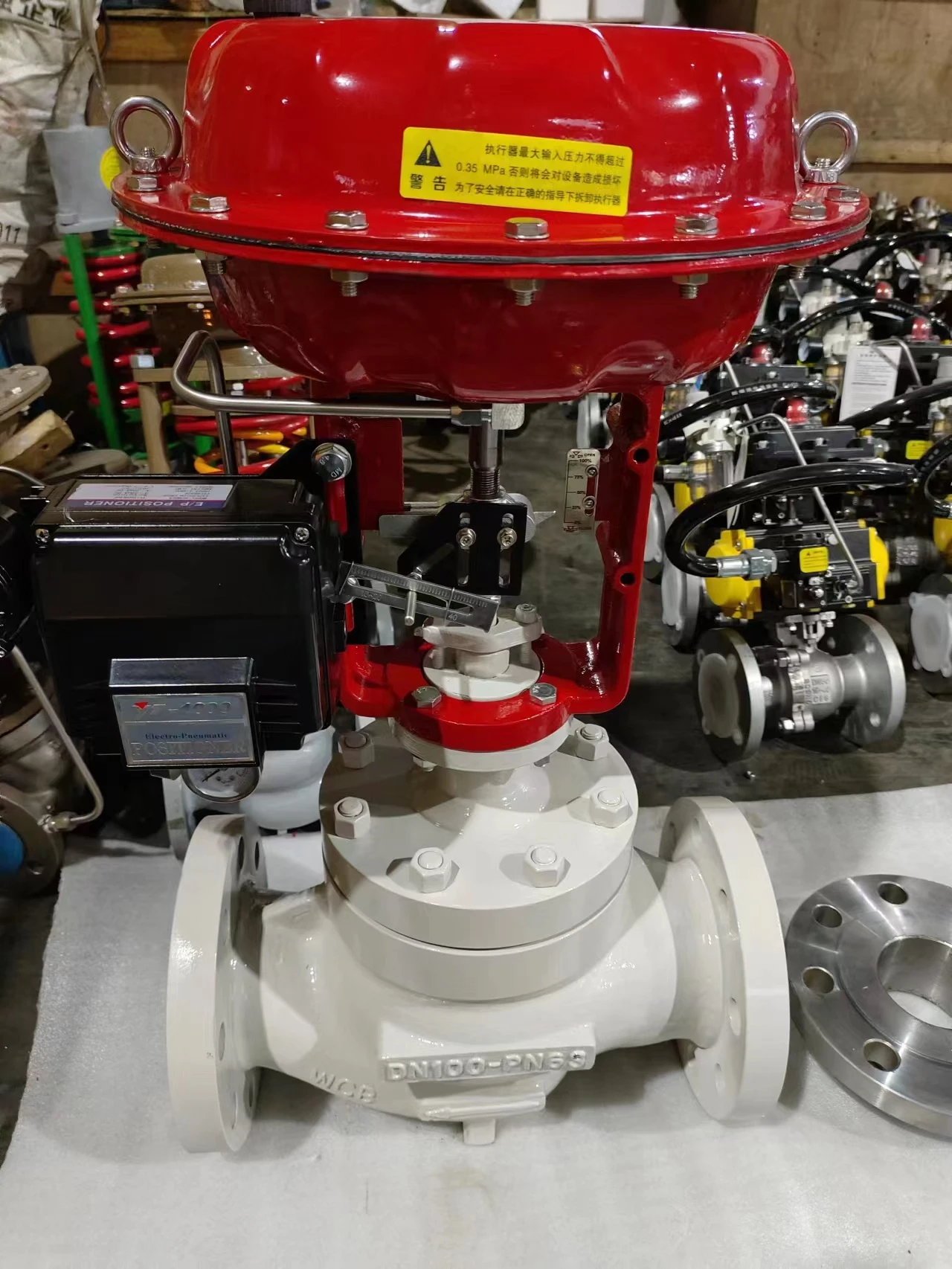
The performance of a 2-way needle valve is largely dictated by its flow coefficient (Cv), which quantifies the valve's ability to pass fluid. The Cv value is affected by the valve's orifice size and the pressure drop across the valve. Force analysis focuses on the force required to turn the handwheel, which is influenced by the stem thread pitch, friction, and the fluid pressure acting on the needle. Environmental resistance is determined by the materials of construction; for example, valves intended for outdoor use require UV-resistant seals and coatings. Compliance requirements vary depending on the application and industry. For example, valves used in pharmaceutical applications must adhere to 3A Sanitary Standards, while those used in hazardous locations must comply with ATEX or IECEx standards. Functional implementation relies on the precise interaction between the tapered needle and the seat. As the needle is tightened, the gap between the needle and seat decreases, restricting flow. The taper angle and surface finish are critical to achieving a leak-tight shutoff. The valve's stem packing, typically made of PTFE or graphite, prevents leakage around the stem. Fatigue analysis is crucial for valves subjected to frequent cycling, as repeated opening and closing can induce stress and potentially lead to failure. The stem's material strength and the packing's resilience are key factors in mitigating fatigue. Proper material selection also considers the thermal expansion coefficients of different components to prevent binding or distortion.
Technical Specifications
| Parameter | Unit | Stainless Steel 316 | Brass C36000 |
|---|---|---|---|
| Maximum Pressure | PSI | 1000 | 400 |
| Temperature Range | °F | -60 to 450 | -20 to 250 |
| Cv Value (Typical) | - | 0.1 - 1.0 (varies by size) | 0.05 - 0.5 (varies by size) |
| Orifice Size | mm | 1.0 – 6.0 | 0.5 – 3.0 |
| Connection Type | - | NPT, BSPT, SAE | NPT, BSPT |
| Seal Material | - | PTFE, PEEK | PTFE |
Failure Mode & Maintenance
Common failure modes for 2-way needle valves include seat erosion, stem packing failure, and corrosion. Seat erosion occurs due to abrasive particles in the fluid stream, leading to leakage. Stem packing failure results in external leakage around the stem. Corrosion weakens the valve body and internal components, potentially causing catastrophic failure. Fatigue cracking can occur in the stem due to repeated cycling, especially under high pressure. Delamination of the seat material can also occur, leading to leakage. Oxidation of metal components can lead to increased friction and difficulty in operation. Preventive maintenance is crucial for extending valve life. Regular inspection of the stem packing for leaks and replacement as needed is essential. Periodic cleaning of the valve body to remove debris and contaminants is recommended. Lubricating the stem threads with a compatible lubricant reduces friction and prevents seizing. For valves used with corrosive fluids, regular inspection for corrosion is vital. If corrosion is detected, the valve should be replaced. A complete overhaul, including seat replacement and stem packing replacement, should be performed periodically (e.g., annually) based on the severity of the application. Proper storage conditions, protecting valves from moisture and extreme temperatures, also contribute to longevity. Root cause analysis of failures is essential to identify and correct underlying issues in the process system.
Industry FAQ
Q: What is the primary difference between a needle valve and a ball valve in terms of flow control precision?
A: Ball valves provide on/off functionality with minimal flow restriction when fully open, but offer little to no precise flow control. Needle valves, due to their tapered design, offer granular and repeatable flow control, making them suitable for applications requiring precise metering or throttling.
Q: How does the choice of seat material affect the valve's suitability for different fluids?
A: The seat material must be chemically compatible with the fluid being controlled. PTFE is suitable for a wide range of corrosive fluids, while materials like Viton may be better suited for certain oils and solvents. Incompatibility can lead to swelling, degradation, and leakage.
Q: What are the key considerations when selecting a needle valve for a high-pressure application?
A: The valve body must be rated for the maximum system pressure. Material selection is critical, typically favoring stainless steel for high-pressure applications. The stem and seat must be designed to withstand the pressure without deformation or leakage. Proper tightening of connections is also crucial.
Q: What is the significance of the Cv value, and how is it used in valve selection?
A: The Cv value represents the valve's flow capacity. It’s used to calculate the pressure drop across the valve for a given flow rate. Matching the valve’s Cv value to the system’s flow requirements is essential for optimal performance.
Q: How often should the stem packing be replaced, and what are the signs that replacement is needed?
A: The stem packing should be replaced periodically, typically annually, or as needed. Signs that replacement is needed include visible leaks around the stem, increased difficulty in turning the handwheel, or a decrease in the valve’s ability to shut off completely.
Conclusion
2-way needle valves are critical components in precise flow control applications, offering a level of granularity unavailable with simpler valve designs. Their performance hinges on careful material selection, precise manufacturing tolerances, and adherence to relevant industry standards. Understanding the nuances of flow coefficient (Cv), material compatibility, and potential failure modes is paramount for ensuring long-term reliability and optimal system performance.
Future advancements in needle valve technology may focus on incorporating smart materials for self-regulating flow, developing more durable and chemically resistant seat materials, and integrating digital monitoring capabilities for predictive maintenance. Proper valve selection, installation, and maintenance remain the cornerstones of successful operation, minimizing downtime and maximizing process efficiency.
-
Top Reasons to Choose a Stainless Steel Flange Check Valve for Industrial Applications
-
12 inch check valve Performance Analysis
-
lift check valves Performance Engineering
-
check valve 12 inch Performance Analysis
-
stop check valve Performance Analysis
-
check stop valve Performance Analysis
-
stop check valves Performance Analysis
-
pilot operated check valve Performance Analysis
-
spring loaded check valve Material Science Manufacturing
-
pilot operated check valves Performance Analysis
-
check valve pilot operated Performance Analysis
-
1 4 in check valve Performance Engineering
-
check valve 3 4 Performance Analysis
-
11 2 check valve Performance Analysis
-
spring check valve Material Science Manufacturing
 Afrikaans
 Albanian
 Amharic
 Arabic
 Armenian
 Azerbaijani
 Basque
 Belarusian
 Bengali
 Bosnian
 Bulgarian
 Catalan
 Cebuano
 Corsican
 Croatian
 Czech
Czech
 Danish
 Dutch
Dutch
 Esperanto
 Estonian
 Finnish
 French
 Frisian
 Galician
 Georgian
 German
 Greek
Greek
 Gujarati
 Haitian Creole
 Hausa
Hawaiian
Hausa
Hawaiian
 Hebrew
 Hindi
Hindi
 Miao
Miao
 Hungarian
 Icelandic
 Igbo
Igbo
 Indonesian
 Irish
Irish
 Italian
 Japanese
 Javanese
Kannada
Javanese
Kannada
 Kazakh
 Khmer
Khmer
 Rwandese
 Korean
 Kurdish
 Kyrgyz
 Lao
Lao
 Latin
Latin
 Latvian
 Lithuanian
 Luxembourgish
 Macedonian
 Malgashi
 Malay
Malay
 Malayalam
 Maltese
 Maori
Maori
 Marathi
 Mongolian
 Myanmar
 Nepali
 Norwegian
 Norwegian
 Occitan
 Pashto
 Persian
 Polish
 Portuguese
Punjabi
Portuguese
Punjabi
 Romanian
 Russian
 Samoan
 Scottish Gaelic
 Serbian
 Sesotho
 Shona
Shona
 Sindhi
 Sinhala
 Slovak
 Slovenian
 Somali
 Spanish
 Sundanese
 Swahili
 Swedish
Tagalog
Swedish
Tagalog
 Tajik
Tajik
 Tamil
Tamil
 Tatar
Tatar
 Telugu
 Thai
Thai
 Turkish
 Turkmen
 Ukrainian
 Urdu
Urdu
 Uighur
 Uzbek
Uzbek
 Vietnamese
 Welsh
Welsh
 Bantu
Bantu
 Yiddish
 Yoruba
 Zulu
Zulu
 English