




china 2 inch gate valve Performance Analysis
Introduction
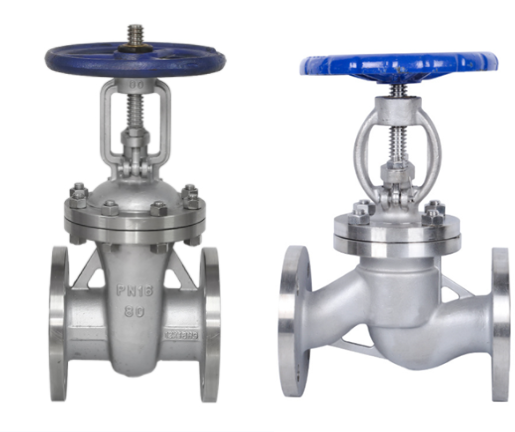
The 2-inch gate valve, manufactured in China, is a critical component in fluid handling systems across diverse industries including water treatment, oil and gas, chemical processing, and HVAC. Positioned as a linear isolation valve, it regulates flow by employing a gate that slides perpendicularly to the flow path. Unlike valves designed for throttling, gate valves excel in fully open or fully closed operation, minimizing pressure drop and ensuring efficient fluid transport. Core performance characteristics include tight shut-off capabilities, minimal flow restriction in the open position, and robust construction designed to withstand varying pressures and temperatures. A key industry pain point is the variability in material quality and manufacturing precision among Chinese manufacturers, impacting long-term reliability and necessitating rigorous quality control measures. Understanding the nuances of material selection, manufacturing processes, and applicable standards is crucial for informed procurement and reliable operational performance.
Material Science & Manufacturing
The body of a typical 2-inch gate valve is commonly constructed from cast iron (ASTM A126 Class B), ductile iron (ASTM A536 65-45-12), or carbon steel (ASTM A105). The gate itself is frequently manufactured from bronze (ASTM B584), stainless steel (304, 316 – ASTM A276), or cast iron with a corrosion-resistant coating. Seat materials include EPDM, NBR, PTFE, and reinforced PTFE, chosen based on fluid compatibility and temperature requirements. Manufacturing initiates with pattern making or CAD modeling for casting. Casting is followed by machining to achieve precise dimensions and smooth sealing surfaces. The gate is then lapped or ground to ensure a tight seal against the seat. Key parameter control during manufacturing includes dimensional accuracy (verified through CMM inspection), surface roughness (Ra values measured for sealing surfaces), and hydrostatic testing to confirm body integrity. Welding processes, if utilized for fabrication, must adhere to ASME Section IX standards, with welders certified to appropriate qualifications. Non-destructive testing (NDT), including radiographic testing (RT) and ultrasonic testing (UT), is essential to detect internal flaws in welds and castings. Surface treatments such as epoxy coating or galvanization are applied to carbon steel components to enhance corrosion resistance.
Performance & Engineering
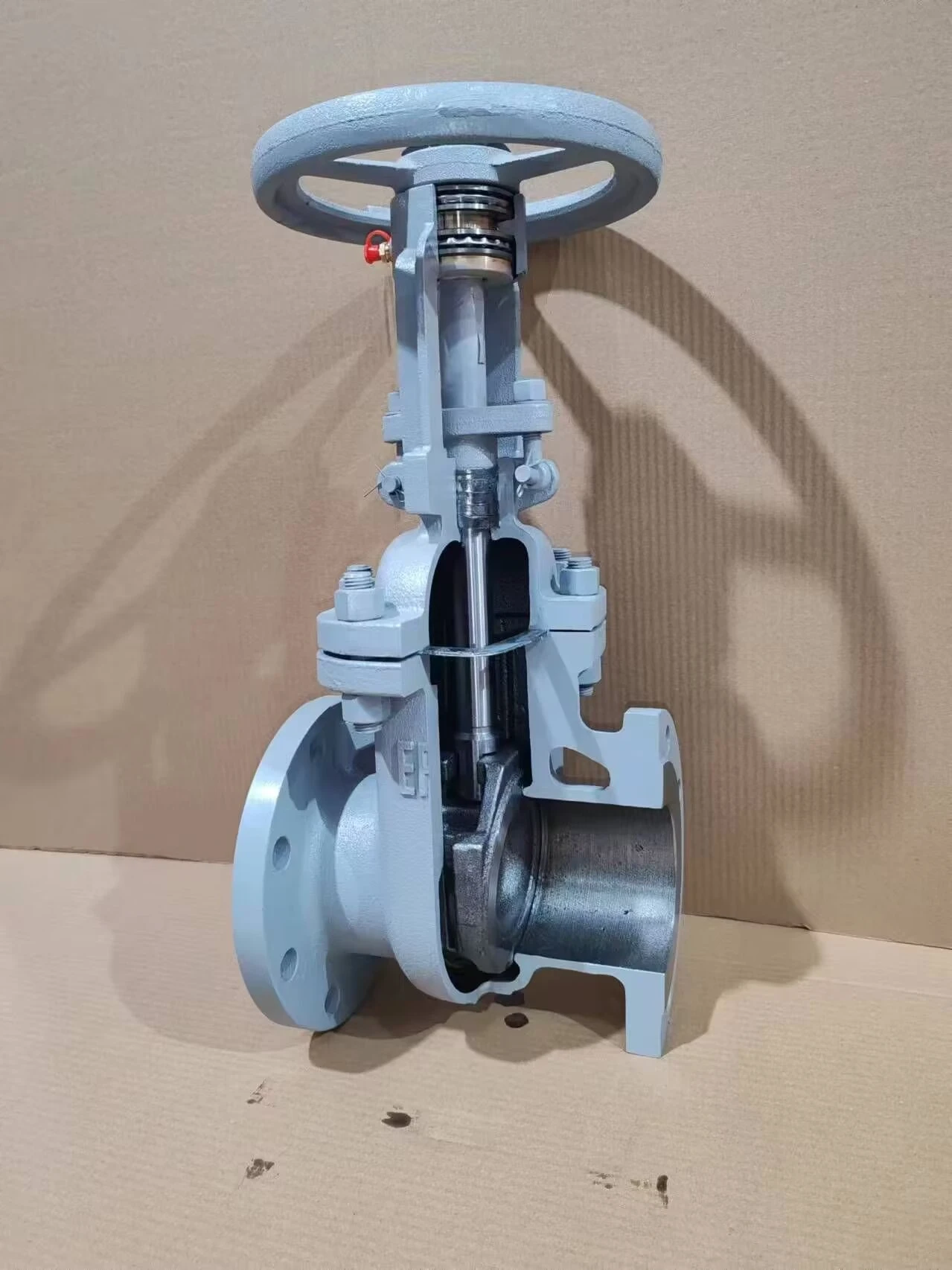
Gate valve performance is governed by pressure-temperature ratings, typically specified in accordance with ANSI/ASME B16.34. Force analysis considers the stem torque required for operation, influenced by fluid pressure, gate area, and seat friction. Environmental resistance is critical; prolonged exposure to corrosive fluids or harsh weather conditions can lead to material degradation. Compliance requirements vary by application, often necessitating adherence to standards such as API 600 (for petroleum and natural gas industries), AWWA C500 (for potable water systems), and FM 17324 (for fire protection). Functional implementation focuses on ensuring leak-tight shut-off and smooth gate operation. The bonnet design must prevent stem leakage and withstand the full system pressure. Stem packing, often graphite-based, provides a dynamic seal. Handwheel design must provide sufficient leverage for easy operation, even under high differential pressure. The valve’s resilience to water hammer (pressure surge) and flow-induced vibration is also a key engineering consideration, potentially requiring the inclusion of damping mechanisms or reinforced components.
Technical Specifications
| Parameter | Specification (Typical) | Testing Standard | Material Grade |
|---|---|---|---|
| Valve Size | 2 inch (DN50) | GB/T 12221 | Varies based on body material |
| Pressure Rating | 125 PSI (8.6 bar), 150 PSI (10.3 bar) | ANSI/ASME B16.34 | Class 125, Class 150 |
| Body Material | Cast Iron, Ductile Iron, Carbon Steel | ASTM A126, ASTM A536, ASTM A105 | A126 Class B, 65-45-12, A105 |
| Gate Material | Bronze, Stainless Steel | ASTM B584, ASTM A276 | B584 Alloy 85-5-5-5, 304, 316 |
| Seat Material | EPDM, NBR, PTFE | ASTM D2000 | Varies based on fluid compatibility |
| Connection Type | Flanged (ANSI B16.1), Threaded (BSP) | ANSI B16.1, ISO 7/1 | Varies based on connection type |
Failure Mode & Maintenance
Common failure modes in 2-inch gate valves include seat erosion due to abrasive particles in the fluid stream, gate oxidation and corrosion leading to increased operating torque, stem packing failure causing leakage, and body cracking due to excessive pressure or thermal cycling. Fatigue cracking can occur in the gate or stem, especially under frequent operation. Delamination of coatings exposes the underlying metal to corrosion. Oxidation of stainless steel components can reduce their corrosion resistance. Maintenance involves regular inspection of the stem packing, tightening or replacing as needed. Periodic lubrication of the stem threads reduces operating torque. Hydrostatic testing should be conducted annually to verify body integrity. Seat replacement is necessary when erosion or damage compromises shut-off capability. In cases of body cracking, the valve must be replaced. Preventative maintenance should include flushing the system to remove abrasive particles and implementing a corrosion monitoring program. Proper storage procedures, protecting valves from moisture and contamination, are also crucial.
Industry FAQ
Q: What are the critical factors to consider when selecting a gate valve for a corrosive fluid application?
A: The primary considerations are the fluid’s chemical composition, concentration, temperature, and flow velocity. The body and seat materials must be chemically compatible with the fluid to prevent corrosion or degradation. PTFE or reinforced PTFE seats are often preferred for highly corrosive environments. Stainless steel (316) or alloy steels provide superior corrosion resistance compared to carbon steel. Regularly verifying the chemical resistance charts of the materials and conducting spot tests are essential.
Q: How does the pressure rating affect the lifespan of a gate valve?
A: Operating a valve consistently near its maximum pressure rating significantly reduces its lifespan. Higher pressures induce greater stress on the body, gate, and seat, accelerating fatigue and increasing the risk of leakage or failure. It’s best to select a valve with a pressure rating exceeding the anticipated operating pressure by a safety factor (typically 20-30%).
Q: What are the advantages of a wedge gate valve versus a parallel seat gate valve?
A: Wedge gate valves offer a tighter shut-off compared to parallel seat valves, particularly in applications involving gases or liquids requiring zero leakage. The wedge design forces the gate against the seats, creating a more positive seal. Parallel seat valves are better suited for applications where some minor leakage is acceptable, or where frequent operation is required.
Q: What NDT methods are commonly used to ensure the quality of a 2-inch gate valve?
A: Radiographic testing (RT) is used to detect internal flaws in castings and welds. Ultrasonic testing (UT) is employed to assess the thickness and integrity of valve components and to identify subsurface defects. Liquid penetrant testing (PT) reveals surface cracks and porosity. Magnetic particle testing (MT) is used to detect surface and near-surface defects in ferromagnetic materials.
Q: What are the implications of choosing a gate valve from a less-established Chinese manufacturer?
A: While many Chinese manufacturers offer competitive pricing, quality control can be variable. Potential issues include inconsistent material composition, inadequate machining precision, and insufficient NDT. Thorough vendor qualification, independent third-party inspection, and requesting material test reports (MTRs) are crucial steps to mitigate these risks. It’s also essential to verify compliance with relevant international standards.
Conclusion
The 2-inch gate valve remains a foundational component in numerous industrial fluid handling systems, providing reliable on/off control where minimal pressure drop is paramount. However, successful implementation hinges on a comprehensive understanding of material science, manufacturing processes, and applicable industry standards. Addressing the inherent risks associated with sourcing from Chinese manufacturers requires rigorous quality control protocols, including independent inspection and meticulous verification of material certifications.
Future advancements will likely focus on the development of smart gate valves incorporating sensors and actuators for remote monitoring and automated control, enhancing operational efficiency and predictive maintenance capabilities. Further research into novel materials and coatings will also contribute to improved corrosion resistance and extended service life. Prioritizing quality and adherence to international standards remains crucial for ensuring long-term reliability and minimizing life-cycle costs.
-
Top Reasons to Choose a Stainless Steel Flange Check Valve for Industrial Applications
-
check valves high pressure Performance Analysis
-
check valves low pressure Performance Analysis
-
High Pressure Check Valves Performance Analysis
-
low pressure check valves Performance Analysis
-
6 check valve Performance Analysis
-
stainless steel check valves Performance Analysis
-
check valve 6 Performance Analysis
-
check valve stainless steel Performance Analysis
-
6 in check valve Performance Engineering
-
6 check valves Performance Analysis
-
12 inch check valve Performance Analysis
-
lift check valves Performance Engineering
-
check valve 12 inch Performance Analysis
-
stop check valve Performance Analysis
 Afrikaans
 Albanian
 Amharic
 Arabic
 Armenian
 Azerbaijani
 Basque
 Belarusian
 Bengali
 Bosnian
 Bulgarian
 Catalan
 Cebuano
 Corsican
 Croatian
 Czech
Czech
 Danish
 Dutch
Dutch
 Esperanto
 Estonian
 Finnish
 French
 Frisian
 Galician
 Georgian
 German
 Greek
Greek
 Gujarati
 Haitian Creole
 Hausa
Hawaiian
Hausa
Hawaiian
 Hebrew
 Hindi
Hindi
 Miao
Miao
 Hungarian
 Icelandic
 Igbo
Igbo
 Indonesian
 Irish
Irish
 Italian
 Japanese
 Javanese
Kannada
Javanese
Kannada
 Kazakh
 Khmer
Khmer
 Rwandese
 Korean
 Kurdish
 Kyrgyz
 Lao
Lao
 Latin
Latin
 Latvian
 Lithuanian
 Luxembourgish
 Macedonian
 Malgashi
 Malay
Malay
 Malayalam
 Maltese
 Maori
Maori
 Marathi
 Mongolian
 Myanmar
 Nepali
 Norwegian
 Norwegian
 Occitan
 Pashto
 Persian
 Polish
 Portuguese
Punjabi
Portuguese
Punjabi
 Romanian
 Russian
 Samoan
 Scottish Gaelic
 Serbian
 Sesotho
 Shona
Shona
 Sindhi
 Sinhala
 Slovak
 Slovenian
 Somali
 Spanish
 Sundanese
 Swahili
 Swedish
Tagalog
Swedish
Tagalog
 Tajik
Tajik
 Tamil
Tamil
 Tatar
Tatar
 Telugu
 Thai
Thai
 Turkish
 Turkmen
 Ukrainian
 Urdu
Urdu
 Uighur
 Uzbek
Uzbek
 Vietnamese
 Welsh
Welsh
 Bantu
Bantu
 Yiddish
 Yoruba
 Zulu
Zulu
 English