




china 4 way ball valve Performance Analysis

Introduction
The 4-way ball valve is a critical component in numerous industrial fluid control systems. Unlike conventional 2-way ball valves that simply open or close a flow path, a 4-way ball valve allows for the diversion or mixing of fluids between two ports. Manufactured extensively in China, these valves are increasingly relied upon for their cost-effectiveness and improving quality. Their primary application lies in systems requiring alternating flow paths, such as heat exchanger switching, pneumatic actuator control, and complex process routing. This guide provides an in-depth technical analysis of China-manufactured 4-way ball valves, covering material science, manufacturing processes, performance characteristics, failure modes, and relevant industry standards. A key pain point within the industry is consistent quality control and material traceability, given the wide range of manufacturers. This guide aims to address these concerns by detailing expected material properties and typical manufacturing variations.
Material Science & Manufacturing
The core body of a China 4-way ball valve is typically constructed from carbon steel (ASTM A105, equivalent to GB/T 1220), 304 or 316 stainless steel (ASTM A351, GB/T 1220), or specialized alloys depending on the fluid handled and operating environment. The ball itself is commonly manufactured from hardened stainless steel (440C is a frequent choice, offering good hardness and corrosion resistance) to ensure durability and sealing performance. Seats are often made of PTFE (Polytetrafluoroethylene) due to its low friction coefficient and chemical inertness. However, PEEK (Polyether ether ketone) is increasingly utilized for higher temperature applications. The manufacturing process generally involves precision casting or forging of the valve body, followed by extensive machining to create the flow paths and ball housing. Ball hardening is achieved through heat treatment and surface polishing. Critical parameters include dimensional accuracy of the ball and housing bore (maintained within IT7 tolerance), surface finish of the ball (Ra < 0.8 μm to minimize friction), and seat material hardness (Shore D 60-70). Welding processes, when used for joining components, must adhere to ASME Section IX or equivalent GB standards. Quality control often involves Non-Destructive Testing (NDT) such as radiographic inspection (RT) and ultrasonic testing (UT) to detect internal flaws. A common issue identified in lower-cost valves is inconsistent heat treatment, leading to reduced ball hardness and premature wear.
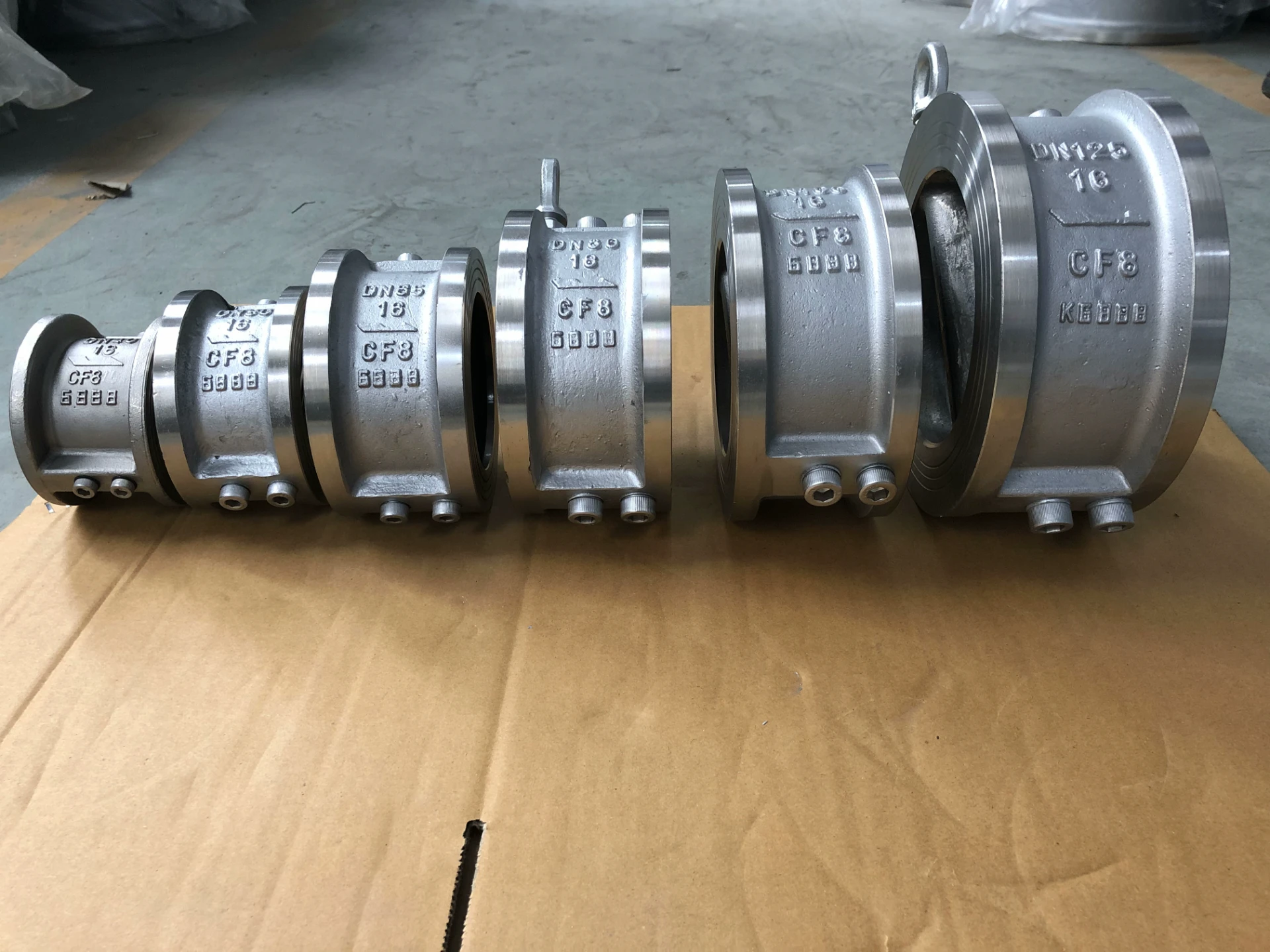
Performance & Engineering
The performance of a 4-way ball valve is fundamentally governed by its pressure-temperature rating, flow coefficient (Cv), and leak tightness. Pressure testing is conducted according to API 598 or GB/T 13947, typically involving hydrostatic testing at 1.5 times the working pressure. Cv values dictate the valve's capacity to handle flow rates without significant pressure drop; these values are impacted by port size and flow path geometry. Leak tightness is critical, and valves are generally tested to achieve bubble-tight shutoff according to standards like EN 12261-1 or ANSI/FCI 70-2. Engineering considerations also encompass the valve’s actuation mechanism – manual, pneumatic, or electric. Pneumatic actuators require compressed air supply and are subject to considerations like response time and air consumption. Electric actuators require careful sizing to match the valve’s torque requirements. Furthermore, proper material selection is crucial for compatibility with the fluid being handled. For example, using a carbon steel valve with a corrosive fluid will lead to rapid degradation. Force analysis during actuation is vital to ensure the actuator can overcome fluid pressure and friction within the valve.
Technical Specifications
| Parameter | Unit | Typical Value (Carbon Steel) | Typical Value (316 SS) |
|---|---|---|---|
| Maximum Working Pressure | MPa | 16 | 16 |
| Temperature Range | °C | -20 to 120 | -60 to 200 |
| Port Size | mm | 15-100 | 15-100 |
| Cv Value (1" Port) | m³/h | 8.5 | 8.2 |
| Leakage Rate (Bubble Tight) | ml/min | < 0.1 | < 0.1 |
| Actuation Torque (Manual) | Nm | 20-150 (depending on size) | 20-150 (depending on size) |
Failure Mode & Maintenance
Common failure modes for 4-way ball valves include seat erosion (leading to leakage), ball scratching or corrosion (impacting sealing), actuator failure (pneumatic/electric), and body cracking due to stress corrosion cracking or fatigue. Seat erosion is often accelerated by abrasive particles in the fluid stream. Ball damage can occur from solid contaminants or cavitation. Actuator failures typically stem from seal degradation or solenoid malfunctions. Body cracking is more prevalent in carbon steel valves exposed to corrosive environments. Preventive maintenance involves regular inspection of seats and balls for wear, lubrication of moving parts, and periodic testing of actuator functionality. Replacing seats proactively is a cost-effective measure. For carbon steel valves, external coating (e.g., epoxy) can mitigate corrosion. NDT methods like liquid penetrant testing (PT) can identify surface cracks before they propagate. Proper installation, including correct alignment and torqueing of connections, is critical to prevent stress-induced failures. Failure analysis should always consider the fluid composition, operating pressure, temperature, and valve usage history.
Industry FAQ
Q: What is the primary advantage of a 4-way ball valve over a series of 2-way valves for flow diversion?
A: A 4-way ball valve offers a more compact and streamlined solution for flow diversion compared to multiple 2-way valves and associated piping. It simplifies the system, reduces potential leak points, and often provides lower pressure drop due to its direct flow path.
Q: How do I determine the appropriate material for the valve body and ball, considering the fluid being handled?
A: Material selection depends heavily on the fluid’s chemical compatibility and operating temperature. For corrosive fluids, 316 stainless steel or specialized alloys are necessary. For high-temperature applications, consider alloys with high creep resistance. Always consult a chemical compatibility chart and verify the material's suitability for the specific fluid.
Q: What are the key factors to consider when selecting an actuator for a 4-way ball valve?
A: The primary factors are torque requirements, response time, and power source availability. Calculate the required torque based on fluid pressure and valve size. Response time is crucial for dynamic applications. Choose between pneumatic (air supply needed) or electric actuation based on process control needs and infrastructure.
Q: What Non-Destructive Testing (NDT) methods are commonly used to ensure the quality of China-manufactured 4-way ball valves?
A: Common NDT methods include Radiographic Testing (RT) to detect internal flaws, Ultrasonic Testing (UT) for flaw detection and material thickness measurement, Liquid Penetrant Testing (PT) for surface crack detection, and Magnetic Particle Inspection (MPI) for detecting surface and near-surface defects in ferromagnetic materials.
Q: What are the typical maintenance requirements to prolong the service life of a 4-way ball valve?
A: Regular inspection of seats and ball for wear or damage is crucial. Lubricate moving parts periodically with a compatible lubricant. Perform leak tests to identify potential sealing issues. Inspect the actuator for proper function and replace seals as needed. Proper installation and operation within the valve's specifications are also critical.
Conclusion
China-manufactured 4-way ball valves represent a cost-effective solution for diverse industrial fluid control applications. However, achieving optimal performance and longevity requires careful consideration of material selection, manufacturing quality, and proper maintenance. Understanding the potential failure modes, adhering to relevant industry standards, and implementing a proactive maintenance program are essential for ensuring reliable operation.
Looking forward, increased emphasis on material traceability, rigorous quality control processes, and adoption of advanced manufacturing techniques will further enhance the reliability and performance of these valves. Furthermore, the development of innovative sealing materials and actuator designs will address evolving industry needs and challenges. The continued advancement of 4-way ball valve technology will be critical to supporting the demands of increasingly complex industrial processes.
-
Top Reasons to Choose a Stainless Steel Flange Check Valve for Industrial Applications
-
check valves high pressure Performance Analysis
-
check valves low pressure Performance Analysis
-
High Pressure Check Valves Performance Analysis
-
low pressure check valves Performance Analysis
-
6 check valve Performance Analysis
-
stainless steel check valves Performance Analysis
-
check valve 6 Performance Analysis
-
check valve stainless steel Performance Analysis
-
6 in check valve Performance Engineering
-
6 check valves Performance Analysis
-
12 inch check valve Performance Analysis
-
lift check valves Performance Engineering
-
check valve 12 inch Performance Analysis
-
stop check valve Performance Analysis
 Afrikaans
 Albanian
 Amharic
 Arabic
 Armenian
 Azerbaijani
 Basque
 Belarusian
 Bengali
 Bosnian
 Bulgarian
 Catalan
 Cebuano
 Corsican
 Croatian
 Czech
Czech
 Danish
 Dutch
Dutch
 Esperanto
 Estonian
 Finnish
 French
 Frisian
 Galician
 Georgian
 German
 Greek
Greek
 Gujarati
 Haitian Creole
 Hausa
Hawaiian
Hausa
Hawaiian
 Hebrew
 Hindi
Hindi
 Miao
Miao
 Hungarian
 Icelandic
 Igbo
Igbo
 Indonesian
 Irish
Irish
 Italian
 Japanese
 Javanese
Kannada
Javanese
Kannada
 Kazakh
 Khmer
Khmer
 Rwandese
 Korean
 Kurdish
 Kyrgyz
 Lao
Lao
 Latin
Latin
 Latvian
 Lithuanian
 Luxembourgish
 Macedonian
 Malgashi
 Malay
Malay
 Malayalam
 Maltese
 Maori
Maori
 Marathi
 Mongolian
 Myanmar
 Nepali
 Norwegian
 Norwegian
 Occitan
 Pashto
 Persian
 Polish
 Portuguese
Punjabi
Portuguese
Punjabi
 Romanian
 Russian
 Samoan
 Scottish Gaelic
 Serbian
 Sesotho
 Shona
Shona
 Sindhi
 Sinhala
 Slovak
 Slovenian
 Somali
 Spanish
 Sundanese
 Swahili
 Swedish
Tagalog
Swedish
Tagalog
 Tajik
Tajik
 Tamil
Tamil
 Tatar
Tatar
 Telugu
 Thai
Thai
 Turkish
 Turkmen
 Ukrainian
 Urdu
Urdu
 Uighur
 Uzbek
Uzbek
 Vietnamese
 Welsh
Welsh
 Bantu
Bantu
 Yiddish
 Yoruba
 Zulu
Zulu
 English