




china ansi butterfly valve Performance Engineering
Introduction
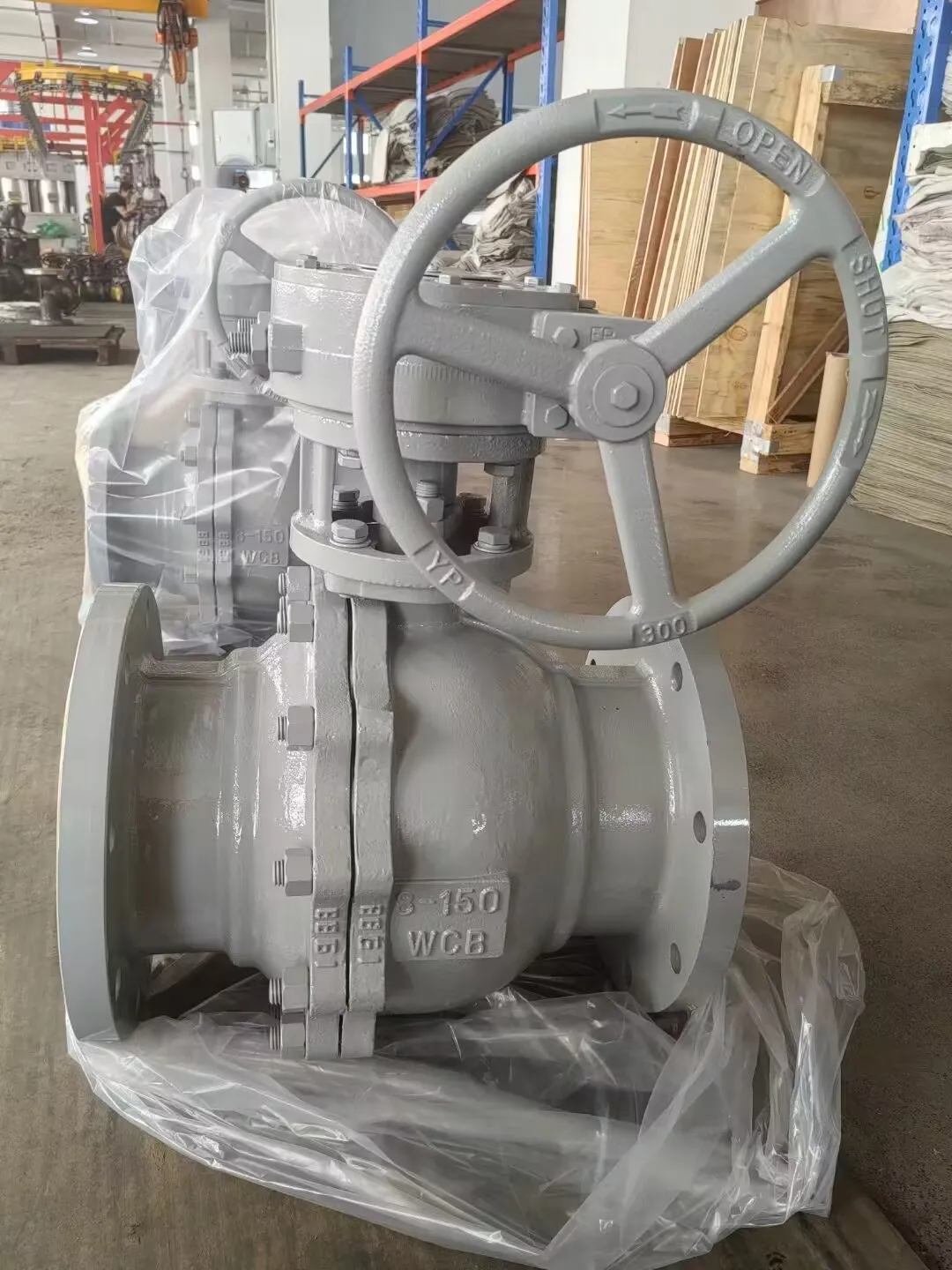
China ANSI butterfly valves are quarter-turn rotational motion valves used to regulate or isolate fluid flow. Positioned within the industrial flow control chain as a critical component in pipelines, they are frequently selected for their lightweight design, rapid actuation speed, and comparatively low cost when contrasted with other valve types like gate or globe valves. These valves, manufactured in China to American National Standards Institute (ANSI) and American Petroleum Institute (API) specifications, facilitate control across a wide range of applications, including water treatment, chemical processing, power generation, and HVAC systems. Core performance characteristics include tight shut-off capabilities, low pressure drop, and suitability for large diameter pipelines. A primary industry pain point is ensuring consistent quality control during manufacturing to meet stringent ANSI/API standards, alongside addressing concerns regarding material traceability and long-term corrosion resistance, especially in aggressive chemical environments. The increasing demand for automated flow control systems also necessitates reliable integration of these valves with actuators and control systems.
Material Science & Manufacturing
The body of a China ANSI butterfly valve is typically constructed from ductile iron (ASTM A536 65-45-12), carbon steel (ASTM A105), or stainless steel (304/316 - ASTM A351). Ductile iron offers good corrosion resistance and cost-effectiveness for water and wastewater applications. Carbon steel is preferred for higher temperature and pressure applications, but requires protective coatings. Stainless steel provides superior corrosion resistance but is the most expensive option. The disc is commonly manufactured from the same material as the body, or from alloys like nickel aluminum bronze (NAB) for enhanced corrosion resistance in seawater applications. Seat materials include elastomers like EPDM, PTFE, and Viton, selected for their chemical compatibility with the fluid being controlled. Manufacturing involves several key processes: sand casting for the body, CNC machining for precise dimensional accuracy, and rubber injection molding for the seat. Critical parameters include mold temperature during casting (to minimize porosity), machining tolerances (to ensure tight sealing), and vulcanization temperature and pressure during seat manufacturing (to achieve optimal elasticity and chemical resistance). Welding processes, if employed for multi-piece body construction, must adhere to AWS D1.1 standards. Non-destructive testing (NDT), including radiography and ultrasonic testing, is essential for verifying weld integrity and detecting subsurface defects.
Performance & Engineering
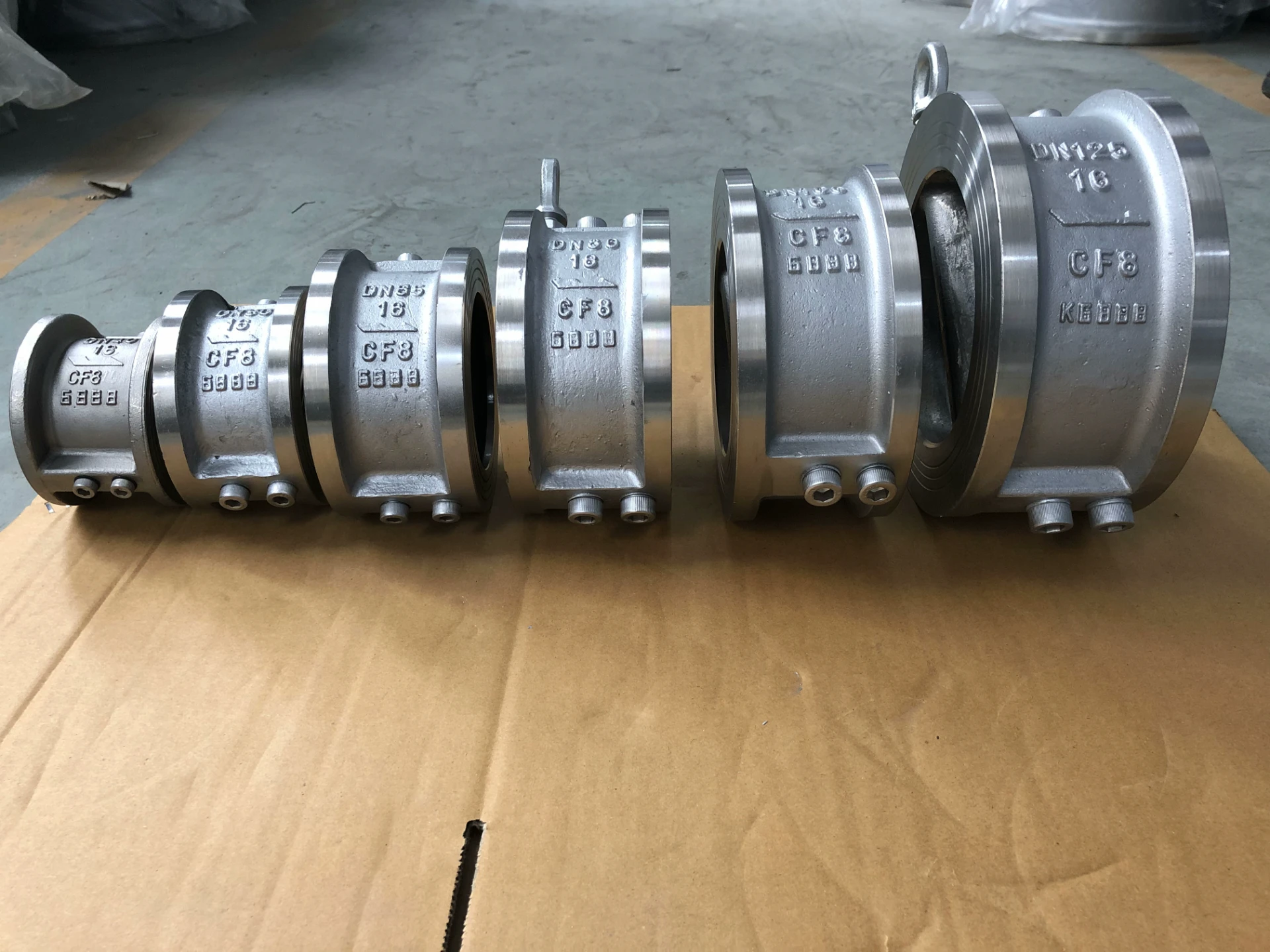
Butterfly valve performance is governed by several engineering principles. Torque requirements for actuation are determined by the fluid pressure, valve size, and seat design. The pressure-temperature rating is crucial; ANSI/API standards define maximum allowable working pressure (MAWP) for different materials and temperature ranges. Cavitation, a primary concern in high-velocity flow applications, can erode the disc and seat. Mitigation strategies include proper valve sizing and the use of anti-cavitation trim. Flow coefficient (Cv) and resistance coefficient (K) characterize the valve’s flow capacity and pressure drop. Tight shut-off is achieved through precise machining of the disc and seat, and the use of resilient seat materials. Environmental resistance is a key consideration, particularly in outdoor applications. Coatings like epoxy or polyurethane protect the valve body from corrosion and UV degradation. Flutter, a phenomenon where the disc vibrates at certain flow rates, can cause premature wear. Proper disc design and flow conditioning can minimize flutter. Compliance with ANSI/API 609 (for butterfly valves) and ANSI/API 598 (for valve inspection and testing) is mandatory for ensuring reliable performance and safety.
Technical Specifications
| Parameter | Ductile Iron (ASTM A536 65-45-12) | Carbon Steel (ASTM A105) | Stainless Steel 316 (ASTM A351) |
|---|---|---|---|
| Maximum Working Pressure (MAWP) | 250 PSI @ 73°F (17.2 bar @ 23°C) | 300 PSI @ 73°F (20.7 bar @ 23°C) | 350 PSI @ 73°F (24.1 bar @ 23°C) |
| Temperature Range | -20°F to 250°F (-29°C to 121°C) | -20°F to 400°F (-29°C to 204°C) | -320°F to 500°F (-196°C to 260°C) |
| Seat Material Options | EPDM, NBR, PTFE | EPDM, NBR, PTFE | EPDM, Viton, PTFE |
| Connection Standards | ANSI B16.1, DIN EN 1092-1 | ANSI B16.1, DIN EN 1092-1 | ANSI B16.1, DIN EN 1092-1 |
| Actuation Type | Manual, Gear Operator, Pneumatic, Electric | Manual, Gear Operator, Pneumatic, Electric | Manual, Gear Operator, Pneumatic, Electric |
| Leakage Class (API 598) | Class VI (Bubble Tight) | Class VI (Bubble Tight) | Class VI (Bubble Tight) |
Failure Mode & Maintenance
Common failure modes for China ANSI butterfly valves include seat erosion due to abrasive particles in the fluid, disc corrosion, actuator failure, and stem packing leakage. Seat erosion is exacerbated by high fluid velocities and improper filtration. Corrosion can occur due to chemical attack or galvanic corrosion between dissimilar metals. Actuator failures typically stem from lubrication issues, diaphragm rupture (in pneumatic actuators), or motor burnout (in electric actuators). Stem packing leakage results from wear and tear on the packing material or improper tightening. Failure analysis should involve visual inspection, non-destructive testing (NDT) like dye penetrant testing to detect cracks, and material analysis to identify corrosion products. Preventive maintenance includes regular lubrication of actuators and stem packing, inspection and replacement of seats and discs, and periodic coating maintenance to prevent corrosion. For seat replacement, ensure proper seating surface preparation and torque application during installation. Actuator maintenance should follow manufacturer’s recommendations, including diaphragm replacement schedules and oil changes. Regular testing to API 598 standards is critical to verify valve performance and identify potential issues before they lead to catastrophic failure.
Industry FAQ
Q: What is the impact of water hammer on butterfly valve lifespan?
A: Water hammer, or hydraulic shock, creates significant pressure surges that can severely damage butterfly valves. The sudden impact can cause disc distortion, seat erosion, and actuator failure. Mitigation strategies include installing surge arrestors, slow-closing actuators, and ensuring proper pipeline support to minimize pressure wave propagation. Regular inspection for signs of impact damage is also crucial.
Q: How does the choice of seat material affect the valve’s chemical compatibility?
A: Seat material selection is paramount for chemical compatibility. EPDM is suitable for water and many chemicals, but is not resistant to oils and solvents. Viton offers excellent resistance to oils, fuels, and many aggressive chemicals, but is more expensive. PTFE provides broad chemical resistance but has lower elasticity and may not provide a tight seal at low pressures. Always consult a chemical compatibility chart to verify suitability for the specific fluid being handled.
Q: What are the key differences between concentric and eccentric butterfly valve designs?
A: Concentric butterfly valves have the disc centered in the bore, offering simpler construction and lower cost. However, they experience higher torque requirements due to friction between the disc and the body. Eccentric butterfly valves (either single or double offset) position the disc off-center, reducing friction and torque, particularly at partial opening. This results in improved flow control and longer service life, but at a higher cost.
Q: How important is material traceability for China ANSI butterfly valves?
A: Material traceability is critically important, particularly in regulated industries like pharmaceuticals and oil & gas. It ensures the valve components meet specified material standards and allows for identification of potential defects or non-conformities. Suppliers should provide Material Test Reports (MTRs) verifying the chemical composition and mechanical properties of the valve body, disc, and other critical components. Proper documentation is essential for compliance and quality control.
Q: What are the implications of using a butterfly valve in a slurry service?
A: Slurry services present a significant challenge for butterfly valves due to abrasive wear. The solid particles in the slurry erode the disc and seat, leading to leakage and reduced performance. Hard-faced discs and seats, often made from materials like chromium or tungsten carbide, are necessary to withstand the abrasive wear. Regular inspection and replacement of these components are crucial for maintaining valve integrity.
Conclusion
China ANSI butterfly valves represent a cost-effective and versatile solution for a broad spectrum of flow control applications. However, ensuring long-term reliability necessitates careful consideration of material selection, manufacturing quality control, and adherence to relevant ANSI and API standards. Understanding potential failure modes, implementing proactive maintenance strategies, and conducting thorough failure analysis are vital for maximizing valve lifespan and minimizing downtime.
The continued advancement in materials science, coupled with improvements in manufacturing processes and automation, will drive the evolution of these valves towards higher performance, increased durability, and enhanced integration with intelligent flow control systems. Future trends include the development of self-adjusting seats, predictive maintenance capabilities based on sensor data, and the wider adoption of digital valve controllers for precise flow regulation and remote monitoring.
-
flat face flanges Performance Analysis
-
Flat Faced Flange Performance Analysis
-
3 in flange Performance Analysis
-
2in flange Performance Analysis
-
Flat Faced Flanges Performance Analysis
-
megalug flange Performance and Engineering
-
Plate Flange Performance Analysis
-
Reducing Flange Performance Analysis
-
Sealing Flange Performance Analysis
-
Turbo Flanges Performance Analysis
-
Screwed Flange Performance Analysis
-
Screwed Flanges Performance Analysis
-
Screw Flanges Performance Analysis
-
weld neck flanges Performance Analysis
-
welding neck flange Material Science Manufacturing
 Afrikaans
 Albanian
 Amharic
 Arabic
 Armenian
 Azerbaijani
 Basque
 Belarusian
 Bengali
 Bosnian
 Bulgarian
 Catalan
 Cebuano
 Corsican
 Croatian
 Czech
Czech
 Danish
 Dutch
Dutch
 Esperanto
 Estonian
 Finnish
 French
 Frisian
 Galician
 Georgian
 German
 Greek
Greek
 Gujarati
 Haitian Creole
 Hausa
Hawaiian
Hausa
Hawaiian
 Hebrew
 Hindi
Hindi
 Miao
Miao
 Hungarian
 Icelandic
 Igbo
Igbo
 Indonesian
 Irish
Irish
 Italian
 Japanese
 Javanese
Kannada
Javanese
Kannada
 Kazakh
 Khmer
Khmer
 Rwandese
 Korean
 Kurdish
 Kyrgyz
 Lao
Lao
 Latin
Latin
 Latvian
 Lithuanian
 Luxembourgish
 Macedonian
 Malgashi
 Malay
Malay
 Malayalam
 Maltese
 Maori
Maori
 Marathi
 Mongolian
 Myanmar
 Nepali
 Norwegian
 Norwegian
 Occitan
 Pashto
 Persian
 Polish
 Portuguese
Punjabi
Portuguese
Punjabi
 Romanian
 Russian
 Samoan
 Scottish Gaelic
 Serbian
 Sesotho
 Shona
Shona
 Sindhi
 Sinhala
 Slovak
 Slovenian
 Somali
 Spanish
 Sundanese
 Swahili
 Swedish
Tagalog
Swedish
Tagalog
 Tajik
Tajik
 Tamil
Tamil
 Tatar
Tatar
 Telugu
 Thai
Thai
 Turkish
 Turkmen
 Ukrainian
 Urdu
Urdu
 Uighur
 Uzbek
Uzbek
 Vietnamese
 Welsh
Welsh
 Bantu
Bantu
 Yiddish
 Yoruba
 Zulu
Zulu
 English