




china cast iron ball valved Performance Analysis
Introduction
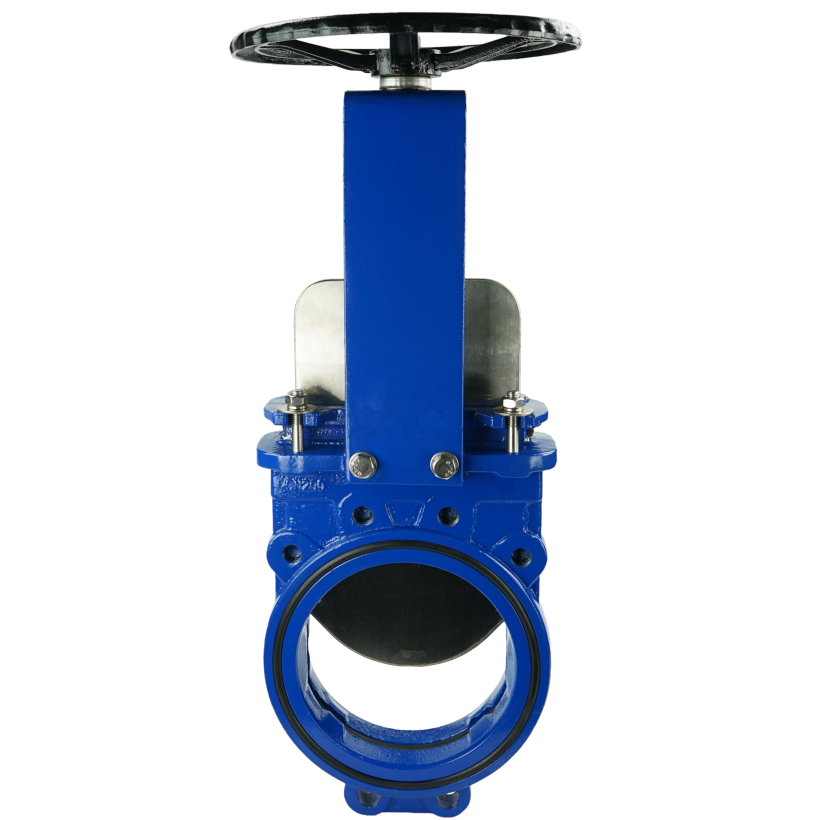
China cast iron ball valves are quarter-turn valves utilizing a hollow, perforated, and pivoting ball to control flow. Positioned within the industrial fluid handling chain, they serve as critical components in process control, distribution, and isolation applications. These valves, often manufactured in China to meet global demand, are valued for their robust construction, tight shut-off capabilities, and relatively low operational torque requirements. They are commonly employed in applications involving water, oil, gas, and various chemical media. Core performance characteristics include pressure rating, flow coefficient (Cv), material compatibility, and sealing efficiency. Their widespread adoption stems from their cost-effectiveness compared to other valve types, particularly in larger sizes, and their ability to handle viscous fluids and slurries with minimal pressure drop when fully open.
Material Science & Manufacturing
The primary material for the valve body is typically gray cast iron (ASTM A126 Class B) due to its excellent machinability, vibration damping characteristics, and cost-effectiveness. However, ductile cast iron (ASTM A536 65-45-12) is often selected for applications requiring higher strength and impact resistance. The ball itself is commonly manufactured from carbon steel (AISI 1045), stainless steel (304/316), or chromium-plated carbon steel to enhance wear resistance and corrosion protection. Seals are frequently PTFE (Teflon) due to its exceptional chemical inertness and low friction coefficient. Manufacturing involves several key processes. Pattern making and core creation are essential for the casting process. The molten iron is poured into molds, followed by cooling, shakeout, and cleaning. Machining operations, including turning, milling, and drilling, are performed to achieve precise dimensions and surface finishes. Ball hardening, if applicable (for carbon steel balls), is conducted via heat treatment. Surface coating, such as epoxy or fusion-bonded epoxy (FBE), is often applied to enhance corrosion resistance. Assembly includes precise fitting of the ball, seats, stem, and handle. Key parameter control focuses on maintaining consistent chemical composition of the cast iron, achieving accurate machining tolerances, and ensuring proper seat alignment to guarantee leak-tight shutoff.

Performance & Engineering
Performance evaluation of cast iron ball valves necessitates a comprehensive understanding of fluid dynamics and structural mechanics. Force analysis considers the hydrodynamic forces exerted by the fluid flow on the ball and the torque required to rotate the valve. Environmental resistance is a critical factor, particularly in corrosive environments. Cast iron, while generally resistant to water, is susceptible to corrosion in acidic or saline conditions. Therefore, protective coatings are vital. Compliance requirements are dictated by industry-specific standards. API 6D, for example, specifies requirements for ball valve design, manufacturing, and testing. Pressure-temperature ratings are determined through hydrostatic testing and conform to ASME B16.34. The valve’s sealing capability is assessed using leak testing procedures specified in API 598. Functional implementation involves considering the valve’s actuation method (manual, gear-operated, pneumatic, or electric). Proper selection of the actuator is crucial to ensure adequate torque output and reliable operation. Cavitation, a phenomenon resulting from rapid pressure drop, can erode the ball and seats; valve sizing must account for potential cavitation risks, especially in throttling applications. Furthermore, the valve’s overall structural integrity must withstand static and dynamic loads associated with pipeline pressures and vibrations.
Technical Specifications
| Parameter | Unit | Typical Value (Gray Cast Iron) | Typical Value (Ductile Cast Iron) |
|---|---|---|---|
| Maximum Operating Pressure | PSI | 200 | 300 |
| Temperature Range | °F | -20 to 450 | -20 to 650 |
| Valve Size | Inch | 2 - 24 | 2 - 48 |
| Connection Type | - | Flanged, Threaded, Welded | Flanged, Threaded, Welded |
| Flow Coefficient (Cv) | Gallons per minute per PSI | Varies with size and port configuration | Varies with size and port configuration |
| Seat Material | - | PTFE, RPTFE | PTFE, RPTFE |
Failure Mode & Maintenance
Cast iron ball valves are susceptible to several failure modes. Corrosion is a primary concern, particularly in aggressive environments, leading to pitting and eventual valve failure. Fatigue cracking can occur in the valve body due to cyclic loading and pressure fluctuations. Seat erosion is common in applications involving abrasive fluids or particles, compromising sealing performance. Stem failure, often caused by corrosion or excessive torque, can prevent valve operation. Ball wear can occur due to friction and abrasion, leading to increased leakage. Maintenance strategies include regular inspection for corrosion, cracks, and leaks. Periodic lubrication of the stem and ball is essential to reduce friction and prevent seizing. Seat replacement is necessary when erosion or damage compromises sealing. Protective coatings should be reapplied as needed to maintain corrosion resistance. Proper storage conditions are vital to prevent corrosion during periods of inactivity. Furthermore, routine testing of valve actuation and shut-off capability is critical for ensuring reliable operation. Non-destructive testing (NDT) methods, such as visual inspection, ultrasonic testing, and radiographic testing, can be employed to detect hidden defects. Replacement of worn or damaged components with original equipment manufacturer (OEM) parts is recommended to maintain valve performance and integrity.
Industry FAQ
Q: What is the primary difference between a gray cast iron and ductile cast iron ball valve in terms of application suitability?
A: Ductile cast iron exhibits significantly higher tensile strength and impact resistance compared to gray cast iron. This makes ductile iron valves more suitable for applications involving high-pressure fluctuations, shock loads, or potentially corrosive environments where structural integrity is paramount. Gray cast iron is adequate for less demanding applications with stable operating conditions.
Q: How does the choice of seat material impact the valve’s performance and longevity?
A: The seat material dictates the valve's sealing capability and resistance to chemical attack. PTFE is universally applicable due to its inertness but has limited temperature resistance. Reinforced PTFE (RPTFE) offers improved temperature resistance and wear properties. Choosing the correct seat material based on the fluid composition and operating temperature is critical for preventing leaks and extending valve life.
Q: What are the implications of exceeding the valve’s maximum operating pressure?
A: Exceeding the maximum operating pressure can lead to catastrophic failure of the valve body, potentially causing leaks, injuries, and equipment damage. It can also permanently deform the ball and seats, compromising sealing performance even after the pressure is reduced. Pressure relief devices should always be installed upstream of the valve to prevent over-pressurization.
Q: What preventative measures can be taken to mitigate corrosion in cast iron ball valves operating in a corrosive environment?
A: Applying a robust corrosion-resistant coating, such as epoxy or FBE, is essential. Regular inspection for signs of corrosion and prompt re-coating are crucial. Using a valve with a stainless-steel ball and PTFE seats can also enhance corrosion resistance. Consider using a sacrificial anode to protect the valve body from galvanic corrosion.
Q: How often should the valve be disassembled for inspection and maintenance?
A: The frequency of disassembly depends on the operating conditions and fluid media. As a general guideline, annual inspection is recommended for critical applications. In less demanding environments, inspection every 2-3 years may suffice. Always follow the manufacturer’s recommendations for maintenance intervals.
Conclusion
China cast iron ball valves represent a cost-effective and reliable solution for flow control in a wide range of industrial applications. Understanding the material science, manufacturing processes, and performance characteristics is paramount for ensuring optimal valve selection and operation. The choice between gray and ductile cast iron hinges on the severity of operating conditions and the need for enhanced structural integrity. Proper maintenance and adherence to industry standards are crucial for maximizing valve lifespan and preventing catastrophic failures.
Looking ahead, advancements in materials and coating technologies will continue to enhance the corrosion resistance and durability of cast iron ball valves. Integration of smart valve technologies, such as remote monitoring and automated actuation, will further improve operational efficiency and reduce maintenance costs. The continued demand for cost-effective fluid handling solutions will solidify the position of China cast iron ball valves in the global market.
-
Top Reasons to Choose a Stainless Steel Flange Check Valve for Industrial Applications
-
check valves high pressure Performance Analysis
-
check valves low pressure Performance Analysis
-
High Pressure Check Valves Performance Analysis
-
low pressure check valves Performance Analysis
-
6 check valve Performance Analysis
-
stainless steel check valves Performance Analysis
-
check valve 6 Performance Analysis
-
check valve stainless steel Performance Analysis
-
6 in check valve Performance Engineering
-
6 check valves Performance Analysis
-
12 inch check valve Performance Analysis
-
lift check valves Performance Engineering
-
check valve 12 inch Performance Analysis
-
stop check valve Performance Analysis
 Afrikaans
 Albanian
 Amharic
 Arabic
 Armenian
 Azerbaijani
 Basque
 Belarusian
 Bengali
 Bosnian
 Bulgarian
 Catalan
 Cebuano
 Corsican
 Croatian
 Czech
Czech
 Danish
 Dutch
Dutch
 Esperanto
 Estonian
 Finnish
 French
 Frisian
 Galician
 Georgian
 German
 Greek
Greek
 Gujarati
 Haitian Creole
 Hausa
Hawaiian
Hausa
Hawaiian
 Hebrew
 Hindi
Hindi
 Miao
Miao
 Hungarian
 Icelandic
 Igbo
Igbo
 Indonesian
 Irish
Irish
 Italian
 Japanese
 Javanese
Kannada
Javanese
Kannada
 Kazakh
 Khmer
Khmer
 Rwandese
 Korean
 Kurdish
 Kyrgyz
 Lao
Lao
 Latin
Latin
 Latvian
 Lithuanian
 Luxembourgish
 Macedonian
 Malgashi
 Malay
Malay
 Malayalam
 Maltese
 Maori
Maori
 Marathi
 Mongolian
 Myanmar
 Nepali
 Norwegian
 Norwegian
 Occitan
 Pashto
 Persian
 Polish
 Portuguese
Punjabi
Portuguese
Punjabi
 Romanian
 Russian
 Samoan
 Scottish Gaelic
 Serbian
 Sesotho
 Shona
Shona
 Sindhi
 Sinhala
 Slovak
 Slovenian
 Somali
 Spanish
 Sundanese
 Swahili
 Swedish
Tagalog
Swedish
Tagalog
 Tajik
Tajik
 Tamil
Tamil
 Tatar
Tatar
 Telugu
 Thai
Thai
 Turkish
 Turkmen
 Ukrainian
 Urdu
Urdu
 Uighur
 Uzbek
Uzbek
 Vietnamese
 Welsh
Welsh
 Bantu
Bantu
 Yiddish
 Yoruba
 Zulu
Zulu
 English