




china globe valve class 300 Performance Analysis
Introduction
The Class 300 Globe Valve, manufactured in China, represents a critical component in industrial fluid control systems. Positioned within the piping network as a throttling and regulating device, it controls flow rates with precision. These valves are predominantly employed in applications demanding frequent operation and tight shut-off, such as steam services, chemical processing, and power generation. The ‘Class 300’ designation refers to the valve's pressure-temperature rating, indicating its capability to withstand a maximum cold working pressure of 740 psi. Core performance characteristics revolve around its ability to offer precise flow control, minimize pressure drop when fully open, and provide reliable sealing when closed, preventing leakage. The increasing demand for these valves stems from the growth of industrial infrastructure and the stringent requirements for process efficiency and safety. Addressing issues of material traceability, pressure containment, and consistent manufacturing quality are critical industry pain points for procurement teams.
Material Science & Manufacturing
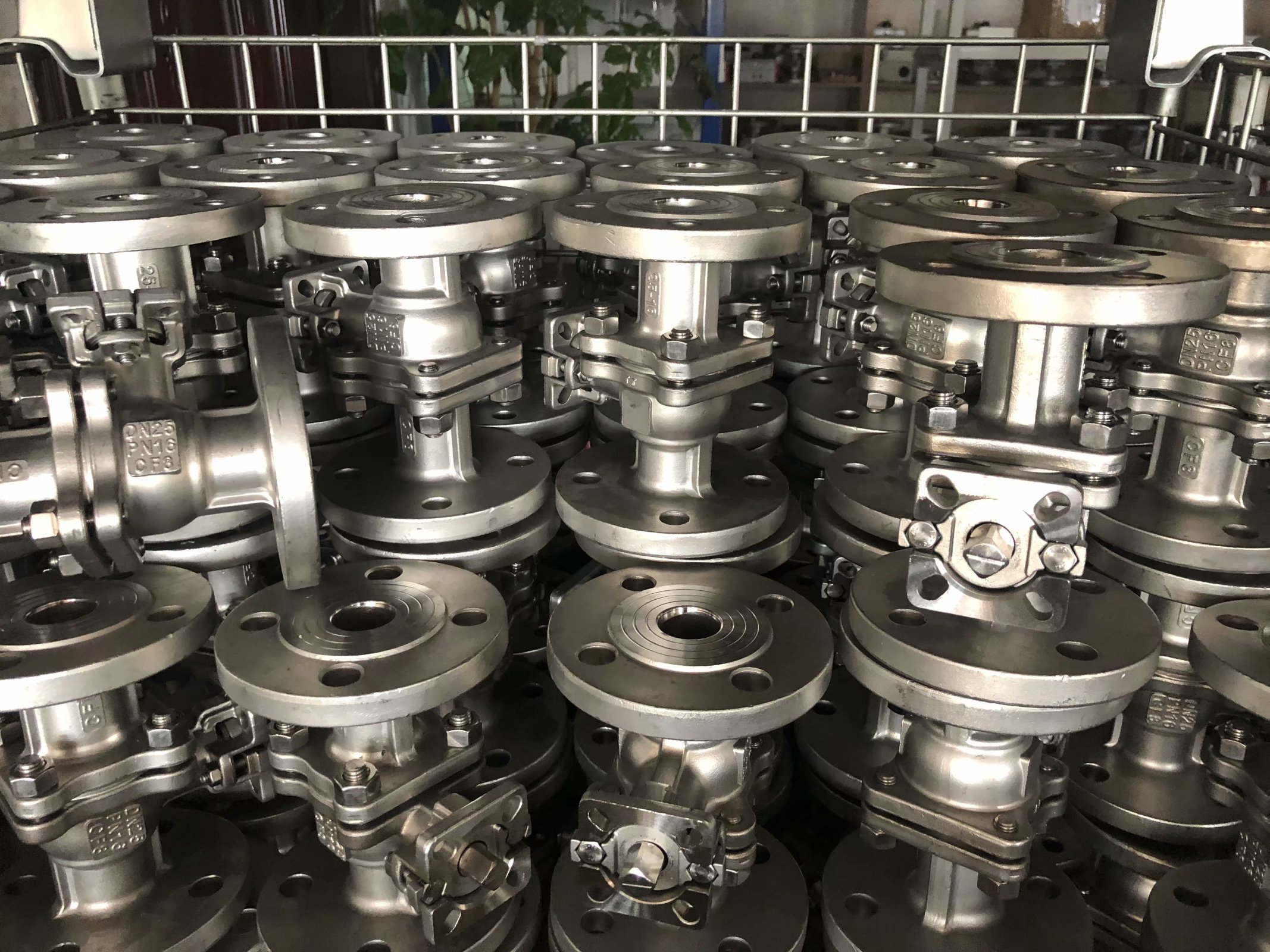
The body of a Class 300 Globe Valve is typically constructed from carbon steel (ASTM A105), alloy steel (ASTM A182 F304/F316), or cast iron (ASTM A126 Class B). The selection depends on the fluid being handled and the operating temperature and pressure. Carbon steel offers good strength and cost-effectiveness, while stainless steel provides superior corrosion resistance. Internal components like the disc and seat are frequently manufactured from materials like 316 stainless steel, PTFE, or reinforced phenolic compounds, chosen for their resistance to erosion and chemical attack. Manufacturing processes involve precision casting, forging, or machining of the valve body, followed by meticulous machining of internal components. Welding is a critical process, adhering to ASME Section IX standards. Parameters such as weld preheating, post-weld heat treatment (PWHT), and non-destructive testing (NDT) – including radiographic testing (RT) and liquid penetrant testing (PT) – are stringently controlled to ensure weld integrity. The disc-to-seat sealing surface undergoes lapping and polishing to achieve a leak-tight shutoff. Surface treatments, like passivation for stainless steel and epoxy coating for carbon steel, enhance corrosion resistance. Material certifications, including mill test reports (MTRs) compliant with EN 10204 3.1, are essential for traceability and quality assurance.
Performance & Engineering
Globe valve performance is governed by fluid dynamics and structural mechanics. Flow coefficient (Cv) is a key parameter, representing the valve's capacity to pass fluid at a specific pressure drop. Force analysis is critical, particularly in high-pressure applications, to ensure the stem and actuator can overcome fluid forces. The valve’s design must account for thermal expansion and contraction of materials under varying temperatures. Environmental resistance is crucial. Valves exposed to corrosive environments require appropriate material selection and protective coatings. Compliance requirements, dictated by standards like ASME B16.34 (for valve pressure testing) and API 598 (for inspection and testing), must be met. Functional implementation involves precise control of the valve’s stem travel to modulate flow. The stem packing, utilizing materials like graphite or PTFE, prevents leakage around the stem. The actuator, whether manual, pneumatic, or electric, must provide sufficient torque to operate the valve reliably. Seat leakage, measured in terms of bubbles per minute (BPM), is a critical performance indicator. Hydrostatic testing, conducted at pressures exceeding the rated working pressure, verifies the valve's structural integrity and leak tightness.
Technical Specifications
| Parameter | Specification | Tolerance | Testing Standard |
|---|---|---|---|
| Maximum Working Pressure (MWP) | 740 psi (5100 kPa) | ± 10 psi | ASME B16.34 |
| Temperature Range | -29°C to 427°C ( -20°F to 800°F) | ± 5°C | API 598 |
| Connection Type | Screwed (NPT), Flanged (ANSI B16.5) | As per ANSI Standards | ANSI B16.5 |
| Body Material | Carbon Steel (A105), Stainless Steel (304/316) | As per ASTM Standards | ASTM A105 / A182 |
| Seat Material | PTFE, Reinforced PTFE, Metal | ± 0.1 mm | API 598 |
| Actuation Type | Manual, Pneumatic, Electric | As per Manufacturer Specs | N/A |
Failure Mode & Maintenance
Common failure modes for Class 300 Globe Valves include seat erosion due to high-velocity flow, disc damage from cavitation, stem packing leakage, and body gasket failures. Fatigue cracking can occur in the valve body under cyclic loading, particularly at weld joints. Corrosion, both general and localized (pitting, crevice corrosion), can weaken valve components. Oxidation at high temperatures can also contribute to material degradation. Failure analysis typically involves visual inspection, non-destructive testing (NDT), and metallurgical examination of failed components. Maintenance routines should include periodic inspection of the stem packing, disc, and seat for wear and damage. Regular lubrication of the stem and actuator is crucial. Replacement of worn gaskets and seals prevents leakage. Hydrostatic testing should be performed periodically to verify valve integrity. For valves operating in corrosive environments, routine inspection for corrosion is essential. Preventive maintenance programs, based on operating conditions and frequency of use, can significantly extend valve life and minimize unscheduled downtime. Record keeping of inspection and maintenance activities is vital for tracking valve performance and identifying potential issues.
Industry FAQ
Q: What is the significance of the ‘Class 300’ pressure rating, and how does it impact material selection?
A: The Class 300 rating denotes the valve’s ability to withstand a maximum cold working pressure of 740 psi. This dictates the use of materials with sufficient yield strength and tensile strength. Carbon steel is generally suitable for moderate temperatures and pressures, while alloy steels like 304/316 stainless steel are necessary for higher temperatures, corrosive environments, or when increased strength is required. The valve body thickness and flange design are also calculated based on this pressure rating.
Q: What are the critical considerations when specifying the seat material for a Class 300 Globe Valve handling abrasive slurries?
A: For abrasive slurries, a hardened material is essential to resist erosion. Metal seats, particularly those made from hardened alloys, offer superior wear resistance compared to soft seats like PTFE. However, metal seats may not provide a perfectly tight shutoff. Reinforced PTFE seats with fillers like carbon or graphite can offer a compromise between wear resistance and sealing capability. The flow velocity and particle size of the slurry are also key factors influencing seat erosion.
Q: How does the actuator type (manual, pneumatic, electric) affect the overall performance and application of the valve?
A: The actuator type impacts the speed of operation, required torque, and control capabilities. Manual actuators are cost-effective for infrequent operation but require manual intervention. Pneumatic actuators offer faster operation and remote control capabilities, making them suitable for automated systems. Electric actuators provide precise positioning and are ideal for applications requiring modulated flow control. The actuator’s torque must be sufficient to overcome the fluid forces acting on the valve disc.
Q: What Non-Destructive Testing (NDT) methods are typically employed during the manufacturing and quality control of Class 300 Globe Valves?
A: Common NDT methods include Radiographic Testing (RT) to detect internal flaws in welds and castings, Liquid Penetrant Testing (PT) to identify surface cracks, Magnetic Particle Testing (MT) for detecting surface and near-surface defects in ferromagnetic materials, and Ultrasonic Testing (UT) for detecting internal flaws and measuring material thickness. Hydrostatic testing is also a crucial NDT method for verifying valve integrity.
Q: What are the common causes of seat leakage in a Class 300 Globe Valve, and how can they be addressed?
A: Seat leakage can be caused by wear and erosion of the seating surfaces, the presence of foreign particles between the seat and disc, damage to the seat or disc, or improper stem packing. Addressing these issues involves lapping or replacing the seat and disc, ensuring proper cleaning of the fluid, tightening the stem packing gland, and verifying the correct alignment of the valve components.
Conclusion
The Class 300 Globe Valve remains a fundamental control element in diverse industrial applications. Understanding its material science, manufacturing intricacies, and performance characteristics is paramount for ensuring reliable and efficient operation. The stringent adherence to international standards – ASME, API, and ASTM – is non-negotiable for guaranteeing valve integrity and safety. Careful consideration of the operating environment, fluid properties, and application-specific requirements is essential for selecting the appropriate materials and actuator type.
Looking ahead, advancements in valve design and materials are focused on enhancing erosion resistance, reducing pressure drop, and improving sealing capabilities. Digital valve controllers and smart valve technologies are being integrated to provide real-time monitoring and remote control, optimizing process efficiency and predictive maintenance. The continuing emphasis on sustainability and minimizing environmental impact will drive the development of more energy-efficient valve designs and the use of eco-friendly materials.
-
Top Reasons to Choose a Stainless Steel Flange Check Valve for Industrial Applications
-
check valves high pressure Performance Analysis
-
check valves low pressure Performance Analysis
-
High Pressure Check Valves Performance Analysis
-
low pressure check valves Performance Analysis
-
6 check valve Performance Analysis
-
stainless steel check valves Performance Analysis
-
check valve 6 Performance Analysis
-
check valve stainless steel Performance Analysis
-
6 in check valve Performance Engineering
-
6 check valves Performance Analysis
-
12 inch check valve Performance Analysis
-
lift check valves Performance Engineering
-
check valve 12 inch Performance Analysis
-
stop check valve Performance Analysis
 Afrikaans
 Albanian
 Amharic
 Arabic
 Armenian
 Azerbaijani
 Basque
 Belarusian
 Bengali
 Bosnian
 Bulgarian
 Catalan
 Cebuano
 Corsican
 Croatian
 Czech
Czech
 Danish
 Dutch
Dutch
 Esperanto
 Estonian
 Finnish
 French
 Frisian
 Galician
 Georgian
 German
 Greek
Greek
 Gujarati
 Haitian Creole
 Hausa
Hawaiian
Hausa
Hawaiian
 Hebrew
 Hindi
Hindi
 Miao
Miao
 Hungarian
 Icelandic
 Igbo
Igbo
 Indonesian
 Irish
Irish
 Italian
 Japanese
 Javanese
Kannada
Javanese
Kannada
 Kazakh
 Khmer
Khmer
 Rwandese
 Korean
 Kurdish
 Kyrgyz
 Lao
Lao
 Latin
Latin
 Latvian
 Lithuanian
 Luxembourgish
 Macedonian
 Malgashi
 Malay
Malay
 Malayalam
 Maltese
 Maori
Maori
 Marathi
 Mongolian
 Myanmar
 Nepali
 Norwegian
 Norwegian
 Occitan
 Pashto
 Persian
 Polish
 Portuguese
Punjabi
Portuguese
Punjabi
 Romanian
 Russian
 Samoan
 Scottish Gaelic
 Serbian
 Sesotho
 Shona
Shona
 Sindhi
 Sinhala
 Slovak
 Slovenian
 Somali
 Spanish
 Sundanese
 Swahili
 Swedish
Tagalog
Swedish
Tagalog
 Tajik
Tajik
 Tamil
Tamil
 Tatar
Tatar
 Telugu
 Thai
Thai
 Turkish
 Turkmen
 Ukrainian
 Urdu
Urdu
 Uighur
 Uzbek
Uzbek
 Vietnamese
 Welsh
Welsh
 Bantu
Bantu
 Yiddish
 Yoruba
 Zulu
Zulu
 English