




china globe valve non return Performance Analysis
Introduction
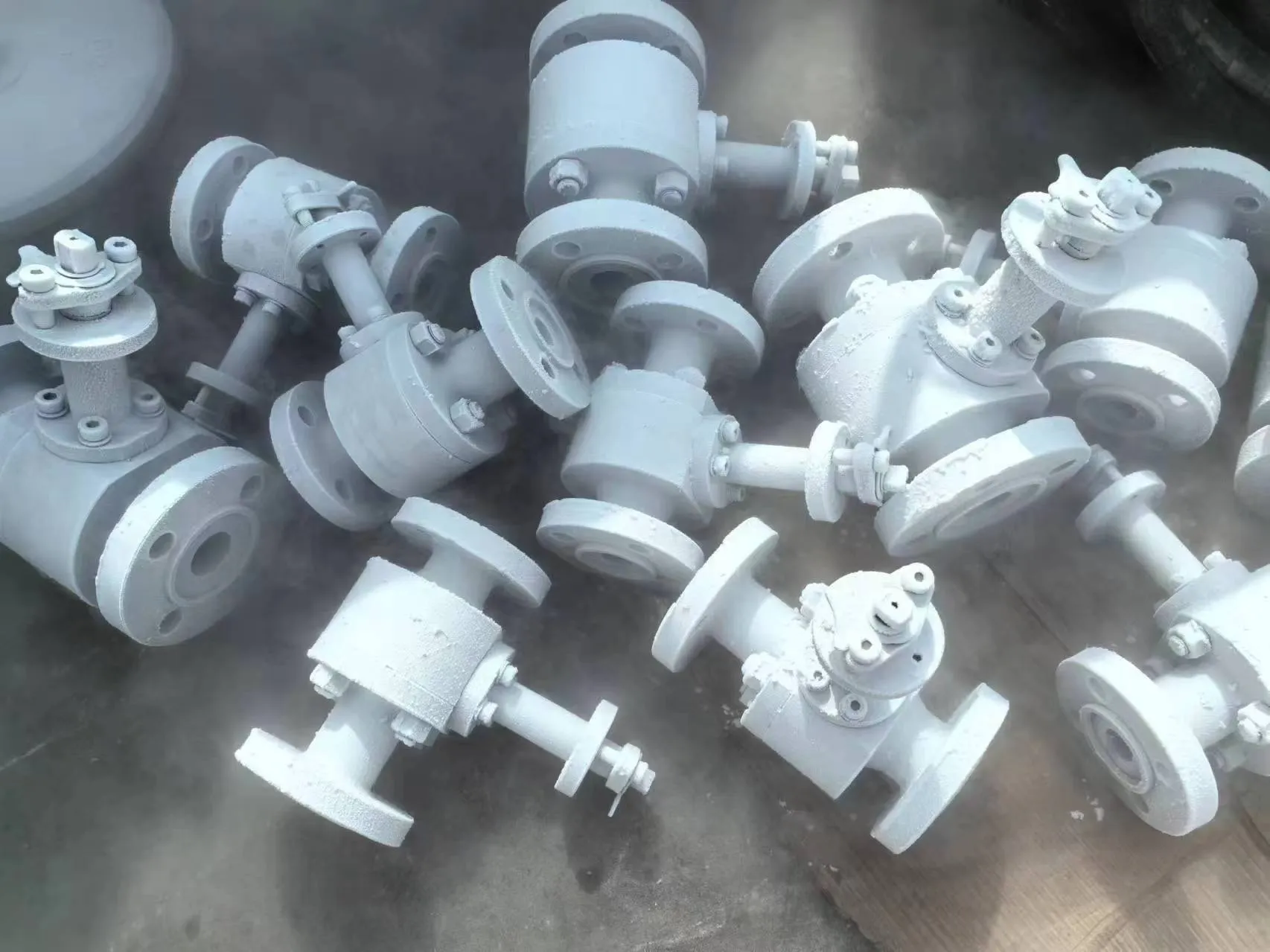
The China globe valve non-return, also commonly known as a check valve, is a critical component in fluid handling systems across numerous industries. Its primary function is to prevent backflow, ensuring unidirectional fluid transport. This valve type, distinguished by its globe-shaped body and internal disc mechanism, occupies a specific niche within the broader valve family. Globe valves offer precise flow regulation capabilities; integrating a non-return feature ensures system integrity and prevents contamination or damage from reversed flow. Its position in the industry chain is as a final control element, installed downstream of pumps, compressors, or other fluid-generating equipment. Core performance characteristics encompass minimal pressure drop in the forward direction, reliable sealing against backflow, and durability under varying operating conditions. The manufacturing capability and competitive pricing of Chinese globe valve non-return models have significantly impacted the global market, driving demand in sectors such as water treatment, oil and gas, chemical processing, and power generation. The selection of appropriate materials and manufacturing tolerances is paramount to ensure long-term reliability and prevent operational failures.
Material Science & Manufacturing
Globe valve non-return valves are constructed from a variety of materials dictated by the intended application and the characteristics of the fluid handled. Common body materials include cast iron (ASTM A126 Grade B, offering cost-effectiveness for water applications), ductile iron (ASTM A536 Grade 65-45-12, providing increased tensile strength and ductility), carbon steel (ASTM A105, suitable for high-pressure and high-temperature applications), stainless steel (304/316 – ASTM A351, essential for corrosive environments), and alloy steels (e.g., Hastelloy, Inconel, for extreme chemical resistance). The internal disc, which provides the sealing function, is often made from materials similar to the body, but may also utilize resilient materials such as Nitrile Butadiene Rubber (NBR), Ethylene Propylene Diene Monomer (EPDM), or Polytetrafluoroethylene (PTFE) for improved sealing and compatibility. Manufacturing processes involve casting or forging the body, followed by precision machining to create smooth flow passages and seating surfaces. The disc is typically manufactured through investment casting or machining. Critical parameters during manufacturing include dimensional accuracy of the seating surfaces (to ensure leak-tight closure), surface roughness (Ra values typically < 1.6 µm), and heat treatment processes to achieve desired material hardness and tensile strength. Welding procedures (if applicable for joining components) must adhere to standards like AWS D1.1. Post-machining, valves undergo rigorous hydrostatic testing (API 598) to verify shell integrity and seat leakage rates. Coating processes, such as epoxy coating, are frequently employed to enhance corrosion resistance, particularly for cast iron and carbon steel components.
Performance & Engineering
The performance of a globe valve non-return is governed by several engineering principles. Firstly, flow coefficient (Cv) determines the valve's capacity to handle a specific flow rate at a given pressure drop. Higher Cv values indicate greater flow capacity. Secondly, pressure drop across the valve is a critical consideration, particularly in systems where energy efficiency is paramount. Globe valve designs inherently create some pressure loss due to the tortuous flow path, but optimized designs minimize this effect. Thirdly, the valve must withstand the system's operating pressure and temperature. Stress analysis (using Finite Element Analysis - FEA) is crucial to verify the structural integrity of the valve body and components under these conditions. Compliance requirements are extensive and depend on the application. For potable water systems, valves must meet NSF/ANSI 61 standards for lead content and material safety. For oil and gas applications, API 6D and API 598 standards dictate design, manufacturing, and testing procedures. For hazardous environments, valves may require ATEX or IECEx certification for explosion protection. Furthermore, the valve’s resilience to water hammer (pressure surge) is a key engineering consideration, potentially necessitating the inclusion of damping mechanisms or careful system design to mitigate shock loads. The material selection directly impacts corrosion resistance, erosion resistance, and fatigue life. Proper sizing of the valve is essential to avoid cavitation (formation of vapor bubbles) which can cause severe damage to the valve internals.
Technical Specifications
| Parameter | Unit | Typical Value (Carbon Steel) | Typical Value (Stainless Steel 316) |
|---|---|---|---|
| Maximum Operating Pressure | PSI | 2000 | 1500 |
| Operating Temperature Range | °F | -20 to 450 | -20 to 600 |
| Connection Type | - | Screwed, Flanged, Welded | Screwed, Flanged, Welded |
| Valve Size (DN) | mm | 15-300 | 15-300 |
| Flow Coefficient (Cv) | - | 5-500 (depending on size) | 5-500 (depending on size) |
| Leakage Rate (Seat) | mL/min | 0.1 | 0.01 |
Failure Mode & Maintenance
Globe valve non-return valves are susceptible to several failure modes. Corrosion, particularly in aggressive fluid environments, can lead to body erosion and disc degradation. Erosion, caused by abrasive particles in the fluid stream, can damage the seating surfaces and disc, resulting in leakage. Fatigue cracking can occur in the valve body or disc due to cyclic pressure fluctuations and vibrations. Disc sticking, often caused by debris accumulation or corrosion products, prevents proper closure and leads to backflow. Seat damage, resulting from improper installation or impact forces, compromises the sealing integrity. Failure analysis techniques, including visual inspection, non-destructive testing (NDT) like liquid penetrant testing (LPT) and ultrasonic testing (UT), and metallurgical examination, are used to determine the root cause of failures. Preventative maintenance is crucial to extend valve life. This includes regular inspection for corrosion, erosion, and leakage; lubrication of moving parts; cleaning of seating surfaces; and periodic replacement of seals and discs. Scheduled hydrostatic testing (API 598) should be performed to verify shell integrity. For valves operating in critical applications, online monitoring systems can be implemented to detect early signs of failure, such as increased leakage rates or changes in pressure drop. Proper installation, following manufacturer’s instructions and relevant industry standards, is fundamental to prevent premature failure.
Industry FAQ
Q: What is the primary difference between a swing check valve and a globe check valve in terms of pressure drop?
A: Swing check valves generally exhibit a lower pressure drop compared to globe check valves due to their streamlined flow path. Globe check valves, with their more tortuous internal geometry, inherently create a greater resistance to flow, but offer more positive shut-off and are less susceptible to water hammer.
Q: How does the material of construction impact the longevity of a non-return valve in a seawater application?
A: Seawater is highly corrosive. For seawater applications, stainless steel alloys (316 or higher) or specialized corrosion-resistant alloys (e.g., duplex stainless steel) are essential. Cast iron and carbon steel will corrode rapidly without adequate protective coatings and will experience significantly reduced service life. Proper material selection is crucial for preventing pitting corrosion and crevice corrosion.
Q: What are the implications of exceeding the maximum operating pressure rating of a globe check valve?
A: Exceeding the maximum operating pressure rating can lead to catastrophic failure of the valve body or disc. This can result in sudden and uncontrolled release of fluid, potentially causing damage to equipment and injury to personnel. Pressure relief devices should be incorporated into the system to prevent over-pressurization.
Q: What is the best practice for inspecting a globe check valve for leakage?
A: The best practice involves a visual inspection for external leakage around the body and connections. If external leakage is not observed, a bubble test using a non-detergent soap solution can be performed to detect small leaks across the seat. For critical applications, ultrasonic leak detection can be employed to identify even minute leakage rates.
Q: What maintenance should be performed on a globe check valve that handles slurry fluids?
A: Slurry fluids are abrasive and can cause accelerated wear. Regular inspection of the disc and seat for erosion is critical. Frequent flushing of the valve to remove accumulated solids is recommended. Consider using hardened materials or abrasion-resistant coatings for the disc and seat. Periodic replacement of these components may be necessary.
Conclusion
The China globe valve non-return represents a vital component in maintaining fluid system integrity across a broad spectrum of industries. Understanding the interplay between material science, manufacturing processes, performance engineering, and potential failure modes is paramount for effective selection, installation, and maintenance. Proper material selection, adhering to relevant industry standards (API, ASME, ISO), and implementing a proactive maintenance program are crucial for ensuring long-term reliability and preventing costly downtime.
The future of globe valve non-return technology will likely focus on enhanced material development, particularly in areas of corrosion resistance and erosion resistance. The integration of smart sensors and predictive maintenance algorithms will enable more efficient monitoring and optimization of valve performance, reducing maintenance costs and improving operational efficiency. Furthermore, the pursuit of lightweight designs and improved flow characteristics will contribute to energy savings and reduced environmental impact.
-
flat face flanges Performance Analysis
-
Flat Faced Flange Performance Analysis
-
3 in flange Performance Analysis
-
2in flange Performance Analysis
-
Flat Faced Flanges Performance Analysis
-
megalug flange Performance and Engineering
-
Plate Flange Performance Analysis
-
Reducing Flange Performance Analysis
-
Sealing Flange Performance Analysis
-
Turbo Flanges Performance Analysis
-
Screwed Flange Performance Analysis
-
Screwed Flanges Performance Analysis
-
Screw Flanges Performance Analysis
-
weld neck flanges Performance Analysis
-
welding neck flange Material Science Manufacturing
 Afrikaans
 Albanian
 Amharic
 Arabic
 Armenian
 Azerbaijani
 Basque
 Belarusian
 Bengali
 Bosnian
 Bulgarian
 Catalan
 Cebuano
 Corsican
 Croatian
 Czech
Czech
 Danish
 Dutch
Dutch
 Esperanto
 Estonian
 Finnish
 French
 Frisian
 Galician
 Georgian
 German
 Greek
Greek
 Gujarati
 Haitian Creole
 Hausa
Hawaiian
Hausa
Hawaiian
 Hebrew
 Hindi
Hindi
 Miao
Miao
 Hungarian
 Icelandic
 Igbo
Igbo
 Indonesian
 Irish
Irish
 Italian
 Japanese
 Javanese
Kannada
Javanese
Kannada
 Kazakh
 Khmer
Khmer
 Rwandese
 Korean
 Kurdish
 Kyrgyz
 Lao
Lao
 Latin
Latin
 Latvian
 Lithuanian
 Luxembourgish
 Macedonian
 Malgashi
 Malay
Malay
 Malayalam
 Maltese
 Maori
Maori
 Marathi
 Mongolian
 Myanmar
 Nepali
 Norwegian
 Norwegian
 Occitan
 Pashto
 Persian
 Polish
 Portuguese
Punjabi
Portuguese
Punjabi
 Romanian
 Russian
 Samoan
 Scottish Gaelic
 Serbian
 Sesotho
 Shona
Shona
 Sindhi
 Sinhala
 Slovak
 Slovenian
 Somali
 Spanish
 Sundanese
 Swahili
 Swedish
Tagalog
Swedish
Tagalog
 Tajik
Tajik
 Tamil
Tamil
 Tatar
Tatar
 Telugu
 Thai
Thai
 Turkish
 Turkmen
 Ukrainian
 Urdu
Urdu
 Uighur
 Uzbek
Uzbek
 Vietnamese
 Welsh
Welsh
 Bantu
Bantu
 Yiddish
 Yoruba
 Zulu
Zulu
 English