




china manual butterfly valve Performance Analysis
Introduction
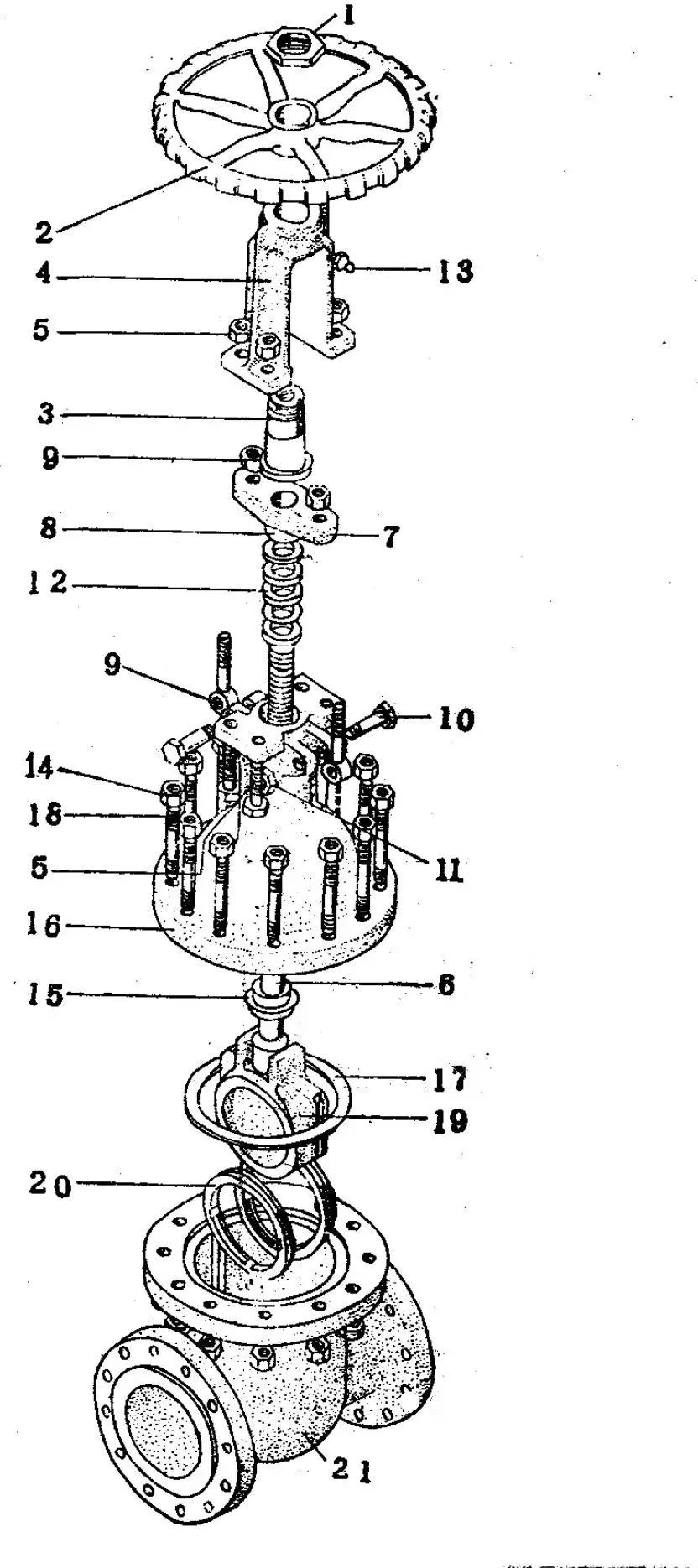
China manual butterfly valves represent a significant component in fluid control systems across a diverse range of industrial applications. These valves, characterized by their quarter-turn operation, are employed to isolate or throttle fluid flow. Their prevalence stems from a combination of cost-effectiveness, relatively lightweight construction, and suitability for large-diameter piping. Within the broader valve industry, manual butterfly valves occupy a niche particularly well-suited to applications where automated control is not required or is impractical. The manufacturing landscape within China has positioned the country as a major global supplier, offering varying levels of quality and material composition. Core performance characteristics include sealing efficiency, flow capacity (Cv), pressure drop, and operational torque, all critically dependent on design and material selection. Understanding these parameters is essential for proper application and longevity within demanding industrial environments.
Material Science & Manufacturing
The body construction of a china manual butterfly valve commonly utilizes materials such as cast iron (ASTM A126 Class B), ductile iron (ASTM A536 65-45-12), or stainless steel (304/316). Cast iron offers economic advantages but is susceptible to corrosion; therefore, it’s frequently coated with epoxy or fusion-bonded epoxy (FBE) for enhanced protection. Ductile iron provides superior strength and impact resistance compared to cast iron, making it suitable for higher-pressure applications. Stainless steel, particularly 316, is favored for corrosive environments due to its high chromium and molybdenum content. Disc materials often mirror the body material, with stainless steel also being a common choice for enhanced corrosion resistance and durability. The seat material is critical for sealing performance and is typically composed of elastomers like EPDM, nitrile (NBR), or PTFE.
Manufacturing processes involve several key stages. The body is typically produced via sand casting, followed by machining to achieve precise dimensions and smooth sealing surfaces. Disc manufacturing involves forging, machining, and polishing. The seat is often injection molded or compression molded. Assembly requires careful alignment of the disc, seat, and stem. Critical parameter control focuses on maintaining tight tolerances during machining, ensuring proper seat compression during assembly, and verifying the integrity of any applied coatings. Welding processes, if utilized (e.g., for certain stainless-steel valve constructions), must adhere to standards like AWS D1.1 to ensure weld quality and structural integrity. Quality control typically involves hydrostatic testing to verify pressure tightness and visual inspection for defects. The quality of the rubber seating is highly variable amongst Chinese manufacturers and is often a point of failure.
Performance & Engineering
Performance of a manual butterfly valve is heavily influenced by its flow characteristics and pressure-temperature ratings. Flow capacity (Cv) is a critical parameter, determining the valve's ability to pass a given flow rate with minimal pressure drop. This value is dependent on valve size, disc design (concentric or eccentric), and the degree of valve opening. Eccentric disc designs offer tighter shut-off characteristics, particularly beneficial in applications requiring minimal leakage. The torque required to operate the valve increases with pressure drop and fluid viscosity. Engineering considerations involve careful selection of materials to withstand the operating pressure and temperature, as well as the chemical compatibility with the fluid being controlled.
Environmental resistance is another key factor. Exposure to corrosive atmospheres or harsh weather conditions can lead to material degradation. Appropriate coatings (e.g., epoxy, FBE, powder coating) and material selection (e.g., stainless steel) are essential for prolonged service life. Compliance requirements are dictated by industry-specific standards, such as API 609 for butterfly valves and relevant pressure equipment directives (PED). Functional implementation necessitates careful consideration of the valve's actuation mechanism (handwheel, gear operator) and its integration into the piping system, ensuring proper alignment and support to prevent stress on the valve body and disc.
Technical Specifications
| Parameter | Cast Iron (A126 B) | Ductile Iron (A536 65-45-12) | Stainless Steel (304) | Stainless Steel (316) |
|---|---|---|---|---|
| Maximum Operating Pressure (PSI) | 150 | 280 | 300 | 300 |
| Operating Temperature Range (°F) | -20 to 200 | -20 to 300 | -328 to 650 | -328 to 650 |
| Seat Material Options | EPDM, NBR | EPDM, NBR | PTFE, EPDM, Viton | PTFE, EPDM, Viton |
| Connection Types | Flanged, Wafer, Lug | Flanged, Wafer, Lug | Flanged, Wafer, Lug | Flanged, Wafer, Lug |
| Typical Cv Value (12" Valve) | 600 | 650 | 700 | 700 |
| Standard Compliance | GB/T 12221 | GB/T 12221 | GB/T 12221, ASTM A351 | GB/T 12221, ASTM A351 |
Failure Mode & Maintenance
Common failure modes in china manual butterfly valves include seat leakage, disc corrosion, stem packing failure, and body cracking. Seat leakage typically arises from wear, erosion, or damage to the sealing surface, often exacerbated by abrasive particles in the fluid. Disc corrosion can occur in aggressive environments, particularly with cast iron bodies and carbon steel discs. Stem packing failure leads to leakage around the stem, potentially causing environmental hazards or process inefficiencies. Body cracking can result from excessive stress, thermal cycling, or material defects. Fatigue cracking is also possible, particularly under cyclic operation and fluctuating pressures.
Preventative maintenance is crucial for extending valve life. Regular inspection of the stem packing for signs of leakage and replacement as needed is essential. Periodic examination of the disc and seat for wear or corrosion, followed by resurfacing or replacement, can prevent leakage. Lubrication of the stem and gear operator (if equipped) reduces friction and improves operability. For valves operating in corrosive environments, regular inspection of coatings and application of touch-up paint or re-coating are recommended. Hydrostatic testing should be performed periodically to verify pressure tightness and identify potential cracks. Proper torque application during installation and maintenance is vital to avoid over-compression of the seat or damage to the stem threads. Careful consideration must be given to the quality of replacement parts, particularly seats, as lower-quality replacements often exhibit reduced lifespan.
Industry FAQ
Q: What are the primary differences between a concentric and eccentric butterfly valve, and which is better suited for slurry applications?
A: Concentric butterfly valves have the disc centered in the pipe bore, providing symmetrical flow. Eccentric butterfly valves have the disc offset, creating an annular space that minimizes turbulence and allows for better sealing. For slurry applications, an eccentric butterfly valve, specifically a triple offset design, is generally preferred. The offset design reduces wear on the seat and disc by minimizing contact with abrasive particles in the slurry, leading to longer service life and improved sealing performance.
Q: How does the choice of seat material impact the valve's suitability for different chemical fluids?
A: Seat material compatibility is paramount. EPDM offers good resistance to water, steam, and many chemicals, but is not suitable for hydrocarbon fluids. NBR excels with oil and fuel resistance but degrades with ozone exposure. PTFE provides broad chemical compatibility but has a lower temperature range and is susceptible to creep under high loads. Viton (FKM) offers excellent resistance to high temperatures and a wide range of chemicals, making it a versatile option. A chemical compatibility chart should always be consulted before selecting a seat material.
Q: What is the significance of the valve’s pressure-temperature rating, and how should it be interpreted?
A: The pressure-temperature rating indicates the maximum allowable pressure at a given temperature. It's crucial to ensure that the valve's rating exceeds the operating conditions of the system with a safety margin. De-rating curves are often provided by manufacturers to account for temperature variations. Exceeding the rated pressure or temperature can lead to catastrophic failure.
Q: What quality control measures are typically employed by reputable Chinese butterfly valve manufacturers?
A: Reputable manufacturers employ hydrostatic testing, shell testing, seat leakage testing, and material certification. They should also adhere to ISO 9001 quality management standards. Look for manufacturers that provide material test reports (MTRs) verifying the chemical composition and mechanical properties of the valve’s components. Third-party inspection is also a good indicator of quality control.
Q: What are the advantages and disadvantages of manual versus geared butterfly valves?
A: Manual butterfly valves are simpler, more cost-effective, and require less maintenance. However, they require significant operator effort, especially for large valves or high differential pressures. Geared butterfly valves reduce the operating torque required, making it easier to operate larger valves. They are more expensive and require periodic gear lubrication and inspection but are often preferred for applications where ease of operation is critical.
Conclusion
China manual butterfly valves present a compelling solution for fluid control, particularly when considering cost-effectiveness and ease of integration. However, understanding the nuances of material selection, manufacturing quality, and potential failure modes is paramount. The inherent variability in quality amongst Chinese manufacturers necessitates diligent sourcing and quality control procedures. The long-term performance and reliability of these valves hinge on proper application, preventative maintenance, and adherence to relevant industry standards.
Future trends in this area are likely to focus on improved material science, leading to more corrosion-resistant and durable valve bodies and discs. Advancements in seat technology will aim to minimize leakage and extend service life. Increased adoption of digital technologies, such as smart sensors for monitoring valve performance and predictive maintenance, will also play a significant role. Continued emphasis on standardization and quality control will be essential to solidify the position of Chinese manufacturers in the global valve market.
-
Top Reasons to Choose a Stainless Steel Flange Check Valve for Industrial Applications
-
check valves high pressure Performance Analysis
-
check valves low pressure Performance Analysis
-
High Pressure Check Valves Performance Analysis
-
low pressure check valves Performance Analysis
-
6 check valve Performance Analysis
-
stainless steel check valves Performance Analysis
-
check valve 6 Performance Analysis
-
check valve stainless steel Performance Analysis
-
6 in check valve Performance Engineering
-
6 check valves Performance Analysis
-
12 inch check valve Performance Analysis
-
lift check valves Performance Engineering
-
check valve 12 inch Performance Analysis
-
stop check valve Performance Analysis
 Afrikaans
 Albanian
 Amharic
 Arabic
 Armenian
 Azerbaijani
 Basque
 Belarusian
 Bengali
 Bosnian
 Bulgarian
 Catalan
 Cebuano
 Corsican
 Croatian
 Czech
Czech
 Danish
 Dutch
Dutch
 Esperanto
 Estonian
 Finnish
 French
 Frisian
 Galician
 Georgian
 German
 Greek
Greek
 Gujarati
 Haitian Creole
 Hausa
Hawaiian
Hausa
Hawaiian
 Hebrew
 Hindi
Hindi
 Miao
Miao
 Hungarian
 Icelandic
 Igbo
Igbo
 Indonesian
 Irish
Irish
 Italian
 Japanese
 Javanese
Kannada
Javanese
Kannada
 Kazakh
 Khmer
Khmer
 Rwandese
 Korean
 Kurdish
 Kyrgyz
 Lao
Lao
 Latin
Latin
 Latvian
 Lithuanian
 Luxembourgish
 Macedonian
 Malgashi
 Malay
Malay
 Malayalam
 Maltese
 Maori
Maori
 Marathi
 Mongolian
 Myanmar
 Nepali
 Norwegian
 Norwegian
 Occitan
 Pashto
 Persian
 Polish
 Portuguese
Punjabi
Portuguese
Punjabi
 Romanian
 Russian
 Samoan
 Scottish Gaelic
 Serbian
 Sesotho
 Shona
Shona
 Sindhi
 Sinhala
 Slovak
 Slovenian
 Somali
 Spanish
 Sundanese
 Swahili
 Swedish
Tagalog
Swedish
Tagalog
 Tajik
Tajik
 Tamil
Tamil
 Tatar
Tatar
 Telugu
 Thai
Thai
 Turkish
 Turkmen
 Ukrainian
 Urdu
Urdu
 Uighur
 Uzbek
Uzbek
 Vietnamese
 Welsh
Welsh
 Bantu
Bantu
 Yiddish
 Yoruba
 Zulu
Zulu
 English