




china needle valve 10000 psi Performance Analysis
Introduction
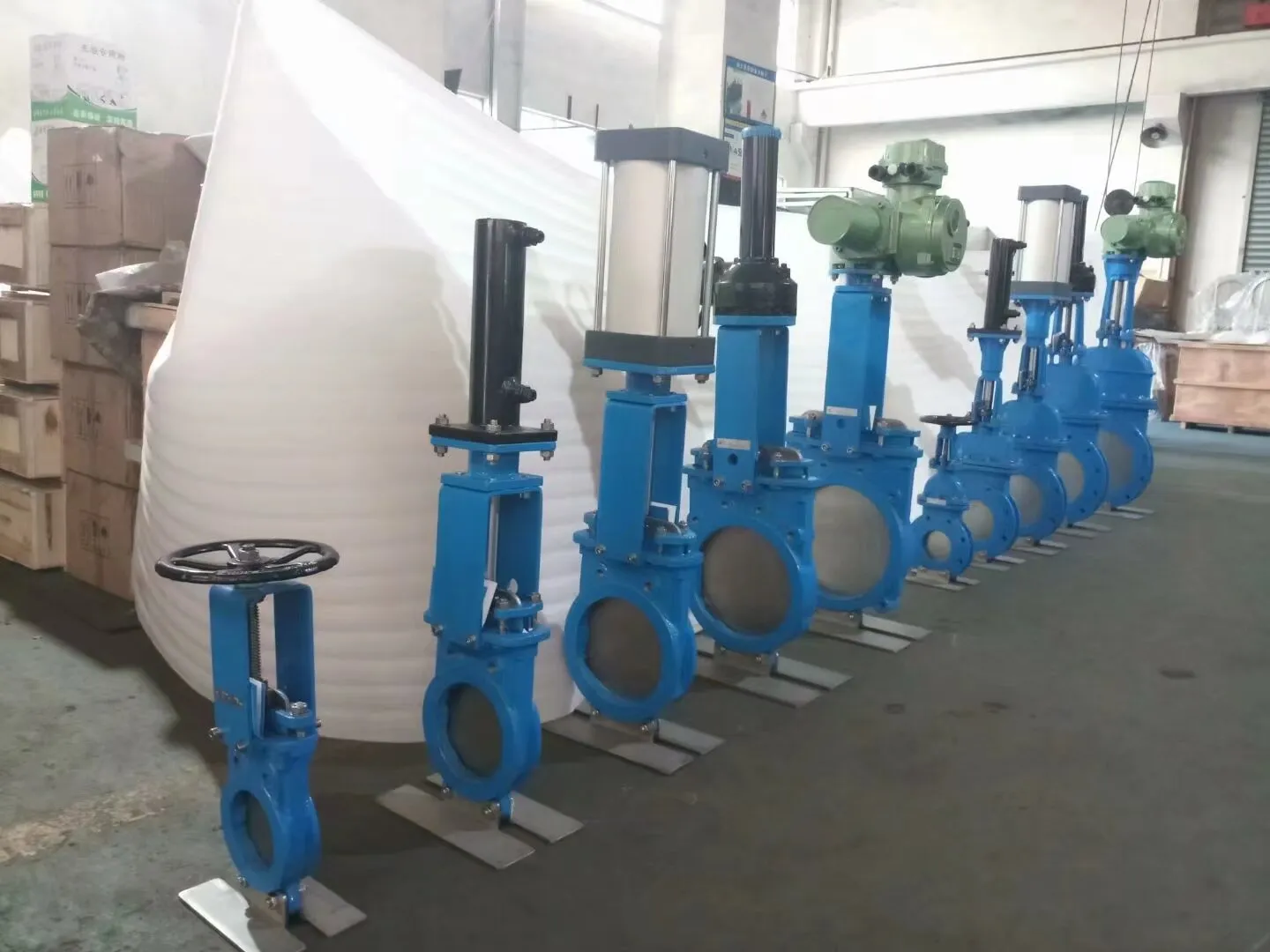
China needle valves rated to 10,000 psi represent a critical component in high-pressure fluid control systems across diverse industrial applications. These valves, distinguished by their precision throttling capabilities, are employed in sectors including oil and gas, chemical processing, hydraulic test systems, and precision instrumentation. Their technical position within the industry chain lies between the pressure source (pumps, compressors) and the process equipment requiring controlled fluid delivery. Unlike ball valves offering on/off functionality or gate valves suited for large flow rates, needle valves excel in fine-tuning flow, making them vital for accurate metering and regulation. Core performance characteristics encompass leak-tight shut-off, consistent flow control even at low flow rates, and robustness under extreme pressures. A primary industry pain point is maintaining dimensional accuracy and surface finish within the valve's internal bore to prevent stiction and ensure repeatable flow control. Another critical concern is material compatibility with diverse media to avoid corrosion and maintain valve longevity. This guide provides an in-depth exploration of the materials, manufacturing, performance, failure modes, and maintenance practices associated with 10,000 psi china needle valves.
Material Science & Manufacturing
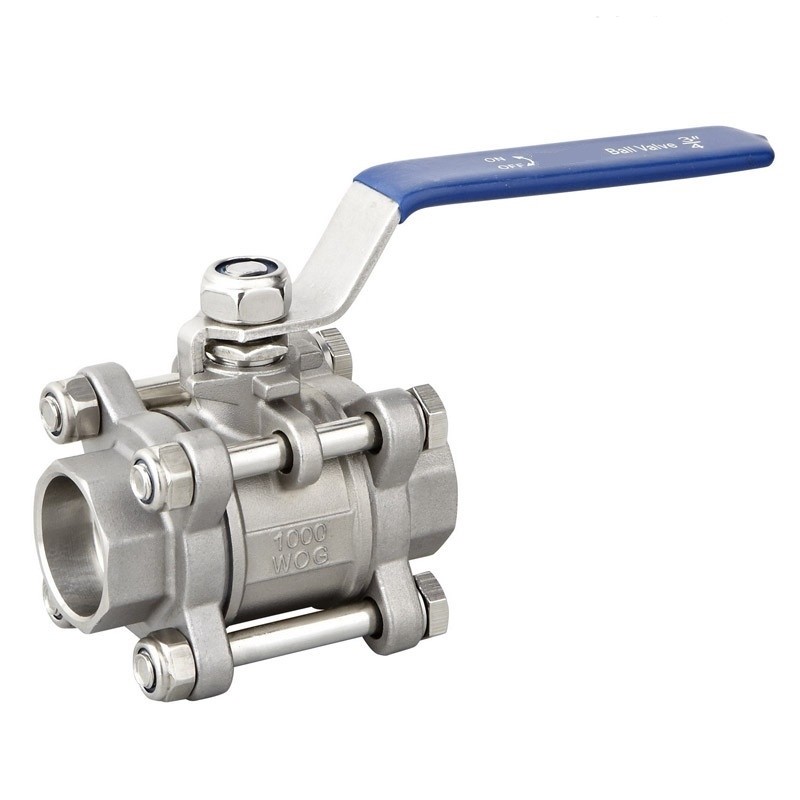
The construction of a 10,000 psi needle valve necessitates materials exhibiting high tensile strength, yield strength, and resistance to corrosion. Common body materials include 316/316L stainless steel (for broad chemical compatibility), alloy steels such as 17-4 PH (offering exceptional strength and corrosion resistance), and, in specialized applications, Hastelloy or Inconel for highly corrosive environments. Stem materials typically mirror the body material selection to ensure comparable thermal expansion characteristics and prevent galling. Sealing elements, crucial for achieving leak-tight performance, are commonly made from PTFE (Teflon), PEEK, or Kalrez, chosen based on temperature and chemical compatibility requirements. The spring, responsible for maintaining stem contact with the valve seat, is generally constructed from high-strength stainless steel alloys like 304 or 316. Manufacturing processes begin with precision machining of the valve body, utilizing CNC turning and milling to achieve tight tolerances on the internal bore and sealing surfaces. The valve seat is often manufactured via precision grinding and lapping to ensure a smooth, consistent sealing surface. The needle itself is similarly machined and polished. Critical parameters during manufacturing include maintaining concentricity between the stem and bore, achieving a surface finish of Ra < 0.8 μm on the sealing surfaces, and employing stringent quality control measures (e.g., pressure testing, dimensional inspection) throughout the process. Welding, if employed (e.g., for connecting end fittings), must adhere to ASME Section IX standards to ensure weld integrity. Proper heat treatment of alloy steel components is essential to achieve desired mechanical properties.
Performance & Engineering
The performance of a 10,000 psi needle valve is fundamentally governed by fluid mechanics and material strength. Force analysis focuses on the stem-seat interface, where a significant force is required to maintain a leak-tight seal against the high fluid pressure. This force is determined by the valve’s pressure rating, seat area, and material properties. Environmental resistance is paramount, particularly concerning corrosion and temperature extremes. Material selection must consider the specific fluid being controlled (e.g., corrosive acids, high-temperature oils) to prevent degradation of valve components. Compliance requirements vary depending on the application. Valves used in oil and gas applications must adhere to API 6D standards, while those employed in pharmaceutical or food processing industries require compliance with FDA and 3-A Sanitary Standards. Functional implementation relies on precise machining of the needle and seat to establish a consistent flow path. The valve’s Cv (flow coefficient) is a critical performance parameter, indicating the valve’s capacity to pass fluid at a given pressure drop. Engineers must carefully select a valve with an appropriate Cv value for the specific application. Furthermore, the hysteresis of the valve (the difference in flow rate for the same stem position during increasing and decreasing flow) must be minimized to ensure accurate flow control. Fatigue analysis is also critical, particularly for valves subjected to cyclical pressure fluctuations.
Technical Specifications
| Parameter | Specification | Test Standard | Typical Application |
|---|---|---|---|
| Maximum Pressure | 10,000 psi (69 MPa) | API 598 | Hydraulic Test Systems |
| Connection Type | 1/4" NPT, 1/2" NPT, M20x1.5 | ISO 7-1 | Process Control Instrumentation |
| Body Material | 316 Stainless Steel, Alloy Steel 17-4 PH | ASTM A276 | Chemical Processing |
| Stem Material | 316 Stainless Steel | ASTM A276 | Oil & Gas Applications |
| Seat Material | PTFE, PEEK, Kalrez | ASTM D5748 | Corrosive Fluid Control |
| Temperature Range | -60°C to 200°C (-76°F to 392°F) (dependent on seal material) | ASTM E29 | High-Temperature Processes |
Failure Mode & Maintenance
Common failure modes in 10,000 psi needle valves include seat erosion, stem galling, seal failure, and body cracking. Seat erosion is often caused by abrasive particles in the fluid stream, leading to leakage. Stem galling occurs due to insufficient lubrication or improper material compatibility, resulting in difficulty operating the valve. Seal failure is frequently attributable to chemical incompatibility, temperature extremes, or mechanical damage. Body cracking can occur due to overpressure events, fatigue, or material defects. Failure analysis should involve visual inspection, non-destructive testing (e.g., dye penetrant inspection, ultrasonic testing), and, if necessary, metallurgical analysis. Preventative maintenance is crucial for extending valve life. This includes regular lubrication of the stem, periodic inspection of the seat and seal, and replacement of worn components. When disassembling the valve, it's essential to use appropriate tools and follow manufacturer's instructions to avoid damaging critical components. After reassembly, the valve should be pressure tested to ensure leak-tight performance. Furthermore, proper filtration of the fluid being controlled is essential to minimize abrasive wear on the valve seat. Regular monitoring of valve performance (e.g., observing flow rate changes, detecting leakage) can help identify potential problems before they escalate into major failures.
Industry FAQ
Q: What are the key considerations when selecting a needle valve for a highly corrosive fluid application?
A: The primary considerations are the valve body and seal material compatibility with the specific corrosive fluid. 316 Stainless Steel provides good general corrosion resistance, but for highly aggressive media like concentrated acids, materials like Hastelloy or Inconel are necessary. The seal material must also be chemically resistant; Kalrez offers superior resistance to a wider range of chemicals than PTFE or PEEK, but it is more expensive.
Q: How does the surface finish of the needle and seat impact valve performance?
A: The surface finish is critical. A rough surface finish increases friction, leading to stiction and difficulty in achieving precise flow control. It also accelerates wear and increases the risk of leakage. A surface finish of Ra < 0.8 μm is generally recommended for optimal performance. Polishing and lapping are often employed to achieve this level of finish.
Q: What is the significance of the Cv value in needle valve selection?
A: The Cv value represents the valve’s flow capacity. It dictates how much fluid can pass through the valve at a given pressure drop. Selecting a valve with an inappropriate Cv can lead to insufficient flow or excessive pressure drop, impacting process efficiency. Proper Cv calculation is crucial based on the specific application’s flow rate and pressure requirements.
Q: What are the best practices for preventing stem galling in high-pressure needle valves?
A: Stem galling can be prevented by using compatible materials for the stem and bore, ensuring proper lubrication, and maintaining a smooth surface finish on both components. Regular lubrication with a suitable anti-seize compound is highly recommended, especially in applications involving frequent operation. Avoid over-tightening the stem, as this can increase friction and contribute to galling.
Q: What are the typical pressure testing procedures for a 10,000 psi needle valve?
A: Typical pressure testing involves hydrostatically testing the valve to 1.5 times its maximum working pressure for a specified duration (e.g., 5 minutes) while monitoring for leakage. Air testing can also be performed, but it is generally less reliable for detecting small leaks. Testing should conform to API 598 standards and be documented with detailed test reports.
Conclusion
China-manufactured 10,000 psi needle valves represent a sophisticated technology enabling precise fluid control in demanding industrial environments. The reliable performance of these valves is inextricably linked to careful material selection, meticulous manufacturing processes, and adherence to stringent quality control standards. Addressing the core industry pain points – maintaining dimensional accuracy, ensuring material compatibility, and preventing failure modes like seat erosion and stem galling – is paramount for maximizing valve lifespan and operational efficiency.
Looking forward, advancements in materials science, such as the development of new high-strength alloys and improved seal materials, will further enhance the performance and reliability of these valves. Continued emphasis on rigorous testing and preventative maintenance protocols will be vital for ensuring consistent operation and minimizing downtime. The adoption of digital technologies, such as smart valve diagnostics, will enable predictive maintenance strategies and further optimize valve performance in critical applications.
-
Top Reasons to Choose a Stainless Steel Flange Check Valve for Industrial Applications
-
check valves high pressure Performance Analysis
-
check valves low pressure Performance Analysis
-
High Pressure Check Valves Performance Analysis
-
low pressure check valves Performance Analysis
-
6 check valve Performance Analysis
-
stainless steel check valves Performance Analysis
-
check valve 6 Performance Analysis
-
check valve stainless steel Performance Analysis
-
6 in check valve Performance Engineering
-
6 check valves Performance Analysis
-
12 inch check valve Performance Analysis
-
lift check valves Performance Engineering
-
check valve 12 inch Performance Analysis
-
stop check valve Performance Analysis
 Afrikaans
 Albanian
 Amharic
 Arabic
 Armenian
 Azerbaijani
 Basque
 Belarusian
 Bengali
 Bosnian
 Bulgarian
 Catalan
 Cebuano
 Corsican
 Croatian
 Czech
Czech
 Danish
 Dutch
Dutch
 Esperanto
 Estonian
 Finnish
 French
 Frisian
 Galician
 Georgian
 German
 Greek
Greek
 Gujarati
 Haitian Creole
 Hausa
Hawaiian
Hausa
Hawaiian
 Hebrew
 Hindi
Hindi
 Miao
Miao
 Hungarian
 Icelandic
 Igbo
Igbo
 Indonesian
 Irish
Irish
 Italian
 Japanese
 Javanese
Kannada
Javanese
Kannada
 Kazakh
 Khmer
Khmer
 Rwandese
 Korean
 Kurdish
 Kyrgyz
 Lao
Lao
 Latin
Latin
 Latvian
 Lithuanian
 Luxembourgish
 Macedonian
 Malgashi
 Malay
Malay
 Malayalam
 Maltese
 Maori
Maori
 Marathi
 Mongolian
 Myanmar
 Nepali
 Norwegian
 Norwegian
 Occitan
 Pashto
 Persian
 Polish
 Portuguese
Punjabi
Portuguese
Punjabi
 Romanian
 Russian
 Samoan
 Scottish Gaelic
 Serbian
 Sesotho
 Shona
Shona
 Sindhi
 Sinhala
 Slovak
 Slovenian
 Somali
 Spanish
 Sundanese
 Swahili
 Swedish
Tagalog
Swedish
Tagalog
 Tajik
Tajik
 Tamil
Tamil
 Tatar
Tatar
 Telugu
 Thai
Thai
 Turkish
 Turkmen
 Ukrainian
 Urdu
Urdu
 Uighur
 Uzbek
Uzbek
 Vietnamese
 Welsh
Welsh
 Bantu
Bantu
 Yiddish
 Yoruba
 Zulu
Zulu
 English