




china needle valve stainless steel Performance Analysis
Introduction
Stainless steel needle valves are precision fluid control devices integral to numerous industrial processes, including chemical processing, instrumentation, and hydraulic systems. Manufactured in China, these valves offer a cost-effective alternative to valves produced in other regions while maintaining stringent quality standards, particularly concerning material composition and manufacturing tolerances. They are characterized by their ability to provide precise flow regulation, reliable shut-off, and resistance to corrosive media. The core function revolves around using a tapered needle precisely matched to a corresponding seat, modulating flow through changes in the needle’s position. A significant industry pain point lies in ensuring consistent material quality across different manufacturers, alongside verification of conformance to international pressure and leak-rate specifications. This guide provides a comprehensive technical overview of China-manufactured stainless steel needle valves, covering material science, manufacturing, performance characteristics, failure modes, and relevant industry standards.
Material Science & Manufacturing
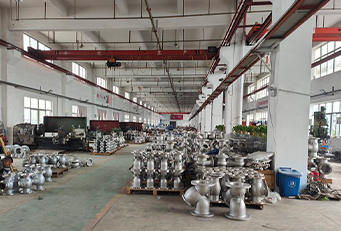
The primary material for these needle valves is typically austenitic stainless steel, most commonly 304 or 316. 304 stainless steel (UNS S30400) offers good corrosion resistance in a wide range of environments, containing approximately 18% chromium and 8% nickel. 316 stainless steel (UNS S31600) introduces molybdenum (2-3%) to enhance resistance to chloride corrosion, making it suitable for more aggressive applications such as seawater exposure or processing highly concentrated saline solutions. The raw material undergoes stringent quality checks for chemical composition using techniques like X-ray fluorescence (XRF) and optical emission spectrometry (OES) to verify compliance with ASTM A276 standards. Manufacturing processes commonly include investment casting or machining from bar stock for the valve body. The needle and seat are often produced via cold forging followed by precision machining and polishing to achieve a leak-tight seal. Key parameters controlled during manufacturing include surface finish (Ra < 0.8 µm for sealing surfaces), dimensional tolerances (typically +/- 0.025mm), and thread accuracy (ISO 965-1). Welding, if required for assembling valve components, is typically performed using the Tungsten Inert Gas (TIG) welding process, ensuring full penetration and minimizing heat-affected zones to maintain corrosion resistance. Post-welding, passivation treatments using nitric acid are crucial to restore the chromium-rich passive layer on the stainless steel surface. A common manufacturing challenge is maintaining concentricity between the needle and seat to prevent premature wear and leakage.
Performance & Engineering
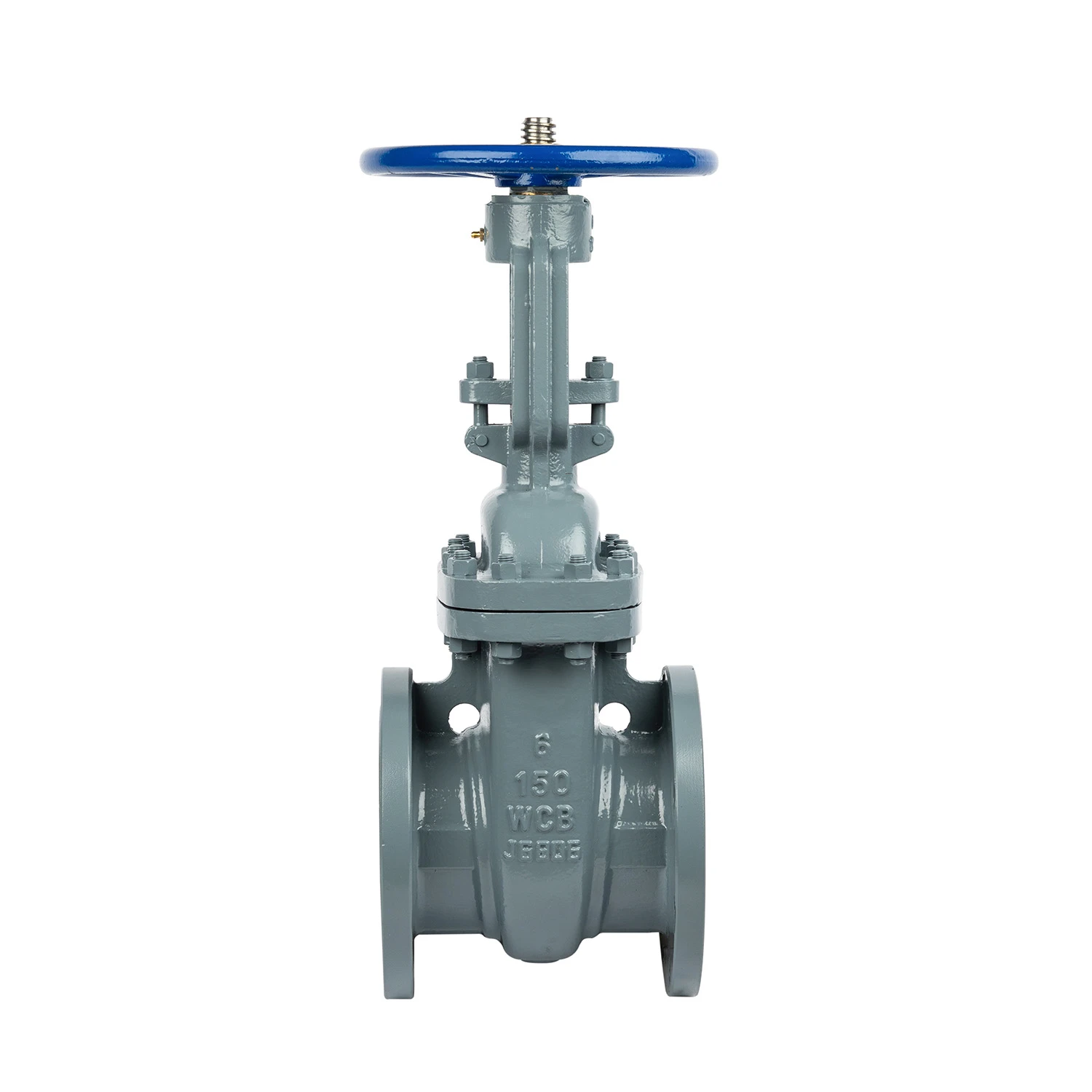
The performance of stainless steel needle valves is governed by several engineering principles. Flow rate is directly proportional to the needle's position and the pressure differential across the valve. Cv (flow coefficient) values, a critical performance metric, are determined through hydrodynamic testing based on ANSI/FCI 75-1 standards. Pressure-temperature ratings must adhere to ASME B16.34 guidelines, which dictate maximum allowable working pressures based on material grade and operating temperature. Mechanical stress analysis, often performed using Finite Element Analysis (FEA), is employed to ensure the valve body can withstand anticipated pressure fluctuations and external loads. Leakage rates are a paramount concern; industry standards like EN 12266-1 define acceptable leakage classes. The stem seal is critical, utilizing materials like PTFE, PEEK or graphite packing to maintain a reliable seal under varying temperatures and pressures. Environmental resistance is crucial, especially in applications involving corrosive fluids. Material selection must account for the chemical compatibility of the stainless steel alloy with the process fluid, referencing compatibility charts and conducting immersion tests when necessary. A common design consideration is minimizing torque required to operate the valve, optimizing handle design and bearing surfaces to reduce operator fatigue.
Technical Specifications
| Parameter | Unit | 304 Stainless Steel | 316 Stainless Steel |
|---|---|---|---|
| Maximum Working Pressure | psi | 6000 | 6000 |
| Temperature Range | °F | -60 to 450 | -60 to 500 |
| Cv Value (1/4" Valve, Fully Open) | - | 0.45 | 0.45 |
| Leakage Rate (Bubble Tight) | sccm | <0.1 | <0.1 |
| Connection Type | - | NPT, BSPT, Socket Weld, Butt Weld | NPT, BSPT, Socket Weld, Butt Weld |
| Stem Packing Material | - | PTFE, Graphite | PTFE, Graphite |
Failure Mode & Maintenance
Common failure modes in stainless steel needle valves include seat erosion due to abrasive particles in the fluid stream, stem packing degradation leading to leakage, corrosion causing pitting or crevice corrosion, and fatigue cracking due to repeated cycling. Seat erosion can be mitigated by installing inline filters upstream of the valve. Stem packing failure is often a result of improper tightening or aging of the packing material; regular inspection and re-tightening or replacement are essential. Corrosion resistance can be compromised by exposure to incompatible chemicals; verifying material compatibility is crucial. Fatigue cracking can occur in the valve stem or body, particularly under high-pressure fluctuations; regular non-destructive testing (NDT) like ultrasonic testing can detect cracks before catastrophic failure. Maintenance procedures include periodic inspection of the valve body for signs of corrosion or damage, lubrication of the stem threads (using a compatible lubricant), replacement of worn stem packing, and cleaning of the valve internals to remove debris. For valves used in critical applications, preventative maintenance schedules should be implemented based on operating conditions and industry best practices. A common overlooked failure point is the needle tip; damage to the tip compromises sealing performance.
Industry FAQ
Q: What is the primary difference between 304 and 316 stainless steel in needle valve applications?
A: While both alloys offer excellent corrosion resistance, 316 stainless steel contains molybdenum, which significantly enhances resistance to chloride-induced pitting and crevice corrosion. This makes 316 the preferred choice for applications involving saltwater, process chemicals containing chlorides, or marine environments.
Q: How do I determine the appropriate Cv value for my application?
A: The Cv value is determined by the required flow rate and the pressure drop across the valve. Use the formula Cv = Flow Rate / √(Pressure Drop). Ensure your flow rate is in gallons per minute (GPM) and pressure drop is in psi. Proper Cv selection prevents flow restriction or excessive erosion.
Q: What are the recommended torque limits for operating a needle valve?
A: Excessive torque can damage the needle and seat, leading to leakage. Consult the manufacturer's specifications for the recommended torque limits. Generally, smooth, controlled operation is preferred over forceful tightening.
Q: What type of stem packing is best suited for high-temperature applications?
A: Graphite packing is generally preferred for high-temperature applications as it maintains its sealing properties at elevated temperatures better than PTFE. However, PTFE packing with appropriate fillers can also be used, depending on the specific temperature range and chemical compatibility requirements.
Q: How can I verify the quality and traceability of a China-manufactured stainless steel needle valve?
A: Request material test reports (MTRs) certified to EN 10204 3.1 demonstrating chemical composition conformance to ASTM standards. Look for valves with traceable serial numbers and manufacturer certifications, such as ISO 9001. Consider third-party inspection services to verify quality control processes.
Conclusion
China-manufactured stainless steel needle valves represent a viable and cost-effective solution for numerous fluid control applications. However, careful consideration must be given to material selection, manufacturing quality, and adherence to relevant industry standards. Understanding the potential failure modes and implementing appropriate preventative maintenance procedures are critical for ensuring long-term reliability and operational safety.
The continued advancement of manufacturing techniques and quality control systems in China is leading to increasingly sophisticated and reliable valve products. Ongoing due diligence, including thorough material verification and performance testing, remains essential to mitigate risks and maximize the benefits of sourcing from this region. Ultimately, a technically informed approach to procurement and maintenance will ensure optimal performance and longevity of these crucial components.
-
flat face flanges Performance Analysis
-
Flat Faced Flange Performance Analysis
-
3 in flange Performance Analysis
-
2in flange Performance Analysis
-
Flat Faced Flanges Performance Analysis
-
megalug flange Performance and Engineering
-
Plate Flange Performance Analysis
-
Reducing Flange Performance Analysis
-
Sealing Flange Performance Analysis
-
Turbo Flanges Performance Analysis
-
Screwed Flange Performance Analysis
-
Screwed Flanges Performance Analysis
-
Screw Flanges Performance Analysis
-
weld neck flanges Performance Analysis
-
welding neck flange Material Science Manufacturing
 Afrikaans
 Albanian
 Amharic
 Arabic
 Armenian
 Azerbaijani
 Basque
 Belarusian
 Bengali
 Bosnian
 Bulgarian
 Catalan
 Cebuano
 Corsican
 Croatian
 Czech
Czech
 Danish
 Dutch
Dutch
 Esperanto
 Estonian
 Finnish
 French
 Frisian
 Galician
 Georgian
 German
 Greek
Greek
 Gujarati
 Haitian Creole
 Hausa
Hawaiian
Hausa
Hawaiian
 Hebrew
 Hindi
Hindi
 Miao
Miao
 Hungarian
 Icelandic
 Igbo
Igbo
 Indonesian
 Irish
Irish
 Italian
 Japanese
 Javanese
Kannada
Javanese
Kannada
 Kazakh
 Khmer
Khmer
 Rwandese
 Korean
 Kurdish
 Kyrgyz
 Lao
Lao
 Latin
Latin
 Latvian
 Lithuanian
 Luxembourgish
 Macedonian
 Malgashi
 Malay
Malay
 Malayalam
 Maltese
 Maori
Maori
 Marathi
 Mongolian
 Myanmar
 Nepali
 Norwegian
 Norwegian
 Occitan
 Pashto
 Persian
 Polish
 Portuguese
Punjabi
Portuguese
Punjabi
 Romanian
 Russian
 Samoan
 Scottish Gaelic
 Serbian
 Sesotho
 Shona
Shona
 Sindhi
 Sinhala
 Slovak
 Slovenian
 Somali
 Spanish
 Sundanese
 Swahili
 Swedish
Tagalog
Swedish
Tagalog
 Tajik
Tajik
 Tamil
Tamil
 Tatar
Tatar
 Telugu
 Thai
Thai
 Turkish
 Turkmen
 Ukrainian
 Urdu
Urdu
 Uighur
 Uzbek
Uzbek
 Vietnamese
 Welsh
Welsh
 Bantu
Bantu
 Yiddish
 Yoruba
 Zulu
Zulu
 English