




needle gate valve Performance Analysis
Introduction
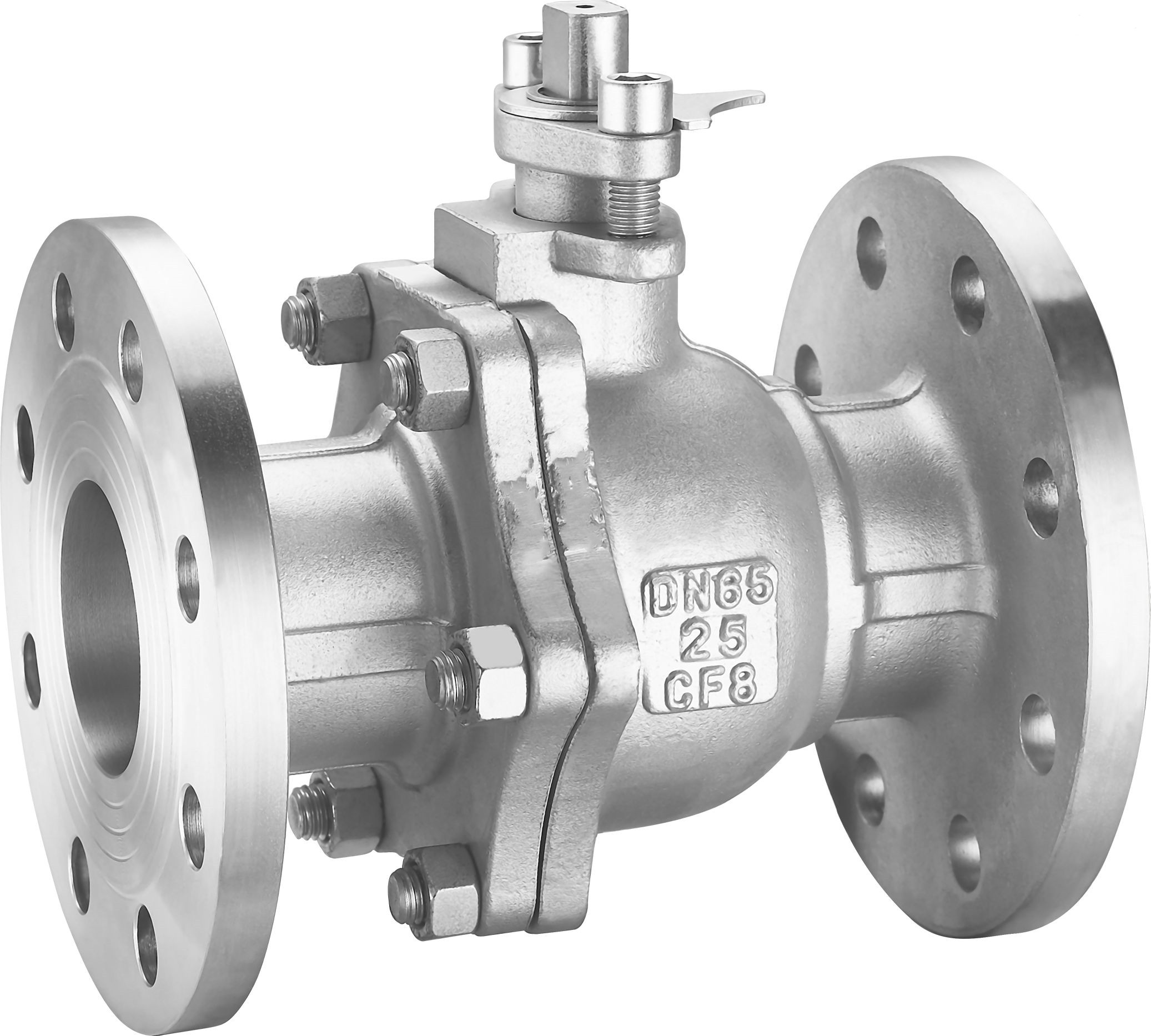
The needle gate valve is a specialized flow control device characterized by its precise throttling capability and robust shut-off performance. Positioned within the industrial fluid handling chain as a critical component in process control systems, it finds extensive application in sectors including chemical processing, oil & gas, power generation, and water treatment. Unlike conventional gate valves which are primarily designed for on/off service, the needle gate valve utilizes a tapered needle and corresponding seat to regulate flow rates with high accuracy, even at low flow conditions. Its core performance metrics revolve around flow coefficient (Cv), pressure drop, seat leakage rate (ANSI/FCI 70-2), and operational torque, differentiating it from simpler valve designs by enabling precise process manipulation.
Material Science & Manufacturing
Needle gate valves are commonly fabricated from stainless steel (304, 316, 316L) for corrosion resistance, alloy steels for high-temperature applications, and specialized materials like Hastelloy or Monel for handling highly corrosive fluids. The body material's choice dictates its compatibility with the process media; stainless steel's chromium content forms a passive oxide layer protecting against general corrosion, while more exotic alloys withstand pitting and crevice corrosion. The needle and seat are often hardened through processes like nitriding or carburizing to enhance wear resistance and maintain a tight seal. Manufacturing typically involves precision machining of valve body components, followed by honing and lapping of the needle and seat to achieve dimensional accuracy and surface finish (Ra < 0.8µm). Welding procedures (SMAW, GTAW) used to fabricate valve bodies require stringent control of heat input and shielding gas to prevent distortion and maintain metallurgical integrity. Post-weld heat treatment (PWHT) is often implemented to relieve residual stresses. Quality control includes hydrostatic testing (API 598) to verify body integrity and seat leakage testing to confirm sealing performance.
Performance & Engineering
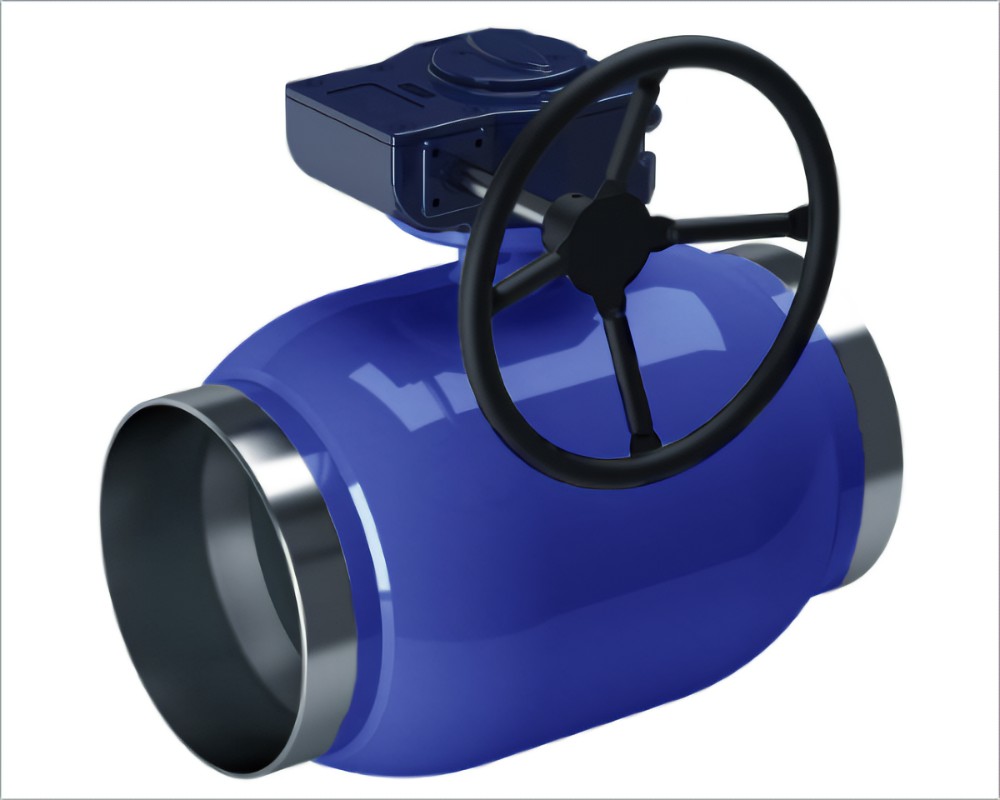
The performance of a needle gate valve hinges on fluid dynamics and stress analysis. The tapered needle geometry creates a varying flow area, resulting in a non-linear relationship between valve opening and flow rate. Bernoulli's principle governs the pressure drop across the valve, which is directly proportional to the square of the flow rate. The valve's design must account for fluid velocity limits to prevent erosion and cavitation, especially in high-velocity applications. Force analysis is crucial to determine the required operating torque, considering fluid pressure, stem diameter, and friction coefficients. Environmental resistance is assessed through temperature cycle testing (ASTM E831) and corrosion testing (ASTM B117 – salt spray test) to ensure durability in harsh operating conditions. Compliance requirements often dictate specific material certifications (e.g., NACE MR0175 for sour service), pressure relief valve integration, and actuator control systems to meet safety standards. Proper stem sealing is essential to prevent fugitive emissions, requiring the selection of appropriate packing materials (PTFE, graphite) and gland followers.
Technical Specifications
| Parameter | Unit | Standard Specification | Typical Value |
|---|---|---|---|
| Maximum Operating Pressure | psi | ASME B16.34 | Up to 6000 |
| Operating Temperature Range | °F | ASTM A370 | -60 to 450 |
| Cv (Flow Coefficient) | gpm | ISA 75.01.01 | 0.1 - 10 (varies with valve size) |
| Seat Leakage (Class VI) | cc/min | ANSI/FCI 70-2 | <0.1 |
| Body Material | - | ASTM A351 Grade CF8M | 316 Stainless Steel |
| Trim Material | - | ASTM A276 Type 316 | 316 Stainless Steel |
Failure Mode & Maintenance
Common failure modes for needle gate valves include seat erosion due to particulate matter in the fluid stream, stem packing failure leading to leakage, fatigue cracking in the stem from repeated cycling, and galling between the needle and seat caused by improper lubrication or material incompatibility. Erosion typically manifests as an increase in seat leakage and requires seat replacement. Stem packing failure necessitates tightening the gland follower or replacing the packing material. Fatigue cracking requires complete valve replacement. Galling can be mitigated through the use of specialized coatings (e.g., PEEK) or proper lubrication with compatible fluids. Maintenance involves periodic inspection of the stem packing, lubrication of the stem threads, and cleaning of the valve body to remove accumulated debris. Hydrostatic testing should be performed annually to verify body integrity. Regular preventative maintenance extends valve lifespan and reduces unscheduled downtime. Failure analysis techniques such as metallography and fractography can pinpoint the root cause of failures, enabling corrective action to prevent recurrence.
Industry FAQ
Q: What are the key differences between a needle gate valve and a standard globe valve in terms of flow control precision?
A: While both are used for throttling, needle gate valves offer significantly higher precision, particularly at low flow rates. The finer taper on the needle and seat provides more granular control over flow, minimizing pressure drop fluctuations. Globe valves, with their larger flow passages, are more susceptible to turbulence and less accurate for precise metering applications.
Q: How does material selection impact the lifespan of a needle gate valve in a corrosive environment?
A: Material selection is paramount. Stainless steel offers general corrosion resistance, but specific alloys like Hastelloy or Monel are crucial for handling highly corrosive fluids (e.g., hydrochloric acid, sulfuric acid). Incorrect material selection will lead to rapid degradation, pitting corrosion, and ultimately, valve failure.
Q: What are the potential consequences of exceeding the maximum operating pressure of a needle gate valve?
A: Exceeding the maximum pressure can cause catastrophic failure, including body rupture, seat blow-out, and stem breakage. This poses a significant safety hazard and can result in process disruption and environmental damage. Pressure relief valves are critical safety components that must be correctly sized and maintained.
Q: What preventative maintenance procedures are recommended for ensuring long-term reliability of needle gate valves?
A: Recommended procedures include regular inspection of stem packing for leakage, periodic lubrication of stem threads, cleaning of the valve body to remove debris, and annual hydrostatic testing to verify body integrity. Record keeping of maintenance activities is crucial for tracking valve performance and identifying potential issues.
Q: What considerations are important when selecting a needle gate valve for high-temperature applications?
A: High-temperature applications require materials with sufficient creep resistance and thermal stability. Alloy steels specifically designed for elevated temperatures are necessary. The valve's packing material must also be compatible with the operating temperature range to prevent degradation and maintain a tight seal. Thermal expansion considerations are also important when designing the piping system to avoid stress on the valve body.
Conclusion
The needle gate valve remains a vital component in precision fluid control systems across diverse industries. Its ability to accurately throttle flow, coupled with robust construction and material options, makes it ideally suited for applications demanding reliability and control. Understanding the intricacies of its material science, manufacturing processes, and potential failure modes is critical for ensuring optimal performance and longevity.
Future advancements in needle gate valve technology will likely focus on the development of more advanced sealing materials, intelligent valve actuators with integrated diagnostics, and enhanced surface coatings to further reduce friction and improve wear resistance. Continued adherence to international standards and rigorous quality control procedures will be paramount in maintaining the integrity and reliability of these essential industrial components.
-
Top Reasons to Choose a Stainless Steel Flange Check Valve for Industrial Applications
-
check valves high pressure Performance Analysis
-
check valves low pressure Performance Analysis
-
High Pressure Check Valves Performance Analysis
-
low pressure check valves Performance Analysis
-
6 check valve Performance Analysis
-
stainless steel check valves Performance Analysis
-
check valve 6 Performance Analysis
-
check valve stainless steel Performance Analysis
-
6 in check valve Performance Engineering
-
6 check valves Performance Analysis
-
12 inch check valve Performance Analysis
-
lift check valves Performance Engineering
-
check valve 12 inch Performance Analysis
-
stop check valve Performance Analysis
 Afrikaans
 Albanian
 Amharic
 Arabic
 Armenian
 Azerbaijani
 Basque
 Belarusian
 Bengali
 Bosnian
 Bulgarian
 Catalan
 Cebuano
 Corsican
 Croatian
 Czech
Czech
 Danish
 Dutch
Dutch
 Esperanto
 Estonian
 Finnish
 French
 Frisian
 Galician
 Georgian
 German
 Greek
Greek
 Gujarati
 Haitian Creole
 Hausa
Hawaiian
Hausa
Hawaiian
 Hebrew
 Hindi
Hindi
 Miao
Miao
 Hungarian
 Icelandic
 Igbo
Igbo
 Indonesian
 Irish
Irish
 Italian
 Japanese
 Javanese
Kannada
Javanese
Kannada
 Kazakh
 Khmer
Khmer
 Rwandese
 Korean
 Kurdish
 Kyrgyz
 Lao
Lao
 Latin
Latin
 Latvian
 Lithuanian
 Luxembourgish
 Macedonian
 Malgashi
 Malay
Malay
 Malayalam
 Maltese
 Maori
Maori
 Marathi
 Mongolian
 Myanmar
 Nepali
 Norwegian
 Norwegian
 Occitan
 Pashto
 Persian
 Polish
 Portuguese
Punjabi
Portuguese
Punjabi
 Romanian
 Russian
 Samoan
 Scottish Gaelic
 Serbian
 Sesotho
 Shona
Shona
 Sindhi
 Sinhala
 Slovak
 Slovenian
 Somali
 Spanish
 Sundanese
 Swahili
 Swedish
Tagalog
Swedish
Tagalog
 Tajik
Tajik
 Tamil
Tamil
 Tatar
Tatar
 Telugu
 Thai
Thai
 Turkish
 Turkmen
 Ukrainian
 Urdu
Urdu
 Uighur
 Uzbek
Uzbek
 Vietnamese
 Welsh
Welsh
 Bantu
Bantu
 Yiddish
 Yoruba
 Zulu
Zulu
 English