




Pipe Tee Fittings Performance Analysis
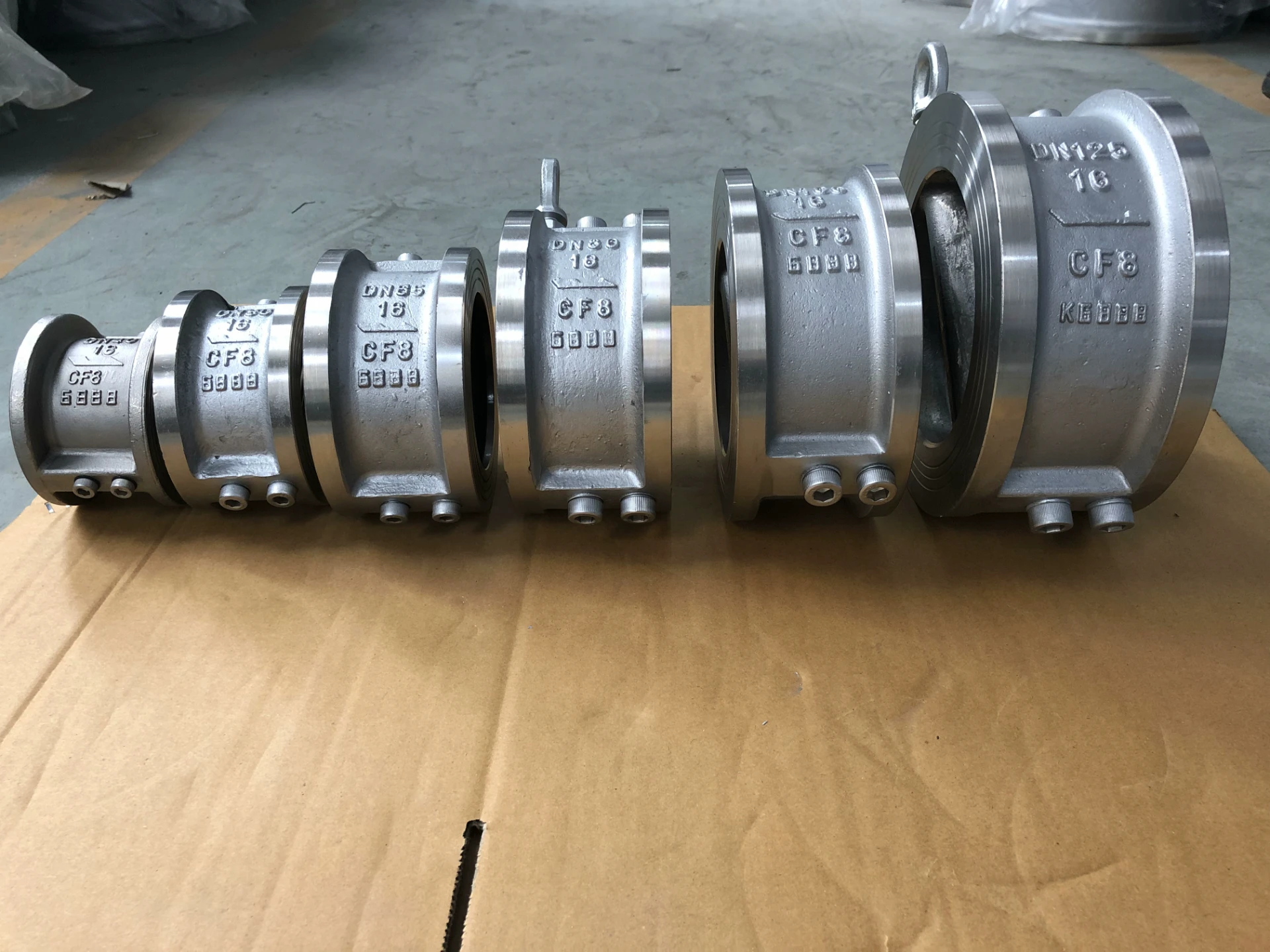
Introduction
Pipe tee fittings are crucial components in piping systems, serving as connectors to split or combine fluid flow. Positioned within the broader industrial infrastructure, they function as fundamental elements in process piping, plumbing, and structural applications. Their technical role centers on maintaining pressure integrity and directing media, encompassing liquids, gases, and granular materials. Core performance characteristics include pressure rating, flow resistance, material compatibility, and dimensional accuracy. A significant industry pain point is managing corrosion and erosion, particularly in aggressive chemical environments, leading to premature failure and costly downtime. Furthermore, consistent dimensional control is vital for weld integrity and leak prevention, demanding stringent manufacturing processes and quality control. Selecting the appropriate tee fitting material and configuration is critical for long-term reliability and operational safety.
Material Science & Manufacturing
Pipe tees are fabricated from a diverse range of materials, dictated by application-specific demands. Carbon steel (ASTM A53 Grade B) is prevalent due to its cost-effectiveness and adequate strength for general service. Stainless steels (304/316 – ASTM A312) are utilized in corrosive environments, offering superior resistance to oxidation and chemical attack. Alloy steels (ASTM A335 P11, P22) provide enhanced high-temperature strength for power generation and refining. For plastics, PVC (ASTM D1785) and CPVC (ASTM D2369) offer corrosion resistance for low-pressure systems, while Polypropylene (PPH) provides broader chemical compatibility. Manufacturing processes vary based on material and size. For metallic tees, forging, casting, and machining are common. Seamless tees, produced via hot extrusion or piercing, exhibit superior strength and are preferred for critical applications. Welded tees, created by welding branch and run pipes together, are more economical but require rigorous weld inspection (ASME Section IX). Plastic tees are typically produced via injection molding, requiring precise temperature and pressure control to ensure dimensional stability and eliminate stress concentrations. Key parameters during injection molding include melt temperature, mold temperature, injection pressure, and cooling rate. Surface treatments, such as galvanization or epoxy coating, are applied to enhance corrosion resistance.
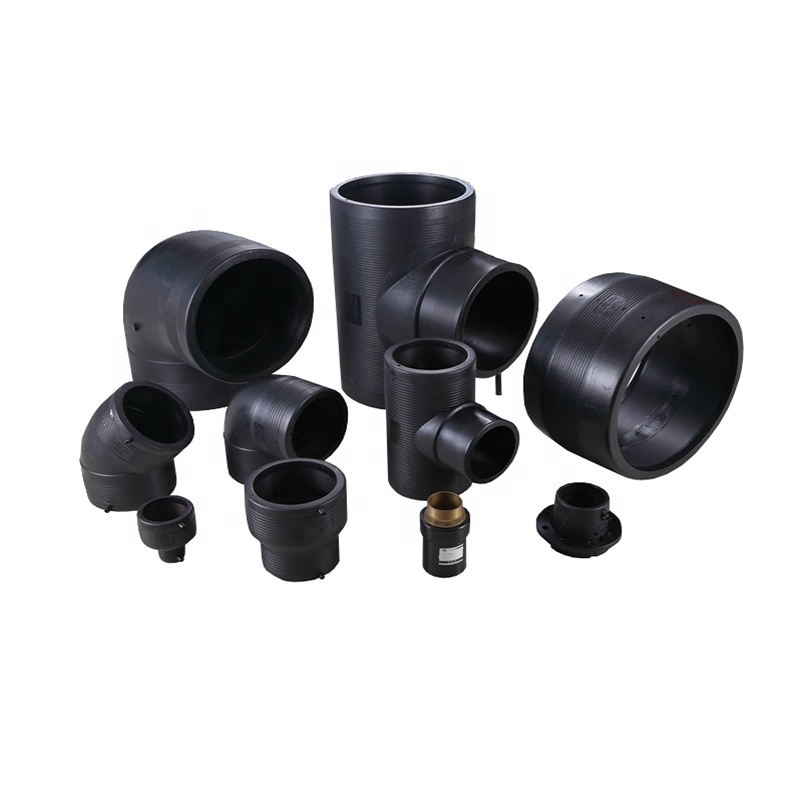
Performance & Engineering
The performance of pipe tees is governed by several engineering principles. Stress analysis, particularly finite element analysis (FEA), is crucial for evaluating stress concentrations at the tee junction, especially under internal pressure and external loads. Branch connection reinforcement is critical to mitigate these stresses. Flow characteristics are impacted by the tee geometry (equal or reducing) and the angle of the branch. Computational Fluid Dynamics (CFD) simulations can predict pressure drop and flow distribution. Environmental resistance is a significant consideration. Tees exposed to cyclic loading (pressure fluctuations, vibration) are susceptible to fatigue cracking. Corrosion, both uniform and localized (pitting, crevice corrosion), can lead to material degradation. Compliance requirements are stringent, dictated by industry codes and standards. ASME B31.3 covers process piping, while ASME B31.1 addresses power piping. Material selection must adhere to NACE MR0175/ISO 15156 for sour service applications. Hydrostatic testing (API 510) verifies pressure integrity. The impact of thermal expansion and contraction must be accounted for in piping design to prevent stress on the tee fitting. Proper support and anchoring minimize the risk of overstressing the component.
Technical Specifications
| Material | Pressure Rating (PSI) | Temperature Range (°F) | Connection Type |
|---|---|---|---|
| Carbon Steel (A53 Gr. B) | 600 | -30 to 350 | Welded, Threaded |
| Stainless Steel (304/316) | 750 | -325 to 650 | Welded, Threaded, Socket Weld |
| Alloy Steel (A335 P11) | 900 | -45 to 850 | Welded |
| PVC (D1785) | 100 | 32 to 140 | Socket Weld, Threaded |
| CPVC (D2369) | 300 | 32 to 200 | Socket Weld, Threaded |
| Polypropylene (PPH) | 150 | 32 to 250 | Socket Weld, Threaded |
Failure Mode & Maintenance
Common failure modes in pipe tees include corrosion (uniform, pitting, galvanic), erosion (especially with abrasive fluids), fatigue cracking (due to cyclic loading), and weld defects (porosity, cracking). Creep rupture can occur at elevated temperatures in metallic tees. Plastic tees are susceptible to brittle fracture, UV degradation, and chemical attack. Failure analysis often reveals root causes related to improper material selection, inadequate welding procedures, excessive stress, or improper maintenance. Preventative maintenance includes regular visual inspections for corrosion, cracks, and leaks. Non-destructive testing (NDT) methods, such as ultrasonic testing (UT), radiographic testing (RT), and liquid penetrant testing (PT), can detect subsurface defects. Coating repairs and cathodic protection mitigate corrosion. For plastic tees, avoid exposing them to incompatible chemicals or excessive UV radiation. Periodic hydrostatic testing verifies the integrity of the piping system. When replacing a tee fitting, ensure the new component matches the original material and pressure rating. Proper torqueing of threaded connections is crucial to prevent leaks and ensure a secure seal. Detailed records of inspections and maintenance activities should be maintained for traceability.
Industry FAQ
Q: What is the primary difference between a threaded tee and a welded tee in terms of application?
A: Threaded tees are typically used for lower-pressure, smaller diameter systems where ease of installation and disassembly are prioritized, such as plumbing applications. Welded tees are preferred for high-pressure, large-diameter systems where a stronger, more permanent connection is required. Welded tees provide better structural integrity and are less prone to leakage, making them suitable for critical process piping.
Q: How does the material of a tee fitting impact its resistance to corrosion?
A: Material selection is paramount in corrosion resistance. Carbon steel is susceptible to corrosion in most environments unless protected by coatings. Stainless steels (304/316) offer significantly improved corrosion resistance due to their chromium content, forming a passive oxide layer. Alloy steels provide enhanced resistance in high-temperature, corrosive environments. Plastics like PVC and CPVC offer excellent chemical resistance but are susceptible to UV degradation.
Q: What NDT methods are commonly used to inspect welded tee fittings?
A: Radiographic Testing (RT) is frequently employed to detect internal weld defects such as porosity and cracking. Ultrasonic Testing (UT) is used to assess weld quality and measure wall thickness. Liquid Penetrant Testing (PT) identifies surface cracks and discontinuities. Magnetic Particle Testing (MT) is suitable for detecting surface and near-surface defects in ferromagnetic materials.
Q: How does temperature affect the pressure rating of a pipe tee?
A: Generally, the pressure rating of a tee decreases as temperature increases. Materials lose strength at elevated temperatures, reducing their ability to withstand internal pressure. Derating factors, specified in relevant standards like ASME B31.3, must be applied to adjust the allowable pressure at higher temperatures.
Q: What considerations should be given to the alignment of a tee fitting during installation?
A: Proper alignment is critical to minimize stress on the tee and prevent premature failure. Misalignment can induce bending moments and localized stresses, particularly at the weld points. The piping system should be adequately supported to prevent sagging and ensure proper alignment. Using precise alignment tools and qualified welders is essential.
Conclusion
Pipe tee fittings represent a fundamental yet often overlooked component in numerous industrial systems. Their selection and implementation require a thorough understanding of material science, manufacturing processes, and engineering principles. Addressing the industry pain points related to corrosion, fatigue, and dimensional control through careful material selection, robust manufacturing quality assurance, and diligent maintenance practices is paramount to ensuring long-term reliability and safety.
Future advancements will likely focus on developing lighter-weight, higher-strength materials and employing advanced manufacturing techniques like additive manufacturing to create complex tee geometries with optimized flow characteristics. Furthermore, the integration of smart sensors for real-time monitoring of stress, temperature, and corrosion will enable proactive maintenance and predictive failure analysis, reducing downtime and extending the service life of critical piping infrastructure.
-
Top Reasons to Choose a Stainless Steel Flange Check Valve for Industrial Applications
-
diaphragm check valve Material Science Manufacturing
-
dual plate check valve Performance Analysis
-
check valve 6 inch Material Science
-
diaphragm check valves Performance Analysis
-
dual plate check valves Performance Analysis
-
vertical check valves Material Science Manufacturing
-
8 check valves Performance Analysis
-
refrigeration check valves Performance Analysis
-
pilot check valve Performance Analysis
-
pressure check valve Performance Analysis
-
check valve 3 4 inch Performance Analysis
-
3 4 inch check valve Performance Analysis
-
piloted check valve Performance Analysis
-
pilot check valves Performance Analysis
 Afrikaans
 Albanian
 Amharic
 Arabic
 Armenian
 Azerbaijani
 Basque
 Belarusian
 Bengali
 Bosnian
 Bulgarian
 Catalan
 Cebuano
 Corsican
 Croatian
 Czech
Czech
 Danish
 Dutch
Dutch
 Esperanto
 Estonian
 Finnish
 French
 Frisian
 Galician
 Georgian
 German
 Greek
Greek
 Gujarati
 Haitian Creole
 Hausa
Hawaiian
Hausa
Hawaiian
 Hebrew
 Hindi
Hindi
 Miao
Miao
 Hungarian
 Icelandic
 Igbo
Igbo
 Indonesian
 Irish
Irish
 Italian
 Japanese
 Javanese
Kannada
Javanese
Kannada
 Kazakh
 Khmer
Khmer
 Rwandese
 Korean
 Kurdish
 Kyrgyz
 Lao
Lao
 Latin
Latin
 Latvian
 Lithuanian
 Luxembourgish
 Macedonian
 Malgashi
 Malay
Malay
 Malayalam
 Maltese
 Maori
Maori
 Marathi
 Mongolian
 Myanmar
 Nepali
 Norwegian
 Norwegian
 Occitan
 Pashto
 Persian
 Polish
 Portuguese
Punjabi
Portuguese
Punjabi
 Romanian
 Russian
 Samoan
 Scottish Gaelic
 Serbian
 Sesotho
 Shona
Shona
 Sindhi
 Sinhala
 Slovak
 Slovenian
 Somali
 Spanish
 Sundanese
 Swahili
 Swedish
Tagalog
Swedish
Tagalog
 Tajik
Tajik
 Tamil
Tamil
 Tatar
Tatar
 Telugu
 Thai
Thai
 Turkish
 Turkmen
 Ukrainian
 Urdu
Urdu
 Uighur
 Uzbek
Uzbek
 Vietnamese
 Welsh
Welsh
 Bantu
Bantu
 Yiddish
 Yoruba
 Zulu
Zulu
 English