




pipe valve and fitting Performance Analysis
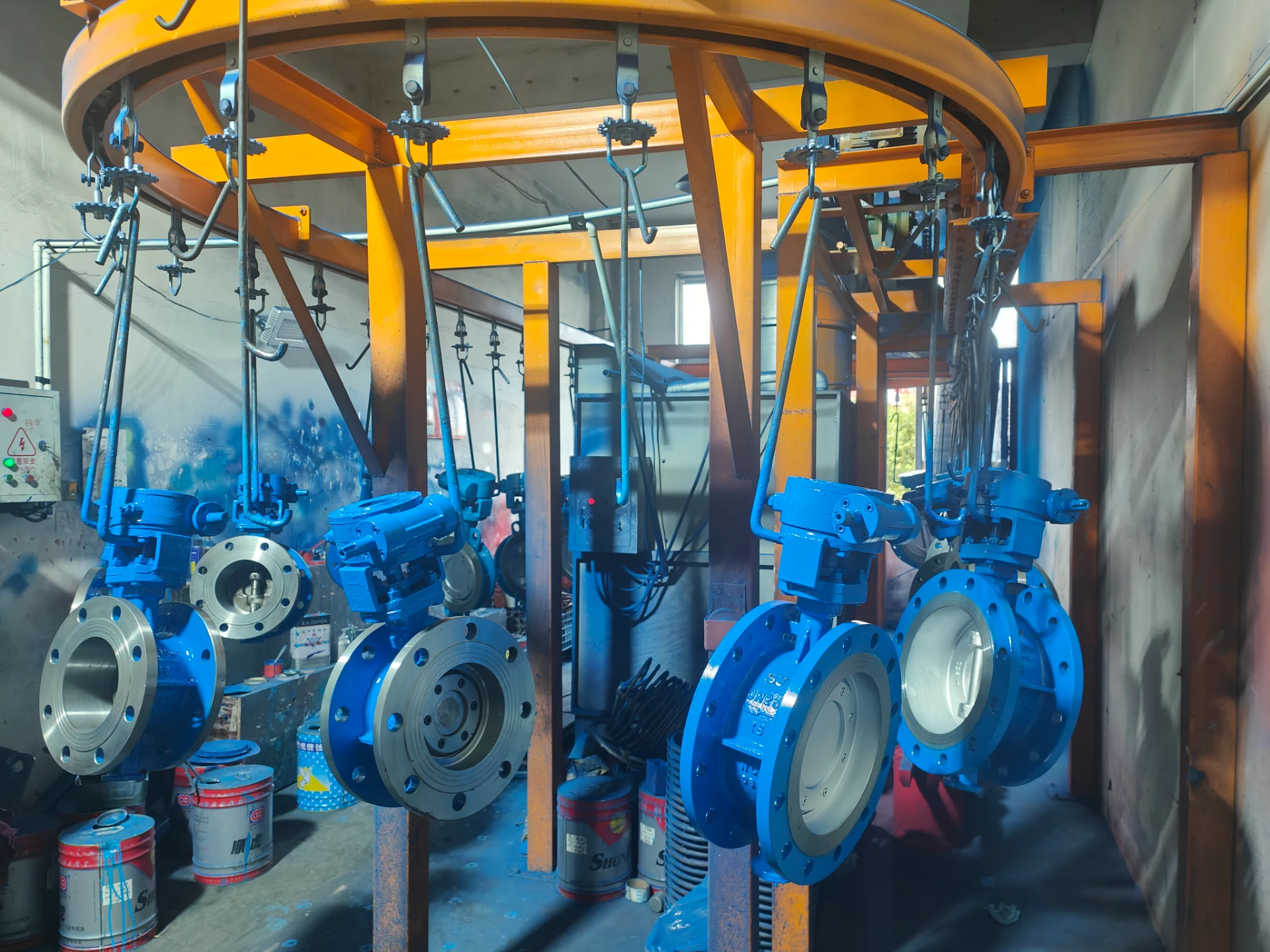
Introduction
Pipe valves and fittings are integral components of fluid handling systems across diverse industries, including oil and gas, chemical processing, water treatment, and power generation. They control, direct, and regulate the flow of liquids, gases, and slurries within pipelines. Valves act as flow control devices, while fittings provide connections and changes in direction. Their performance is critical for system efficiency, safety, and longevity. This guide provides an in-depth technical overview of pipe valves and fittings, covering material science, manufacturing processes, performance characteristics, failure modes, and relevant industry standards. The core challenge facing industries is balancing cost-effectiveness with the necessity for high reliability, corrosion resistance, and adherence to increasingly stringent safety regulations. Selection criteria are heavily influenced by fluid properties (corrosivity, viscosity, temperature), pressure and flow rate requirements, and applicable code compliance. Proper material selection and installation are paramount to preventing leaks, failures, and environmental contamination.
Material Science & Manufacturing
The materials used in pipe valves and fittings are dictated by the service environment. Common materials include carbon steel (ASTM A53, A106), stainless steel (304, 316, Duplex), alloy steels (e.g., Chrome-Moly), ductile iron (ASTM A509), brass (various alloys), and polymers (PVC, CPVC, PTFE). Carbon steel offers high strength and affordability but is susceptible to corrosion. Stainless steels exhibit superior corrosion resistance due to the formation of a passive chromium oxide layer, with 316 offering enhanced resistance to chloride pitting. Ductile iron provides good strength and ductility and is commonly used in larger diameter pipes. Polymeric materials are advantageous for their lightweight nature and chemical inertness, though their temperature and pressure limitations are lower.
Manufacturing processes vary depending on the valve and fitting type. Valve bodies are often produced via casting (sand casting, investment casting), forging, or machining from bar stock. Welding (SMAW, GTAW, GMAW) is crucial for joining components and requires meticulous control of parameters such as heat input, shielding gas, and weld metal composition to ensure structural integrity and prevent corrosion. Fittings such as elbows, tees, and reducers are fabricated via forging, extrusion, or machining. Threading processes (NPT, BSP) must meet stringent dimensional tolerances to guarantee leak-tight connections. Polymer fittings are typically manufactured using injection molding, with careful attention paid to mold design and processing conditions to minimize residual stresses and ensure dimensional accuracy. Non-destructive testing (NDT) methods like radiographic inspection (RT), ultrasonic testing (UT), and liquid penetrant examination (LPI) are essential for verifying weld quality and detecting internal flaws.

Performance & Engineering
Valve and fitting performance is assessed based on several key engineering parameters. Pressure-temperature ratings (ANSI/ASME B16.34, EN 1092) define the maximum allowable working pressure at a given temperature. Flow coefficient (Cv) quantifies the valve's capacity to pass fluid. Tightness testing (API 598) verifies the valve’s ability to prevent leakage. The force analysis involved in valve design considers internal pressures, external loads, and thermal stresses. Finite element analysis (FEA) is commonly used to optimize geometry and minimize stress concentrations. Environmental resistance is critical; corrosion rates are assessed based on fluid composition, temperature, and material properties. Cathodic protection and coatings are employed to mitigate corrosion in aggressive environments. Compliance requirements depend on the application. For example, valves used in potable water systems must meet NSF/ANSI 61 standards to ensure they do not leach harmful contaminants. Valves intended for hazardous environments (e.g., flammable gases) must comply with ATEX or IECEx regulations regarding explosion protection. Furthermore, understanding the fluid dynamics, including Bernoulli’s principle and the impact of viscosity, is paramount for proper valve sizing and system optimization. Properly sized valves minimize pressure drop and prevent cavitation.
Technical Specifications
| Valve Type | Material of Construction | Pressure Rating (PSI) | Temperature Range (°F) |
|---|---|---|---|
| Gate Valve | Carbon Steel (ASTM A53) | 1440 | -20 to 450 |
| Globe Valve | Stainless Steel (316) | 720 | -328 to 650 |
| Ball Valve | Ductile Iron (ASTM A509) | 600 | -20 to 300 |
| Butterfly Valve | PVC | 150 | 32 to 140 |
| Check Valve | Brass (C36000) | 400 | 32 to 250 |
| 90° Elbow | Carbon Steel (A53) | Variable (based on schedule) | -30 to 572 |
Failure Mode & Maintenance
Common failure modes in pipe valves and fittings include fatigue cracking (due to cyclic loading), corrosion (pitting, crevice corrosion, galvanic corrosion), erosion (caused by abrasive particles), cavitation (formation and collapse of vapor bubbles), and gasket failure. Fatigue cracks typically initiate at stress concentrators such as weld toes or threaded connections. Corrosion is accelerated by the presence of chlorides, sulfides, and other corrosive agents. Cavitation can erode valve trim and reduce flow capacity. Gasket failure results in leakage and can be caused by aging, chemical attack, or improper installation.
Preventive maintenance is crucial to extending the lifespan of valves and fittings. Regular inspection for signs of corrosion, erosion, and leakage is essential. Periodic testing of valve actuation mechanisms and tightness is recommended. Lubrication of valve stems and bearings reduces friction and wear. Replacement of worn gaskets and seals prevents leakage. For corroded components, surface preparation and coating application (e.g., epoxy coatings) can provide temporary protection. In cases of severe corrosion or fatigue cracking, complete component replacement is necessary. Non-destructive testing (NDT) should be implemented periodically to evaluate the integrity of critical components without disassembly. Proper documentation of maintenance activities and repair history is essential for tracking performance and identifying potential problems.
Industry FAQ
Q: What are the critical considerations when selecting a valve material for a high-temperature, high-pressure steam application?
A: For high-temperature, high-pressure steam, alloy steels such as Chrome-Moly steels (ASTM A335 P11, P22) are typically recommended. These materials maintain their strength and creep resistance at elevated temperatures. Careful consideration must be given to the steam's purity; oxygenated steam can accelerate corrosion. Proper material selection is also critical for preventing stress corrosion cracking (SCC).
Q: How does the roughness of a pipe fitting's internal surface affect flow rate and pressure drop?
A: Increased internal surface roughness leads to higher friction losses, resulting in reduced flow rate and increased pressure drop. Roughness increases turbulence, dissipating energy. Polished or lined fittings (e.g., with PTFE) minimize friction and improve flow efficiency. The Colebrook equation can be used to quantitatively assess the impact of roughness on pressure drop.
Q: What are the typical failure mechanisms associated with plastic (PVC/CPVC) fittings, and how can they be mitigated?
A: PVC and CPVC fittings are susceptible to brittle fracture, UV degradation, and chemical attack. Brittle fracture can occur due to impact or thermal stress. UV degradation causes embrittlement and loss of mechanical properties. Chemical attack can occur from exposure to certain solvents and hydrocarbons. Mitigation strategies include using UV stabilizers, selecting chemically resistant materials, and avoiding excessive mechanical stress.
Q: What are the implications of using dissimilar metals in a piping system, and how can galvanic corrosion be prevented?
A: Using dissimilar metals can create a galvanic cell, leading to accelerated corrosion of the more anodic metal. The potential difference between the metals drives the corrosion process. Prevention methods include using dielectric unions, applying coatings to isolate the dissimilar metals, or selecting materials with similar electrochemical potentials.
Q: What is the role of non-destructive testing (NDT) in ensuring the quality and reliability of welded pipe fittings?
A: NDT methods such as Radiographic Testing (RT), Ultrasonic Testing (UT), and Liquid Penetrant Examination (LPI) are crucial for detecting internal and surface flaws in welded fittings without causing damage. RT reveals internal voids and inclusions. UT detects subsurface flaws. LPI identifies surface cracks and discontinuities. These inspections ensure weld integrity and prevent premature failure.
Conclusion
Pipe valves and fittings are critical components within fluid handling systems, with their selection and maintenance directly impacting system performance, safety, and operational costs. A comprehensive understanding of material science, manufacturing processes, and engineering principles is paramount for making informed decisions. The challenge lies in balancing cost-effectiveness with the demand for long-term reliability and adherence to rigorous industry standards.
Future advancements in valve and fitting technology will likely focus on the development of smart valves with integrated sensors and diagnostic capabilities, as well as the adoption of new materials with enhanced corrosion resistance and mechanical properties. Continued innovation in manufacturing processes, such as additive manufacturing, will enable the creation of customized designs and reduced lead times. Prioritizing preventative maintenance and embracing predictive analytics will further optimize system performance and minimize downtime.
-
Top Reasons to Choose a Stainless Steel Flange Check Valve for Industrial Applications
-
diaphragm check valve Material Science Manufacturing
-
dual plate check valve Performance Analysis
-
check valve 6 inch Material Science
-
diaphragm check valves Performance Analysis
-
dual plate check valves Performance Analysis
-
vertical check valves Material Science Manufacturing
-
8 check valves Performance Analysis
-
refrigeration check valves Performance Analysis
-
pilot check valve Performance Analysis
-
pressure check valve Performance Analysis
-
check valve 3 4 inch Performance Analysis
-
3 4 inch check valve Performance Analysis
-
piloted check valve Performance Analysis
-
pilot check valves Performance Analysis
 Afrikaans
 Albanian
 Amharic
 Arabic
 Armenian
 Azerbaijani
 Basque
 Belarusian
 Bengali
 Bosnian
 Bulgarian
 Catalan
 Cebuano
 Corsican
 Croatian
 Czech
Czech
 Danish
 Dutch
Dutch
 Esperanto
 Estonian
 Finnish
 French
 Frisian
 Galician
 Georgian
 German
 Greek
Greek
 Gujarati
 Haitian Creole
 Hausa
Hawaiian
Hausa
Hawaiian
 Hebrew
 Hindi
Hindi
 Miao
Miao
 Hungarian
 Icelandic
 Igbo
Igbo
 Indonesian
 Irish
Irish
 Italian
 Japanese
 Javanese
Kannada
Javanese
Kannada
 Kazakh
 Khmer
Khmer
 Rwandese
 Korean
 Kurdish
 Kyrgyz
 Lao
Lao
 Latin
Latin
 Latvian
 Lithuanian
 Luxembourgish
 Macedonian
 Malgashi
 Malay
Malay
 Malayalam
 Maltese
 Maori
Maori
 Marathi
 Mongolian
 Myanmar
 Nepali
 Norwegian
 Norwegian
 Occitan
 Pashto
 Persian
 Polish
 Portuguese
Punjabi
Portuguese
Punjabi
 Romanian
 Russian
 Samoan
 Scottish Gaelic
 Serbian
 Sesotho
 Shona
Shona
 Sindhi
 Sinhala
 Slovak
 Slovenian
 Somali
 Spanish
 Sundanese
 Swahili
 Swedish
Tagalog
Swedish
Tagalog
 Tajik
Tajik
 Tamil
Tamil
 Tatar
Tatar
 Telugu
 Thai
Thai
 Turkish
 Turkmen
 Ukrainian
 Urdu
Urdu
 Uighur
 Uzbek
Uzbek
 Vietnamese
 Welsh
Welsh
 Bantu
Bantu
 Yiddish
 Yoruba
 Zulu
Zulu
 English