




brass solenoid valve Performance Analysis
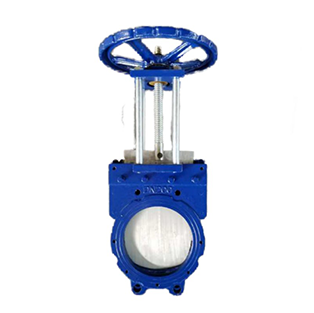
Introduction
Brass solenoid valves are electromechanically operated valves utilized to control the flow of liquids or gases. Positioned as critical components within industrial automation, process control systems, and fluid power applications, they represent a substantial subset of the broader valve technology landscape. Their primary function is to open or close a flow path based on the energization of a solenoid coil. Characterized by their relatively low cost, reliable operation, and compatibility with a wide range of media, brass solenoid valves are particularly prevalent in applications requiring moderate pressure and temperature ratings. Core performance characteristics include flow rate (Cv), response time, pressure differential capability, and media compatibility. Industry pain points revolve around ensuring long-term corrosion resistance, minimizing power consumption, and achieving precise flow control in demanding environments. Furthermore, the proper selection of sealing materials to prevent leakage and maintain operational integrity is a continuous challenge.
Material Science & Manufacturing
The body of a typical brass solenoid valve is manufactured from various brass alloys, predominantly those based on copper, zinc, and a small percentage of lead. Common alloys include C36000 (free-cutting brass) and C46400 (naval brass). C36000 provides excellent machinability, crucial for intricate valve body internal passages, while C46400 offers improved corrosion resistance, particularly in marine environments. The physical properties are central to performance: density (8.4 – 8.7 g/cm³), tensile strength (400 – 550 MPa), and hardness (typically 80-120 Brinell). Internal components like plungers and cores are often made from stainless steel (304 or 316) for magnetic properties and corrosion resistance. Seals are typically constructed from materials like Nitrile (NBR), Viton (FKM), or EPDM, chosen for their chemical compatibility with the intended fluid. The manufacturing process begins with hot forging or machining of the brass body. Critical dimensional tolerances are maintained via CNC machining. The solenoid coil is wound with copper wire onto a bobbin, insulated to prevent short circuits. Assembly involves precise fitting of internal components, testing for leakage and electromagnetic compatibility, and final quality control inspections. Parameter control focuses on alloy composition, heat treatment (to relieve internal stresses), surface finish (to minimize friction), and dimensional accuracy of critical flow paths. Manufacturing defects, such as porosity in the casting, can significantly compromise valve performance and longevity.
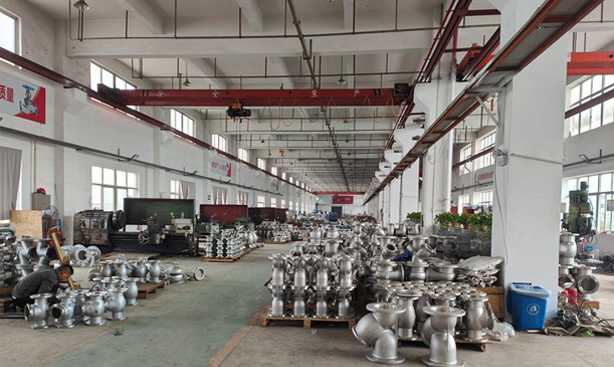
Performance & Engineering
The performance of a brass solenoid valve is governed by fluid dynamics and electromagnetism. Force analysis centers on the magnetic force generated by the energized solenoid, which overcomes the spring force and fluid pressure to actuate the valve. The magnetic force is proportional to the square of the current and the magnetic flux density. Environmental resistance is a significant concern; exposure to corrosive fluids, high temperatures, and UV radiation can degrade sealing materials and lead to valve failure. Compliance requirements depend on the application. For potable water systems, valves must comply with NSF/ANSI 61 standards to ensure they do not leach harmful contaminants. For hazardous locations, valves may require ATEX or IECEx certification for explosion protection. Functional implementation involves careful consideration of the valve’s orifice size, pressure drop, and response time. Orifice size dictates flow capacity. Pressure drop affects energy consumption and valve stability. Response time is crucial in applications requiring rapid switching. The valve's design must account for fluid viscosity, density, and temperature to optimize performance and prevent cavitation or water hammer. The choice of sealing material directly impacts the valve's ability to withstand pressure and temperature variations while maintaining a leak-tight seal. The spring material and its preload also influence response time and actuation force.
Technical Specifications
| Parameter | Unit | Typical Value (Direct Acting) | Typical Value (Pilot Operated) |
|---|---|---|---|
| Maximum Pressure | PSI | 150 | 300 |
| Operating Voltage | VDC | 12, 24 | 12, 24, 110, 220 |
| Orifice Size | mm | 2.0 | 3.5 |
| Flow Coefficient (Cv) | gpm | 0.5 | 1.2 |
| Response Time (Energize/De-energize) | ms | 10-20 | 20-30 |
| Media Temperature Range | °C | -5 to 80 | -10 to 120 |
Failure Mode & Maintenance
Brass solenoid valves are susceptible to several failure modes. Fatigue cracking can occur in the valve body due to repeated pressure cycles, particularly if the brass alloy contains micro-structural defects. Delamination of the sealing material is a common failure, often caused by incompatibility with the fluid or excessive temperature. Degradation of NBR seals in the presence of oils or solvents leads to leakage. Oxidation of internal components, particularly the plunger, can increase friction and reduce responsiveness. Cavitation erosion can damage the valve orifice if the pressure drop is too high and the fluid velocity is excessive. Electromagnetic coil failure, often due to overheating or insulation breakdown, prevents valve actuation. Maintenance procedures involve regular inspection of seals for wear and tear, cleaning of the valve body to remove debris, and testing for leakage. Periodic lubrication of moving parts can reduce friction and extend valve life. In cases of coil failure, the coil should be replaced with a compatible unit. For valves operating in corrosive environments, regular inspection for signs of corrosion is crucial. Preventive maintenance programs, including scheduled replacement of seals and coils, can significantly reduce the risk of unplanned downtime.
Industry FAQ
Q: What is the impact of water hammer on the lifespan of a brass solenoid valve?
A: Water hammer, or hydraulic shock, generates significant pressure spikes that can exceed the valve’s pressure rating. Repeated exposure to these spikes can lead to fatigue cracking in the valve body, damage to the seals, and premature failure. Implementing slow-closing valves, using accumulators, and ensuring proper pipe support can mitigate water hammer effects.
Q: How do I select the appropriate sealing material for a specific fluid?
A: Sealing material selection hinges on chemical compatibility. NBR is suitable for many common hydraulic fluids and oils, but is not ideal for harsh chemicals. Viton (FKM) offers superior resistance to chemicals, high temperatures, and oils. EPDM is often used for water and steam applications. Consult a chemical compatibility chart to ensure the seal material is compatible with the specific fluid being used.
Q: What are the advantages and disadvantages of direct-acting versus pilot-operated solenoid valves?
A: Direct-acting valves are faster responding and suitable for lower flow rates, but require a higher power input. Pilot-operated valves offer higher flow capacity and lower power consumption, but have a slower response time and require a minimum pressure differential to operate effectively.
Q: How does the solenoid coil temperature affect valve performance and longevity?
A: Excessive solenoid coil temperature can lead to insulation breakdown, reducing coil efficiency and potentially causing a short circuit. High temperatures also degrade the magnetic properties of the core material. Ensuring adequate ventilation and avoiding over-voltage can help maintain coil temperature within acceptable limits.
Q: What are the common causes of leakage in a brass solenoid valve, and how can they be addressed?
A: Leakage is often caused by worn or damaged seals, debris lodged in the valve seat, or corrosion of internal components. Replacing the seals, cleaning the valve body, and ensuring proper fluid filtration can resolve most leakage issues. If corrosion is present, the valve body may need to be replaced.
Conclusion
Brass solenoid valves represent a workhorse technology in fluid control, offering a robust and cost-effective solution for a wide range of applications. Understanding the underlying material science, manufacturing processes, and performance characteristics is critical for proper selection and implementation. Careful consideration of fluid compatibility, pressure and temperature ratings, and environmental factors ensures optimal valve operation and longevity.
Looking forward, advancements in solenoid valve technology will likely focus on reducing power consumption, improving response times, and enhancing corrosion resistance through the use of novel materials and coatings. The integration of smart features, such as diagnostics and remote control, will further enhance their functionality and enable predictive maintenance strategies. A deep understanding of these technical nuances remains paramount for engineers and procurement professionals alike.
-
Top Reasons to Choose a Stainless Steel Flange Check Valve for Industrial Applications
-
diaphragm check valve Material Science Manufacturing
-
dual plate check valve Performance Analysis
-
check valve 6 inch Material Science
-
diaphragm check valves Performance Analysis
-
dual plate check valves Performance Analysis
-
vertical check valves Material Science Manufacturing
-
8 check valves Performance Analysis
-
refrigeration check valves Performance Analysis
-
pilot check valve Performance Analysis
-
pressure check valve Performance Analysis
-
check valve 3 4 inch Performance Analysis
-
3 4 inch check valve Performance Analysis
-
piloted check valve Performance Analysis
-
pilot check valves Performance Analysis
 Afrikaans
 Albanian
 Amharic
 Arabic
 Armenian
 Azerbaijani
 Basque
 Belarusian
 Bengali
 Bosnian
 Bulgarian
 Catalan
 Cebuano
 Corsican
 Croatian
 Czech
Czech
 Danish
 Dutch
Dutch
 Esperanto
 Estonian
 Finnish
 French
 Frisian
 Galician
 Georgian
 German
 Greek
Greek
 Gujarati
 Haitian Creole
 Hausa
Hawaiian
Hausa
Hawaiian
 Hebrew
 Hindi
Hindi
 Miao
Miao
 Hungarian
 Icelandic
 Igbo
Igbo
 Indonesian
 Irish
Irish
 Italian
 Japanese
 Javanese
Kannada
Javanese
Kannada
 Kazakh
 Khmer
Khmer
 Rwandese
 Korean
 Kurdish
 Kyrgyz
 Lao
Lao
 Latin
Latin
 Latvian
 Lithuanian
 Luxembourgish
 Macedonian
 Malgashi
 Malay
Malay
 Malayalam
 Maltese
 Maori
Maori
 Marathi
 Mongolian
 Myanmar
 Nepali
 Norwegian
 Norwegian
 Occitan
 Pashto
 Persian
 Polish
 Portuguese
Punjabi
Portuguese
Punjabi
 Romanian
 Russian
 Samoan
 Scottish Gaelic
 Serbian
 Sesotho
 Shona
Shona
 Sindhi
 Sinhala
 Slovak
 Slovenian
 Somali
 Spanish
 Sundanese
 Swahili
 Swedish
Tagalog
Swedish
Tagalog
 Tajik
Tajik
 Tamil
Tamil
 Tatar
Tatar
 Telugu
 Thai
Thai
 Turkish
 Turkmen
 Ukrainian
 Urdu
Urdu
 Uighur
 Uzbek
Uzbek
 Vietnamese
 Welsh
Welsh
 Bantu
Bantu
 Yiddish
 Yoruba
 Zulu
Zulu
 English