




12 inch pvc pipe fittings Performance Analysis
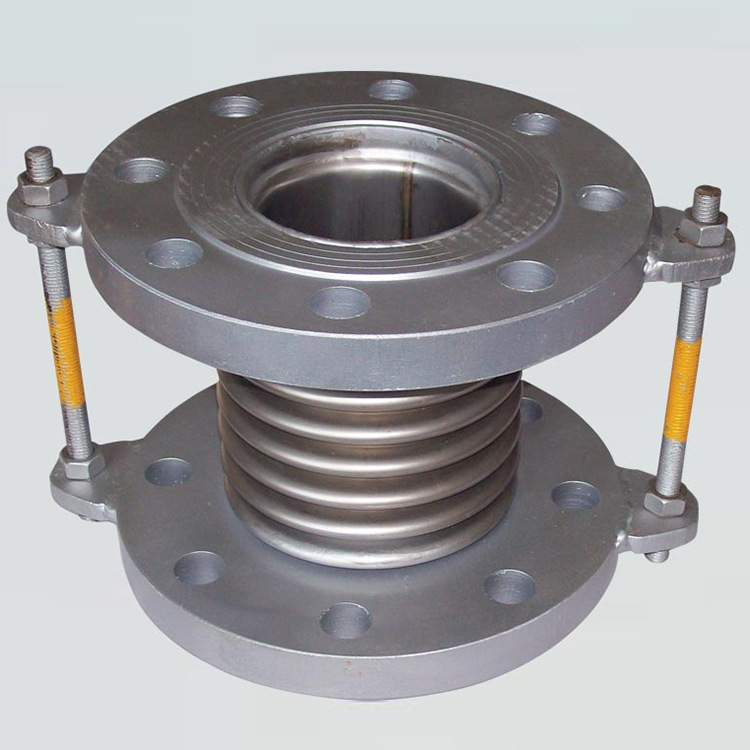
Introduction
12-inch Polyvinyl Chloride (PVC) pipe fittings represent a critical component in fluid conveyance systems across diverse industrial applications. These fittings, typically used with Schedule 40 or Schedule 80 PVC pipe, provide connections for pipelines transporting water, wastewater, chemicals, and other fluids. Their prevalence stems from a combination of cost-effectiveness, corrosion resistance, and relatively simple installation procedures. Within the broader piping industry chain, 12-inch PVC fittings occupy a downstream position, reliant on the production of PVC resin and subsequent extrusion of the pipe itself. Core performance characteristics center around maintaining pressure integrity, ensuring leak-proof joints, and resisting chemical degradation based on the transported fluid. A key pain point for industry users is ensuring consistent dimensional accuracy to avoid installation challenges and potential system failures, alongside long-term durability in harsh operating environments.
Material Science & Manufacturing
The fundamental material for 12-inch PVC pipe fittings is PVC resin, primarily produced from Vinyl Chloride Monomer (VCM). PVC is an amorphous thermoplastic known for its excellent chemical resistance, low cost, and relative ease of processing. Additives such as stabilizers (typically lead-based or calcium-zinc based), plasticizers (phthalates or alternatives), and lubricants are incorporated during compounding to enhance properties like impact resistance, flexibility, and processability. Manufacturing predominantly employs injection molding. Granulated PVC compound is fed into an injection molding machine, heated to its molten state (around 180-210°C), and then injected under high pressure into a precisely engineered mold. Cooling and ejection yield the finished fitting. Key process parameters requiring stringent control include melt temperature, injection pressure, cooling time, and mold temperature. Variations in these parameters can lead to defects like warpage, sink marks, or incomplete filling. For larger fittings like 12-inch elbows or tees, rotational molding can also be employed, offering advantages in wall thickness uniformity but typically lower production rates. Material property testing – including tensile strength (ASTM D638), impact resistance (ASTM D256), and hardness (ASTM D2240) – is crucial for quality control at each stage of manufacturing.

Performance & Engineering
The performance of 12-inch PVC pipe fittings is governed by several engineering principles. Pressure rating, a critical parameter, is determined by hoop stress calculations based on the fitting’s dimensions, PVC material properties (yield strength), and a safety factor. Standards like ASTM D1785 define pressure ratings based on temperature and schedule number (40 or 80). Environmental resistance, particularly UV degradation, is a significant concern. While PVC inherently possesses good UV resistance, prolonged exposure can cause embrittlement and cracking. UV stabilizers are incorporated into the compound, but coatings or burial are often recommended for extended outdoor service. Chemical compatibility dictates the suitability of PVC fittings for specific applications. PVC is generally resistant to acids, alkalis, and salts, but can be attacked by aromatic hydrocarbons, ketones, and chlorinated solvents. Engineering considerations also include thermal expansion and contraction, which can induce stress on joints. Expansion loops or flexible joints are often incorporated into pipeline designs to accommodate these movements. Finite Element Analysis (FEA) is routinely employed to simulate stress distribution under various loading conditions, optimizing fitting geometry and ensuring structural integrity. Compliance requirements are dictated by local building codes and industry standards, often referencing ASTM or NSF standards for potable water applications.
Technical Specifications
| Parameter | Schedule 40 (Imperial) | Schedule 80 (Imperial) | Metric (DN300, PN10) |
|---|---|---|---|
| Nominal Pipe Size | 12 inches | 12 inches | DN300 (300 mm) |
| Outside Diameter | 12.625 inches | 12.625 inches | 323.9 mm |
| Wall Thickness | 0.154 inches | 0.218 inches | 3.9 mm (PN10) |
| Pressure Rating @ 73°F | 400 PSI | 600 PSI | 6.9 bar (PN10) |
| Material | PVC (Type I, Grade 1) | PVC (Type I, Grade 1) | PVC-U |
| Operating Temperature Range | -40°F to 140°F | -40°F to 140°F | -10°C to 60°C |
Failure Mode & Maintenance
12-inch PVC pipe fittings are susceptible to several failure modes. Brittle fracture, especially at low temperatures or due to impact, is a common concern. Long-term creep, a time-dependent deformation under sustained load, can occur, particularly in Schedule 40 fittings under high pressure. Chemical attack, as previously mentioned, can lead to degradation and reduced mechanical properties. UV degradation causes embrittlement and surface cracking, diminishing structural integrity. A significant failure mode is joint failure, arising from improper solvent welding techniques (insufficient cement, inadequate surface preparation), or thermal stress. Fatigue cracking can occur in fittings subjected to cyclical pressure fluctuations. Maintenance strategies include regular visual inspections for cracks, leaks, or discoloration. Joints should be re-examined periodically, particularly in high-stress applications. For UV-exposed fittings, periodic application of UV-protective coatings is recommended. In case of a leak, the affected fitting should be replaced using proper solvent welding procedures. Preventative maintenance, including pressure testing and ensuring adequate support for the pipeline, can significantly extend the service life of PVC fittings. Non-destructive testing (NDT) methods, such as ultrasonic testing, can be employed for critical applications to detect internal flaws or delamination.
Industry FAQ
Q: What is the primary difference between Schedule 40 and Schedule 80 PVC fittings, and when should each be used?
A: The primary difference lies in wall thickness. Schedule 80 fittings have a thicker wall than Schedule 40 fittings, resulting in higher pressure ratings and increased resistance to impact. Schedule 40 is generally suitable for lower-pressure applications, such as irrigation or drainage systems. Schedule 80 is preferred for higher-pressure applications, industrial processes, or situations where increased mechanical strength is required. Cost is also a factor; Schedule 80 fittings are typically more expensive.
Q: How important is surface preparation before solvent welding PVC fittings, and what are the key steps?
A: Surface preparation is critical for a successful solvent weld. Improper preparation is the leading cause of joint failures. Key steps include: 1) Cleaning the pipe and fitting surfaces with a PVC cleaner/primer to remove dirt, oil, and grease. 2) Deburring the pipe ends to ensure a smooth, square edge. 3) Dry-fitting the components to verify proper alignment and fit. 4) Applying PVC cement evenly to both the pipe and fitting surfaces. Insufficient cleaning or improper cement application will result in a weak, unreliable joint.
Q: What measures can be taken to mitigate the effects of UV exposure on PVC fittings?
A: Several measures can be taken. First, using PVC compounds formulated with UV stabilizers is essential. Second, painting the fittings with a UV-resistant coating provides an additional layer of protection. Third, burying the fittings below ground or providing shielding from direct sunlight are effective strategies. Regular inspection for surface cracking is also important. For prolonged exposure, consider using alternative materials with inherently better UV resistance.
Q: What are the common chemicals that PVC fittings are not compatible with?
A: PVC fittings are susceptible to degradation by aromatic hydrocarbons (benzene, toluene), ketones (acetone, MEK), chlorinated solvents (methylene chloride, chloroform), and esters. Prolonged exposure to these chemicals can cause swelling, softening, or cracking. It is crucial to consult a chemical compatibility chart before using PVC fittings in applications involving potentially corrosive substances.
Q: How does temperature affect the pressure rating of 12-inch PVC fittings?
A: As temperature increases, the pressure rating of PVC fittings decreases. This is because PVC loses strength and stiffness at elevated temperatures. Pressure ratings specified by standards like ASTM D1785 are typically based on a reference temperature of 73°F (23°C). Derating factors are applied to the pressure rating for higher operating temperatures. Consult the manufacturer's specifications or relevant standards for accurate derating information.
Conclusion
12-inch PVC pipe fittings provide a robust and cost-effective solution for fluid conveyance in a wide range of industrial applications. Understanding the underlying material science, manufacturing processes, and engineering principles governing their performance is critical for ensuring long-term reliability and preventing premature failure. Careful consideration of operating conditions, chemical compatibility, and proper installation techniques are paramount to maximizing service life.
The ongoing development of enhanced PVC formulations, incorporating advanced UV stabilizers and impact modifiers, is continually expanding the application range of these fittings. Further research into alternative plasticizers and sustainable manufacturing practices will address growing environmental concerns. Proper lifecycle cost analysis, including preventative maintenance, remains a crucial factor in optimizing the overall value proposition of 12-inch PVC pipe fitting systems.
-
Top Reasons to Choose a Stainless Steel Flange Check Valve for Industrial Applications
-
electric check valve Performance Engineering
-
electric check valves Performance Analysis
-
Threaded Check Valves Performance Analysis
-
6 inch check valve Performance Analysis
-
8 check valve Performance Analysis
-
diaphragm check valve Material Science Manufacturing
-
dual plate check valve Performance Analysis
-
check valve 6 inch Material Science
-
diaphragm check valves Performance Analysis
-
dual plate check valves Performance Analysis
-
vertical check valves Material Science Manufacturing
-
8 check valves Performance Analysis
-
refrigeration check valves Performance Analysis
-
pilot check valve Performance Analysis
 Afrikaans
 Albanian
 Amharic
 Arabic
 Armenian
 Azerbaijani
 Basque
 Belarusian
 Bengali
 Bosnian
 Bulgarian
 Catalan
 Cebuano
 Corsican
 Croatian
 Czech
Czech
 Danish
 Dutch
Dutch
 Esperanto
 Estonian
 Finnish
 French
 Frisian
 Galician
 Georgian
 German
 Greek
Greek
 Gujarati
 Haitian Creole
 Hausa
Hawaiian
Hausa
Hawaiian
 Hebrew
 Hindi
Hindi
 Miao
Miao
 Hungarian
 Icelandic
 Igbo
Igbo
 Indonesian
 Irish
Irish
 Italian
 Japanese
 Javanese
Kannada
Javanese
Kannada
 Kazakh
 Khmer
Khmer
 Rwandese
 Korean
 Kurdish
 Kyrgyz
 Lao
Lao
 Latin
Latin
 Latvian
 Lithuanian
 Luxembourgish
 Macedonian
 Malgashi
 Malay
Malay
 Malayalam
 Maltese
 Maori
Maori
 Marathi
 Mongolian
 Myanmar
 Nepali
 Norwegian
 Norwegian
 Occitan
 Pashto
 Persian
 Polish
 Portuguese
Punjabi
Portuguese
Punjabi
 Romanian
 Russian
 Samoan
 Scottish Gaelic
 Serbian
 Sesotho
 Shona
Shona
 Sindhi
 Sinhala
 Slovak
 Slovenian
 Somali
 Spanish
 Sundanese
 Swahili
 Swedish
Tagalog
Swedish
Tagalog
 Tajik
Tajik
 Tamil
Tamil
 Tatar
Tatar
 Telugu
 Thai
Thai
 Turkish
 Turkmen
 Ukrainian
 Urdu
Urdu
 Uighur
 Uzbek
Uzbek
 Vietnamese
 Welsh
Welsh
 Bantu
Bantu
 Yiddish
 Yoruba
 Zulu
Zulu
 English