




45 degree pipe fitting Performance Analysis

Introduction
A 45-degree pipe fitting is an essential component in piping systems used to change the direction of fluid flow by 45 degrees. These fittings are integral to a multitude of industries, including oil and gas, chemical processing, water treatment, and HVAC, serving as a crucial element in constructing complex piping networks. Positioned within the broader piping component supply chain, they bridge the gap between straight pipe sections, valves, and other equipment. Their core performance characteristics revolve around maintaining pressure integrity, minimizing flow restriction, and ensuring long-term durability in diverse operational environments. The selection criteria are heavily influenced by the fluid being conveyed, operating temperature, pressure levels, and material compatibility requirements. A key industry pain point centers around ensuring consistent dimensional accuracy and weldability to prevent leaks and system failures, demanding rigorous quality control throughout the manufacturing process.
Material Science & Manufacturing
45-degree pipe fittings are commonly manufactured from carbon steel (ASTM A53 Grade B, API 5L), stainless steel (304/304L, 316/316L – ASTM A358), alloy steel (ASTM A335 P11, P22), and occasionally plastics like PVC or CPVC for lower-pressure applications. Carbon steel offers a balance of strength and cost-effectiveness, while stainless steel provides superior corrosion resistance. Alloy steels are selected for high-temperature and high-pressure service. The manufacturing processes primarily involve forging, machining, and welding. Forging establishes the initial shape, followed by CNC machining to achieve precise dimensional tolerances and smooth surface finishes. Welding, typically using processes like Shielded Metal Arc Welding (SMAW), Gas Tungsten Arc Welding (GTAW/TIG), or Submerged Arc Welding (SAW), joins the formed components. Key parameters during welding include pre-heat temperature (to prevent cracking in carbon steels), weld bead geometry, and cooling rate. Post-weld heat treatment (PWHT) is often implemented to relieve residual stresses and enhance mechanical properties. Non-destructive testing (NDT) methods like Radiographic Testing (RT), Ultrasonic Testing (UT), and Liquid Penetrant Testing (PT) are vital for ensuring weld integrity. Material compatibility is paramount; for example, using carbon steel fittings in systems carrying corrosive fluids will lead to premature failure. The microstructure of forged carbon steel fittings requires careful control to avoid grain boundary segregation and ensure adequate ductility.
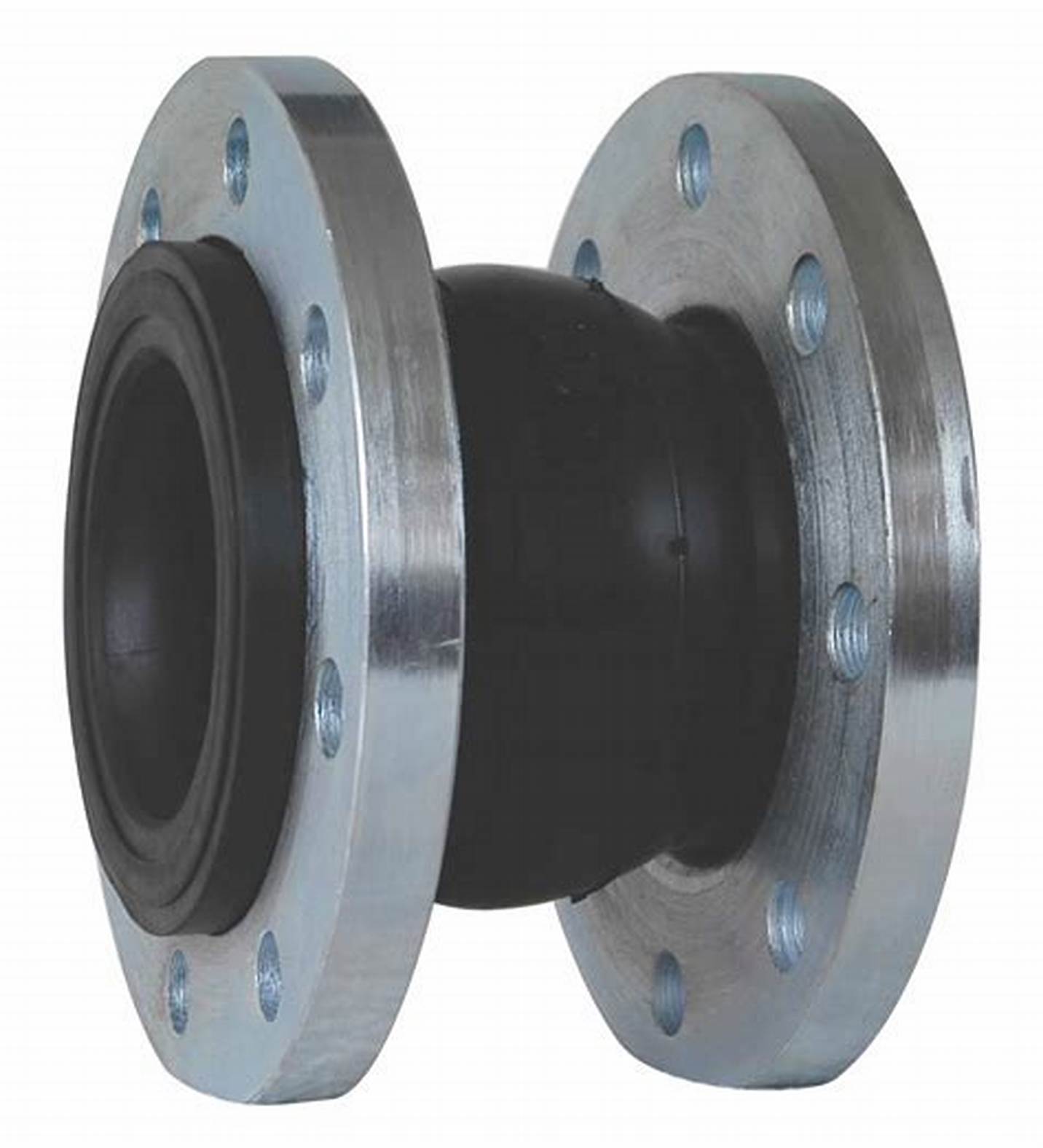
Performance & Engineering
The performance of a 45-degree pipe fitting is largely dictated by its ability to withstand internal pressure, external loads, and cyclical stress. Force analysis is crucial; the fitting must be designed to handle the hoop stress induced by internal pressure, bending moments from misalignment, and loads from connected piping. Environmental resistance is also critical. In corrosive environments, material selection plays a key role. Stainless steel alloys with high molybdenum content are preferred for chloride-rich environments. Temperature variations cause thermal expansion and contraction, which introduce stresses at the fitting-pipe interface. Expansion loops and properly designed supports are essential to mitigate these stresses. Compliance requirements depend on the specific industry and application. For example, ASME B31.3 covers piping systems in the petrochemical industry, while ASME B31.1 addresses power piping. Functional implementation involves ensuring a smooth flow path to minimize pressure drop. The internal geometry of the fitting, including the radius of curvature at the bend, significantly impacts flow characteristics. Computational Fluid Dynamics (CFD) analysis is often used to optimize fitting design for minimal flow resistance. Fatigue analysis is also critical for applications involving fluctuating pressures and temperatures, predicting the fitting’s lifespan under cyclic loading.
Technical Specifications
| Parameter | Carbon Steel (A53 Gr. B) | Stainless Steel (304/304L) | Alloy Steel (A335 P11) | PVC Schedule 40 |
|---|---|---|---|---|
| Nominal Pipe Size (NPS) | 1/2" to 48" | 1/2" to 48" | 1/2" to 48" | 1/2" to 4" |
| Pressure Rating (ANSI/ASME) | 150#, 300#, 600# | 150#, 300#, 600# | 150#, 300#, 600# | Schedule 40 (varies with temperature) |
| Material | ASTM A53 Grade B | ASTM A358 Type 304/304L | ASTM A335 P11 | PVC |
| Wall Thickness | Schedule 40, 80, 160 | Schedule 40, 80, 160 | Schedule 40, 80, 160 | Schedule 40 |
| Maximum Operating Temperature | 750°F (400°C) | 850°F (454°C) | 1000°F (538°C) | 140°F (60°C) |
| Tensile Strength (Minimum) | 70,000 PSI | 75,000 PSI | 85,000 PSI | 6,700 PSI |
Failure Mode & Maintenance
Common failure modes for 45-degree pipe fittings include corrosion (particularly in carbon steel), erosion (due to high-velocity fluids), fatigue cracking (from cyclical loading), and weld defects (porosity, inclusions, incomplete fusion). Galvanic corrosion can occur when dissimilar metals are joined in a conductive environment. Stress corrosion cracking (SCC) is a concern in chloride-containing environments, especially with stainless steels. Failure analysis typically involves visual inspection, non-destructive testing, and metallographic examination of fractured surfaces. Maintenance strategies include regular visual inspections for signs of corrosion or damage, periodic non-destructive testing of welds, and preventative replacement based on operating conditions and service life. Internal cleaning to remove debris and scale can prevent erosion. For carbon steel fittings, applying protective coatings (epoxy, polyurethane) can significantly enhance corrosion resistance. Proper torque application during installation is crucial to avoid over-tightening or under-tightening, which can lead to leaks or premature failure. Record-keeping of inspections, repairs, and replacements is essential for tracking performance and identifying potential systemic issues.
Industry FAQ
Q: What is the impact of wall thickness on the pressure rating of a 45-degree pipe fitting?
A: Wall thickness is directly proportional to the pressure rating. A thicker wall provides greater resistance to hoop stress induced by internal pressure. Increasing the wall thickness allows the fitting to withstand higher pressures, but also increases the weight and cost. Pressure ratings are typically defined by ANSI/ASME standards, which specify minimum wall thicknesses for different sizes and pressure classes.
Q: How does the radius of the bend affect pressure drop across the fitting?
A: A tighter radius of bend increases flow turbulence and consequently increases pressure drop. A larger radius bend offers a smoother flow path and minimizes pressure loss. Optimizing the bend radius is a key consideration in fitting design, particularly in applications where minimizing pressure drop is critical. CFD analysis can be used to determine the optimal bend radius for specific flow conditions.
Q: What are the key considerations when welding dissimilar metals in a 45-degree fitting assembly?
A: Welding dissimilar metals requires careful selection of filler metal to avoid forming brittle intermetallic compounds. The thermal expansion coefficients of the two metals must also be considered to minimize residual stresses. Galvanic corrosion potential should be assessed, and appropriate corrosion protection measures implemented. Pre-heating and post-weld heat treatment are often necessary to control the microstructure and mechanical properties of the weld.
Q: How do you determine the appropriate material for a fitting exposed to a specific corrosive fluid?
A: Material selection requires a thorough understanding of the corrosive environment, including the chemical composition, concentration, temperature, and flow rate of the fluid. Corrosion resistance charts and material compatibility databases can provide guidance. Laboratory testing, such as immersion tests and electrochemical measurements, may be necessary to verify material performance. For highly corrosive environments, specialized alloys like Hastelloy or Inconel may be required.
Q: What is the role of non-destructive testing (NDT) in ensuring the quality of welded pipe fittings?
A: NDT methods, such as Radiographic Testing (RT), Ultrasonic Testing (UT), and Liquid Penetrant Testing (PT), are used to detect internal and surface defects in welds without damaging the component. RT reveals internal flaws like porosity and inclusions, while UT detects subsurface defects. PT identifies surface cracks and discontinuities. NDT is a critical step in quality control, ensuring that welds meet specified acceptance criteria and maintain structural integrity.
Conclusion
The 45-degree pipe fitting, while seemingly simple, is a critical component demanding careful consideration of material science, manufacturing precision, and rigorous performance analysis. Its functionality is inextricably linked to the broader piping system's integrity and efficiency. Selecting the appropriate material, employing robust manufacturing processes, and adhering to industry standards are paramount to preventing premature failure and ensuring long-term reliability.
Moving forward, advancements in materials science and welding technologies will continue to refine the performance characteristics of these fittings. Greater emphasis on predictive maintenance, enabled by sensor technologies and data analytics, will further optimize their lifespan and minimize downtime. Continued adherence to stringent quality control measures and international standards will remain foundational to maintaining the integrity of piping systems across diverse industrial applications.
-
Top Reasons to Choose a Stainless Steel Flange Check Valve for Industrial Applications
-
teejet check valve Performance Analysis
-
8 inch check valve Performance Analysis
-
wafer style check valves Performance Analysis
-
3 4 spring check valve Performance Analysis
-
butterfly check valves Performance Analysis
-
electric check valve Performance Engineering
-
electric check valves Performance Analysis
-
Threaded Check Valves Performance Analysis
-
6 inch check valve Performance Analysis
-
8 check valve Performance Analysis
-
diaphragm check valve Material Science Manufacturing
-
dual plate check valve Performance Analysis
-
check valve 6 inch Material Science
-
diaphragm check valves Performance Analysis
 Afrikaans
 Albanian
 Amharic
 Arabic
 Armenian
 Azerbaijani
 Basque
 Belarusian
 Bengali
 Bosnian
 Bulgarian
 Catalan
 Cebuano
 Corsican
 Croatian
 Czech
Czech
 Danish
 Dutch
Dutch
 Esperanto
 Estonian
 Finnish
 French
 Frisian
 Galician
 Georgian
 German
 Greek
Greek
 Gujarati
 Haitian Creole
 Hausa
Hawaiian
Hausa
Hawaiian
 Hebrew
 Hindi
Hindi
 Miao
Miao
 Hungarian
 Icelandic
 Igbo
Igbo
 Indonesian
 Irish
Irish
 Italian
 Japanese
 Javanese
Kannada
Javanese
Kannada
 Kazakh
 Khmer
Khmer
 Rwandese
 Korean
 Kurdish
 Kyrgyz
 Lao
Lao
 Latin
Latin
 Latvian
 Lithuanian
 Luxembourgish
 Macedonian
 Malgashi
 Malay
Malay
 Malayalam
 Maltese
 Maori
Maori
 Marathi
 Mongolian
 Myanmar
 Nepali
 Norwegian
 Norwegian
 Occitan
 Pashto
 Persian
 Polish
 Portuguese
Punjabi
Portuguese
Punjabi
 Romanian
 Russian
 Samoan
 Scottish Gaelic
 Serbian
 Sesotho
 Shona
Shona
 Sindhi
 Sinhala
 Slovak
 Slovenian
 Somali
 Spanish
 Sundanese
 Swahili
 Swedish
Tagalog
Swedish
Tagalog
 Tajik
Tajik
 Tamil
Tamil
 Tatar
Tatar
 Telugu
 Thai
Thai
 Turkish
 Turkmen
 Ukrainian
 Urdu
Urdu
 Uighur
 Uzbek
Uzbek
 Vietnamese
 Welsh
Welsh
 Bantu
Bantu
 Yiddish
 Yoruba
 Zulu
Zulu
 English