




carbon steel needle valve Performance Engineering
Introduction
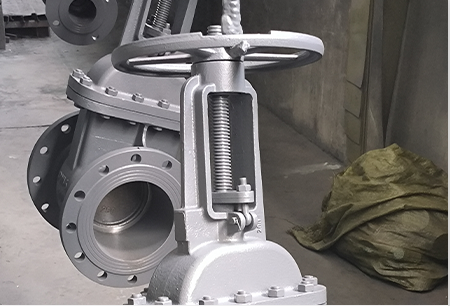
Carbon steel needle valves are precision flow control devices integral to numerous industrial processes, acting as components within larger fluid control systems. Positioned within the instrumentation and process control chain, they regulate flow rates with high accuracy, especially in applications demanding tight shut-off. Unlike gate or globe valves, needle valves utilize a tapered needle-shaped disc moving within a matching seat, enabling precise throttling. Their construction primarily employs carbon steel, offering a balance of cost-effectiveness and mechanical strength. Core performance characteristics include Cv (flow coefficient), pressure drop across the valve, and leak tightness, all of which are critical for maintaining process stability and safety. The primary industry pain point addressed by these valves is the need for granular flow control where larger valves are impractical or introduce undesirable turbulence. Their application spans a wide range of industries, including chemical processing, oil & gas, hydraulic systems, and instrumentation.
Material Science & Manufacturing
The dominant material in carbon steel needle valve construction is, as the name suggests, carbon steel – typically ASTM A105, known for its good machinability, weldability, and tensile strength. The specific carbon content impacts hardness and ductility; higher carbon content increases hardness but reduces weldability. The body is commonly manufactured through forging followed by precision machining to achieve the required internal profiles. The needle and seat – the most critical components – demand stringent material selection and surface finishing. Common seat materials include PTFE, PEEK, and hardened steel alloys. The manufacturing process for the needle involves turning, grinding, and lapping to achieve a smooth, conical surface, ensuring tight sealing. Weldability is a crucial aspect, particularly for valves intended for high-pressure applications, with procedures often adhering to ASME Section IX standards. Surface treatments like zinc plating or epoxy coating provide corrosion resistance. Critical parameters during manufacturing include dimensional accuracy of the needle and seat, surface roughness (Ra), and the concentricity of the needle within the body. Failure to control these parameters leads to leakage and reduced valve lifespan. Chemical compatibility between the carbon steel body and the process fluid must also be considered, especially in corrosive environments; potential galvanic corrosion necessitates the use of compatible materials or protective coatings.
Performance & Engineering
The performance of a carbon steel needle valve is governed by fluid dynamics and mechanical stress. Force analysis centers on the force required to actuate the needle, influenced by fluid pressure and the needle's geometry. Environmental resistance, particularly to temperature and pressure fluctuations, is a key engineering consideration. Valves are typically designed and tested according to standards like ANSI/FCI 70-2. Compliance requirements include pressure testing (hydrostatic and pneumatic) to verify structural integrity, and leak testing to ensure zero or minimal leakage. The Cv value, representing the flow capacity, is determined through empirical testing and is crucial for selecting the appropriate valve size for a given application. The valve’s seat design impacts its shut-off capability; tighter tolerances and materials like PTFE offer superior sealing. Failure analysis reveals that thermal expansion and contraction can introduce stresses, potentially leading to seat deformation and leakage. Therefore, material selection must consider the operating temperature range. Furthermore, the valve’s susceptibility to cavitation and erosion must be evaluated based on the fluid properties and flow velocity. Proper valve installation – ensuring correct orientation and support – is essential for preventing vibration and fatigue failure. The valve's body thickness is engineered to withstand the maximum allowable pressure based on ASME B16.34 standards.
Technical Specifications
| Parameter | Unit | Typical Value | Standard Compliance |
|---|---|---|---|
| Maximum Working Pressure | psi | 6000 | ASME B16.34 |
| Temperature Range | °F | -60 to 450 | ASTM A105 |
| Cv Value (1/4" Valve, Full Open) | GPM | 0.35 | FCI 70-2 |
| Connection Type | - | NPT, BSPT, Socket Weld | ANSI/ASME |
| Seat Material | - | PTFE, PEEK, Stainless Steel | - |
| Body Material | - | ASTM A105 Carbon Steel | ASTM A105 |
Failure Mode & Maintenance
Carbon steel needle valves are susceptible to several failure modes. Fatigue cracking can occur in the stem due to repeated cycling, exacerbated by improper installation or excessive force. Delamination of the seat material, particularly PTFE, arises from thermal cycling or chemical attack, leading to leakage. Corrosion, both uniform and galvanic, weakens the valve body, particularly in aggressive environments. Erosion of the needle and seat occurs with abrasive fluids or high-velocity flow. Oxidation, especially at elevated temperatures, can lead to scaling and reduced sealing effectiveness. A common failure is blockage caused by particulate matter in the fluid stream. Maintenance procedures include regular inspection for leakage, lubrication of the stem threads, and replacement of the seat and packing. Preventative maintenance should involve periodic testing of the valve's functionality and documentation of performance metrics. For corrosion-related failures, implementing corrosion inhibitors or switching to a more corrosion-resistant material (e.g., stainless steel) is recommended. When dismantling the valve for repair, strict adherence to safety procedures is essential, including depressurization and lockout/tagout protocols. The use of proper tools and torque specifications is crucial to prevent damage during reassembly. Periodic hydrostatic testing verifies the valve’s continued structural integrity.
Industry FAQ
Q: What is the primary difference between a needle valve and a ball valve in terms of flow control precision?
A: Ball valves provide on/off functionality with minimal throttling capability. Needle valves, due to their tapered needle and seat design, offer significantly more precise flow control, allowing for fine adjustments to flow rates. While a ball valve is suited for quick shut-off, a needle valve is preferable when a specific, controlled flow rate is required.
Q: How does the choice of seat material impact the valve’s suitability for different fluids?
A: The seat material dictates chemical compatibility. PTFE is widely used for its broad chemical resistance but has limited temperature capability. PEEK offers higher temperature resistance and better mechanical strength. Hardened steel alloys are suitable for high-pressure and high-temperature applications but may not be compatible with corrosive fluids. Proper material selection prevents degradation and leakage.
Q: What are the typical causes of leakage in a carbon steel needle valve?
A: Common causes include wear or damage to the needle and seat, delamination of the seat material, corrosion affecting the sealing surfaces, and improper tightening of the packing gland. Foreign particles can also prevent a tight seal. Regular inspection and maintenance can mitigate these issues.
Q: What is the significance of the Cv value when selecting a needle valve?
A: The Cv value represents the valve’s flow capacity. It’s crucial for ensuring the valve can handle the required flow rate without excessive pressure drop. An undersized valve will restrict flow, while an oversized valve will be difficult to control precisely. Cv must be matched to the system's flow demands.
Q: What precautions should be taken when using a carbon steel needle valve with corrosive fluids?
A: Employ corrosion-resistant coatings on the valve body. Consider using a different seat material compatible with the fluid (e.g., PEEK instead of PTFE). Implement corrosion inhibitors in the fluid stream. Regularly inspect the valve for signs of corrosion and replace components as needed. Proper material selection is paramount.
Conclusion
Carbon steel needle valves represent a vital component in precise fluid control systems, offering a robust and cost-effective solution for applications demanding granular flow regulation. Their performance hinges on careful material selection, meticulous manufacturing processes, and adherence to industry standards. Understanding the potential failure modes – ranging from fatigue cracking and corrosion to seat degradation – is critical for implementing effective preventative maintenance strategies and ensuring long-term reliability.
The continued evolution of needle valve technology is focused on enhancing sealing performance, broadening material compatibility, and integrating smart functionalities for remote monitoring and control. Further advancements in surface treatments and additive manufacturing promise to deliver even more durable and customized solutions, addressing the increasingly complex demands of modern industrial processes. Optimizing valve selection based on a thorough understanding of application-specific requirements remains the cornerstone of effective system design.
-
Top Reasons to Choose a Stainless Steel Flange Check Valve for Industrial Applications
-
12 inch check valve Performance Analysis
-
lift check valves Performance Engineering
-
check valve 12 inch Performance Analysis
-
stop check valve Performance Analysis
-
check stop valve Performance Analysis
-
stop check valves Performance Analysis
-
pilot operated check valve Performance Analysis
-
spring loaded check valve Material Science Manufacturing
-
pilot operated check valves Performance Analysis
-
check valve pilot operated Performance Analysis
-
1 4 in check valve Performance Engineering
-
check valve 3 4 Performance Analysis
-
11 2 check valve Performance Analysis
-
spring check valve Material Science Manufacturing
 Afrikaans
 Albanian
 Amharic
 Arabic
 Armenian
 Azerbaijani
 Basque
 Belarusian
 Bengali
 Bosnian
 Bulgarian
 Catalan
 Cebuano
 Corsican
 Croatian
 Czech
Czech
 Danish
 Dutch
Dutch
 Esperanto
 Estonian
 Finnish
 French
 Frisian
 Galician
 Georgian
 German
 Greek
Greek
 Gujarati
 Haitian Creole
 Hausa
Hawaiian
Hausa
Hawaiian
 Hebrew
 Hindi
Hindi
 Miao
Miao
 Hungarian
 Icelandic
 Igbo
Igbo
 Indonesian
 Irish
Irish
 Italian
 Japanese
 Javanese
Kannada
Javanese
Kannada
 Kazakh
 Khmer
Khmer
 Rwandese
 Korean
 Kurdish
 Kyrgyz
 Lao
Lao
 Latin
Latin
 Latvian
 Lithuanian
 Luxembourgish
 Macedonian
 Malgashi
 Malay
Malay
 Malayalam
 Maltese
 Maori
Maori
 Marathi
 Mongolian
 Myanmar
 Nepali
 Norwegian
 Norwegian
 Occitan
 Pashto
 Persian
 Polish
 Portuguese
Punjabi
Portuguese
Punjabi
 Romanian
 Russian
 Samoan
 Scottish Gaelic
 Serbian
 Sesotho
 Shona
Shona
 Sindhi
 Sinhala
 Slovak
 Slovenian
 Somali
 Spanish
 Sundanese
 Swahili
 Swedish
Tagalog
Swedish
Tagalog
 Tajik
Tajik
 Tamil
Tamil
 Tatar
Tatar
 Telugu
 Thai
Thai
 Turkish
 Turkmen
 Ukrainian
 Urdu
Urdu
 Uighur
 Uzbek
Uzbek
 Vietnamese
 Welsh
Welsh
 Bantu
Bantu
 Yiddish
 Yoruba
 Zulu
Zulu
 English