




china 11 2 check valve Performance Analysis
Introduction
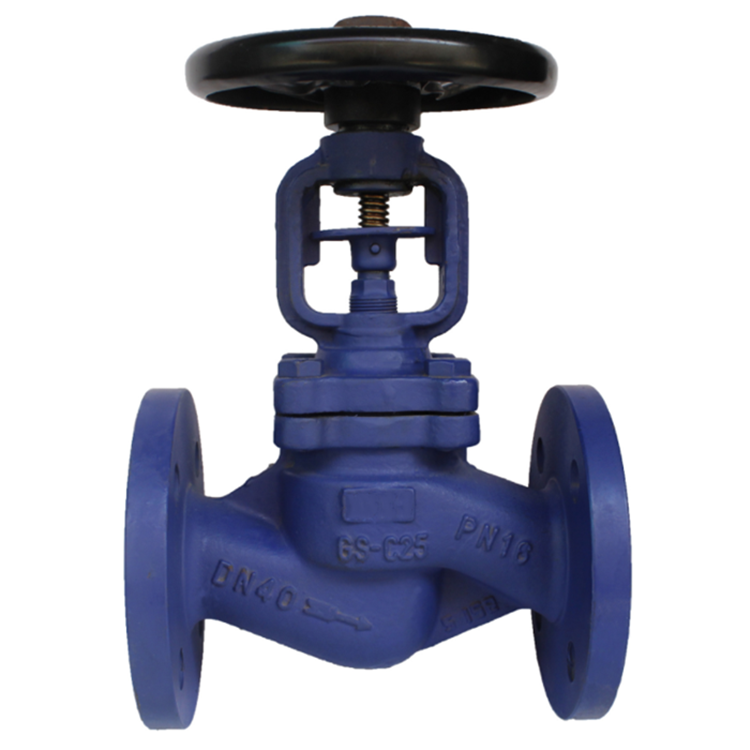
The 11 2 check valve, manufactured in China, is a critical component in fluid handling systems, designed to prevent backflow and maintain unidirectional flow of liquids or gases. Positioned within the broader industrial valve chain, it serves as a final control element protecting pumps, compressors, and other sensitive equipment. Its core performance characteristics are defined by its leak tightness, pressure drop, flow capacity, and resistance to the corrosive properties of the transported medium. The increasing demands for process efficiency and safety across diverse industries – including water treatment, oil & gas, chemical processing, and power generation – are driving the need for robust and reliable check valve solutions. A key industry pain point lies in balancing cost-effectiveness with long-term durability, particularly in applications involving abrasive fluids or extreme temperatures. This guide provides a detailed technical overview of the 11 2 check valve, encompassing material science, manufacturing processes, performance considerations, failure analysis, and applicable industry standards.
Material Science & Manufacturing
The body of a typical 11 2 check valve is frequently constructed from cast iron (ASTM A126 Grade B), ductile iron (ASTM A536 65-45-12), or stainless steel (304/316 – ASTM A351 Grade CF8/CF8M). Cast iron offers a cost-effective solution for non-corrosive applications, but its lower tensile strength and susceptibility to corrosion limit its use in harsh environments. Ductile iron provides enhanced strength and ductility, improving resistance to shock and vibration. Stainless steel is preferred for corrosive media due to its superior chemical resistance, although it comes at a higher material cost. The internal components – the disc and seat – are critical for sealing performance. Common materials include nitrile rubber (NBR), ethylene propylene diene monomer (EPDM), or polytetrafluoroethylene (PTFE). NBR offers good resistance to oil and fuels, while EPDM is suitable for water and steam applications. PTFE provides excellent chemical inertness and a low coefficient of friction, making it ideal for highly corrosive fluids. Manufacturing processes typically involve casting or forging of the valve body, followed by precision machining to ensure dimensional accuracy and smooth sealing surfaces. The disc is often produced via investment casting or stamping. Critical parameters during manufacturing include wall thickness control to withstand pressure fluctuations, surface finish of the sealing surfaces (Ra < 0.8 μm is typically required for leak-tightness), and concentricity of the disc and seat to ensure proper closure. Welding processes, if used for fabrication, must adhere to ASME Section IX standards to guarantee structural integrity.
Performance & Engineering
The performance of a 11 2 check valve is governed by several key engineering principles. The cracking pressure, defined as the minimum differential pressure required to initiate flow, is a crucial parameter. It is influenced by the disc weight, spring force (if applicable – swing check valves), and the sealing geometry. Flow capacity, often expressed as a Cv factor, determines the valve’s ability to pass fluid with minimal pressure drop. It is affected by the valve’s internal diameter, disc design, and flow regime (laminar or turbulent). Force analysis is essential to ensure the valve can withstand hydraulic forces generated by fluid flow and pressure surges. These forces can induce stress on the valve body and internal components, potentially leading to fatigue failure. Environmental resistance is a critical consideration. Exposure to high temperatures can degrade elastomeric seals, while exposure to corrosive fluids can cause material erosion or pitting. Compliance requirements vary depending on the application and geographical location. For example, valves used in potable water systems must comply with NSF/ANSI 61 standards to ensure they do not leach harmful contaminants. Valves intended for use in hazardous locations must meet ATEX or IECEx requirements for explosion protection. The selection of appropriate materials and the implementation of robust design principles are paramount to achieving reliable performance and meeting regulatory standards.
Technical Specifications
| Parameter | Specification (Typical) | Testing Standard | Units |
|---|---|---|---|
| Valve Size (DN) | 11 | ISO 4126 | mm |
| Maximum Operating Pressure (PN) | 16 | EN 1092-1 | bar |
| Temperature Range | -20 to 100 | ASTM E203 | °C |
| Material - Body | Ductile Iron (65-45-12) | ASTM A536 | - |
| Material - Disc | Stainless Steel 304 | ASTM A351 | - |
| Material - Seal | EPDM | ASTM D2000 | - |
| Leakage Rate | < 0.1 | API 598 | ml/min/mm |
Failure Mode & Maintenance
Common failure modes for 11 2 check valves include disc sticking due to debris accumulation, seat erosion from abrasive fluids, seal degradation from chemical attack or temperature extremes, and fatigue cracking from pressure cycling. Disc sticking prevents proper closure, leading to backflow and potential damage to downstream equipment. Seat erosion increases leakage and reduces the valve’s effectiveness. Seal degradation results in gradual leakage. Fatigue cracking, often initiated at stress concentration points (e.g., weld joints), can lead to catastrophic failure. Failure analysis should involve visual inspection for signs of corrosion, erosion, or cracking, as well as non-destructive testing (NDT) methods such as liquid penetrant testing (ASTM E165) or ultrasonic testing (ASTM E797). Preventive maintenance is crucial for extending valve lifespan. Regular inspection should be conducted to identify and address potential issues before they escalate. Periodic cleaning to remove debris is essential, especially in systems handling dirty fluids. Lubrication of moving parts (if applicable) can reduce friction and prevent sticking. Replacement of worn seals and gaskets should be performed according to the manufacturer’s recommendations. For valves operating in corrosive environments, protective coatings (e.g., epoxy or polyurethane) can be applied to the valve body to enhance corrosion resistance.
Industry FAQ
Q: What is the impact of fluid velocity on check valve performance and longevity?
A: High fluid velocity can significantly increase the impact force on the disc and seat, accelerating erosion and potentially leading to premature failure. Excessive velocity can also cause water hammer, a pressure surge that can damage the valve body and internal components. Conversely, very low velocities can allow sediment to settle and accumulate, leading to disc sticking.
Q: How do different disc designs (swing, lift, tilting) affect the suitability of a check valve for specific applications?
A: Swing check valves are suitable for low to moderate velocity applications and are relatively simple in design. Lift check valves offer minimal pressure drop but are more prone to water hammer. Tilting disc check valves provide a balance between pressure drop and impact resistance and are often used in pulsating flow applications.
Q: What considerations should be taken when selecting a check valve for handling abrasive slurries?
A: For abrasive slurries, hardened materials such as stainless steel with a high chromium content or ceramic linings are essential to resist erosion. A larger flow area can reduce velocity and minimize abrasion. Frequent inspection and replacement of worn components are also crucial.
Q: How does the selection of seal material impact the chemical compatibility and operating temperature range of the check valve?
A: Seal material compatibility with the process fluid is paramount. Incompatible materials can swell, degrade, or dissolve, leading to leakage. The operating temperature range must also be considered, as elastomers have limited temperature resistance. PTFE offers the broadest chemical compatibility and temperature range but is generally more expensive.
Q: What are the key differences between wafer-type and flanged check valves, and when should each be used?
A: Wafer-type check valves are lightweight and cost-effective, suitable for low-pressure applications with limited space. They require bolting between flanges. Flanged check valves provide a more robust and leak-tight connection, ideal for high-pressure and critical applications. They are generally more expensive and heavier.
Conclusion
The 11 2 check valve, while seemingly a simple component, is a crucial element in maintaining fluid system integrity and operational safety. Its selection and proper implementation require a thorough understanding of material science, manufacturing processes, performance characteristics, and potential failure modes. Balancing cost, durability, and compliance with industry standards is paramount.
Continued advancements in valve design and material technology are focused on improving flow efficiency, extending service life, and reducing maintenance requirements. Predictive maintenance strategies, utilizing sensor-based monitoring of valve performance, are becoming increasingly prevalent, allowing for proactive interventions and minimizing the risk of unexpected failures.
-
3 inch flange Performance Analysis
-
Aluminum Flange Material Performance
-
Ring Joint Flange Performance Analysis
-
Square Flange Performance Analysis
-
Ring Joint Flanges Performance Analysis
-
Rubber Flanges Performance Analysis
-
Square Flanges Material Science Manufacturing
-
Hubbed Flange Performance Analysis
-
Flat Face Flange Performance Analysis
-
Ball Valve Flange Performance Analysis
-
flat face flanges Performance Analysis
-
Flat Faced Flange Performance Analysis
-
3 in flange Performance Analysis
-
2in flange Performance Analysis
-
Flat Faced Flanges Performance Analysis
 Afrikaans
 Albanian
 Amharic
 Arabic
 Armenian
 Azerbaijani
 Basque
 Belarusian
 Bengali
 Bosnian
 Bulgarian
 Catalan
 Cebuano
 Corsican
 Croatian
 Czech
Czech
 Danish
 Dutch
Dutch
 Esperanto
 Estonian
 Finnish
 French
 Frisian
 Galician
 Georgian
 German
 Greek
Greek
 Gujarati
 Haitian Creole
 Hausa
Hawaiian
Hausa
Hawaiian
 Hebrew
 Hindi
Hindi
 Miao
Miao
 Hungarian
 Icelandic
 Igbo
Igbo
 Indonesian
 Irish
Irish
 Italian
 Japanese
 Javanese
Kannada
Javanese
Kannada
 Kazakh
 Khmer
Khmer
 Rwandese
 Korean
 Kurdish
 Kyrgyz
 Lao
Lao
 Latin
Latin
 Latvian
 Lithuanian
 Luxembourgish
 Macedonian
 Malgashi
 Malay
Malay
 Malayalam
 Maltese
 Maori
Maori
 Marathi
 Mongolian
 Myanmar
 Nepali
 Norwegian
 Norwegian
 Occitan
 Pashto
 Persian
 Polish
 Portuguese
Punjabi
Portuguese
Punjabi
 Romanian
 Russian
 Samoan
 Scottish Gaelic
 Serbian
 Sesotho
 Shona
Shona
 Sindhi
 Sinhala
 Slovak
 Slovenian
 Somali
 Spanish
 Sundanese
 Swahili
 Swedish
Tagalog
Swedish
Tagalog
 Tajik
Tajik
 Tamil
Tamil
 Tatar
Tatar
 Telugu
 Thai
Thai
 Turkish
 Turkmen
 Ukrainian
 Urdu
Urdu
 Uighur
 Uzbek
Uzbek
 Vietnamese
 Welsh
Welsh
 Bantu
Bantu
 Yiddish
 Yoruba
 Zulu
Zulu
 English