




china 3 brass gate valve Performance Analysis

Introduction
The China 3 Brass Gate Valve is a critical component in fluid handling systems, primarily utilized for on/off control in pipelines across diverse industrial sectors including water treatment, chemical processing, and oil & gas. Positioned downstream of pumps and upstream of process equipment, it functions to isolate sections of a system for maintenance or to control fluid flow. Its designation ‘3’ refers to its pressure class, indicating a maximum allowable working pressure. Brass, specifically HPb59-1 (or equivalent, detailed in Section 2), is commonly selected for its corrosion resistance, machinability, and cost-effectiveness in non-critical applications. Core performance characteristics encompass leak-tight shutoff, minimal pressure drop in the fully open position, and durable operation within specified temperature and pressure limits. A significant industry pain point revolves around ensuring long-term corrosion resistance, particularly in applications involving varying water chemistries or the presence of aggressive chemicals. This guide provides an in-depth technical analysis of this valve, covering material science, manufacturing processes, performance parameters, failure modes, and relevant industry standards.
Material Science & Manufacturing
The body of the China 3 Brass Gate Valve is typically manufactured from HPb59-1 brass (CuZn60), conforming to EN1983 or ASTM B16. This alloy comprises approximately 60% copper and 40% zinc, offering a balance of strength, ductility, and corrosion resistance. Minor additions of lead (<0.2%) improve machinability but necessitate careful consideration regarding potable water applications due to lead leaching regulations. The wedge (gate) itself may be brass, bronze (CuSn alloys), or stainless steel (304/316) depending on the service fluid and temperature requirements. The seat, responsible for leak-tight closure, is often PTFE (Polytetrafluoroethylene) due to its excellent chemical inertness and low friction coefficient. Manufacturing typically involves investment casting for the body, followed by precision machining of internal surfaces, including the valve seat. The wedge is similarly cast and machined. Critical parameters include surface finish of the sealing surfaces (Ra < 0.8 µm for PTFE seats), dimensional accuracy of the bore to ensure smooth gate travel, and proper heat treatment (stress relieving) of the brass body to minimize residual stresses. The stem is often manufactured from stainless steel (410 or 304) and undergoes hardening to resist wear from repeated operation. Assembly involves careful torque control during bolting of the bonnet to the body to ensure proper compression of the packing gland, preventing stem leakage. Quality control encompasses hydrostatic testing (1.5 times the maximum working pressure), visual inspection for surface defects, and dimensional verification using coordinate measuring machines (CMM).
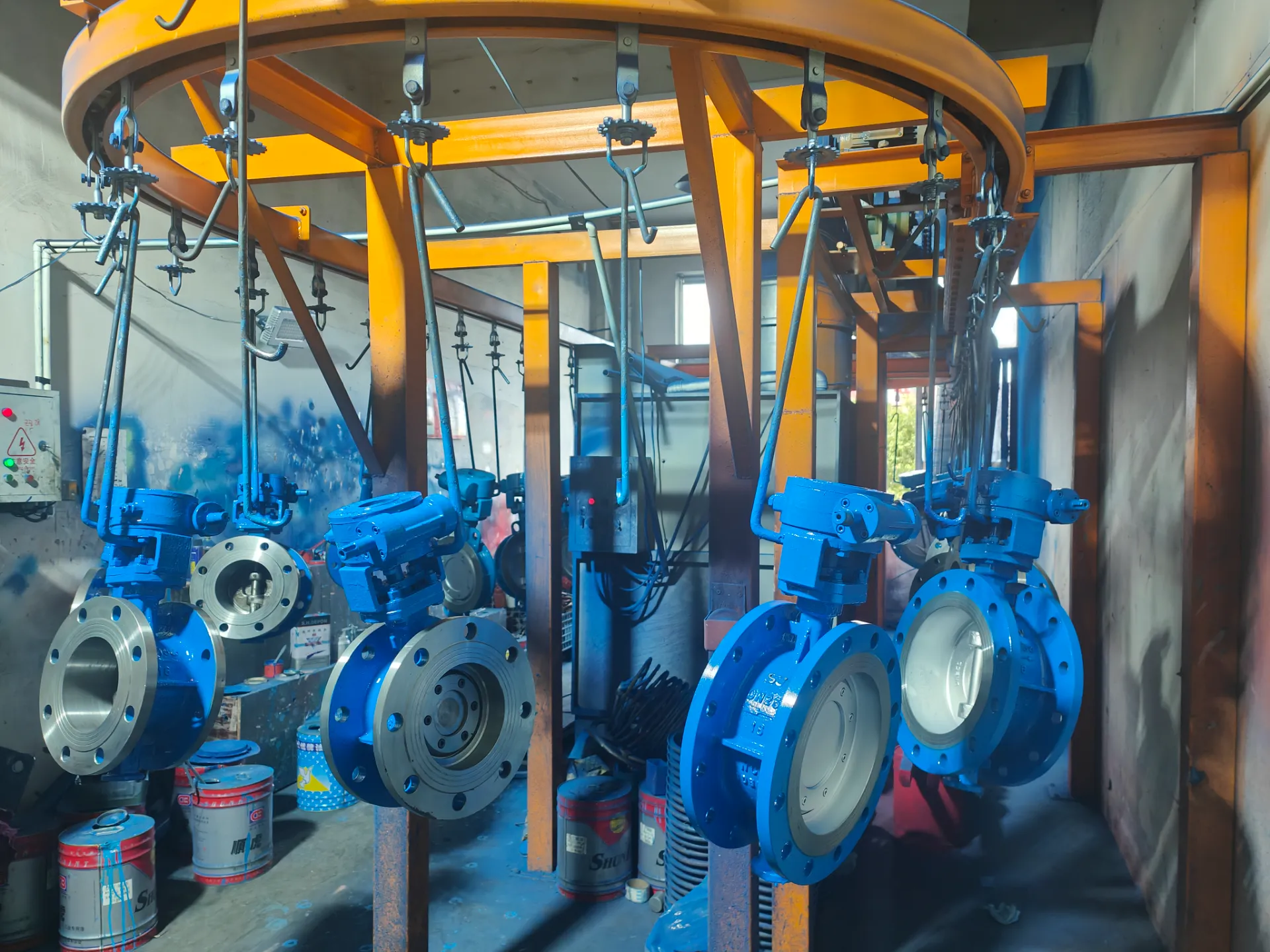
Performance & Engineering
The performance of the China 3 Brass Gate Valve is governed by several engineering principles. Force analysis focuses on the bonnet bolting stress, ensuring it withstands the internal pressure without yielding. The wedge design minimizes pressure drop in the open position, typically achieving a Cv (flow coefficient) value between 80 and 120 depending on the valve size. Environmental resistance is primarily determined by the brass alloy's corrosion properties; HPb59-1 exhibits good resistance to freshwater and mild chemical exposure, but is susceptible to dezincification in certain environments (e.g., high chloride concentrations). PTFE seats provide excellent chemical resistance but have a limited temperature range (-200°C to +260°C). The valve's shutoff capability is defined by its leakage class, typically Class VI (bubble-tight) according to ANSI/FCI 70-2. Compliance requirements include adherence to pressure vessel directives (PED – Pressure Equipment Directive 2014/68/EU for European markets) and relevant regional regulations pertaining to potable water contact materials (NSF/ANSI 61 for North America). Fatigue analysis is crucial for valves subjected to frequent cycling, assessing the potential for stem or wedge cracking due to repeated stress. The bonnet packing material (typically graphite-based) must maintain a seal under varying temperatures and pressures, preventing fugitive emissions. Proper valve installation, including adequate support and alignment, is essential to avoid imposing undue stress on the valve body and ensuring optimal performance.
Technical Specifications
| Parameter | Unit | Specification (Typical) | Test Standard |
|---|---|---|---|
| Maximum Working Pressure | bar | 16 | EN 1092-1 |
| Body Material | - | HPb59-1 Brass (CuZn60) | EN1983 / ASTM B16 |
| Seat Material | - | PTFE | - |
| Stem Material | - | SS304 / 410 | ASTM A276 |
| Temperature Range | °C | -20 to +80 | - |
| Leakage Class | - | Class VI (Bubble-Tight) | ANSI/FCI 70-2 |
Failure Mode & Maintenance
Common failure modes for the China 3 Brass Gate Valve include dezincification of the brass body (particularly in saline environments), leading to loss of mechanical integrity and eventual leakage; erosion of the PTFE seat due to abrasive particles in the fluid stream, resulting in increased leakage; stem packing failure due to degradation of the packing material or improper compression, leading to stem leakage; and corrosion of the stem or wedge material (especially if stainless steel grades are not appropriately selected for the service environment). Fatigue cracking can occur in the stem or wedge due to repeated cycling, particularly at high frequencies or pressures. Failure analysis often involves visual inspection for corrosion products, dimensional measurements to assess wear, and metallographic examination to identify material degradation mechanisms. Preventive maintenance includes regular inspection of the valve body for signs of corrosion, periodic replacement of the stem packing, and lubrication of the stem threads. If dezincification is detected, replacement of the valve body is recommended. For PTFE seat replacement, ensure proper seating and torque specification during reassembly. Cleaning the valve body and internals periodically can remove abrasive particles and extend the life of the seat. Proper storage of the valve in a dry environment can prevent corrosion during periods of non-use. Regular actuation (full open and closed) can help prevent seizing and maintain proper function.
Industry FAQ
Q: What is the primary difference between a gate valve and a ball valve in terms of flow control?
A: Gate valves, like the China 3 Brass Gate Valve, are designed primarily for on/off service. They offer minimal pressure drop when fully open but are not well-suited for throttling flow. Ball valves, conversely, can be used for both on/off and throttling applications due to their rotary design and ability to regulate flow by partially opening the bore. However, throttling with a ball valve can accelerate seat wear.
Q: How does the lead content in HPb59-1 brass affect its suitability for potable water applications?
A: Lead leaching from brass components into potable water is a concern. While the lead content in HPb59-1 is relatively low (<0.2%), regulations in many regions (e.g., NSF/ANSI 61 in the US) impose strict limits on lead levels in drinking water. Low-lead brass alloys or alternative materials like stainless steel are often preferred for potable water systems.
Q: What are the key indicators of dezincification in a brass gate valve?
A: The key indicators of dezincification are a reddish-brown discoloration on the brass surface, a spongy or porous texture, and a reduction in mechanical strength. Early stages may appear as small pits or cracks. The valve body may also exhibit increased permeability to fluids.
Q: What is the role of the bonnet packing, and how often should it be replaced?
A: The bonnet packing creates a seal between the valve stem and the bonnet, preventing leakage of the process fluid to the atmosphere. The replacement frequency depends on the service conditions (pressure, temperature, fluid corrosivity) and the packing material. Generally, it should be inspected annually and replaced when leakage is observed or every 3-5 years as a preventative measure.
Q: What is the impact of water hammer on the lifespan of a gate valve?
A: Water hammer, or hydraulic shock, generates high-pressure surges that can severely damage gate valves. These surges can cause impact damage to the gate, seat, and stem, leading to premature failure. Implementing surge protection devices (e.g., water hammer arrestors) and ensuring proper valve operation (avoiding rapid closure) are crucial for mitigating these effects.
Conclusion
The China 3 Brass Gate Valve remains a widely deployed component in fluid handling systems due to its cost-effectiveness and reasonable performance characteristics. However, its long-term reliability is contingent upon careful material selection, adherence to manufacturing best practices, and implementation of a robust preventative maintenance program. Understanding the potential failure modes – primarily dezincification, seat erosion, and packing leakage – is critical for ensuring safe and efficient operation.
Future developments may focus on utilizing alternative brass alloys with enhanced corrosion resistance, incorporating advanced sealing technologies, and employing predictive maintenance techniques based on sensor data to optimize valve lifespan and minimize downtime. Furthermore, adherence to increasingly stringent environmental regulations regarding lead content will likely drive a transition towards low-lead brass or entirely non-brass valve constructions.
-
3 inch flange Performance Analysis
-
Aluminum Flange Material Performance
-
Ring Joint Flange Performance Analysis
-
Square Flange Performance Analysis
-
Ring Joint Flanges Performance Analysis
-
Rubber Flanges Performance Analysis
-
Square Flanges Material Science Manufacturing
-
Hubbed Flange Performance Analysis
-
Flat Face Flange Performance Analysis
-
Ball Valve Flange Performance Analysis
-
flat face flanges Performance Analysis
-
Flat Faced Flange Performance Analysis
-
3 in flange Performance Analysis
-
2in flange Performance Analysis
-
Flat Faced Flanges Performance Analysis
 Afrikaans
 Albanian
 Amharic
 Arabic
 Armenian
 Azerbaijani
 Basque
 Belarusian
 Bengali
 Bosnian
 Bulgarian
 Catalan
 Cebuano
 Corsican
 Croatian
 Czech
Czech
 Danish
 Dutch
Dutch
 Esperanto
 Estonian
 Finnish
 French
 Frisian
 Galician
 Georgian
 German
 Greek
Greek
 Gujarati
 Haitian Creole
 Hausa
Hawaiian
Hausa
Hawaiian
 Hebrew
 Hindi
Hindi
 Miao
Miao
 Hungarian
 Icelandic
 Igbo
Igbo
 Indonesian
 Irish
Irish
 Italian
 Japanese
 Javanese
Kannada
Javanese
Kannada
 Kazakh
 Khmer
Khmer
 Rwandese
 Korean
 Kurdish
 Kyrgyz
 Lao
Lao
 Latin
Latin
 Latvian
 Lithuanian
 Luxembourgish
 Macedonian
 Malgashi
 Malay
Malay
 Malayalam
 Maltese
 Maori
Maori
 Marathi
 Mongolian
 Myanmar
 Nepali
 Norwegian
 Norwegian
 Occitan
 Pashto
 Persian
 Polish
 Portuguese
Punjabi
Portuguese
Punjabi
 Romanian
 Russian
 Samoan
 Scottish Gaelic
 Serbian
 Sesotho
 Shona
Shona
 Sindhi
 Sinhala
 Slovak
 Slovenian
 Somali
 Spanish
 Sundanese
 Swahili
 Swedish
Tagalog
Swedish
Tagalog
 Tajik
Tajik
 Tamil
Tamil
 Tatar
Tatar
 Telugu
 Thai
Thai
 Turkish
 Turkmen
 Ukrainian
 Urdu
Urdu
 Uighur
 Uzbek
Uzbek
 Vietnamese
 Welsh
Welsh
 Bantu
Bantu
 Yiddish
 Yoruba
 Zulu
Zulu
 English