




china bellows seal globe valves Performance Engineering

Introduction
China bellows seal globe valves represent a critical component in fluid control systems across numerous industries, including chemical processing, power generation, and oil & gas. These valves are distinguished by their utilization of a metallic bellows seal, offering a leak-tight shutoff and reducing the potential for fugitive emissions. Unlike traditional packing or diaphragm seals, bellows seals provide a robust barrier against process fluids, minimizing maintenance requirements and enhancing operational safety. Their application is particularly prevalent in hazardous environments where precise control and zero leakage are paramount. The core performance characteristics center around maintaining a tight seal across a wide range of pressures and temperatures, resisting corrosion from process media, and ensuring long-term reliability with minimal operational intervention. This guide provides an in-depth technical exploration of these valves, covering material science, manufacturing processes, performance engineering, failure modes, and relevant industry standards.
Material Science & Manufacturing
The construction of china bellows seal globe valves necessitates careful selection of materials to ensure compatibility with the process fluid and operating conditions. The valve body is typically manufactured from carbon steel (ASTM A105), stainless steel (304, 316, or duplex), or alloy steel (e.g., F11) depending on the corrosivity and pressure requirements of the application. The internal components, including the disc and seat, are often constructed from materials like 316 stainless steel, Hastelloy, or Inconel to maximize resistance to erosion and corrosion. However, the core defining element is the bellows itself. These are commonly fabricated from stainless steel alloys – typically 321 or 316L – chosen for their fatigue resistance and ability to withstand cyclic pressures. The bellows are formed through a hydroforming process, where a metallic tube is shaped using high-pressure fluid. This process creates a series of precisely controlled folds, establishing the bellows’ flexibility and sealing capability. Welding is a critical manufacturing step, particularly when joining the bellows to the valve stem and bonnet. Gas Tungsten Arc Welding (GTAW) is favored due to its precision and ability to create high-quality, consistent welds with minimal heat-affected zones, crucial for maintaining the bellows’ corrosion resistance and structural integrity. Post-weld heat treatment (PWHT) is frequently employed to relieve residual stresses introduced during welding, further enhancing the bellows' fatigue life. Key parameter control during manufacturing focuses on dimensional accuracy of the bellows folds, weld quality, and surface finish to ensure leak-tightness and optimal performance.
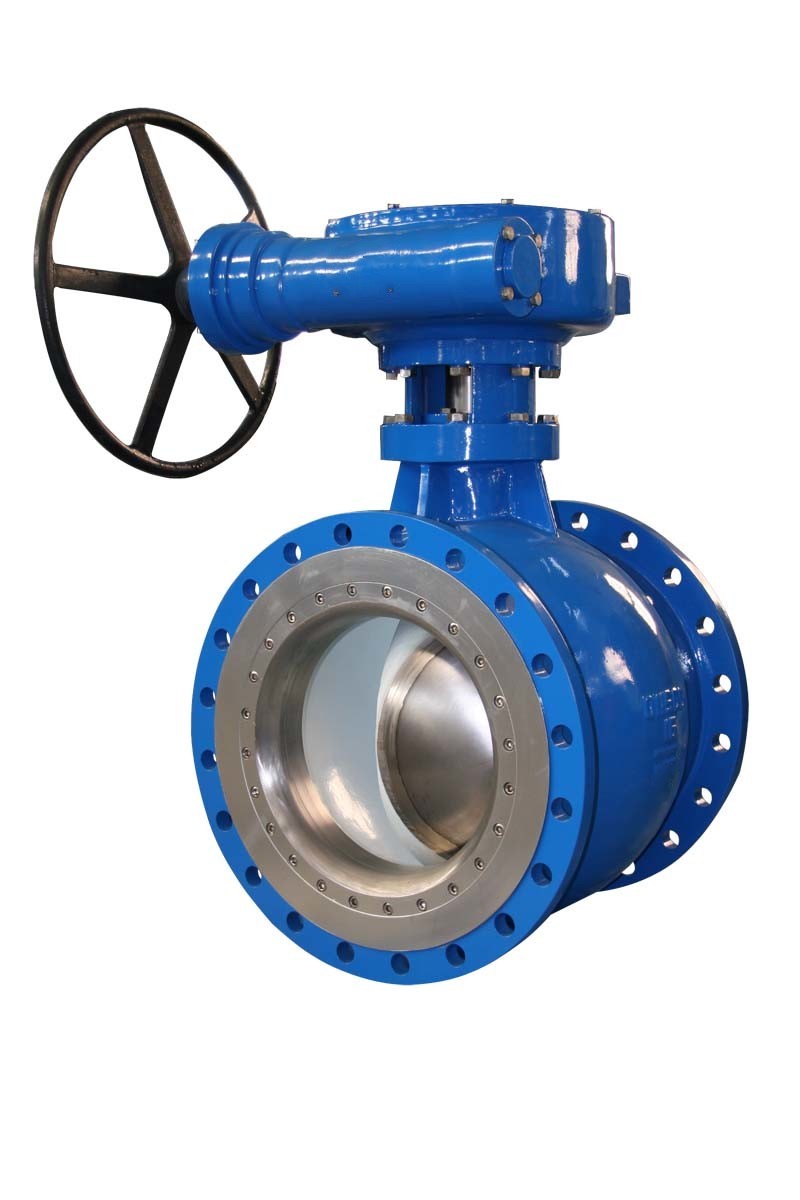
Performance & Engineering
The performance of bellows seal globe valves is fundamentally governed by their ability to maintain a zero-leakage seal under varying pressure and temperature conditions. Force analysis is central to understanding the bellows’ behavior. The sealing force is directly proportional to the spring rate of the bellows and the applied pressure. Engineers must account for factors like pressure thrust, axial load, and thermal expansion/contraction to ensure the bellows remains properly compressed against the seat, preventing leakage. Environmental resistance is another crucial consideration. Exposure to corrosive fluids, extreme temperatures, and external elements can degrade the bellows material, leading to premature failure. Material selection and protective coatings (e.g., PTFE lining) are employed to mitigate these risks. Compliance with industry standards, such as ANSI/FCI 70-2 and API 598, dictates allowable leakage rates and testing procedures. Functional implementation necessitates precise valve actuation. The valve stem is connected to the bellows, and movement of the stem causes the bellows to deflect, either opening or closing the valve. The stem design must minimize friction and ensure smooth, reliable operation. Furthermore, the valve’s bonnet design plays a critical role in containing any potential leakage from the stem packing (used for stem guidance, not sealing) and protecting the bellows from external damage. Finite Element Analysis (FEA) is routinely used to optimize valve geometry, predict stress distribution within the bellows, and validate design performance under simulated operating conditions.
Technical Specifications
| Parameter | Units | Typical Value (Carbon Steel Body) | Typical Value (316 SS Body) |
|---|---|---|---|
| Maximum Operating Pressure | PSI | 900 | 1440 |
| Temperature Range | °F | -20 to 450 | -328 to 650 |
| Leakage Rate | SCCM (Standard Cubic Centimeters per Minute) | <0.1 | <0.01 |
| Bellows Material | - | 316L Stainless Steel | 321 Stainless Steel |
| Connection Type | - | Screwed, Flanged, Welded | Screwed, Flanged, Welded |
| Valve Size (DN) | mm | 15 to 300 | 15 to 600 |
Failure Mode & Maintenance
Failure modes in china bellows seal globe valves are often attributed to fatigue cracking of the bellows, corrosion-induced degradation, or damage from overpressure events. Fatigue cracking occurs due to the cyclical stress imposed on the bellows during valve operation. This is exacerbated by high-cycle fatigue, particularly in applications with frequent valve actuation. Corrosion can compromise the bellows’ structural integrity, especially in aggressive chemical environments. Pitting corrosion, crevice corrosion, and stress corrosion cracking are common concerns. Overpressure events exceeding the valve's pressure rating can cause permanent deformation or rupture of the bellows. Another failure mode is delamination, where the layers of the bellows material separate, leading to leakage. Oxidation at high temperatures can also reduce the bellows’ ductility and increase its susceptibility to cracking. Preventative maintenance is crucial for maximizing valve lifespan. Regular inspection of the bellows for signs of corrosion, cracks, or deformation is essential. Periodic testing of the valve’s leakage rate confirms the integrity of the seal. Lubrication of the valve stem reduces friction and prevents galling. If the valve is exposed to corrosive fluids, periodic replacement of the bellows may be necessary. Proper storage conditions, avoiding prolonged exposure to moisture and corrosive atmospheres, also contribute to long-term reliability. Non-destructive testing (NDT) methods like dye penetrant inspection and radiography can be used to detect hidden flaws in the bellows before they lead to catastrophic failure.
Industry FAQ
Q: What are the primary advantages of a bellows seal globe valve over a traditional packed globe valve in a hazardous gas application?
A: The primary advantage is the elimination of fugitive emissions. Packed valves rely on compression of packing material around the stem, which inevitably leads to some degree of leakage over time. Bellows seals provide a hermetic seal, preventing the escape of hazardous gases, which is critical for safety and environmental compliance. This also reduces maintenance costs associated with frequent packing adjustments and replacements.
Q: How does the material of the bellows affect its performance in corrosive environments?
A: The bellows material is paramount. 316L stainless steel offers good resistance to many corrosive media, but more aggressive environments may require higher alloy materials like Hastelloy C-276 or Inconel 625. The specific material selection must be based on a thorough understanding of the process fluid composition, concentration, and temperature.
Q: What is the expected lifespan of a bellows seal globe valve under normal operating conditions?
A: Lifespan varies significantly depending on operating conditions. Under typical conditions (moderate temperature, non-corrosive fluid, infrequent actuation), a bellows can last 5-10 years. However, aggressive environments, high-cycle fatigue, or overpressure events can substantially reduce this lifespan.
Q: How can I determine if a bellows seal globe valve is failing and needs to be replaced?
A: Look for signs of external leakage around the bellows, increased stem friction, difficulty in valve operation, or a noticeable increase in leakage rate during testing. Visual inspection for cracks, corrosion, or deformation of the bellows is also critical.
Q: Are there any specific installation procedures that are crucial for ensuring the longevity of a bellows seal globe valve?
A: Proper alignment of the valve in the pipeline is crucial to avoid undue stress on the bellows. Avoid over-tightening the bonnet bolts, which can compress the bellows excessively. Ensure the valve is properly supported to prevent external loads from being transferred to the bellows. Use appropriate gasket materials for the flange connections to prevent leakage and corrosion.
Conclusion
China bellows seal globe valves represent a superior solution for demanding fluid control applications requiring zero leakage and enhanced safety. Their inherent design, utilizing a metallic bellows, overcomes the limitations of traditional sealing technologies, particularly in hazardous environments and critical processes. Careful consideration of material selection, manufacturing quality, and proper maintenance are vital for ensuring long-term reliability and operational efficiency.
The ongoing evolution of bellows seal technology focuses on developing more robust bellows materials, improving manufacturing processes to enhance fatigue life, and integrating smart monitoring systems to detect early signs of failure. As industries continue to prioritize safety and environmental responsibility, the demand for high-performance bellows seal globe valves will undoubtedly increase, solidifying their position as a cornerstone of modern fluid control systems.
-
Top Reasons to Choose a Stainless Steel Flange Check Valve for Industrial Applications
-
electric check valve Performance Engineering
-
electric check valves Performance Analysis
-
Threaded Check Valves Performance Analysis
-
6 inch check valve Performance Analysis
-
8 check valve Performance Analysis
-
diaphragm check valve Material Science Manufacturing
-
dual plate check valve Performance Analysis
-
check valve 6 inch Material Science
-
diaphragm check valves Performance Analysis
-
dual plate check valves Performance Analysis
-
vertical check valves Material Science Manufacturing
-
8 check valves Performance Analysis
-
refrigeration check valves Performance Analysis
-
pilot check valve Performance Analysis
 Afrikaans
 Albanian
 Amharic
 Arabic
 Armenian
 Azerbaijani
 Basque
 Belarusian
 Bengali
 Bosnian
 Bulgarian
 Catalan
 Cebuano
 Corsican
 Croatian
 Czech
Czech
 Danish
 Dutch
Dutch
 Esperanto
 Estonian
 Finnish
 French
 Frisian
 Galician
 Georgian
 German
 Greek
Greek
 Gujarati
 Haitian Creole
 Hausa
Hawaiian
Hausa
Hawaiian
 Hebrew
 Hindi
Hindi
 Miao
Miao
 Hungarian
 Icelandic
 Igbo
Igbo
 Indonesian
 Irish
Irish
 Italian
 Japanese
 Javanese
Kannada
Javanese
Kannada
 Kazakh
 Khmer
Khmer
 Rwandese
 Korean
 Kurdish
 Kyrgyz
 Lao
Lao
 Latin
Latin
 Latvian
 Lithuanian
 Luxembourgish
 Macedonian
 Malgashi
 Malay
Malay
 Malayalam
 Maltese
 Maori
Maori
 Marathi
 Mongolian
 Myanmar
 Nepali
 Norwegian
 Norwegian
 Occitan
 Pashto
 Persian
 Polish
 Portuguese
Punjabi
Portuguese
Punjabi
 Romanian
 Russian
 Samoan
 Scottish Gaelic
 Serbian
 Sesotho
 Shona
Shona
 Sindhi
 Sinhala
 Slovak
 Slovenian
 Somali
 Spanish
 Sundanese
 Swahili
 Swedish
Tagalog
Swedish
Tagalog
 Tajik
Tajik
 Tamil
Tamil
 Tatar
Tatar
 Telugu
 Thai
Thai
 Turkish
 Turkmen
 Ukrainian
 Urdu
Urdu
 Uighur
 Uzbek
Uzbek
 Vietnamese
 Welsh
Welsh
 Bantu
Bantu
 Yiddish
 Yoruba
 Zulu
Zulu
 English