




china butterfly valve Performance Engineering
Introduction
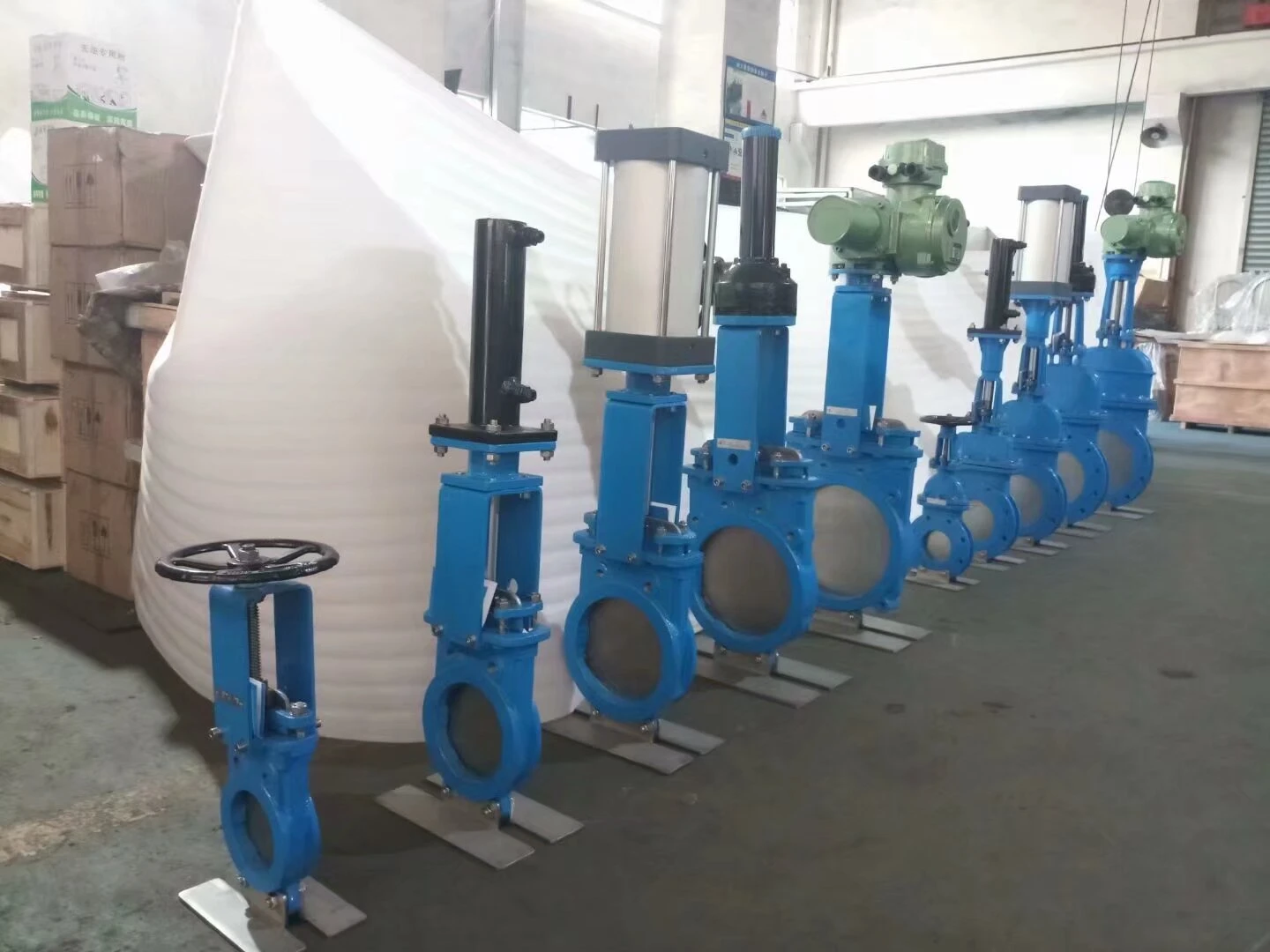
The china butterfly valve is a quarter-turn rotational motion valve used to regulate or isolate flow within a pipeline. Positioned within the industrial fluid control landscape, it serves as a cost-effective alternative to gate, globe, and ball valves, particularly for large-diameter pipelines. Its design leverages a disc rotating on an axis, perpendicular to the flow direction. Core performance characteristics include tight shut-off capability, relatively low pressure drop, and suitability for a wide range of fluids and temperatures, depending on material selection. A primary industry pain point addressed by butterfly valves is the need for lightweight, compact valves capable of handling high flow rates in applications like water treatment, HVAC, fire protection, and chemical processing. The increasing demand for automated process control further drives adoption, with many designs incorporating pneumatic or electric actuators.
Material Science & Manufacturing
Butterfly valve construction commonly utilizes several materials, each imparting specific properties. The disc is frequently manufactured from ductile iron, stainless steel (304, 316), or alloy steels, selected based on fluid compatibility and pressure requirements. Ductile iron provides good strength and corrosion resistance for water applications. Stainless steels are chosen for corrosive environments or hygienic applications (food processing). The valve body is similarly constructed from ductile iron, carbon steel, or stainless steel. Seat materials range from elastomers (EPDM, PTFE, Buna-N) for tight shut-off to metal seats (stainless steel, Hastelloy) for high-temperature or abrasive fluid applications. The manufacturing process typically involves several stages. The body casting (if applicable) undergoes rigorous quality control including radiographic inspection for internal flaws. Discs are machined to precise tolerances ensuring smooth rotation and leak-tight closure. Elastomeric seats are molded and bonded to the disc or body. Critical parameters during manufacturing include precise machining of the disc’s profile to minimize pressure drop, accurate alignment of the stem to ensure smooth operation, and proper surface treatment (epoxy coating, galvanizing) to prevent corrosion. Welding procedures for steel components must adhere to standards like AWS D1.1. Elastomer bonding requires careful control of temperature and pressure to achieve a durable, leak-proof seal. Material certifications and traceability are crucial throughout the manufacturing process.

Performance & Engineering
The performance of a china butterfly valve is governed by several engineering principles. Torque requirements to operate the valve are directly related to fluid pressure, valve size, and disc design. Force analysis dictates the stem and bearing selection to withstand operational loads. Environmental resistance is a significant concern; prolonged exposure to UV radiation, extreme temperatures, or corrosive atmospheres can degrade sealing materials and valve body integrity. Compliance requirements depend on the application. For potable water applications, NSF/ANSI 61 certification is mandatory, ensuring materials do not leach harmful contaminants. For fire protection systems, UL 2182 and FM approvals demonstrate the valve’s ability to withstand fire exposure and maintain shut-off capability. Functional implementation considerations include actuator selection (pneumatic, electric, hydraulic) based on required speed, force, and control system integration. Cavitation, a phenomenon that can cause significant erosion damage to the disc and body, is a key design consideration, especially in high-velocity liquid applications. Proper valve sizing and disc design are critical to mitigate cavitation risks. Furthermore, achieving zero leakage is dependent on seat material selection, disc profile accuracy, and proper tightening of the gland packing.
Technical Specifications
| Parameter | DN50 (2 inch) | DN100 (4 inch) | DN150 (6 inch) | DN200 (8 inch) |
|---|---|---|---|---|
| Maximum Operating Pressure (PSI) | 250 | 200 | 150 | 120 |
| Temperature Range (°C) | -20 to 120 | -20 to 120 | -20 to 180 | -20 to 180 |
| Seat Material | EPDM | EPDM/PTFE | PTFE | PTFE |
| Body Material | Ductile Iron (QT450-10) | Ductile Iron (QT450-10) | Carbon Steel (A216 WCB) | Carbon Steel (A216 WCB) |
| Disc Material | Ductile Iron (QT450-10) | Stainless Steel 304 | Stainless Steel 316 | Stainless Steel 316 |
| Actuation Type | Manual Gearbox | Pneumatic/Manual | Electric/Pneumatic | Electric/Pneumatic |
Failure Mode & Maintenance
China butterfly valves, while robust, are susceptible to several failure modes. Fatigue cracking can occur in the disc or stem due to cyclic loading, particularly at stress concentration points. Delamination of the seat material is common, especially with elastomer seats, due to thermal cycling or chemical attack. Corrosion, especially in carbon steel components, can lead to body erosion and leakage. Oxidation of internal components can seize moving parts. Cavitation, as mentioned previously, causes localized erosion of the disc and body. Maintenance strategies include regular inspection of the seat for wear or damage, lubricating stem bearings, tightening gland packing to prevent leakage, and conducting non-destructive testing (NDT) like ultrasonic testing to detect cracks. Preventative maintenance schedules should be established based on operating conditions and fluid properties. For severe corrosion environments, sacrificial anodes can be installed to protect the valve body. Seat replacement is a common maintenance task. Complete valve overhaul may be necessary in cases of extensive damage or corrosion. Record-keeping of maintenance activities is vital for tracking valve performance and predicting future failures. Proper storage of spare parts, particularly seat materials, is also critical to minimize downtime.
Industry FAQ
Q: What is the primary advantage of a butterfly valve over a gate valve for large diameter applications?
A: Butterfly valves offer significant advantages in terms of weight and space requirements, especially in large diameter applications. Gate valves, particularly in larger sizes, are significantly heavier and require more headroom for installation and operation. Butterfly valves also generally have a lower pressure drop when fully open.
Q: How does the choice of seat material impact the valve's performance in different fluids?
A: Seat material selection is crucial for fluid compatibility. EPDM seats are suitable for water and some chemical applications, while PTFE seats provide broader chemical resistance. Metal seats are used for high-temperature applications or where a positive shut-off is required with abrasive fluids. The seat material must be chemically inert to the fluid to prevent degradation and leakage.
Q: What are the implications of using a butterfly valve in a pulsating flow system?
A: Pulsating flow can accelerate seat wear and potentially cause fatigue failure of the disc. Proper valve sizing and potentially incorporating flow dampeners can mitigate these effects. Monitoring stem vibration and conducting regular inspections of the seat are also recommended.
Q: What certifications are typically required for butterfly valves used in potable water systems?
A: NSF/ANSI 61 certification is generally mandatory for butterfly valves used in potable water systems. This certification ensures that the valve materials do not leach harmful contaminants into the water. Additional certifications may be required based on local regulations.
Q: What are the key considerations when automating a butterfly valve with an electric actuator?
A: Key considerations include the actuator’s torque rating, voltage requirements, control signal compatibility, and the need for limit switches and feedback signals for precise valve positioning and control system integration. Ensure the actuator is adequately sized to handle the valve’s operating torque under all conditions.
Conclusion
The china butterfly valve represents a versatile and cost-effective solution for flow control in a wide range of industrial applications. Its relatively simple design, combined with material choices tailored to specific operating conditions, allows it to deliver reliable performance with minimal maintenance. Understanding the critical parameters of material science, manufacturing processes, and engineering principles is essential for selecting the appropriate valve for a given application and mitigating potential failure modes.
Looking ahead, advancements in materials and automation technology will likely further enhance the performance and capabilities of butterfly valves. Smart valves with integrated sensors and communication capabilities will enable predictive maintenance and optimize process control. Continued emphasis on corrosion resistance and sealing technology will expand their applicability to increasingly demanding environments.
-
Top Reasons to Choose a Stainless Steel Flange Check Valve for Industrial Applications
-
electric check valve Performance Engineering
-
electric check valves Performance Analysis
-
Threaded Check Valves Performance Analysis
-
6 inch check valve Performance Analysis
-
8 check valve Performance Analysis
-
diaphragm check valve Material Science Manufacturing
-
dual plate check valve Performance Analysis
-
check valve 6 inch Material Science
-
diaphragm check valves Performance Analysis
-
dual plate check valves Performance Analysis
-
vertical check valves Material Science Manufacturing
-
8 check valves Performance Analysis
-
refrigeration check valves Performance Analysis
-
pilot check valve Performance Analysis
 Afrikaans
 Albanian
 Amharic
 Arabic
 Armenian
 Azerbaijani
 Basque
 Belarusian
 Bengali
 Bosnian
 Bulgarian
 Catalan
 Cebuano
 Corsican
 Croatian
 Czech
Czech
 Danish
 Dutch
Dutch
 Esperanto
 Estonian
 Finnish
 French
 Frisian
 Galician
 Georgian
 German
 Greek
Greek
 Gujarati
 Haitian Creole
 Hausa
Hawaiian
Hausa
Hawaiian
 Hebrew
 Hindi
Hindi
 Miao
Miao
 Hungarian
 Icelandic
 Igbo
Igbo
 Indonesian
 Irish
Irish
 Italian
 Japanese
 Javanese
Kannada
Javanese
Kannada
 Kazakh
 Khmer
Khmer
 Rwandese
 Korean
 Kurdish
 Kyrgyz
 Lao
Lao
 Latin
Latin
 Latvian
 Lithuanian
 Luxembourgish
 Macedonian
 Malgashi
 Malay
Malay
 Malayalam
 Maltese
 Maori
Maori
 Marathi
 Mongolian
 Myanmar
 Nepali
 Norwegian
 Norwegian
 Occitan
 Pashto
 Persian
 Polish
 Portuguese
Punjabi
Portuguese
Punjabi
 Romanian
 Russian
 Samoan
 Scottish Gaelic
 Serbian
 Sesotho
 Shona
Shona
 Sindhi
 Sinhala
 Slovak
 Slovenian
 Somali
 Spanish
 Sundanese
 Swahili
 Swedish
Tagalog
Swedish
Tagalog
 Tajik
Tajik
 Tamil
Tamil
 Tatar
Tatar
 Telugu
 Thai
Thai
 Turkish
 Turkmen
 Ukrainian
 Urdu
Urdu
 Uighur
 Uzbek
Uzbek
 Vietnamese
 Welsh
Welsh
 Bantu
Bantu
 Yiddish
 Yoruba
 Zulu
Zulu
 English