




china cast steel globe valve Performance Analysis
Introduction
China cast steel globe valves are critical components in fluid control systems across numerous industrial applications, including oil and gas, power generation, and chemical processing. Positioned as a quarter-turn valve, the globe valve utilizes a disc and seat mechanism to regulate flow, offering superior throttling capabilities compared to gate or butterfly valves. These valves are frequently selected for applications demanding precise flow control and frequent operation. Manufactured in China, they represent a significant portion of the global valve supply, focusing on cost-effectiveness without necessarily sacrificing adherence to international standards. Core performance characteristics include tight shutoff, controlled throttling, and suitability for high-pressure and high-temperature services depending on material selection and design specifications. The market faces challenges relating to quality consistency, material traceability, and increasingly stringent environmental regulations concerning fugitive emissions.
Material Science & Manufacturing
The primary material for cast steel globe valve bodies is typically ASTM A351 Grade CF8, a chromium-nickel stainless steel offering excellent corrosion resistance and mechanical strength. Alternatively, carbon steel (ASTM A105) may be used for less demanding applications, often with internal coatings to mitigate corrosion. Disc and stem materials commonly include AISI 316 stainless steel or hardened alloys for enhanced durability and wear resistance. Seat materials are critical for leak tightness; options include PTFE, reinforced PTFE, and metal-to-metal seats for high-temperature applications. The manufacturing process commences with pattern making and core creation for the casting. Sand casting is prevalent, though investment casting can yield higher precision and smoother surface finishes. Following casting, rigorous non-destructive testing (NDT), including radiographic inspection (RT) and ultrasonic testing (UT), is performed to identify internal flaws. Machining operations are critical for achieving dimensional accuracy and proper seat sealing. Welding processes, such as shielded metal arc welding (SMAW) or gas tungsten arc welding (GTAW), are used for joining components, requiring qualified welders and adherence to ASME Section IX standards. Parameter control during heat treatment—quenching and tempering—is essential for attaining the desired mechanical properties and microstructure of the cast steel. Maintaining a controlled cooling rate prevents distortion and cracking.
Performance & Engineering
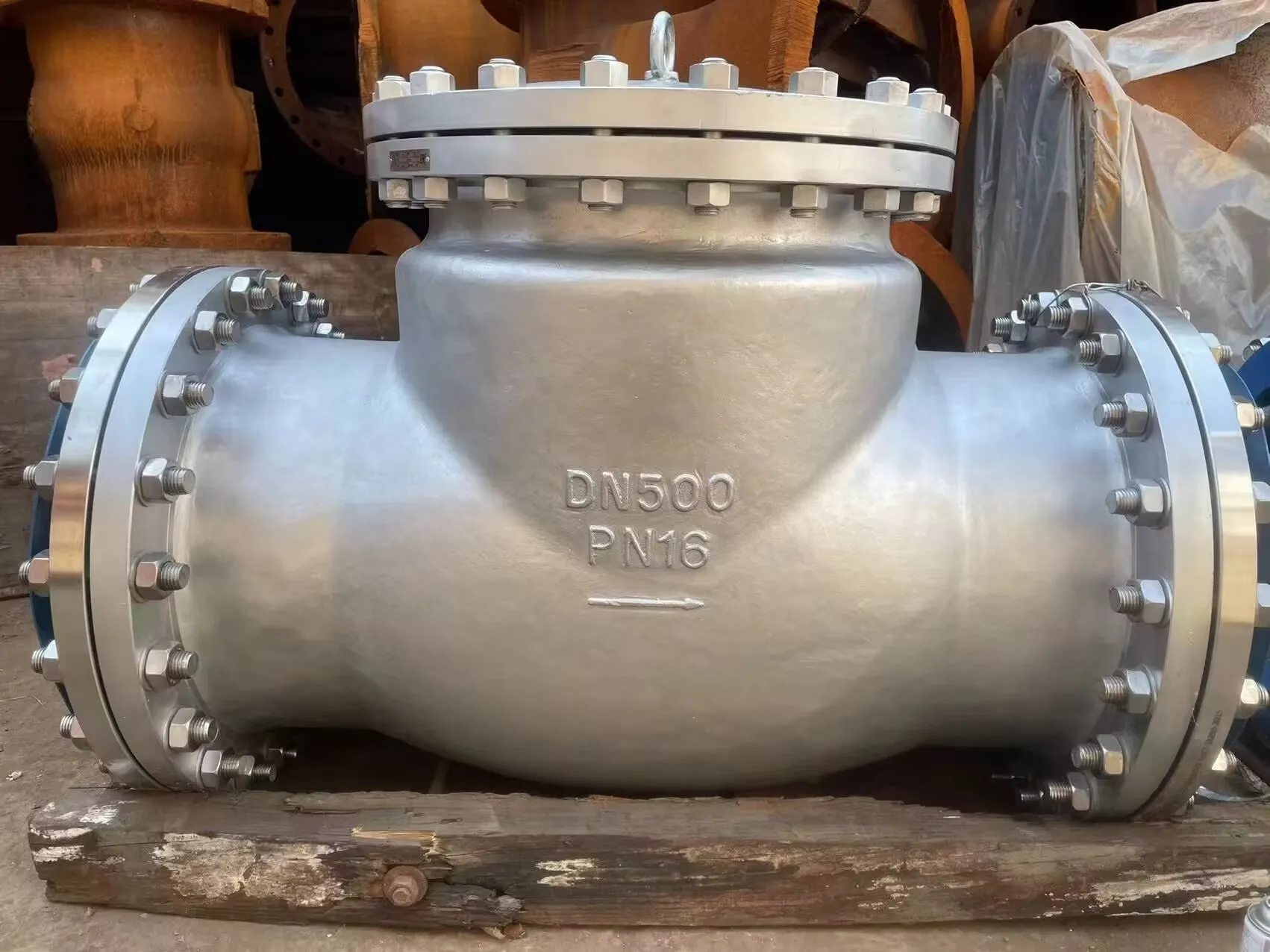
Globe valve performance is heavily influenced by fluid dynamics, particularly pressure drop and flow coefficient (Cv). The streamlined body design minimizes turbulence and pressure loss during throttling. Force analysis considers hydrostatic forces acting on the disc and stem, as well as dynamic forces generated by fluid flow. Stem thrust calculation is vital for ensuring adequate stem support and preventing stem bending or failure. Environmental resistance is paramount; valves operating in corrosive environments require careful material selection and protective coatings. Compliance requirements dictate adherence to standards like API 600 (steel gate valves - relevant principles apply), ASME B16.34 (valve pressure testing), and BS EN 1092-1 (flange connections). Functional implementation involves proper sizing of the valve to the pipeline diameter and flow rate. Cavitation, a destructive phenomenon occurring when pressure drops below the fluid's vapor pressure, must be avoided through appropriate valve selection and operating conditions. Fugitive emissions, the leakage of process fluids into the atmosphere, are a growing concern, prompting the adoption of low-emission stem packing designs conforming to API 624 and EPA regulations. The selection of packing material – graphite, PTFE, or combinations – directly impacts emission control.
Technical Specifications
| Parameter | Unit | Typical Value (Carbon Steel) | Typical Value (Stainless Steel) |
|---|---|---|---|
| Maximum Operating Pressure | psi | 900 | 1440 |
| Maximum Operating Temperature | °F | 450 | 650 |
| Cv (Flow Coefficient) | - | 5 - 100 | 5 - 150 |
| Body Material | - | ASTM A105 | ASTM A351 CF8 |
| Seat Material | - | PTFE | RTFE |
| Connection Type | - | Screwed, Flanged, Welded | Screwed, Flanged, Welded |
Failure Mode & Maintenance
Common failure modes in cast steel globe valves include seat erosion and leakage due to particulate matter in the fluid stream, stem packing failure leading to fugitive emissions, and body cracking resulting from thermal stress or corrosion. Fatigue cracking can occur in the disc and stem due to cyclical loading. Corrosion, particularly galvanic corrosion in dissimilar metal combinations, accelerates degradation. Delamination of coatings can expose the base metal to corrosive environments. Oxidation at high temperatures can weaken the valve components. Regular maintenance is crucial for preventing failures. This includes periodic inspection of the stem packing and tightening or replacement as needed. Lubrication of the stem threads reduces friction and prevents galling. Hydrostatic testing should be performed annually to verify seat tightness and body integrity. Non-destructive examination (NDE) like visual inspection and dye penetrant testing can identify surface cracks. Internal components should be inspected for wear and corrosion during scheduled overhauls. Proper storage conditions are essential to prevent corrosion during periods of inactivity; valves should be protected from moisture and extreme temperatures. Replacement of worn or damaged components with OEM-specified parts ensures compatibility and maintains valve performance.
Industry FAQ
Q: What is the significance of different body materials (carbon steel vs. stainless steel) in the context of corrosive fluids?
A: Carbon steel is susceptible to corrosion in many fluids, particularly those containing chlorides or sulfides. Stainless steel (like A351 CF8) offers significantly better corrosion resistance due to the presence of chromium, forming a passive oxide layer. The choice depends on the fluid's chemistry, temperature, and pressure. If corrosion is a concern, stainless steel is generally preferred, but the specific alloy should be selected based on compatibility charts and experience with the fluid.
Q: How do different seat materials impact the valve's ability to achieve a tight shutoff?
A: PTFE seats provide a resilient sealing surface, offering excellent shutoff capabilities at lower pressures and temperatures. However, PTFE can creep under sustained pressure and temperature, leading to leakage over time. Reinforced PTFE seats improve dimensional stability. Metal-to-metal seats offer superior high-temperature performance and durability but require extremely smooth sealing surfaces and higher seating forces.
Q: What is the importance of hydrostatic testing, and what acceptance criteria are typically used?
A: Hydrostatic testing verifies the integrity of the valve body and seat by subjecting it to a pressure significantly higher than its rated operating pressure. Acceptance criteria typically require no visible leakage and no permanent deformation of the valve body. The test pressure and duration are specified in standards like ASME B16.34.
Q: How does the choice of stem packing affect fugitive emissions, and what are the available options?
A: Stem packing prevents leakage of process fluid along the valve stem. Traditional packing materials like graphite are effective but can have higher emission rates. Low-emission packing options, such as PTFE-based packing with anti-extrusion rings, significantly reduce fugitive emissions and comply with EPA regulations. Regular tightening and replacement of the packing are crucial for maintaining emissions control.
Q: What are the implications of cavitation, and how can it be mitigated in globe valve applications?
A: Cavitation occurs when pressure drops below the fluid's vapor pressure, forming bubbles that collapse violently, causing erosion and noise. It can severely damage the valve disc and seat. Mitigation strategies include increasing the valve size, reducing the flow velocity, and selecting a valve design that minimizes pressure drop. Proper fluid conditioning and avoiding excessive throttling can also help prevent cavitation.
Conclusion
China cast steel globe valves represent a robust and cost-effective solution for flow control in a wide range of industrial applications. The selection and proper implementation of these valves necessitates a comprehensive understanding of material science, manufacturing processes, and performance characteristics. Addressing potential failure modes through diligent maintenance and adhering to relevant industry standards ensures long-term reliability and operational efficiency.
Furthermore, the increasing focus on environmental sustainability and stricter emission regulations demands the adoption of advanced sealing technologies and careful material selection to minimize fugitive emissions. Continued advancements in casting techniques and non-destructive testing methods are crucial for enhancing the quality and consistency of these valves, ensuring their continued relevance in the evolving industrial landscape.
-
Top Reasons to Choose a Stainless Steel Flange Check Valve for Industrial Applications
-
electric check valve Performance Engineering
-
electric check valves Performance Analysis
-
Threaded Check Valves Performance Analysis
-
6 inch check valve Performance Analysis
-
8 check valve Performance Analysis
-
diaphragm check valve Material Science Manufacturing
-
dual plate check valve Performance Analysis
-
check valve 6 inch Material Science
-
diaphragm check valves Performance Analysis
-
dual plate check valves Performance Analysis
-
vertical check valves Material Science Manufacturing
-
8 check valves Performance Analysis
-
refrigeration check valves Performance Analysis
-
pilot check valve Performance Analysis
 Afrikaans
 Albanian
 Amharic
 Arabic
 Armenian
 Azerbaijani
 Basque
 Belarusian
 Bengali
 Bosnian
 Bulgarian
 Catalan
 Cebuano
 Corsican
 Croatian
 Czech
Czech
 Danish
 Dutch
Dutch
 Esperanto
 Estonian
 Finnish
 French
 Frisian
 Galician
 Georgian
 German
 Greek
Greek
 Gujarati
 Haitian Creole
 Hausa
Hawaiian
Hausa
Hawaiian
 Hebrew
 Hindi
Hindi
 Miao
Miao
 Hungarian
 Icelandic
 Igbo
Igbo
 Indonesian
 Irish
Irish
 Italian
 Japanese
 Javanese
Kannada
Javanese
Kannada
 Kazakh
 Khmer
Khmer
 Rwandese
 Korean
 Kurdish
 Kyrgyz
 Lao
Lao
 Latin
Latin
 Latvian
 Lithuanian
 Luxembourgish
 Macedonian
 Malgashi
 Malay
Malay
 Malayalam
 Maltese
 Maori
Maori
 Marathi
 Mongolian
 Myanmar
 Nepali
 Norwegian
 Norwegian
 Occitan
 Pashto
 Persian
 Polish
 Portuguese
Punjabi
Portuguese
Punjabi
 Romanian
 Russian
 Samoan
 Scottish Gaelic
 Serbian
 Sesotho
 Shona
Shona
 Sindhi
 Sinhala
 Slovak
 Slovenian
 Somali
 Spanish
 Sundanese
 Swahili
 Swedish
Tagalog
Swedish
Tagalog
 Tajik
Tajik
 Tamil
Tamil
 Tatar
Tatar
 Telugu
 Thai
Thai
 Turkish
 Turkmen
 Ukrainian
 Urdu
Urdu
 Uighur
 Uzbek
Uzbek
 Vietnamese
 Welsh
Welsh
 Bantu
Bantu
 Yiddish
 Yoruba
 Zulu
Zulu
 English