




china cross pipe fitting Performance Analysis
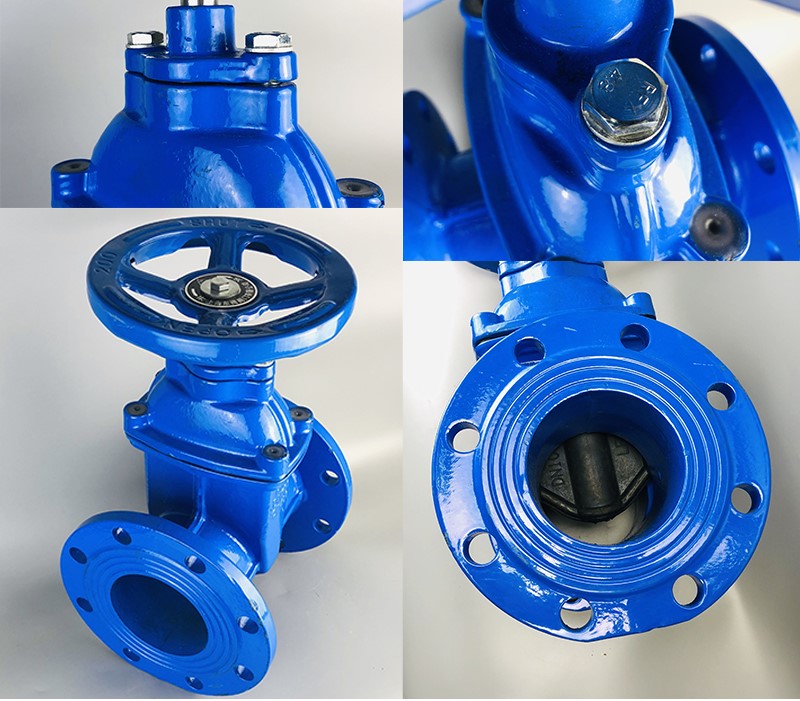
Introduction
China cross pipe fittings are integral components in piping systems, facilitating directional changes in fluid or gas flow. These fittings, typically employed in industrial, commercial, and residential plumbing, are characterized by their four ports oriented at 90-degree angles. Their prevalence stems from cost-effectiveness, ease of installation, and versatility across a wide spectrum of applications. Within the broader piping component industry chain, cross fittings occupy a crucial juncture between raw material suppliers (steel, stainless steel, ductile iron, PVC, CPVC, PEX), manufacturing facilities specializing in casting, forging, or injection molding, and end-users spanning sectors like oil and gas, water treatment, chemical processing, and HVAC. Core performance characteristics of cross fittings center around pressure rating, dimensional accuracy, material compatibility with conveyed media, and resistance to corrosion and erosion. Maintaining integrity under specified operating conditions is paramount, dictating material selection and manufacturing quality control.
Material Science & Manufacturing
The material selection for china cross pipe fittings is application-dependent. Carbon steel (ASTM A53 Grade B, API 5L) provides high strength and cost-effectiveness for low to moderate pressure applications but is susceptible to corrosion. Stainless steel (304/304L, 316/316L – ASTM A358) offers superior corrosion resistance, particularly in aggressive chemical environments, albeit at a higher cost. Ductile iron (ASTM A509) balances strength and ductility, commonly used in water and wastewater systems. For non-corrosive applications, PVC (ASTM D1785) and CPVC (ASTM D2846) provide lightweight, chemically inert solutions. PEX (ASTM F877) is increasingly used for plumbing due to its flexibility and freeze resistance. Manufacturing processes vary based on material. Steel and ductile iron fittings are commonly produced via investment casting, sand casting, or forging, followed by machining to achieve precise dimensions. Welding (SMAW, GTAW, GMAW) is frequently employed for joining components or reinforcing critical areas. Plastic fittings are predominantly manufactured via injection molding, requiring precise temperature and pressure control to ensure dimensional stability and prevent defects like warping or sink marks. Parameter control during injection molding, including melt temperature, mold temperature, and injection pressure, significantly impacts the final product's mechanical properties. Post-processing often involves surface treatments like galvanizing (for steel) or powder coating to enhance corrosion protection and aesthetic appeal. Quality control includes hydrostatic testing to verify pressure integrity and non-destructive testing (NDT) such as radiographic inspection or ultrasonic testing to detect internal flaws.
Performance & Engineering
The performance of a china cross pipe fitting is fundamentally governed by its ability to withstand internal pressure and external loads without failure. Force analysis involves considering hoop stress, longitudinal stress, and bending moments induced by fluid flow and system weight. Finite element analysis (FEA) is often employed to optimize fitting geometry and material distribution to minimize stress concentrations. Environmental resistance is crucial; prolonged exposure to corrosive media can lead to pitting corrosion, crevice corrosion, or stress corrosion cracking, compromising structural integrity. Material selection, as previously discussed, is the primary defense against corrosion. Furthermore, coatings and cathodic protection can extend service life in harsh environments. Compliance with industry standards (ANSI/ASME B16.34 for steel fittings, ASTM D2466 for PVC fittings) is mandatory, dictating allowable stress levels, testing procedures, and marking requirements. Functional implementation necessitates consideration of flow characteristics. The 90-degree turns introduce flow resistance, leading to pressure drop. Optimizing fitting geometry to minimize turbulence and streamline flow is essential for maintaining system efficiency. The coefficient of friction within the fitting influences pressure loss and energy consumption. Installation practices, including proper alignment and tightening of connections, are vital to prevent leaks and ensure long-term performance. Thermal expansion and contraction of the piping system must also be accounted for to avoid stress on the fitting.
Technical Specifications
| Parameter | Carbon Steel (ASTM A53 Gr. B) | Stainless Steel 304/304L (ASTM A358) | Ductile Iron (ASTM A509) | PVC (ASTM D1785, Schedule 80) |
|---|---|---|---|---|
| Pressure Rating (PSI) | Up to 2000 | Up to 5000 | Up to 350 | Up to 400 |
| Temperature Range (°F) | -20 to 650 | -328 to 600 | -20 to 250 | -40 to 140 |
| Tensile Strength (MPa) | 400-550 | 517-620 | 414-552 | 55-69 |
| Yield Strength (MPa) | 250-345 | 205-276 | 241-345 | N/A (Brittle) |
| Corrosion Resistance | Low (Requires coating) | Excellent | Moderate (Requires coating) | Excellent (to many chemicals) |
| Weight (per 1" fitting, approx.) | 0.8 lbs | 0.6 lbs | 1.2 lbs | 0.1 lbs |
Failure Mode & Maintenance
China cross pipe fittings are susceptible to several failure modes. Fatigue cracking, particularly in steel fittings under cyclic loading, initiates at stress concentrators (e.g., weldments, threaded connections) and propagates until complete fracture. Corrosion-induced failures include pitting corrosion (localized attack), galvanic corrosion (between dissimilar metals), and erosion-corrosion (synergistic effect of corrosion and wear). Plastic fittings are prone to brittle fracture upon impact or exposure to extreme temperatures. Delamination can occur in composite fittings due to inadequate bonding between layers. Degradation of plastic materials due to UV exposure or chemical attack leads to embrittlement and reduced strength. Oxidation of steel components at high temperatures results in scale formation and loss of material. Maintenance strategies focus on preventative measures. Regular visual inspections should identify signs of corrosion, cracking, or deformation. Protective coatings should be reapplied as needed. Periodic hydrostatic testing verifies pressure integrity. Lubrication of threaded connections prevents galling and facilitates disassembly. Properly designed drainage systems prevent stagnant water accumulation, mitigating corrosion. For plastic fittings, avoid over-tightening during installation, as this can induce stress cracking. In cases of detected damage, prompt replacement of the fitting is crucial to prevent catastrophic system failure. NDT methods (ultrasonic testing, radiographic inspection) can be employed for in-service inspection to detect hidden flaws.
Industry FAQ
Q: What is the primary difference in performance between a carbon steel cross fitting and a stainless steel cross fitting?
A: The primary difference lies in corrosion resistance. Carbon steel requires protective coatings (galvanization, epoxy) to prevent rust and corrosion, particularly in humid or chemically aggressive environments. Stainless steel, specifically grades 304/304L and 316/316L, possesses inherent corrosion resistance due to the chromium content, making it suitable for a wider range of applications without additional protective measures. While stainless steel is more expensive, the increased lifespan and reduced maintenance costs often justify the investment in corrosive environments.
Q: How does the manufacturing process affect the pressure rating of a ductile iron cross fitting?
A: The manufacturing process, particularly the casting method and subsequent heat treatment, significantly impacts the microstructure and mechanical properties of ductile iron, directly influencing its pressure rating. Controlled cooling rates during casting prevent the formation of undesirable phases like graphite flakes, which reduce strength. Heat treatment optimizes the material's ductility and tensile strength. Defects such as porosity or inclusions introduced during casting can act as stress concentrators, reducing the fitting's ability to withstand pressure. Non-destructive testing (NDT) is crucial to identify and reject fittings with critical flaws.
Q: What considerations are crucial when selecting a PVC cross fitting for a potable water system?
A: When selecting PVC cross fittings for potable water systems, it's vital to ensure compliance with NSF/ANSI Standard 61, which certifies the material's suitability for contact with drinking water. The fitting should be made from rigid PVC (Schedule 40 or 80) to withstand the operating pressure. Avoid using PVC fittings in applications involving elevated temperatures, as the material's mechanical properties degrade significantly at higher temperatures. Proper installation techniques, including the use of appropriate PVC cement and ensuring a tight, leak-proof seal, are essential.
Q: What are the common failure modes observed in injection-molded plastic cross fittings?
A: Common failure modes include stress cracking due to over-tightening during installation, brittle fracture from impact, and degradation caused by prolonged exposure to UV radiation or aggressive chemicals. Warping or sink marks can occur if the injection molding process is not properly controlled (incorrect temperature or pressure settings). Internal voids or weld lines can also weaken the fitting. Quality control measures during manufacturing, including visual inspection and pressure testing, are crucial to minimize these defects.
Q: How important is hydrostatic testing, and what parameters should be monitored during the test?
A: Hydrostatic testing is critical for verifying the pressure integrity of pipe fittings, including cross fittings. It involves subjecting the fitting to a pressure significantly higher than its rated operating pressure for a specified duration. Parameters to monitor include pressure stability (no pressure drop indicating leaks), visual inspection for cracks or deformation, and measurement of any permanent deformation after depressurization. The test pressure and duration should conform to relevant industry standards (e.g., ASME B16.34). Proper test setup and safety precautions are essential to prevent catastrophic failure during testing.
Conclusion
China cross pipe fittings represent a foundational element in fluid conveyance systems across diverse industries. Their performance is intrinsically linked to material selection, manufacturing precision, and adherence to stringent industry standards. Understanding the nuances of material properties – from the corrosion resistance of stainless steel to the cost-effectiveness of carbon steel and the chemical inertness of PVC – is paramount for optimal application. Careful consideration of potential failure modes, encompassing fatigue cracking, corrosion, and material degradation, necessitates proactive maintenance strategies, including regular inspection, protective coatings, and timely replacement of compromised components.
The increasing demands for higher operating pressures, more aggressive chemical environments, and enhanced system reliability will continue to drive innovation in cross fitting design and manufacturing. Future advancements are likely to focus on developing novel materials with superior corrosion resistance and mechanical properties, optimizing fitting geometries to minimize flow resistance, and implementing advanced NDT techniques for more comprehensive in-service inspection. Ultimately, a technically informed approach to selection, installation, and maintenance ensures the long-term integrity and efficiency of piping systems utilizing these critical components.
-
Top Reasons to Choose a Stainless Steel Flange Check Valve for Industrial Applications
-
electric check valve Performance Engineering
-
electric check valves Performance Analysis
-
Threaded Check Valves Performance Analysis
-
6 inch check valve Performance Analysis
-
8 check valve Performance Analysis
-
diaphragm check valve Material Science Manufacturing
-
dual plate check valve Performance Analysis
-
check valve 6 inch Material Science
-
diaphragm check valves Performance Analysis
-
dual plate check valves Performance Analysis
-
vertical check valves Material Science Manufacturing
-
8 check valves Performance Analysis
-
refrigeration check valves Performance Analysis
-
pilot check valve Performance Analysis
 Afrikaans
 Albanian
 Amharic
 Arabic
 Armenian
 Azerbaijani
 Basque
 Belarusian
 Bengali
 Bosnian
 Bulgarian
 Catalan
 Cebuano
 Corsican
 Croatian
 Czech
Czech
 Danish
 Dutch
Dutch
 Esperanto
 Estonian
 Finnish
 French
 Frisian
 Galician
 Georgian
 German
 Greek
Greek
 Gujarati
 Haitian Creole
 Hausa
Hawaiian
Hausa
Hawaiian
 Hebrew
 Hindi
Hindi
 Miao
Miao
 Hungarian
 Icelandic
 Igbo
Igbo
 Indonesian
 Irish
Irish
 Italian
 Japanese
 Javanese
Kannada
Javanese
Kannada
 Kazakh
 Khmer
Khmer
 Rwandese
 Korean
 Kurdish
 Kyrgyz
 Lao
Lao
 Latin
Latin
 Latvian
 Lithuanian
 Luxembourgish
 Macedonian
 Malgashi
 Malay
Malay
 Malayalam
 Maltese
 Maori
Maori
 Marathi
 Mongolian
 Myanmar
 Nepali
 Norwegian
 Norwegian
 Occitan
 Pashto
 Persian
 Polish
 Portuguese
Punjabi
Portuguese
Punjabi
 Romanian
 Russian
 Samoan
 Scottish Gaelic
 Serbian
 Sesotho
 Shona
Shona
 Sindhi
 Sinhala
 Slovak
 Slovenian
 Somali
 Spanish
 Sundanese
 Swahili
 Swedish
Tagalog
Swedish
Tagalog
 Tajik
Tajik
 Tamil
Tamil
 Tatar
Tatar
 Telugu
 Thai
Thai
 Turkish
 Turkmen
 Ukrainian
 Urdu
Urdu
 Uighur
 Uzbek
Uzbek
 Vietnamese
 Welsh
Welsh
 Bantu
Bantu
 Yiddish
 Yoruba
 Zulu
Zulu
 English