




china double check valve Material Science
Introduction
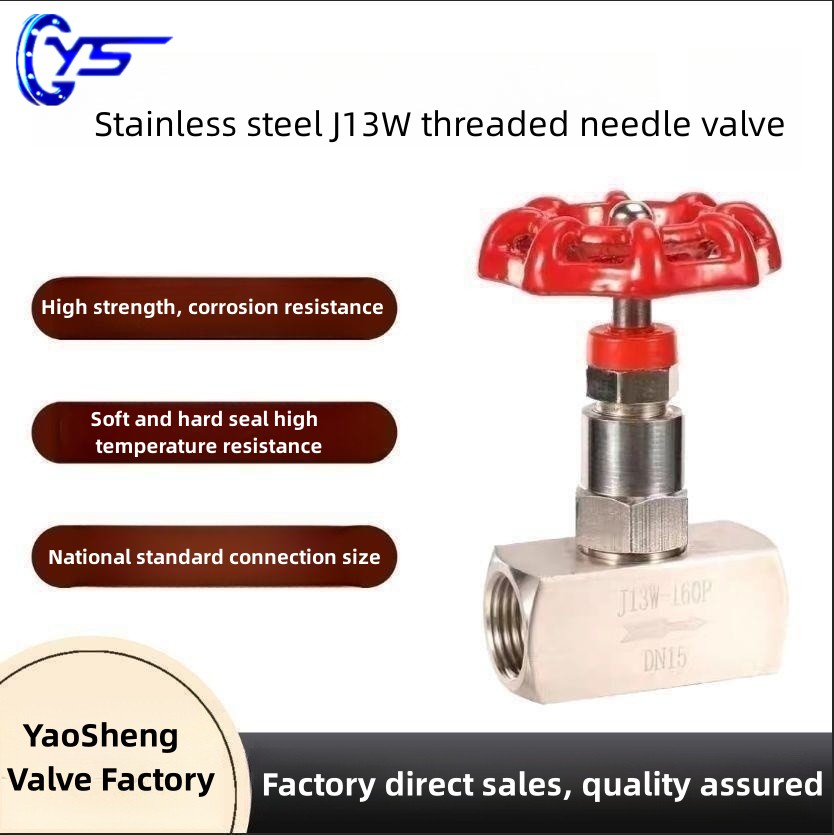
The china double check valve is a critical component in fluid handling systems, designed to prevent backflow in pipelines. Classified as a safety device, it operates on the principle of pressure differential, allowing flow in one direction while automatically blocking reverse flow. Positioned downstream in the industrial chain from materials suppliers (casting foundries, polymer producers) and component manufacturers (spring, seal providers), it serves applications across diverse sectors including water treatment, oil & gas, chemical processing, and HVAC. Core performance characteristics include its sealing efficiency (leakage rate), pressure drop, flow capacity (Cv value), and operational lifespan determined by material compatibility and valve actuation mechanisms. The increasing demand for robust, reliable, and low-maintenance backflow prevention solutions drives the evolution of double check valve designs and materials.
Material Science & Manufacturing
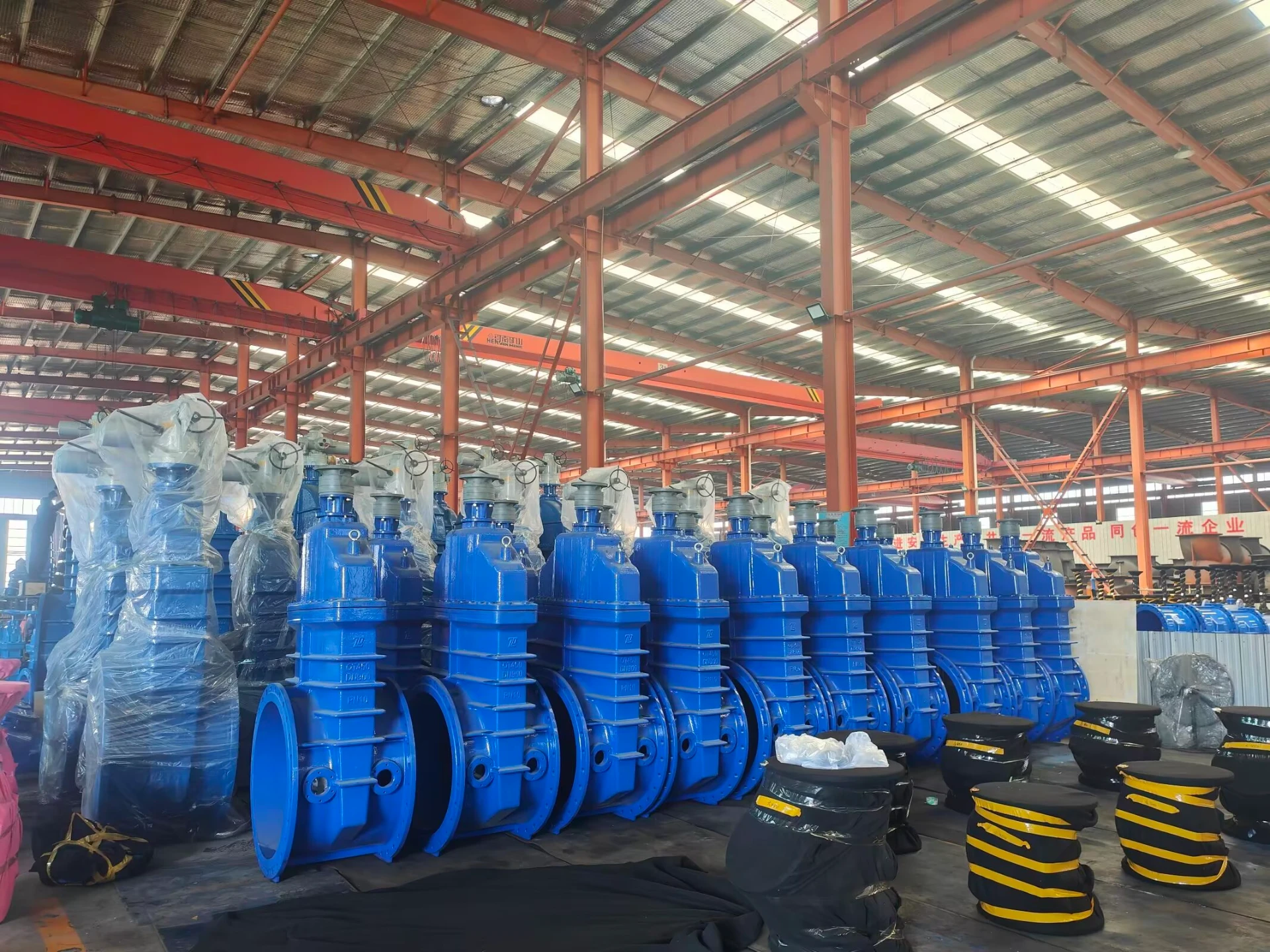
The body of a china double check valve is commonly constructed from materials like ductile iron (ASTM A536 65-45-12), stainless steel (304/316 – ASTM A351), or brass (HPb59-1 – EN 12449). Ductile iron provides a balance of strength and cost-effectiveness, while stainless steel offers superior corrosion resistance in aggressive environments. Brass is frequently used in potable water applications due to its lead-free characteristics. Internal components, particularly the check discs and springs, utilize materials like 304/316 stainless steel, Hastelloy, or specialized polymers (PTFE, EPDM) for sealing. Manufacturing processes vary based on material and valve size. Ductile iron bodies are typically produced via sand casting, involving pattern creation, mold preparation, melting, pouring, cooling, and finishing (shot blasting, machining). Stainless steel valves often employ investment casting for intricate designs. Polymer seals are manufactured using injection molding, requiring precise control of melt temperature, injection pressure, and cooling rates. Critical parameters during manufacturing include dimensional accuracy (ensuring proper disc seating), surface finish (reducing friction and promoting sealing), and material homogeneity (preventing premature failure). Welding processes (SMAW, GTAW) are utilized for fabrication of larger valves and attachment of auxiliary components, requiring adherence to ASME Section IX standards for weld qualification.
Performance & Engineering
The performance of a double check valve is governed by fluid dynamics and mechanical stress analysis. Force analysis focuses on the pressure forces acting on the check discs, the spring forces resisting opening, and the impact forces during valve closure. The valve must withstand hydrodynamic shock and water hammer effects. Environmental resistance is a crucial consideration. Exposure to corrosive fluids, extreme temperatures, and UV radiation can degrade valve materials. Stainless steel and specialized coatings (epoxy, PTFE) mitigate corrosion. Temperature ratings (typically -20°C to +100°C) define the operational limits. Compliance requirements are stringent, especially in potable water and industrial applications. Standards like NSF/ANSI 61 (potable water safety), API 598 (valve inspection and testing), and ISO 9001 (quality management systems) are often mandated. Functional implementation involves selecting the appropriate valve size and material based on flow rate, fluid properties, and operating pressure. Proper installation, including adequate upstream and downstream straight pipe lengths, is essential to prevent turbulence and ensure reliable operation. The Cv value (flow coefficient) is a key engineering parameter, dictating the valve's capacity to handle specific flow rates at a given pressure drop. Accurate Cv determination is critical for system design.
Technical Specifications
| Parameter | Unit | Standard Specification | Typical Range (China Double Check Valve) |
|---|---|---|---|
| Maximum Operating Pressure | MPa | PN16, PN25, Class 125, Class 150 | 1.0 – 2.5 |
| Maximum Operating Temperature | °C | -20 to +100 | -10 to +80 (depending on seal material) |
| Valve Size (DN) | mm | DN50 to DN600 | 50 – 300 |
| Cv Value (Flow Coefficient) | m³/h | Variable, based on size & design | 2 – 150 |
| Leakage Rate | ml/min | ANSI/FCI 70-2, Class VI | <0.1 (bubble-tight) |
| Body Material | - | Ductile Iron, Stainless Steel, Brass | Ductile Iron QT450-10, SS304, HPb59-1 |
Failure Mode & Maintenance
Common failure modes in china double check valves include seat erosion (due to abrasive particles in the fluid), spring fatigue (leading to slow or incomplete closure), corrosion (resulting in body weakening or leakage), and seal degradation (causing backflow). Fatigue cracking can occur in the valve body under cyclical pressure loads. Delamination of polymer seals is a frequent issue, especially at elevated temperatures. Oxidation of metallic components contributes to long-term degradation. Failure analysis typically involves visual inspection, non-destructive testing (ultrasonic testing, radiography), and metallurgical examination. Preventative maintenance includes regular inspection for leaks, lubrication of moving parts, and replacement of worn seals. Backwashing of the valve is essential to remove debris. Periodic testing of valve operation (full stroke test) confirms functionality. For severe corrosion or erosion, complete valve replacement may be necessary. Proper storage conditions (dry, protected from UV radiation) extend the valve’s service life. Record-keeping of maintenance activities is crucial for tracking valve performance and identifying potential issues before catastrophic failure.
Industry FAQ
Q: What is the primary difference between a swing check valve and a double check valve, and when would I choose one over the other?
A: A swing check valve uses a disc that swings open with flow and closes passively with reverse flow, relying solely on gravity and flow momentum. A double check valve incorporates two independent check mechanisms (typically spring-loaded discs) for more positive shut-off and prevention of back-siphonage. Choose a swing check valve for clean fluids with minimal solids and where some backflow is acceptable. Select a double check valve when absolute backflow prevention is critical, especially in potable water systems or applications where contamination is a concern.
Q: What materials are suitable for a double check valve in a highly corrosive chemical environment?
A: For highly corrosive environments, materials like Hastelloy C-276, PTFE-lined ductile iron, or specialized polymers like PVDF are recommended. Stainless steel (316) provides good corrosion resistance, but its suitability depends on the specific chemical exposure. Careful consideration of the fluid's pH, temperature, and concentration is essential for material selection. Third-party corrosion testing is advised.
Q: How does the spring rate affect the performance of a double check valve?
A: The spring rate directly impacts the cracking pressure (the pressure required to open the valve) and the closing speed. A higher spring rate results in a higher cracking pressure and faster closure, which can minimize water hammer but may also increase pressure drop. The optimal spring rate is determined by the system's flow rate, pressure, and fluid characteristics.
Q: What are the implications of exceeding the maximum operating temperature of a double check valve?
A: Exceeding the maximum operating temperature can lead to seal degradation (loss of elasticity, swelling, or cracking), material softening (reducing valve strength), and increased leakage rates. In severe cases, it can cause permanent valve damage and failure. Always verify the temperature rating of the valve and ensure it is compatible with the process fluid temperature.
Q: How often should the seals in a double check valve be replaced as preventative maintenance?
A: The frequency of seal replacement depends on the operating conditions, fluid properties, and valve usage. A general guideline is to inspect seals annually and replace them every 2-5 years. More frequent replacement may be necessary in abrasive or corrosive environments. Monitor for signs of leakage or deterioration during routine inspections.
Conclusion
The china double check valve remains a foundational component in fluid system safety, offering critical backflow prevention across a broad spectrum of industrial applications. Understanding the nuances of material science, manufacturing processes, and performance parameters is paramount for engineers and procurement professionals. Proper material selection, diligent maintenance, and adherence to relevant industry standards (NSF/ANSI, API, ISO) ensure reliable operation and minimize the risk of costly failures.
Future advancements will likely focus on developing smart valves with integrated sensors for real-time monitoring of valve performance, predictive maintenance capabilities, and improved sealing materials offering enhanced chemical resistance and longevity. The continued emphasis on sustainability will drive the demand for eco-friendly materials and energy-efficient valve designs.
-
3 inch flange Performance Analysis
-
Aluminum Flange Material Performance
-
Ring Joint Flange Performance Analysis
-
Square Flange Performance Analysis
-
Ring Joint Flanges Performance Analysis
-
Rubber Flanges Performance Analysis
-
Square Flanges Material Science Manufacturing
-
Hubbed Flange Performance Analysis
-
Flat Face Flange Performance Analysis
-
Ball Valve Flange Performance Analysis
-
flat face flanges Performance Analysis
-
Flat Faced Flange Performance Analysis
-
3 in flange Performance Analysis
-
2in flange Performance Analysis
-
Flat Faced Flanges Performance Analysis
 Afrikaans
 Albanian
 Amharic
 Arabic
 Armenian
 Azerbaijani
 Basque
 Belarusian
 Bengali
 Bosnian
 Bulgarian
 Catalan
 Cebuano
 Corsican
 Croatian
 Czech
Czech
 Danish
 Dutch
Dutch
 Esperanto
 Estonian
 Finnish
 French
 Frisian
 Galician
 Georgian
 German
 Greek
Greek
 Gujarati
 Haitian Creole
 Hausa
Hawaiian
Hausa
Hawaiian
 Hebrew
 Hindi
Hindi
 Miao
Miao
 Hungarian
 Icelandic
 Igbo
Igbo
 Indonesian
 Irish
Irish
 Italian
 Japanese
 Javanese
Kannada
Javanese
Kannada
 Kazakh
 Khmer
Khmer
 Rwandese
 Korean
 Kurdish
 Kyrgyz
 Lao
Lao
 Latin
Latin
 Latvian
 Lithuanian
 Luxembourgish
 Macedonian
 Malgashi
 Malay
Malay
 Malayalam
 Maltese
 Maori
Maori
 Marathi
 Mongolian
 Myanmar
 Nepali
 Norwegian
 Norwegian
 Occitan
 Pashto
 Persian
 Polish
 Portuguese
Punjabi
Portuguese
Punjabi
 Romanian
 Russian
 Samoan
 Scottish Gaelic
 Serbian
 Sesotho
 Shona
Shona
 Sindhi
 Sinhala
 Slovak
 Slovenian
 Somali
 Spanish
 Sundanese
 Swahili
 Swedish
Tagalog
Swedish
Tagalog
 Tajik
Tajik
 Tamil
Tamil
 Tatar
Tatar
 Telugu
 Thai
Thai
 Turkish
 Turkmen
 Ukrainian
 Urdu
Urdu
 Uighur
 Uzbek
Uzbek
 Vietnamese
 Welsh
Welsh
 Bantu
Bantu
 Yiddish
 Yoruba
 Zulu
Zulu
 English