




china elbow with flange Performance Analysis
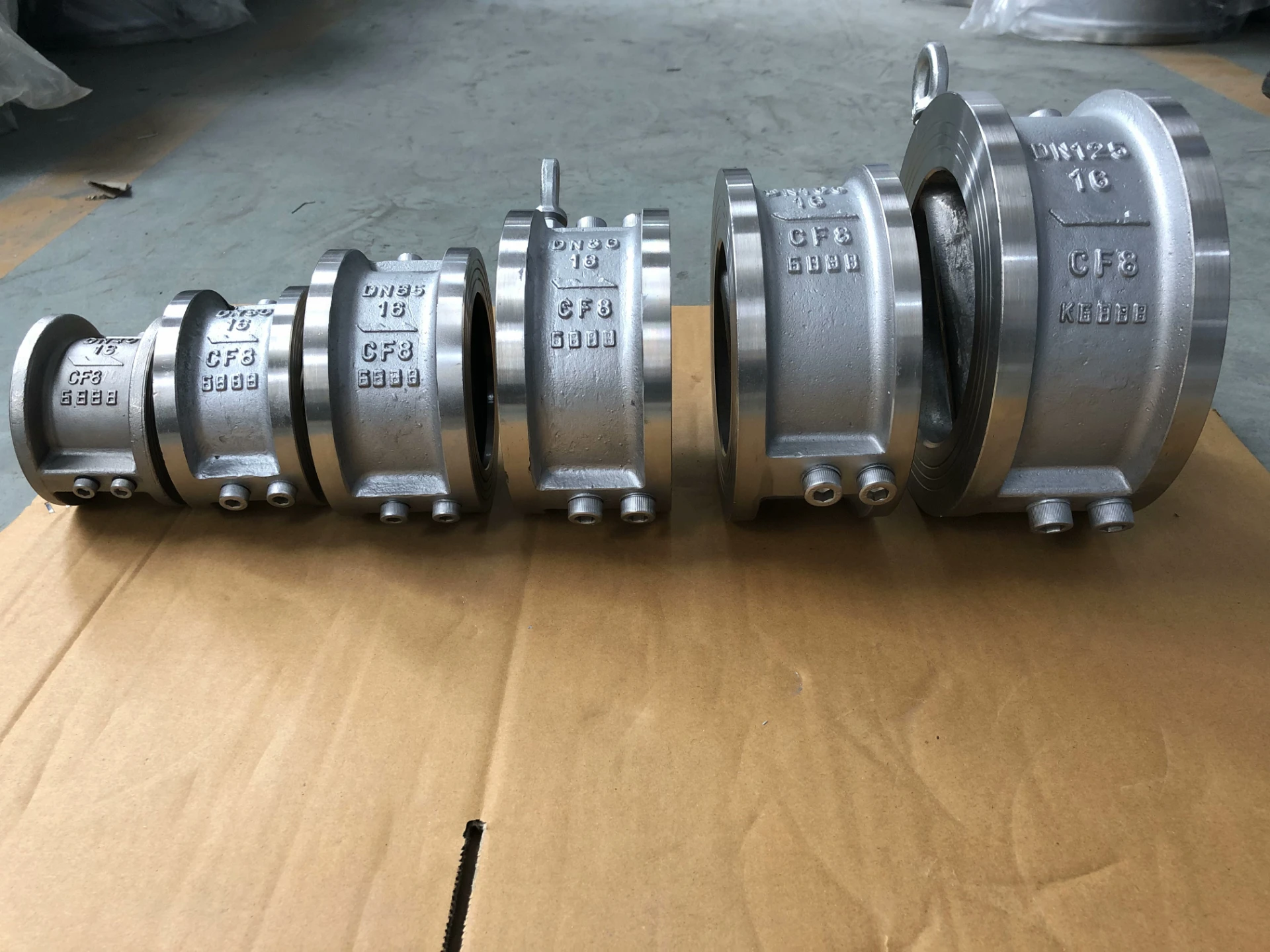
Introduction
The China elbow with flange is a critical piping component utilized extensively across numerous industries, including petrochemical, oil and gas, water treatment, and power generation. Functionally, it facilitates a 90-degree change in direction of fluid flow within a piping system, offering a robust and reliable connection point. Its design incorporates a flanged end, enabling secure bolting to mating flanges, providing a leak-proof seal. This component distinguishes itself by balancing cost-effectiveness with acceptable performance levels, making it a common selection for projects where stringent material specifications aren’t paramount, yet dependable fluid transport is required. The performance of these elbows is directly linked to material grade, manufacturing process, and adherence to relevant industry standards. Core performance characteristics include pressure rating, temperature resistance, and compatibility with the conveyed fluid. Common pain points in industry stem from premature failure due to corrosion, erosion, or inadequate welding procedures during installation, necessitating rigorous quality control and appropriate material selection.
Material Science & Manufacturing
China elbows with flanges are predominantly manufactured from carbon steel (ASTM A53 Grade B, API 5L X42), stainless steel (304/304L, 316/316L), and occasionally alloy steel (ASTM A234 WPB). Carbon steel, favored for its cost-effectiveness, possesses a yield strength typically between 240-315 MPa and a tensile strength of 400-550 MPa. However, its susceptibility to corrosion demands protective coatings. Stainless steel alloys, offering superior corrosion resistance due to their chromium content (minimum 18%), exhibit yield strengths ranging from 205-310 MPa (304/304L) and 240-350 MPa (316/316L). Manufacturing typically involves cold forming or hot forging of the steel billet, followed by welding (SMAW, GTAW, or SAW depending on material and wall thickness) to create the elbow shape. Flanges are welded onto the elbow body. Critical parameters during manufacturing include maintaining precise bending radii to minimize stress concentration, ensuring full penetration welds free of defects (verified by non-destructive testing – radiography, ultrasonic testing, liquid penetrant inspection), and heat treatment (stress relieving) to prevent cracking. Surface preparation (sandblasting) and coating application (epoxy, polyurethane, or galvanization) are vital for corrosion protection. Material certificates conforming to ASTM standards are essential for quality assurance. Chemical composition analysis is performed to verify alloy conformity, and hardness testing confirms the mechanical properties of the finished product.
Performance & Engineering
The performance of a China elbow with flange is fundamentally governed by its ability to withstand internal pressure, external loads, and the corrosive environment. Force analysis involves assessing hoop stress (σh = PD/2t, where P = pressure, D = diameter, t = wall thickness) and longitudinal stress in the elbow wall. The flange connection must also withstand bolt loading and gasket compression. Finite Element Analysis (FEA) is frequently employed to optimize elbow geometry and minimize stress concentration, particularly at the weld junctions. Environmental resistance is paramount; exposure to chlorides, sulfides, or acidic environments necessitates the selection of appropriate materials and protective coatings. Compliance requirements vary by region and application. For example, ASME B31.3 (Process Piping) dictates allowable stresses, welding procedures, and inspection requirements for piping systems in the petrochemical industry. Pressure testing (hydrostatic or pneumatic) is mandatory to verify the integrity of the elbow and the flange connection. Temperature considerations are also critical; high temperatures reduce material strength, while low temperatures can induce brittleness. The selection of appropriate gasket materials (e.g., PTFE, EPDM, Viton) is crucial for maintaining a leak-proof seal across a specified temperature range. Fatigue analysis is essential for applications involving cyclic loading.
Technical Specifications
| Parameter | Carbon Steel (ASTM A53 Gr. B) | Stainless Steel 304/304L | Stainless Steel 316/316L | Alloy Steel (ASTM A234 WPB) |
|---|---|---|---|---|
| Material | ASTM A53 Gr. B | 304/304L | 316/316L | ASTM A234 WPB |
| Pressure Rating (PN) | PN6 - PN40 | PN10 - PN100 | PN10 - PN100 | PN6 - PN40 |
| Size (DN) | DN15 - DN600 | DN15 - DN600 | DN15 - DN600 | DN15 - DN600 |
| Wall Thickness (mm) | 2 - 12 | 2 - 10 | 2 - 10 | 2 - 12 |
| Temperature Range (°C) | -20 - 180 | -196 - 350 | -196 - 400 | -30 - 370 |
| Flange Standard | ANSI/ASME B16.5 | ANSI/ASME B16.5 | ANSI/ASME B16.5 | ANSI/ASME B16.5 |
Failure Mode & Maintenance
Common failure modes for China elbows with flanges include corrosion (localized pitting, general corrosion), erosion (particularly with abrasive fluids), fatigue cracking (due to cyclic loading and stress concentration at weld joints), and weld defects (porosity, incomplete fusion). Corrosion is accelerated by the presence of chlorides, sulfides, and oxygen. Erosion is prominent in applications involving high-velocity fluids or solid particle impingement. Fatigue cracking initiates at stress raisers, such as weld toes, and propagates under cyclic loading. Weld defects compromise the structural integrity of the elbow. Maintenance involves regular visual inspections for signs of corrosion, erosion, or cracking. Non-destructive testing (ultrasonic testing, radiography) should be performed periodically to assess the integrity of the welds. Protective coatings should be inspected and repaired as needed. Internal cleaning to remove deposits and debris can prevent corrosion and erosion. For severely corroded or damaged elbows, replacement is the most reliable solution. Proper installation, including correct bolt tightening and gasket selection, is critical for preventing leaks and ensuring long-term performance. Cathodic protection can be employed in corrosive environments to mitigate corrosion.
Industry FAQ
Q: What is the impact of weld quality on the long-term reliability of a carbon steel elbow with flange?
A: Weld quality is paramount. Poor weld penetration, porosity, or inadequate heat treatment significantly reduce the elbow's strength and corrosion resistance, leading to premature failure. Full penetration welds confirmed by radiography or ultrasonic testing are essential. Post-weld heat treatment (PWHT) is crucial for stress relieving and preventing cracking.
Q: How does the choice of flange material affect compatibility with different process fluids?
A: Flange material must be compatible with the process fluid to prevent corrosion. Carbon steel is suitable for non-corrosive fluids, while stainless steel (316/316L) is preferred for corrosive environments. The fluid's pH, temperature, and chloride content are key factors in material selection.
Q: What is the typical service life expectancy of a 304/304L stainless steel elbow in a moderately corrosive environment?
A: In a moderately corrosive environment (e.g., low chloride concentration, controlled pH), a 304/304L stainless steel elbow can have a service life of 20-30 years with proper maintenance. However, localized corrosion (pitting) can significantly reduce this lifespan.
Q: What are the key considerations when selecting a gasket material for a flanged elbow connection?
A: Gasket material must be compatible with the process fluid and temperature. It should also provide a sufficient seal to prevent leakage. Common materials include PTFE (for broad chemical resistance), EPDM (for water and steam), and Viton (for high temperatures and aggressive chemicals).
Q: What non-destructive testing (NDT) methods are typically employed to verify the integrity of a newly manufactured elbow with flange?
A: Common NDT methods include Radiographic Testing (RT) to detect internal weld defects, Ultrasonic Testing (UT) to assess weld quality and material thickness, and Liquid Penetrant Inspection (LPI) to identify surface cracks and discontinuities.
Conclusion
The China elbow with flange, despite its relatively simple construction, represents a crucial component in numerous industrial piping systems. Its performance and longevity are inextricably linked to material selection, meticulous manufacturing processes, adherence to established engineering standards, and diligent maintenance practices. Understanding the potential failure modes—corrosion, erosion, fatigue, and weld defects—is vital for mitigating risks and ensuring reliable operation.
The continuous drive for cost optimization must be balanced with the necessity for robust quality control. Investing in higher-grade materials, employing advanced NDT techniques, and implementing comprehensive maintenance programs are prudent strategies for maximizing the service life of these elbows and minimizing costly downtime. Future development may focus on innovative coating technologies to enhance corrosion resistance and self-healing materials to extend operational lifespan.
-
Top Reasons to Choose a Stainless Steel Flange Check Valve for Industrial Applications
-
electric check valve Performance Engineering
-
electric check valves Performance Analysis
-
Threaded Check Valves Performance Analysis
-
6 inch check valve Performance Analysis
-
8 check valve Performance Analysis
-
diaphragm check valve Material Science Manufacturing
-
dual plate check valve Performance Analysis
-
check valve 6 inch Material Science
-
diaphragm check valves Performance Analysis
-
dual plate check valves Performance Analysis
-
vertical check valves Material Science Manufacturing
-
8 check valves Performance Analysis
-
refrigeration check valves Performance Analysis
-
pilot check valve Performance Analysis
 Afrikaans
 Albanian
 Amharic
 Arabic
 Armenian
 Azerbaijani
 Basque
 Belarusian
 Bengali
 Bosnian
 Bulgarian
 Catalan
 Cebuano
 Corsican
 Croatian
 Czech
Czech
 Danish
 Dutch
Dutch
 Esperanto
 Estonian
 Finnish
 French
 Frisian
 Galician
 Georgian
 German
 Greek
Greek
 Gujarati
 Haitian Creole
 Hausa
Hawaiian
Hausa
Hawaiian
 Hebrew
 Hindi
Hindi
 Miao
Miao
 Hungarian
 Icelandic
 Igbo
Igbo
 Indonesian
 Irish
Irish
 Italian
 Japanese
 Javanese
Kannada
Javanese
Kannada
 Kazakh
 Khmer
Khmer
 Rwandese
 Korean
 Kurdish
 Kyrgyz
 Lao
Lao
 Latin
Latin
 Latvian
 Lithuanian
 Luxembourgish
 Macedonian
 Malgashi
 Malay
Malay
 Malayalam
 Maltese
 Maori
Maori
 Marathi
 Mongolian
 Myanmar
 Nepali
 Norwegian
 Norwegian
 Occitan
 Pashto
 Persian
 Polish
 Portuguese
Punjabi
Portuguese
Punjabi
 Romanian
 Russian
 Samoan
 Scottish Gaelic
 Serbian
 Sesotho
 Shona
Shona
 Sindhi
 Sinhala
 Slovak
 Slovenian
 Somali
 Spanish
 Sundanese
 Swahili
 Swedish
Tagalog
Swedish
Tagalog
 Tajik
Tajik
 Tamil
Tamil
 Tatar
Tatar
 Telugu
 Thai
Thai
 Turkish
 Turkmen
 Ukrainian
 Urdu
Urdu
 Uighur
 Uzbek
Uzbek
 Vietnamese
 Welsh
Welsh
 Bantu
Bantu
 Yiddish
 Yoruba
 Zulu
Zulu
 English